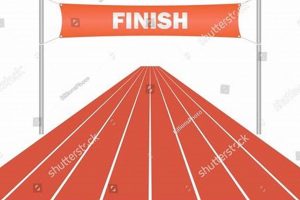
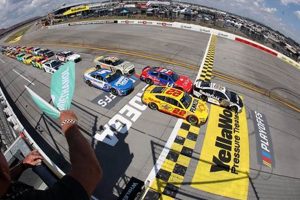
A highly visible marker, typically made of durable material, signals both the commencement and conclusion of a race or event. Often displaying event names, logos, or sponsor information, it stretches across the designated path to provide a clear visual cue for participants and spectators alike. A common instance would be at a marathon where it’s used to denote both where runners begin the race and where they complete the 26.2-mile journey.
These visual aids play a significant role in enhancing event organization and participant experience. They provide a clear focal point, contributing to the overall atmosphere and excitement. Their presence often serves to commemorate achievement and provides valuable branding opportunities for sponsors. Historically, simpler versions of these markers, such as flags or draped fabrics, have been used for centuries to delineate significant points within sporting events and other public gatherings.
The subsequent sections will delve into specific aspects of these banners, including material selection, design considerations, customization options, and practical applications across various event types, as well as their effective deployment for maximum impact and visibility.
Effective Utilization of Start and Finish Line Markers
The following recommendations aim to provide guidance on maximizing the impact and functionality of these visual event markers.
Tip 1: Material Selection is Crucial: Choose materials appropriate for the environment. Outdoor events necessitate weather-resistant options like reinforced vinyl or durable polyester. Indoor events may allow for lighter, more cost-effective alternatives.
Tip 2: Prioritize Visibility: Ensure adequate size and strategic placement. The dimensions should be proportional to the venue and the expected audience. Position the marker in a location free from obstructions and with optimal sightlines.
Tip 3: Design for Clarity and Branding: Utilize a clean, uncluttered design that incorporates prominent event branding. Logos and text should be easily readable from a distance. Consider the use of high-contrast colors to enhance visibility.
Tip 4: Secure and Safe Installation: Implement a robust and safe installation method. Ensure the marker is securely anchored to prevent accidental dislodgement, particularly in windy conditions. Adhere to all relevant safety regulations and guidelines.
Tip 5: Optimize Placement for Photography: Strategically position the marker to create compelling photo opportunities for participants. This enhances event publicity and provides lasting memories for attendees.
Tip 6: Consider Lighting Options: For events held during periods of low light, integrate illumination. This could include spotlights, LED strips, or internally lit structures, enhancing visibility and creating a more visually appealing atmosphere.
Tip 7: Plan for Storage and Reuse: Select materials that are easily stored and can be reused for subsequent events. Implement a proper storage system to protect the marker from damage and prolong its lifespan.
By adhering to these guidelines, event organizers can effectively leverage these visual markers to enhance the overall event experience, improve participant satisfaction, and maximize branding opportunities.
The succeeding section will address common challenges associated with their usage and offer potential solutions for overcoming these obstacles.
1. Visibility

Visibility is a paramount attribute for effective “start finish line banner” usage. It dictates how readily participants and spectators perceive these crucial markers, directly influencing event navigation, participant experience, and sponsor recognition. Without adequate visibility, the banner fails to fulfill its primary function, negating potential benefits.
- Size and Scale
The physical dimensions of the banner directly correlate with its visibility. A larger banner inherently commands more attention, especially in expansive environments. Consider the viewing distance and background clutter when determining appropriate sizing. For example, a marathon necessitates significantly larger banners than a small local fun run to ensure runners can clearly identify the finish from a distance.
- Color and Contrast
The color palette employed influences conspicuity. High-contrast combinations, such as black on yellow or white on blue, maximize readability and visual impact. Avoid colors that blend with the surrounding environment or are difficult to discern under varying lighting conditions. An example would be avoiding pale green text on a grassy background.
- Placement and Positioning
Strategic placement optimizes sightlines and minimizes obstructions. The banner should be positioned in a location that is free from visual clutter and easily accessible to participants. Elevation can further enhance visibility, particularly in crowded areas. For instance, raising the banner above the heads of spectators at the finish line ensures clear visibility for approaching athletes.
- Lighting Conditions
Lighting plays a crucial role in visibility, especially for events held during dawn, dusk, or at night. Incorporating reflective materials or integrated lighting solutions, such as LED strips, ensures the banner remains visible under low-light conditions. For example, an evening cycling race might require illuminated banners to guide cyclists safely to the finish line.
These facets of visibility are interconnected and contribute to the overall effectiveness of the “start finish line banner”. By carefully considering size, color, placement, and lighting, event organizers can ensure that these markers effectively fulfill their intended purpose, enhancing the event experience for all participants and spectators and maximizing the return on investment for sponsors.
2. Durability

Durability constitutes a critical performance characteristic of any “start finish line banner”. The ability to withstand environmental stressors and repeated use dictates the banner’s longevity, impacting cost-effectiveness and the overall presentation of an event. Compromised durability undermines the visual appeal and intended functionality.
- Material Resistance
Material composition directly influences resistance to tearing, stretching, and fading. Vinyl-coated fabrics or reinforced polyester offer enhanced durability compared to lighter, less robust materials. Outdoor banners, exposed to wind, rain, and ultraviolet radiation, require a higher degree of material resistance to maintain structural integrity and color vibrancy. Consider the use of scrim vinyl, a woven mesh embedded within the vinyl, to resist tearing.
- Weather Endurance
Exposure to adverse weather conditions presents a significant challenge. “start finish line banner” must withstand fluctuating temperatures, high winds, and precipitation without degradation. UV-resistant inks prevent fading from prolonged sun exposure. Grommets and reinforced edges prevent tearing under stress from wind. For instance, a banner at a coastal race must withstand salt spray and strong winds.
- Construction Integrity
The method of construction, including stitching and seam reinforcement, contributes to overall durability. Double-stitched hems and reinforced corners enhance resistance to tearing. Grommets, spaced appropriately, provide secure attachment points and distribute stress evenly. Inadequate construction can lead to premature failure, particularly under windy conditions. Heat welding is often more durable than stitching in this context.
- Storage and Handling
Proper storage and handling practices extend the lifespan. Folding and storing the banner correctly prevents creases and damage. Protecting the banner from abrasive surfaces and sharp objects minimizes the risk of tears and scratches. A dedicated storage bag or container protects the banner during transport and periods of inactivity. Incorrect storage, such as tightly folding a wet banner, can lead to mildew and material degradation.
These facets collectively underscore the importance of durability in the selection and maintenance of “start finish line banner”. Opting for robust materials, employing sound construction techniques, and implementing careful handling and storage procedures collectively maximize the lifespan and maintain the visual effectiveness of these essential event markers. Failure to prioritize these aspects can result in compromised presentation, increased replacement costs, and a diminished event experience.
3. Branding

The strategic integration of branding elements into “start finish line banner” is a critical aspect of event marketing and sponsor visibility. The banners serve as prominent visual touchpoints that communicate brand identity and reinforce brand recognition among participants and spectators.
- Logo Placement and Prominence
Strategic positioning of logos on the banner ensures optimal visibility. The size and placement of logos should align with sponsorship tiers, granting greater prominence to higher-level sponsors. Balanced composition prevents visual clutter and maintains aesthetic appeal. An example is designating a larger central area for the primary event sponsor’s logo with smaller secondary sponsor logos along the banner’s edges. Consider the impact of font choice as well, selecting a font that aligns with the overall brand aesthetic and is easily readable at a distance.
- Color Palette Consistency
Employing the brand’s established color palette reinforces brand recognition and creates a cohesive visual identity. Consistent application of brand colors across the entire banner, including background, text, and logos, strengthens brand association. An instance involves utilizing a corporate color scheme throughout the banner’s design to ensure alignment with the overall brand image. Colors should be selected not only for brand consistency but also for visibility and contrast against the environment in which the banner is placed.
- Messaging and Slogans
Incorporating succinct messaging and slogans reinforces brand values and key marketing messages. The text should be concise, memorable, and relevant to both the event and the brand. An example entails including a brand tagline or a brief promotional message alongside the logo. Ensure that messaging is clear and easily understood by the target audience, avoiding overly complex or jargon-laden language.
- Background Integration
The background can either complement the branding elements or detract from them. Design the background to enhance the visibility and impact of logos and messaging. Avoid overly busy or distracting patterns that compete with branding elements for attention. For instance, a clean, solid-colored background or a subtle gradient allows the logos and text to stand out. Consider incorporating visual elements that connect the brand to the event, such as imagery related to the sport or activity.
These branding components, when effectively integrated into “start finish line banner” design, contribute to enhanced brand visibility, heightened sponsor recognition, and a more impactful event experience. Successful execution of these principles transforms a functional marker into a powerful marketing asset.
4. Size

The dimensions of a “start finish line banner” directly influence its visibility and impact. Size dictates the degree to which participants and spectators can readily perceive the banner from a distance, affecting navigation, event atmosphere, and sponsor recognition. An undersized banner may be easily overlooked, negating its intended purpose, while an excessively large banner can overwhelm the environment or pose logistical challenges.
Consider the context of a marathon. A banner positioned at the finish line should be substantial enough to be visible from hundreds of meters away, allowing runners to anticipate the end of the race and providing clear direction in a potentially crowded area. Conversely, for a smaller indoor event, a more modestly sized banner may suffice, as viewing distances are reduced. Furthermore, the size should accommodate the necessary branding elements, including logos and messaging, without appearing cluttered or sacrificing legibility. In practical terms, organizers must assess the venue’s dimensions, typical viewing distances, and the volume of branding content to determine optimal banner dimensions.
Appropriate sizing is a crucial component in maximizing the effectiveness of a “start finish line banner”. A balanced approach, considering visibility requirements, logistical constraints, and branding objectives, ensures that the banner fulfills its intended function and contributes positively to the overall event experience. Challenges arise when balancing size with budget limitations or when dealing with irregularly shaped venues; however, careful planning and creative design solutions can mitigate these difficulties.
5. Placement

Strategic positioning of a “start finish line banner” is a fundamental determinant of its effectiveness. Placement directly influences visibility, participant experience, and the realization of branding objectives. Poorly considered placement diminishes the banner’s impact, irrespective of its design or material quality. The subsequent points detail critical facets of placement.
- Line of Sight Optimization
Placement must prioritize unobstructed lines of sight from key vantage points, including the approaching path of participants and spectator areas. Obstructions such as trees, structures, or other signage can negate the banner’s visibility. For instance, placing a banner directly behind a stage or beneath overhanging branches would compromise its intended purpose. Careful surveying of the event space is necessary to identify optimal, unobstructed locations.
- Environmental Context Considerations
The surrounding environment influences the effectiveness of the placement. The background should not visually compete with the banner. Contrasting backgrounds enhance visibility, while cluttered or similar backgrounds diminish it. For example, a banner placed against a busy cityscape may be less effective than one positioned against a clear sky or a neutral-colored wall. Consider color palettes and patterns in the surrounding area when selecting placement.
- Proximity to Start and Finish
Precise positioning relative to the actual start and finish lines is paramount. The banner must clearly delineate these points for participants, preventing confusion and ensuring fair competition. Placement slightly before the finish line, as viewed by participants, can create a visual cue that motivates a final push. Conversely, placing it too far beyond the line may cause premature deceleration. Accurate measurement and adherence to event regulations are essential.
- Safety and Accessibility
Placement must not compromise participant safety or accessibility. The banner should be positioned in a manner that avoids creating tripping hazards or obstructing pedestrian traffic. Secure anchoring is essential to prevent the banner from becoming dislodged, particularly in windy conditions. Consideration should be given to emergency access routes to ensure the banner does not impede egress. Careful risk assessment is necessary to mitigate potential hazards associated with banner placement.
These considerations underscore the critical role of placement in maximizing the efficacy of a “start finish line banner”. Strategic positioning, factoring in line of sight, environmental context, proximity to the event markers, and safety considerations, ensures that the banner effectively serves its intended purpose, enhancing the event experience and achieving its branding objectives.
6. Materials

The selection of materials directly dictates the performance and longevity of a “start finish line banner”. The causal relationship is straightforward: material properties determine the banner’s ability to withstand environmental stressors and maintain its visual integrity over time. The material’s impact extends to factors such as wind resistance, water resistance, UV resistance, and tear strength. For example, a banner constructed from lightweight, non-waterproof fabric would be unsuitable for an outdoor event where rain is likely, leading to rapid degradation and potential failure. Conversely, a banner made from heavy-duty vinyl would offer significantly greater protection and durability under adverse weather conditions. This makes a durable vinyl with robust grommets a good choice for a marathon.
Consider the practical applications. A banner intended for indoor use may suffice with a lighter, more cost-effective material like fabric or thin vinyl. However, a banner designed for a multi-day outdoor event necessitates a more robust material, such as reinforced vinyl or durable polyester, capable of withstanding prolonged exposure to sun, wind, and rain. The choice of material also influences printing quality and color vibrancy. Certain materials accept inks more readily, resulting in sharper images and more vivid colors, enhancing the overall visual impact. The method of attachment, whether through grommets, pole pockets, or other mechanisms, is also dictated by the material’s properties, affecting the security and stability of the installation.
In summary, material selection is not merely a cosmetic decision but a critical engineering consideration. Prioritizing appropriate materials based on the intended application, environmental conditions, and desired performance characteristics is essential for ensuring the longevity, visibility, and overall effectiveness of any “start finish line banner”. Failing to adequately consider these factors can lead to premature failure, increased replacement costs, and a diminished event experience. This understanding of materials is fundamentally important for ensuring the proper function of these banners.
7. Attachment

Effective attachment methods are crucial for the stability and visibility of a “start finish line banner.” The manner in which the banner is secured significantly influences its ability to withstand environmental stressors and maintain its intended position throughout an event. Inadequate attachment can lead to banner displacement, posing safety hazards, obstructing views, and diminishing the overall event presentation. Conversely, robust and appropriate attachment ensures the banner remains securely in place, fulfilling its function as a clear visual marker and branding opportunity. Common attachment methods include grommets and ropes, zip ties, pole pockets, and specialized hardware for truss systems. The selection depends upon the banner’s material, size, and the available support structures.
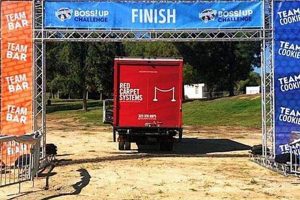
Consider a marathon event where a large banner is suspended between two sturdy poles. Grommets, reinforced with additional fabric to prevent tearing, are strategically placed along the banner’s edges. Ropes are then threaded through these grommets and securely fastened to the poles. This system distributes the stress of wind and weight evenly across the banner, minimizing the risk of failure. Alternatively, for smaller, more temporary events, zip ties may suffice for attaching a banner to chain-link fences or lightweight structures. However, such methods are less suitable for situations involving high winds or prolonged exposure. Pole pockets, sewn into the top and bottom edges of the banner, allow it to be slipped over poles or pipes, providing a clean and professional appearance, particularly for indoor events. For events utilizing truss systems, specialized hardware, such as clamps and hooks, ensures a secure and aesthetically pleasing installation.
The practical significance of understanding attachment methods lies in preventing costly failures and ensuring participant safety. A detached banner can disrupt the flow of an event, create confusion, and even cause injuries. Selecting the appropriate attachment method, based on a careful assessment of environmental conditions and available support structures, is therefore paramount. The integration of durable grommets or ropes designed to withstand significant tensile force is crucial for outdoor use. A well-secured banner contributes significantly to a polished and professional event, while a poorly attached banner detracts from the overall experience. Ultimately, proper attachment underscores the functional and aesthetic success of a “start finish line banner.”
Frequently Asked Questions Regarding Start Finish Line Banners
The subsequent section addresses frequently encountered inquiries concerning design, selection, deployment, and maintenance of these event markers.
Question 1: What constitutes the optimal material choice for outdoor “start finish line banner” applications?
The selection should prioritize durability and weather resistance. Reinforced vinyl or durable polyester fabrics are frequently preferred, as these exhibit superior resistance to tearing, fading, and water damage compared to lighter-weight materials. UV-resistant inks are also crucial for maintaining color vibrancy under prolonged sun exposure.
Question 2: What guidelines govern the appropriate size of a “start finish line banner” relative to the event venue?
The size determination should account for viewing distances and the overall scale of the venue. Larger venues necessitate correspondingly larger banners to ensure adequate visibility. Conduct an assessment of sightlines and potential obstructions to determine the optimal dimensions.
Question 3: What are the best practices for securely attaching a “start finish line banner” to various support structures?
Attachment methods should align with the banner’s material, size, and the nature of the support structure. Grommets and ropes are suitable for suspending banners between poles. Zip ties offer a temporary solution for attaching to fences. Truss systems require specialized hardware, such as clamps and hooks, for secure installation. The choice must also account for the likely effects of wind upon the installation.
Question 4: How does color selection influence the effectiveness of a “start finish line banner?”
Color selection significantly affects visibility and brand recognition. High-contrast color combinations enhance readability. Consistent application of brand colors reinforces brand identity. The background should complement, not compete with, the banner’s primary messaging.
Question 5: What measures should be implemented to ensure the safe deployment of a “start finish line banner,” particularly in adverse weather conditions?
Secure anchoring is paramount to prevent accidental dislodgement. Implement robust attachment methods and conduct thorough risk assessments prior to deployment. Monitor weather conditions closely and implement contingency plans, such as temporary removal of the banner, if necessary.
Question 6: How can event organizers effectively integrate sponsor logos into “start finish line banner” design?
Sponsor logos should be strategically positioned to maximize visibility while maintaining a balanced and aesthetically pleasing design. Logo size and placement should reflect sponsorship tiers. Employ a clean and uncluttered layout to ensure readability and prevent visual overload.
The preceding inquiries and responses underscore critical considerations pertaining to the utilization of these event markers. Addressing these concerns proactively enhances the likelihood of a successful and impactful event.
The subsequent discussion will explore real-world examples of effective and ineffective “start finish line banner” deployments.
Conclusion
This examination of “start finish line banner” underscores the multi-faceted considerations essential for its effective utilization. From material selection and size determination to strategic placement and secure attachment, each element contributes significantly to visibility, durability, and the overall event experience. The successful deployment of these visual markers hinges upon a thorough understanding of these interrelated factors.
The information presented herein serves as a guide for event organizers seeking to maximize the impact of “start finish line banner” initiatives. Prudent planning and informed decision-making are imperative for transforming these functional markers into powerful assets that enhance event atmosphere, reinforce brand recognition, and ensure participant safety. Continued attention to design advancements and innovative deployment strategies will further elevate the significance of these markers in the evolving landscape of event management.