Surface treatments applied to concrete staircases enhance their aesthetic appeal and functional performance. These treatments encompass a range of techniques and materials, from simple sealers that protect against wear and staining to more elaborate coatings and overlays that alter the color, texture, and slip resistance of the steps. For instance, applying an epoxy coating can provide a durable, high-gloss surface, while texturing the concrete creates a safer walking surface, especially in outdoor environments.
Properly executed applications of these treatments are vital for the longevity and safety of concrete stairs. They can protect the underlying concrete from water damage, freeze-thaw cycles, and abrasion, thereby extending the lifespan of the structure. Furthermore, select surface options significantly improve pedestrian safety by reducing the risk of slips and falls. Historically, the selection of surface treatments has evolved alongside advancements in material science and construction techniques, leading to a diverse array of options that balance durability, aesthetics, and cost-effectiveness.
Understanding the available options, including sealants, coatings, overlays, and specialized treatments, is crucial for architects, contractors, and property owners alike. The subsequent sections will delve into specific types of surface treatments, exploring their applications, advantages, and limitations, to facilitate informed decision-making regarding the design and maintenance of concrete staircases.
Tips for Concrete Stairs Finishes
Selecting and applying suitable treatments for concrete stairs requires careful consideration of several factors. These tips offer guidance on achieving optimal results, ensuring both durability and visual appeal.
Tip 1: Prioritize Surface Preparation: Thorough cleaning and profiling of the concrete surface is essential. Remove any existing coatings, contaminants, or laitance. This ensures proper adhesion of the treatment layer.
Tip 2: Consider Environmental Conditions: Exterior stairs require treatments that are resistant to UV radiation, freeze-thaw cycles, and moisture penetration. Interior stairs may prioritize abrasion resistance and aesthetic qualities.
Tip 3: Evaluate Slip Resistance: Implement textures or coatings that enhance traction, especially in areas prone to wetness. Compliance with relevant safety standards is paramount.
Tip 4: Select Compatible Materials: Ensure that the selected treatment is chemically compatible with the concrete substrate. Incompatible materials can lead to delamination, cracking, or other failures.
Tip 5: Apply Multiple Thin Coats: Multiple thin coats of the chosen treatment generally outperform a single thick coat. This minimizes the risk of blistering, cracking, or uneven curing.
Tip 6: Cure Properly: Adhere strictly to the manufacturer’s curing instructions. Premature exposure to traffic or environmental factors can compromise the integrity of the finish.
Tip 7: Implement Regular Maintenance: Periodic cleaning and resealing are necessary to maintain the appearance and protective qualities of the treatment. A proactive maintenance schedule will extend the lifespan of the finish.
Adhering to these guidelines promotes the longevity, safety, and aesthetic value of concrete staircases. Careful planning and execution are key to achieving lasting, satisfactory outcomes.
The following sections will provide further details on specific treatment types and their applications.
1. Durability enhancement

The application of specialized surface treatments to concrete stairs plays a critical role in enhancing their structural longevity and resistance to degradation. These treatments serve as a protective barrier against various environmental and mechanical stressors that can compromise the integrity of the concrete over time.
- Protection Against Moisture Intrusion
Penetrating sealers and waterproof coatings mitigate water absorption into the concrete matrix. Excessive moisture can lead to freeze-thaw damage in colder climates, causing cracking and spalling. Additionally, moisture promotes the corrosion of reinforcing steel, further weakening the structure. Effective surface treatments prevent these issues, extending the lifespan of the stairs. For example, silane-based sealers penetrate the concrete and chemically react to create a hydrophobic layer that repels water.
- Resistance to Abrasion and Impact
High-performance coatings, such as epoxy or polyurethane systems, provide a resilient surface that withstands abrasive wear from foot traffic and impacts from dropped objects. This is particularly important in high-traffic areas and industrial settings. Without such protection, the concrete surface can erode over time, leading to an uneven and potentially hazardous walking surface. An example is the use of a heavy-duty epoxy coating on stairs in a manufacturing facility to resist damage from equipment and foot traffic.
- Chemical Resistance
Certain surface treatments offer resistance to chemical attack from de-icing salts, oils, and other corrosive substances. This is crucial for exterior stairs exposed to de-icing agents in winter or stairs in industrial environments where chemical spills are possible. Chemical degradation can weaken the concrete and cause surface deterioration. For example, stairs near roadways often receive treatments resistant to chloride-based de-icers.
- Mitigation of Alkali-Silica Reaction (ASR)
While not a direct surface treatment, applying a densifier containing lithium can help mitigate the effects of ASR, a chemical reaction between certain aggregates in the concrete and alkaline pore solutions. This reaction causes expansion and cracking within the concrete. While the densifier penetrates the surface, it influences the bulk material. In areas known to have ASR-prone aggregates, this preventative measure significantly enhances the durability of the concrete stairs.
The implementation of appropriate surface treatments significantly enhances the durability of concrete stairs, safeguarding them against a range of detrimental factors. The selection of the specific treatment must be carefully considered based on the environmental conditions, traffic levels, and potential exposure to chemicals to ensure long-term structural integrity and safety.
2. Slip resistance

Surface treatments applied to concrete staircases significantly influence the coefficient of friction, thereby determining the level of slip resistance. The selection of appropriate treatments is critical for ensuring pedestrian safety, particularly in environments prone to moisture or high traffic.
- Textured Overlays
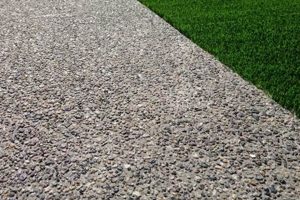
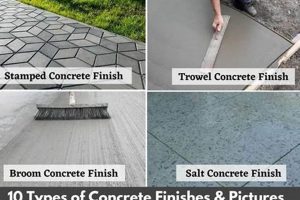
Incorporating textured overlays into concrete stairs introduces a physical roughness to the surface, increasing the contact area between the shoe and the stair. Examples include broom finishes, exposed aggregate, and stamped patterns. These methods enhance friction, reducing the likelihood of slips, especially when the surface is wet. The depth and pattern of the texture directly correlate with the degree of slip resistance achieved.
- Abrasive Additives in Coatings
Introducing abrasive particles, such as silica sand or aluminum oxide, into coatings creates a non-slip surface. These additives increase the surface’s friction coefficient without significantly altering its appearance. This approach is frequently used in epoxy and polyurethane coatings applied to concrete stairs in commercial and industrial settings where slip resistance is paramount. The concentration and particle size of the abrasive material are tailored to meet specific safety requirements.
- Chemical Etching
Chemical etching involves using acids to create a micro-roughness on the concrete surface. This process increases slip resistance by creating microscopic irregularities that provide better grip. Chemical etching is commonly used to prepare concrete surfaces for coatings, but it can also be used as a standalone treatment to improve the inherent slip resistance of the concrete itself. Safety precautions must be implemented to mitigate hazards associated with the handling and disposal of etching chemicals.
- Penetrating Sealers with Anti-Slip Additives
Penetrating sealers with added polymers or nanoparticles can enhance slip resistance without substantially changing the appearance of the concrete. These sealers penetrate the concrete pores, creating a durable barrier against moisture and contaminants while simultaneously improving surface friction. This option is suitable for environments where maintaining the natural look of the concrete is desired, but slip resistance is still a concern.
The relationship between surface treatments and slip resistance in concrete stairs is multifaceted, encompassing texture, additives, and chemical modifications. Each approach offers distinct advantages and disadvantages, depending on the specific application requirements, aesthetic preferences, and safety standards. Careful consideration of these factors is essential for selecting and implementing a surface treatment that effectively mitigates slip hazards and ensures the safety of stair users.
3. Aesthetic Customization

The ability to tailor the visual characteristics of concrete staircases through surface treatments is a significant aspect of modern construction and design. Aesthetic customization allows for the integration of stairs into a cohesive architectural vision, transforming a purely functional element into a design feature.
- Color Integration
Concrete can be integrally colored during mixing or surface-stained post-installation, offering a wide spectrum of hues. Integral coloring involves adding pigments to the concrete mix, resulting in a uniform color throughout the material. Surface staining penetrates the concrete surface, providing a translucent color that enhances the natural variations of the concrete. For example, a modern loft apartment might utilize integrally colored grey concrete stairs to complement a minimalist aesthetic, while a rustic farmhouse could feature stained concrete stairs with earth tones to blend with natural materials.
- Texture Modification
The surface texture of concrete stairs can be manipulated to achieve various visual effects. Techniques such as broom finishing, sandblasting, and acid etching create different levels of roughness and visual interest. Broom finishing provides a subtle texture, while sandblasting exposes the aggregate for a more pronounced effect. Acid etching creates a variegated surface. These techniques are often employed to complement specific architectural styles or to enhance slip resistance. Textured concrete stairs are often utilized in outdoor settings to create a visually appealing and slip-resistant surface.
- Overlay Systems
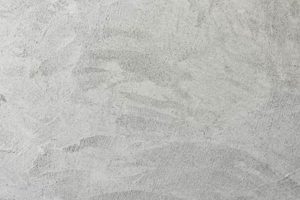
Overlay systems, such as micro-toppings and self-leveling overlays, provide a smooth, seamless canvas for decorative finishes. These systems allow for the application of intricate patterns, stencils, and faux finishes. Overlays can mimic the appearance of natural stone, tile, or other materials, offering a cost-effective alternative to more expensive options. For instance, a commercial building lobby may incorporate a micro-topping overlay on concrete stairs to replicate the look of polished marble, achieving a high-end aesthetic at a reduced cost.
- Decorative Inserts and Inlays
Decorative elements, such as glass, metal, or stone, can be embedded into the concrete surface to create unique visual accents. These inserts can be strategically placed to highlight specific design features or to add a touch of elegance. Inlays can range from simple geometric patterns to complex mosaics, allowing for a high degree of customization. For example, a public park might feature concrete stairs with embedded glass fragments that reflect sunlight, creating a visually dynamic and engaging space.
Aesthetic customization, achieved through various surface treatments, transforms concrete stairs from a purely functional element into an integral part of the overall design scheme. By carefully considering color, texture, overlays, and decorative inserts, architects and designers can create staircases that enhance the visual appeal and architectural character of a space.
4. Protection against elements
Surface treatments for concrete stairs are instrumental in mitigating the detrimental effects of environmental exposure. The selection and application of these treatments directly correlate with the longevity and structural integrity of the staircase, safeguarding it against various forms of elemental degradation.
- Water Intrusion Prevention
Water, in liquid or frozen form, represents a primary threat to concrete structures. Penetrating sealers and waterproof coatings create a barrier that inhibits water absorption. This is crucial in preventing freeze-thaw damage, where repeated cycles of freezing and thawing can cause the concrete to crack and spall. Hydrophobic sealants, for example, repel water and prevent its ingress into the porous structure of the concrete. Failure to protect against water intrusion can lead to significant structural deterioration and costly repairs, particularly in regions with harsh winter climates.
- Ultraviolet (UV) Radiation Resistance
Prolonged exposure to UV radiation can degrade certain concrete surface treatments, causing them to chalk, fade, or lose their protective properties. Clear sealers and coatings formulated with UV inhibitors mitigate this effect by absorbing or reflecting UV rays. The selection of UV-resistant materials is particularly important for exterior stairs exposed to direct sunlight. Ignoring UV degradation can result in premature failure of the surface treatment, leaving the underlying concrete vulnerable to other environmental factors.
- Chemical Resistance
Exterior concrete stairs are often exposed to de-icing salts, acid rain, and other chemical pollutants. Protective coatings that are chemically resistant prevent these substances from penetrating the concrete and causing corrosion of reinforcing steel or degradation of the concrete matrix itself. For instance, epoxy coatings are often used in areas where exposure to chloride-based de-icers is common. Without adequate chemical resistance, the concrete can undergo accelerated deterioration, compromising its structural integrity.
- Wind and Abrasion Protection
In coastal environments or areas prone to high winds, surface treatments can provide a barrier against wind-driven rain and abrasion from airborne particles. Durable coatings that resist erosion and impact prevent the concrete surface from being worn away over time. This is particularly important for stairs located in exposed areas where they are subject to constant weathering. Over time, physical erosion can lead to surface imperfections and structural weakening, necessitating costly repairs or replacement.
The multifaceted nature of environmental threats necessitates a comprehensive approach to surface treatment selection for concrete stairs. By addressing water intrusion, UV radiation, chemical exposure, and physical abrasion, these treatments play a critical role in preserving the structural integrity and extending the lifespan of concrete stairs in diverse environmental conditions. Choosing the appropriate treatment ensures long-term performance and minimizes the need for extensive maintenance or repairs.
5. Maintenance reduction

The selection and application of specific surface treatments to concrete staircases directly impact the frequency and intensity of required maintenance procedures. Certain finishes, by their inherent properties, minimize the ingress of water, chemicals, and abrasive particles, thereby reducing the need for regular cleaning, sealing, and repair work. For instance, a penetrating silane sealer, correctly applied, will render the concrete hydrophobic, preventing waterborne stains and reducing the risk of freeze-thaw damage, a common cause of concrete degradation. This, in turn, lessens the demand for frequent power washing or chemical treatments to remove stains or repair surface cracks.
Furthermore, durable coatings, such as epoxy or polyurethane systems, offer enhanced resistance to abrasion and impact, preserving the integrity of the concrete surface and minimizing the occurrence of chipping, scratching, or spalling. This is particularly relevant in high-traffic areas, where untreated concrete would quickly show signs of wear and require resurfacing or patching. Consider, for example, the concrete stairs in a heavily used subway station; the application of a resilient coating drastically reduces the need for ongoing repairs and extends the lifespan of the staircase, saving significant maintenance costs over time. Conversely, opting for a purely aesthetic finish with minimal protective qualities necessitates more frequent attention and expenditure on upkeep, including regular cleaning, re-application of the finish, and potential structural repairs.
In summary, the strategic integration of maintenance reduction considerations into the selection of surface treatments for concrete stairs yields substantial long-term benefits. By choosing finishes that provide enhanced protection and durability, property owners and facility managers can significantly minimize maintenance requirements, reduce lifecycle costs, and ensure the sustained safety and aesthetic appeal of the staircase. This proactive approach to surface treatment selection represents a practical and cost-effective strategy for managing the upkeep of concrete stairs and preserving their structural integrity.
6. Cost-effectiveness
The selection of surface treatments for concrete stairs significantly influences the overall cost-effectiveness of the staircase throughout its lifespan. A comprehensive cost analysis must consider not only the initial material and installation expenses but also the long-term costs associated with maintenance, repair, and potential replacement.
- Initial Material and Labor Costs
Different surface treatments exhibit varying price points for both materials and labor. For instance, a simple penetrating sealer may be less expensive to apply initially compared to a complex epoxy coating system that requires specialized equipment and skilled technicians. However, the long-term performance and durability of these options can drastically differ, influencing subsequent maintenance and repair expenditures. Selecting the most economical option solely based on initial cost may prove to be a false economy if it necessitates frequent reapplication or offers inadequate protection against environmental damage. Example: a high-end coating may cost 3x of regular coating, but the life span can extend 5x or more. Regular coating may be cheap at first, but cost more at the end.
- Life Cycle Cost Analysis
A thorough life cycle cost analysis evaluates the total expenses associated with a particular surface treatment over the expected lifespan of the concrete stairs. This analysis incorporates factors such as material costs, installation labor, maintenance requirements (e.g., cleaning, resealing), potential repair expenses, and the projected lifespan of the treatment. For example, a more expensive treatment with a longer lifespan and reduced maintenance needs may ultimately prove to be more cost-effective than a cheaper alternative that requires frequent upkeep and eventual replacement. The life cycle cost analysis provides a comprehensive framework for comparing the long-term financial implications of different surface treatment options.
- Maintenance and Repair Expenses
The frequency and intensity of required maintenance and repair activities directly impact the long-term cost-effectiveness of concrete stairs. Surface treatments that provide enhanced protection against water intrusion, abrasion, and chemical attack can significantly reduce the need for routine maintenance, such as cleaning, sealing, and patching. Conversely, inadequate or poorly applied surface treatments can lead to accelerated deterioration, necessitating costly repairs or even premature replacement of the staircase. A cost-effective approach prioritizes surface treatments that minimize ongoing maintenance expenses and maximize the lifespan of the concrete structure.
- Energy Efficiency Considerations
Certain surface treatments can contribute to energy efficiency, indirectly impacting cost-effectiveness. For example, light-colored coatings can reflect sunlight and reduce heat absorption, potentially lowering cooling costs in adjacent buildings. Similarly, properly sealed concrete surfaces can prevent moisture intrusion, which can improve insulation performance and reduce energy consumption. While energy efficiency may not be the primary driver for selecting a surface treatment, it represents an additional factor to consider when evaluating the overall cost-effectiveness of different options.
In conclusion, the cost-effectiveness of surface treatments for concrete stairs extends beyond the initial purchase price. A holistic approach that considers life cycle costs, maintenance requirements, and potential energy efficiency benefits is essential for making informed decisions that maximize the long-term value and minimize the overall expenses associated with the staircase.
7. Application methods

The effectiveness of any surface treatment on concrete stairs is inextricably linked to the application method employed. Regardless of the inherent properties of a particular sealant, coating, or overlay, improper application can compromise its performance and longevity, negating its intended benefits. Therefore, a thorough understanding of appropriate techniques is paramount for achieving optimal results with various surface options.
- Surface Preparation Techniques
Proper preparation of the concrete substrate is critical for ensuring adequate adhesion and performance of the applied finish. This typically involves cleaning the surface to remove contaminants such as dirt, oil, and existing coatings. Mechanical methods, such as grinding or shot blasting, may be necessary to create a profiled surface that promotes bonding. Chemical etching can also be used to improve adhesion. Failure to adequately prepare the surface can lead to delamination, blistering, and premature failure of the finish. For instance, applying an epoxy coating to a dusty, unprofiled concrete surface will likely result in poor adhesion and a compromised coating.
- Spray Application
Spray application is a common technique for applying liquid coatings and sealers to concrete stairs. This method allows for uniform coverage and efficient application, particularly on large or complex surfaces. Airless sprayers, in particular, are often used to apply high-solids coatings with minimal overspray. However, proper technique is essential to avoid issues such as runs, sags, and uneven film thickness. Factors such as nozzle selection, spray pressure, and application speed must be carefully controlled to achieve a consistent and durable finish. For example, applying a polyurethane coating with an incorrect nozzle size can lead to an uneven surface with inconsistent protection.
- Roller and Brush Application
Roller and brush application methods are often used for smaller areas or when a more controlled application is required. These techniques are particularly suitable for applying sealers, stains, and some types of coatings. While roller and brush application may be slower than spray application, they can provide greater precision and reduce overspray. Proper technique involves using the correct type of roller or brush for the specific material being applied, maintaining a wet edge, and avoiding excessive buildup of material. An example is applying a concrete stain with a high-quality brush to achieve a consistent color and avoid brush marks.
- Overlay Placement and Finishing
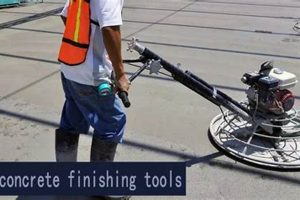
The application of overlay systems, such as micro-toppings and self-leveling overlays, requires specialized techniques to ensure proper placement, leveling, and finishing. These materials are typically mixed on-site and applied in a fluid state. Skilled technicians are needed to spread the material evenly, remove air bubbles, and achieve a smooth, level surface. Finishing techniques, such as troweling or polishing, are used to create the desired texture and appearance. For instance, applying a self-leveling overlay requires careful attention to mixing ratios, pouring techniques, and the use of specialized tools to achieve a flawless, level surface.
In conclusion, the selection of appropriate application methods is a crucial determinant of the success of any surface treatment applied to concrete stairs. Factors such as surface preparation, application technique, and finishing methods must be carefully considered to ensure optimal adhesion, durability, and aesthetic appeal. Investing in proper training and employing skilled applicators are essential for maximizing the benefits of any chosen finish.
Frequently Asked Questions
This section addresses common inquiries regarding surface treatments applied to concrete staircases, providing clarity on selection, application, and maintenance.
Question 1: What are the primary benefits of applying a surface treatment to concrete stairs?
Surface treatments enhance durability by protecting against water intrusion, freeze-thaw damage, and abrasion. They improve safety by increasing slip resistance and allow for aesthetic customization through color, texture, and pattern options. Ultimately, the goal is to extend the lifespan of the concrete structure.
Question 2: How is slip resistance achieved in concrete stair finishes?
Slip resistance is typically achieved through textured surfaces, abrasive additives in coatings, or chemical etching. Textured surfaces increase friction, while abrasive additives provide a non-slip grip. Chemical etching creates microscopic irregularities that enhance traction. Selection depends on the desired aesthetic and safety requirements.
Question 3: What types of sealers are most suitable for exterior concrete stairs?
Exterior concrete stairs benefit from penetrating sealers, such as silanes and siloxanes, which provide water repellency while allowing the concrete to breathe. Acrylic sealers offer UV resistance but may require more frequent reapplication. The choice depends on the specific environmental conditions and desired level of protection.
Question 4: How often should concrete stair finishes be inspected and maintained?
Concrete stair finishes should be inspected at least annually for signs of wear, cracking, or delamination. Maintenance frequency depends on traffic levels, environmental exposure, and the type of finish applied. High-traffic areas may require more frequent cleaning and resealing to maintain performance.
Question 5: What are the common causes of concrete stair finish failure?
Common causes of failure include inadequate surface preparation, improper application techniques, use of incompatible materials, and exposure to harsh environmental conditions. Water intrusion, freeze-thaw cycles, and abrasion can also contribute to finish deterioration.
Question 6: Is it possible to apply a new finish over an existing concrete stair finish?
Applying a new finish over an existing one is possible, but requires careful assessment of the existing finish’s condition and compatibility with the new material. Thorough cleaning and profiling are essential to ensure proper adhesion. In some cases, complete removal of the old finish may be necessary.
Surface treatments for concrete stairs demand a holistic approach, considering aesthetics, functionality, and environmental factors for optimal, long-lasting results.
The next section will explore specific case studies that highlight effective applications of different concrete stairs finishes in various settings.
Concrete Stairs Finishes
This exploration has illuminated the diverse options and considerations inherent in selecting and applying surface treatments to concrete staircases. The long-term performance of these structures is inextricably linked to appropriate implementation, encompassing durability enhancement, safety augmentation, aesthetic customization, and cost-effectiveness. A failure to adequately address these factors through informed decision-making can lead to premature degradation, increased maintenance burdens, and potential safety hazards.
Therefore, a diligent approach to concrete stairs finishes is not merely an aesthetic consideration, but a fundamental aspect of responsible structural design and maintenance. Further research and adherence to established best practices remain crucial to ensuring the longevity, safety, and overall value of concrete staircases in diverse applications. The information contained herein should be regarded as a foundation upon which to build a comprehensive understanding of this critical construction element, promoting informed choices and mitigating potential risks.