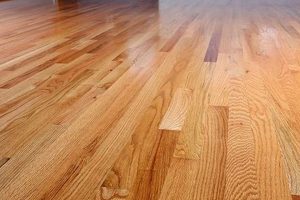
A substance applied to wooden surfaces provides protection and enhances aesthetic appeal. These coatings shield the wood from wear, moisture, and scratches, contributing to its longevity. Polyurethane, varnish, and lacquer represent common types, each offering distinct levels of durability and sheen. For example, a homeowner might select a water-based polyurethane for its low odor and quick drying time when protecting new flooring.
The application of these protective layers significantly extends the lifespan of wood installations, preventing costly repairs and replacements. Beyond protection, these materials can alter the color and luster of the wood, enriching its visual character. Historically, natural oils and waxes served similar purposes before the advent of synthetic alternatives, each reflecting available technology and prevailing aesthetic preferences.
Subsequent sections will delve into the specific properties of various coating types, appropriate application techniques, factors influencing product selection, and best practices for maintenance. This information aims to provide a thorough understanding of protecting and beautifying wood surfaces.
Essential Application Guidance
The following guidance represents best practices for achieving optimal results when sealing wood surfaces. Adherence to these recommendations will enhance durability and aesthetics.
Tip 1: Surface Preparation is Paramount: Thoroughly sand the wood, progressing through increasingly finer grits. Remove all dust and debris before applying any product. Inadequate preparation compromises adhesion and finish quality.
Tip 2: Select the Appropriate Product: Consider the wood species, intended use of the floor, and desired level of sheen when choosing a formulation. Oil-based polyurethanes offer greater durability, while water-based options provide lower odor and VOC emissions.
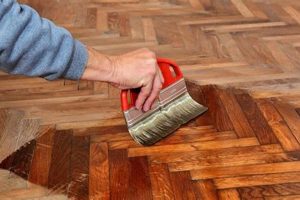
Tip 3: Apply Thin, Even Coats: Multiple thin coats are preferable to a single thick coat. Over-application leads to drips, runs, and prolonged drying times. Use a high-quality applicator designed for the chosen product.
Tip 4: Maintain Consistent Environmental Conditions: Apply coatings within the temperature and humidity ranges specified by the manufacturer. Extremes can affect drying time, flow, and adhesion.
Tip 5: Allow Adequate Drying Time: Respect the recommended drying times between coats and before allowing foot traffic. Premature use can damage the finish and impede proper curing.
Tip 6: Sand Between Coats (If Necessary): Lightly abrade between coats with fine-grit sandpaper to promote adhesion of subsequent layers. Clean the surface thoroughly after sanding.
Tip 7: Consider Professional Application for Complex Projects: For large or intricate installations, engaging a qualified contractor ensures a flawless and long-lasting outcome.
Following these principles minimizes potential issues and maximizes the lifespan and appearance of the protected wood. Proper application contributes significantly to the long-term value and enjoyment of the finished product.
The subsequent discussion will cover preventative maintenance strategies to further prolong the integrity and beauty of finished wood surfaces.
1. Protection

The fundamental purpose of a coating is to provide a barrier against various forms of damage. This barrier mitigates the effects of abrasion, impact, moisture, and chemical exposure, all of which contribute to the degradation of wooden surfaces over time. For instance, without adequate protection, a residential wood surface subjected to routine foot traffic will exhibit scratches and wear patterns within a relatively short period. Similarly, untreated wood is vulnerable to water damage, leading to swelling, warping, and potential rot.
The selection of specific ingredients directly influences the level of protection afforded. Polyurethane-based systems generally offer superior resistance to abrasion and chemicals compared to traditional varnish. Water-based formulations, while offering lower VOC emissions, may require multiple coats to achieve comparable levels of protection. A practical example is the use of high-solids polyurethane in commercial settings with heavy foot traffic, where durability is paramount. In contrast, a lower-VOC water-based product may suffice in a residential environment with lighter use.
Ultimately, the protective qualities of a coating are crucial for extending the lifespan of wooden installations and preserving their aesthetic appeal. Understanding the relationship between these protective qualities and the specific environment in which the wood will be used is essential for making informed decisions regarding product selection and application. Furthermore, neglecting the protective aspect renders other desirable qualities, such as aesthetic enhancement, largely irrelevant, as the underlying wood will remain susceptible to damage. Therefore, prioritizing protection is paramount for ensuring the long-term value and enjoyment of wooden surfaces.
2. Durability
The durability of a coating directly determines the longevity and maintenance requirements of a protected wood surface. A robust finish withstands daily wear, resists scratches and abrasions, and protects against moisture penetration, thereby reducing the need for frequent recoating or repairs. The selection of a high-durability product is particularly crucial in high-traffic areas such as hallways, kitchens, and commercial spaces, where the flooring is subjected to increased stress. For example, a catalyzed polyurethane coating, known for its exceptional hardness and chemical resistance, would be a suitable choice for a restaurant floor, whereas a softer wax finish would quickly degrade under the same conditions.
The link between application technique and durability is also significant. Even the most durable product will fail prematurely if improperly applied. Inadequate surface preparation, such as failing to thoroughly sand and clean the wood, can compromise adhesion and lead to chipping or peeling. Similarly, applying too thin or too thick a coat can affect the coating’s ability to withstand wear. Correct application involves meticulous surface preparation, precise mixing of components (in the case of multi-part systems), and the application of multiple thin, even coats, allowing adequate drying time between each. An instance of poor practice is an improperly mixed two-part epoxy coating that does not cure properly, resulting in a soft and easily damaged surface.
In conclusion, durability is an indispensable attribute of any protective coating for wood surfaces. The choice of a durable product, coupled with proper application techniques, results in a long-lasting, low-maintenance finish that preserves the beauty and integrity of the wood. Understanding the connection between these elements enables informed decisions, minimizing long-term costs and maximizing the value of the wood installation. Neglecting durability results in a compromised surface that degrades rapidly, requiring frequent and costly interventions, ultimately diminishing the inherent qualities of the wood itself.
3. Aesthetics
The aesthetic contribution of a coating is integral to the overall value of a wood surface. Beyond mere protection, the applied substance profoundly influences the visual appeal, impacting color, sheen, and the visibility of the wood grain. The choice of coating determines whether the wood exhibits a natural, matte appearance or a glossy, reflective surface. A transparent coating enhances the wood’s inherent color and grain pattern, while tinted or stained coatings can alter the color or add depth and character. The selection process reflects a balance between protecting the wood and achieving the desired visual effect.
The effects on aesthetics extend beyond surface appearance. Consider, for example, the use of a clear, matte coating on a rustic-style floor, preserving the natural imperfections and grain variations. In contrast, a high-gloss coating might be selected for a more formal setting, creating a polished and refined aesthetic. The chosen product directly contributes to the perceived quality and style of the space. Furthermore, the proper application of a coating prevents issues like uneven gloss levels or visible brush strokes, which can detract from the overall aesthetic. Failure to properly sand between coats or to remove dust particles can result in a flawed surface that diminishes the desired visual effect.
In conclusion, aesthetics constitute a critical consideration in the selection and application of wood surface coatings. The right product enhances the wood’s natural beauty, complements the surrounding dcor, and contributes significantly to the overall ambiance of the space. While protection and durability are paramount, the aesthetic aspect transforms a functional surface into a visually appealing element, significantly impacting perceived value and satisfaction. Therefore, a thorough understanding of aesthetic options and their effects is vital for achieving a successful and pleasing outcome.
4. Application
The method of application represents a critical determinant of the performance and longevity of any wood surface coating. Regardless of the inherent qualities of the chosen material, improper application techniques invariably lead to compromised results. Variables such as surface preparation, the application environment, the type of applicator used, and the number of coats applied directly influence the durability, aesthetics, and protective capabilities of the final finish. For instance, the presence of residual dust or contaminants on the wood surface impedes proper adhesion, resulting in premature peeling or chipping. Similarly, applying a coating in excessively humid conditions can disrupt the curing process, leading to a hazy or uneven finish. Choosing the wrong applicator, such as using a low-quality brush that sheds bristles, introduces imperfections that detract from the overall appearance. Understanding these causal relationships is fundamental to achieving a successful outcome.
Practical examples further illustrate the significance of proper application. Consider the scenario of applying a water-based polyurethane coating using a synthetic brush designed for oil-based paints. The incompatible brush filaments absorb excessive amounts of the water-based product, leading to streaking and uneven coverage. Another example is failing to adequately sand between coats, which prevents proper adhesion and results in a finish that is prone to cracking or peeling under stress. Conversely, meticulous surface preparation, the use of high-quality applicators suited to the specific coating, and the application of multiple thin, even coats, with adequate drying time between each, ensures a durable and aesthetically pleasing finish that maximizes the protective capabilities of the coating. These scenarios underscore the direct link between the application process and the final product.
In summary, the application stage is inextricably linked to the effectiveness of wood surface coatings. Competent execution requires a thorough understanding of the coating’s properties, the substrate’s characteristics, and the environmental conditions. While advanced materials offer enhanced durability and aesthetics, their full potential is only realized through proper application techniques. Challenges, such as fluctuating humidity levels or intricate surface geometries, necessitate careful planning and adaptive strategies. Recognizing application as an integral component, rather than merely a supplementary step, is paramount for achieving optimal results and maximizing the investment in both the coating material and the wood surface itself. This comprehension directly contributes to long-term performance and minimized maintenance requirements.
5. Longevity
The functional lifespan of a wood surface directly correlates with the quality and application of the coating. A well-selected and properly applied protective layer significantly extends the period before recoating, repair, or replacement becomes necessary. This extension minimizes material costs, labor expenses, and disruptions associated with refurbishment. The selection process, therefore, must prioritize formulations exhibiting proven resistance to wear, abrasion, moisture, and chemical exposure, tailored to the specific environmental conditions and usage patterns of the space. For instance, a high-traffic commercial environment necessitates a coating engineered for superior durability, whereas a residential setting may prioritize aesthetic considerations or lower VOC emissions, provided adequate protection is maintained.
The interplay between material properties and application technique is critical in determining the ultimate service life. Even the most durable product yields suboptimal results if applied incorrectly. Inadequate surface preparation, improper mixing ratios for multi-component systems, or uneven application can compromise adhesion and lead to premature failure. Conversely, meticulous surface preparation, the use of appropriate application tools, and adherence to recommended application procedures maximize the coating’s protective capabilities and prolong its lifespan. An example is the application of multiple thin coats, allowing for proper curing between each layer, which creates a more resilient and durable finish compared to a single thick coat that may be prone to cracking or peeling.
In conclusion, a holistic approach to coating selection and application, with an emphasis on durability and adherence to best practices, directly enhances the longevity of wood surfaces. This approach minimizes long-term costs and preserves the aesthetic value of the installation. Challenges such as fluctuating humidity levels or exposure to harsh chemicals require careful consideration and may necessitate the selection of specialized formulations. The practical significance lies in the reduced need for frequent maintenance or replacement, contributing to resource efficiency and minimizing environmental impact. Prioritizing longevity translates to a sustainable and cost-effective approach to wood surface protection.
6. Maintenance

Scheduled upkeep is intrinsically linked to the continued performance and aesthetic integrity of any surface coating applied to wooden floors. The choice of surface product dictates the type and frequency of maintenance required. For instance, floors treated with polyurethane coatings generally require less frequent and less intensive maintenance compared to those finished with traditional wax. Neglecting appropriate maintenance protocols invariably leads to accelerated wear, diminished visual appeal, and ultimately, the premature need for refinishing. This interdependency highlights maintenance as a crucial, ongoing component in preserving the investment in wooden flooring. A homeowner, for example, who fails to regularly dust and clean a polyurethane-coated floor may still experience gradual scratching and a buildup of grime that dulls the finish, necessitating more aggressive cleaning methods or premature recoating.
Regular maintenance routines typically involve sweeping or vacuuming to remove abrasive particles that can scratch the surface. Damp mopping with a pH-neutral cleaner formulated for wood floors is recommended to remove dirt and grime. The frequency of these tasks depends on factors such as foot traffic, the presence of pets, and environmental conditions. Moreover, the use of protective mats at entryways and under furniture can significantly reduce wear and tear. Floors finished with wax require periodic reapplication of wax to maintain their protective layer and sheen. The application of paste wax, for instance, is a more intensive task that requires specialized tools and techniques. A failure to maintain a waxed floor can lead to the wood becoming exposed to moisture and dirt, potentially causing irreversible damage.
In conclusion, consistent and appropriate maintenance is indispensable for maximizing the lifespan and beauty of surface coatings on wood. Understanding the specific maintenance requirements associated with the chosen material enables informed decision-making and fosters proactive care. Addressing surface damage, stain, or wear promptly prevents further deterioration, preserves value, and enhances the overall experience. This integrated approach to floor care ensures long-term performance, aesthetic satisfaction, and ultimately, a reduced life-cycle cost.
7. Composition
The inherent characteristics and performance attributes of a wood surface coating are intrinsically linked to its chemical and material composition. Understanding these compositional elements is crucial for selecting the appropriate product for a given application and ensuring long-term durability and aesthetic appeal. The following details elucidate key compositional facets.
- Resin Type
The primary determinant of a coating’s properties resides in the resin type employed. Common resins include polyurethane, acrylic, alkyd, and epoxy. Polyurethane resins, for instance, exhibit high abrasion resistance and flexibility, rendering them suitable for high-traffic areas. Acrylic resins offer good UV resistance and water-based options, ideal for environments where low VOC emissions are desired. Alkyd resins provide a balance of hardness and flexibility, commonly found in traditional varnishes. Epoxy resins, typically two-part systems, offer exceptional chemical resistance, but may yellow over time. The choice of resin dictates durability, flexibility, chemical resistance, and UV stability.
- Solvents and Additives
The solvents in a coating facilitate application and affect drying time and VOC emissions. Traditional oil-based coatings utilize solvents that release higher levels of volatile organic compounds, while water-based coatings employ water or low-VOC solvents. Additives enhance specific properties, such as flow, leveling, defoaming, and UV absorption. Flow additives ensure even application and minimize brush marks. Defoamers prevent the formation of bubbles during application and drying. UV absorbers protect the coating and underlying wood from sun damage. The specific blend of solvents and additives profoundly influences application characteristics, drying time, and environmental impact.
- Pigments and Dyes
The aesthetic characteristics of a coating are largely governed by the pigments or dyes it contains. Pigments are insoluble particles that impart color and opacity, while dyes are soluble colorants that create transparent or translucent effects. The selection of pigments and dyes influences color fastness, light stability, and hiding power. High-quality pigments resist fading and chalking, ensuring long-lasting color retention. The concentration and type of pigments or dyes determine the final color and opacity of the coating, contributing significantly to the aesthetic outcome.
- Curing Mechanism
The method by which a coating hardens, or cures, significantly impacts its final properties. Coatings can cure through various mechanisms, including solvent evaporation, oxidation, crosslinking, and UV radiation. Solvent-borne coatings cure primarily through solvent evaporation, resulting in relatively slow drying times. Oil-based coatings cure through oxidation, a process that can take several days or weeks. Two-part systems, such as epoxies, cure through crosslinking, forming a highly durable and chemical-resistant finish. UV-cured coatings harden rapidly upon exposure to ultraviolet light, offering high durability and fast turnaround times. The curing mechanism influences drying time, hardness, chemical resistance, and overall performance.
These compositional elements collectively determine the performance characteristics of a surface coating. Understanding the specific role of each component enables informed decision-making, ensuring that the selected product aligns with the intended application and desired performance criteria. For instance, choosing a high-solids polyurethane coating with UV absorbers is a suitable strategy for maximizing durability and color retention in a high-traffic, sunlit environment. Conversely, a low-VOC water-based acrylic coating may be preferred in a residential setting where environmental considerations are paramount. The composition dictates the ultimate effectiveness and longevity, affecting overall value.
Frequently Asked Questions about Hardwood Floor Finishing
This section addresses common inquiries related to the selection, application, and maintenance of protective coatings for wood floors. The information aims to provide clarity and informed decision-making.
Question 1: What factors influence the selection of the appropriate product?
Several variables dictate product selection. These include the wood species, anticipated traffic volume, desired sheen level, and environmental considerations such as VOC emissions. Durability and aesthetic requirements are also paramount in determining the optimal choice.
Question 2: What constitutes proper surface preparation before application?
Effective surface preparation is essential. This entails thorough sanding to achieve a smooth and uniform substrate, followed by meticulous removal of all dust and debris. Cleaning with a tack cloth or vacuum is recommended to ensure optimal adhesion of the coating.
Question 3: What are the potential consequences of improper application techniques?
Inadequate application can result in various issues, including uneven coverage, visible brush marks, prolonged drying times, and compromised durability. Adherence to manufacturer instructions and the use of appropriate application tools are critical to prevent these problems.
Question 4: How does humidity affect the drying and curing process?
Excessive humidity can impede the drying and curing of certain coatings, potentially leading to a hazy or soft finish. Maintaining appropriate environmental conditions, as specified by the manufacturer, is crucial for achieving optimal results.
Question 5: What is the recommended maintenance regimen for coated wood floors?
Routine maintenance should include regular sweeping or vacuuming to remove abrasive particles, followed by damp mopping with a pH-neutral cleaner specifically formulated for wood floors. Avoid harsh chemicals or abrasive cleaners that can damage the finish.
Question 6: How often should wood floors be recoated?
The frequency of recoating depends on factors such as traffic volume, the type of coating used, and the level of maintenance. Floors in high-traffic areas may require recoating every few years, while those in low-traffic areas may last considerably longer. Visual inspection for signs of wear, such as scratches or dullness, is the best indicator of when recoating is necessary.
Accurate product selection and adherence to recommended application and maintenance protocols contribute significantly to the longevity and aesthetic preservation of protected wood surfaces.
The subsequent section explores advanced coating technologies and emerging trends in wood floor protection.
Hardwood Floor Finisher
This exposition has elucidated the essential aspects of a protective coating for wooden surfaces. The discussion encompassed composition, application, durability, aesthetics, longevity, and maintenance, emphasizing the interconnectedness of these elements in achieving optimal results. The proper selection and meticulous application directly influence the protective qualities, aesthetic appeal, and long-term performance.
Ultimately, informed decision-making, guided by a comprehensive understanding of both material properties and application techniques, ensures a sustainable and aesthetically pleasing outcome. Continued diligence in maintenance and a commitment to employing industry best practices remain paramount for preserving the integrity and value of wood floor installations. Further research and advancements in material science will undoubtedly yield enhanced protective and aesthetic solutions in the future.