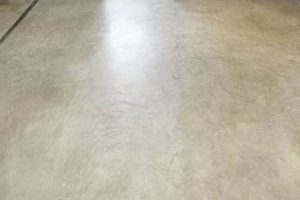
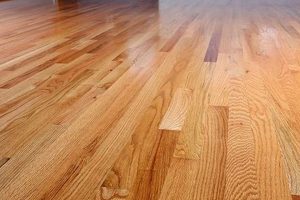
A synthetic coating applied to timber and other flooring materials, it provides a durable and protective layer. This coating is known for its resistance to abrasion, chemicals, and moisture, making it a popular choice for high-traffic areas and spaces where spills are common. As an example, it can be applied to hardwood floors in residential homes or gymnasium floors in commercial settings, extending the lifespan and enhancing the aesthetic appeal of the underlying material.
The utilization of such a coating is critical in preserving the integrity of floors, reducing maintenance requirements, and improving hygiene. Its inherent protective qualities guard against everyday wear and tear, minimizing the need for frequent repairs or replacements. Historically, the development and adoption of this type of coating represented a significant advancement in flooring technology, offering superior performance compared to traditional waxes and varnishes.
The following sections will delve into specific aspects of this protective layer, examining its various formulations, application techniques, maintenance protocols, and considerations for selecting the most appropriate product for different flooring needs.
Application and Maintenance Considerations
Optimal performance requires careful attention to preparation, application, and ongoing maintenance. Adhering to the following guidelines will maximize the lifespan and appearance of the finished floor.
Tip 1: Surface Preparation is Paramount: Ensure the floor is thoroughly cleaned, sanded, and free of any contaminants such as dust, grease, or previous coatings. Insufficient preparation can lead to poor adhesion and premature failure of the coating.
Tip 2: Follow Manufacturer’s Instructions Precisely: Adherence to the manufacturer’s recommendations regarding mixing ratios, application methods, and drying times is crucial. Deviations from these guidelines can compromise the integrity of the final product.
Tip 3: Apply Thin, Even Coats: Multiple thin coats are generally preferable to a single thick coat. Thin coats promote proper curing, reduce the risk of bubbling or wrinkling, and result in a smoother, more durable finish.
Tip 4: Control Environmental Conditions: Maintain a consistent temperature and humidity level during application and curing. Extreme temperatures or high humidity can adversely affect the curing process and impact the final finish.
Tip 5: Allow Adequate Drying Time: Ensure sufficient drying time between coats and before subjecting the floor to traffic. Premature use can damage the uncured coating and reduce its lifespan.
Tip 6: Use Appropriate Cleaning Products: Employ cleaning solutions specifically formulated for coated floors. Abrasive cleaners or harsh chemicals can damage the coating and diminish its protective properties.
Tip 7: Implement Preventative Measures: Place mats at entryways to trap dirt and debris. Use furniture pads under chair legs and other heavy objects to prevent scratches and scuffs.
Effective application and maintenance are essential for realizing the long-term benefits, ensuring protection, aesthetics, and ease of care.
The concluding section will summarize the salient points and offer insights into emerging trends in this field.
1. Durability

Durability, in the context of floor coatings, refers to the ability to withstand wear, abrasion, impact, and chemical exposure over an extended period. It is a primary consideration when selecting a floor finishing product. Superior durability translates to reduced maintenance, extended lifespan, and sustained aesthetic appeal.
- Abrasion Resistance
Abrasion resistance is a critical facet, reflecting the coating’s capacity to resist scratching and scuffing from foot traffic, furniture movement, and cleaning procedures. For example, a floor in a high-traffic commercial space requires a coating with high abrasion resistance to prevent premature wear and maintain its appearance. Lower abrasion resistance results in a dull, scratched surface necessitating frequent recoating.
- Impact Resistance
Impact resistance denotes the ability to withstand sudden force without cracking or chipping. This is particularly relevant in environments where objects may be dropped or heavy equipment is used. Consider a warehouse floor; it demands a coating with high impact resistance to prevent damage from dropped items or forklift traffic. Inadequate impact resistance leads to structural compromises and potential safety hazards.
- Chemical Resistance
Chemical resistance describes the capacity to withstand exposure to various chemicals, including cleaning agents, solvents, acids, and alkalis, without degradation or staining. Floors in laboratories or industrial settings require a coating that is resistant to a wide range of chemicals. Insufficient chemical resistance can result in discoloration, softening, or even dissolution of the coating, compromising both appearance and protection.
- Moisture Resistance
Moisture resistance is crucial in environments exposed to spills or high humidity. A durable coating prevents water penetration into the flooring material, which can lead to swelling, warping, or mold growth. Kitchen floors, for instance, benefit significantly from high moisture resistance. Inadequate moisture resistance can cause irreversible damage to the subfloor and necessitate costly repairs.
The interplay of these facets defines the overall level of protection afforded. Coatings designed for high durability generally incorporate advanced polymer technology and robust formulations to ensure long-term performance and minimal maintenance requirements. The increased resistance of urethane-based products ensures their longevity and reduced need for replacement.
2. Application

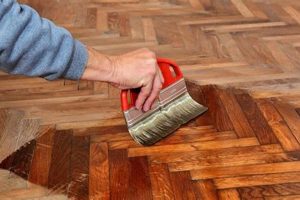
The effectiveness of urethane floor finish is intrinsically linked to its application. Proper application techniques directly influence the coating’s durability, aesthetic qualities, and long-term performance. Failure to adhere to recommended procedures can result in a compromised finish, leading to premature wear, adhesion problems, and an unsatisfactory appearance. For instance, insufficient surface preparation, such as inadequate sanding or cleaning, prevents proper bonding of the coating to the substrate, causing peeling or blistering. Similarly, incorrect mixing ratios or application thicknesses can affect the curing process, resulting in a soft, uneven finish that is susceptible to damage.
Real-world examples underscore the practical significance of this connection. Consider a gymnasium floor where a urethane coating was applied without proper attention to humidity control. The resultant finish exhibited clouding and reduced gloss due to moisture entrapment during the curing process. Conversely, a residential hardwood floor, meticulously prepared and coated with correctly applied layers of a high-quality urethane, exhibited exceptional durability and resistance to everyday wear, preserving its aesthetic appeal for years. Understanding the impact of application on the final outcome allows for informed decision-making, including the selection of qualified applicators and adherence to rigorous quality control measures.
In summary, the application process is not merely a procedural step but an integral component of achieving the desired performance characteristics. Challenges stemming from improper application can be mitigated through thorough planning, adherence to manufacturer guidelines, and the employment of skilled professionals. Recognizing the cause-and-effect relationship between application and the ultimate success of a urethane floor finish ensures that the protective and aesthetic benefits are fully realized, safeguarding the investment in the flooring material.
3. Maintenance

The longevity and visual appeal of a floor coated with synthetic urethane are directly related to the implementation of effective maintenance protocols. Consistent and appropriate maintenance preserves the protective qualities of the coating, extends its lifespan, and minimizes the need for costly repairs or replacements.
- Regular Cleaning
Regular cleaning removes dirt, dust, and debris that can abrade the surface of the coating, diminishing its gloss and protective qualities. Employing soft-bristled brooms, dust mops, or vacuum cleaners with floor-brush attachments minimizes scratching. The frequency of cleaning should correlate with traffic levels; high-traffic areas require more frequent attention to prevent the build-up of abrasive materials. Failure to perform regular cleaning leads to premature wear and dulling of the finish, necessitating more frequent recoating.
- Appropriate Cleaning Products
Utilizing cleaning solutions specifically formulated for coated floors is paramount. Abrasive cleaners, harsh chemicals, or solvents can damage or degrade the urethane coating, compromising its protective barrier. Neutral pH cleaners are generally recommended to avoid altering the chemical composition of the coating. For example, using ammonia-based cleaners on a urethane floor can cause discoloration and weakening of the finish. Adhering to the manufacturer’s recommendations regarding cleaning agents ensures the preservation of the coating’s integrity.
- Preventative Measures
Implementing preventative measures reduces the amount of dirt and debris that comes into contact with the floor. Placing mats at entryways to trap dirt, using furniture pads under chair legs, and promptly cleaning up spills minimizes wear and tear on the urethane coating. For instance, in a commercial building, placing walk-off mats at entrances significantly reduces the amount of abrasive particles tracked onto the floor, extending the coating’s lifespan and reducing the frequency of cleaning required. Neglecting preventative measures accelerates the deterioration of the coating and increases the need for maintenance interventions.
- Periodic Recoating
Even with diligent cleaning and preventative measures, the urethane coating will eventually wear down over time. Periodic recoating renews the protective layer and restores the floor’s aesthetic appeal. The frequency of recoating depends on traffic levels, the type of coating used, and the effectiveness of the maintenance protocols. A floor in a high-traffic retail environment may require recoating every one to two years, whereas a floor in a low-traffic residential setting may only need recoating every three to five years. Regular inspections help determine when recoating is necessary to prevent significant damage to the underlying flooring material.
In conclusion, a proactive and well-informed maintenance strategy is indispensable for maximizing the lifespan and preserving the visual characteristics of a floor treated with synthetic urethane. Consistent cleaning, the use of appropriate cleaning products, implementation of preventative measures, and periodic recoating contribute to the sustained integrity and aesthetic appeal of the flooring, representing a cost-effective approach to long-term floor preservation. The synergy of these practices ensures that the protective barrier remains effective, mitigating the need for expensive repairs and upholding the value of the investment in the floor finish.
4. Composition

The composition of urethane floor finish fundamentally determines its performance characteristics, including durability, flexibility, and resistance to various environmental factors. The specific types and proportions of polymers, solvents, additives, and other components directly influence its abrasion resistance, chemical resistance, and overall lifespan. For instance, a finish with a higher concentration of aliphatic isocyanates exhibits enhanced UV resistance, preventing yellowing and degradation when exposed to sunlight. Conversely, the presence of certain solvents can affect the curing rate and the level of volatile organic compounds (VOCs) released during application.
Real-world examples demonstrate the practical significance of understanding compositional variations. A water-based urethane finish, often chosen for its lower VOC content, may offer reduced durability compared to a solvent-based counterpart with a higher solids content. Similarly, a two-component system, involving the separate mixing of a resin and a hardener, allows for greater control over the curing process and the resulting film properties, leading to a more robust and chemically resistant finish. The careful selection of additives, such as defoamers and leveling agents, is also crucial for ensuring a smooth, uniform application and minimizing surface defects.
In summary, the composition of urethane floor finish is not merely a list of ingredients but a critical determinant of its ultimate performance. Informed decision-making regarding product selection requires a thorough understanding of the relationship between compositional factors and the desired functional properties. Addressing challenges related to VOC emissions and balancing environmental concerns with performance requirements necessitate ongoing research and development in the formulation of innovative and sustainable urethane floor finishes.
5. Aesthetics
Aesthetics play a pivotal role in the selection and application of urethane floor finish. Beyond mere protection and durability, the visual characteristics of the finish contribute significantly to the overall ambiance and perceived value of the space. The choice of finish directly impacts the gloss level, color enhancement, and the perceived texture of the flooring, shaping the environment.
- Gloss Level
The gloss level refers to the amount of light reflected from the floor surface, ranging from matte to high gloss. A high-gloss finish imparts a sleek, modern aesthetic, enhancing the vibrancy of colors and highlighting the smoothness of the surface. However, it also tends to accentuate imperfections and requires more frequent cleaning to maintain its shine. Matte finishes, conversely, offer a subtle, understated elegance, minimizing the visibility of scratches and dirt, making them suitable for high-traffic areas. The appropriate gloss level should be selected based on the intended use of the space and the desired visual effect.
- Color Enhancement
Urethane floor finish can enhance the natural color and grain patterns of wood flooring, adding depth and richness to its appearance. Clear finishes allow the inherent characteristics of the wood to shine through, while tinted finishes can alter the color tone, creating a custom look. The use of dyes or stains prior to applying the urethane coating allows for even greater customization, enabling the creation of a unique and personalized aesthetic. Understanding the interplay between the finish and the underlying material is crucial for achieving the desired color outcome.
- Texture and Smoothness
The application of urethane floor finish affects the texture and smoothness of the floor surface. A properly applied finish creates a smooth, even surface, enhancing the tactile experience and contributing to a sense of quality and refinement. Imperfections in the application process, such as brush marks or air bubbles, can detract from the overall aesthetic appeal. The use of self-leveling formulations and careful application techniques are essential for achieving a flawless, seamless finish.
- Clarity and Transparency
The clarity and transparency of the urethane floor finish determine how clearly the underlying flooring material is visible. A clear, transparent finish allows the natural beauty of the wood grain or other flooring materials to be fully appreciated. Yellowing or discoloration of the finish over time can diminish the aesthetic appeal, necessitating the use of UV-resistant formulations to maintain long-term clarity. The selection of high-quality materials and proper maintenance practices are essential for preserving the clarity and transparency of the finish.
In summary, the aesthetic characteristics of urethane floor finish extend beyond mere surface protection, influencing the overall perception and value of the space. The careful consideration of gloss level, color enhancement, texture, and clarity allows for the creation of a visually appealing and harmonious environment. The synergy between the finish and the underlying flooring material is paramount, requiring informed decision-making and meticulous attention to detail.
Frequently Asked Questions About Urethane Floor Finish
This section addresses common inquiries regarding urethane floor finish, offering concise and informative responses to enhance understanding.
Question 1: What is the typical lifespan of a urethane floor finish?
The lifespan of this finish is contingent upon several factors, including the quality of the product, the level of foot traffic, and the rigor of the maintenance regime. Generally, a properly applied and maintained urethane finish can last from 5 to 10 years in residential settings and 2 to 5 years in commercial environments.
Question 2: Is urethane floor finish suitable for all types of flooring?
This finish is commonly used on hardwood, engineered wood, and concrete floors. However, compatibility may vary depending on the specific type of urethane and the characteristics of the underlying material. Consulting with a flooring professional is recommended to ensure suitability.
Question 3: What are the primary advantages of urethane over other floor finishes?
Urethane offers enhanced durability, abrasion resistance, and chemical resistance compared to traditional finishes like wax or varnish. It also provides a clear, protective layer that enhances the natural beauty of the flooring material.
Question 4: What are the potential drawbacks of using a urethane floor finish?
Potential drawbacks include the need for specialized application techniques, the potential for VOC emissions during application, and the possibility of yellowing over time with certain types of urethane.
Question 5: How should a floor with a urethane finish be properly cleaned and maintained?
Regular cleaning with a pH-neutral cleaner and the avoidance of abrasive materials are essential. Promptly addressing spills and using mats at entryways also contribute to maintaining the finish’s integrity.
Question 6: Is it possible to repair a damaged urethane floor finish?
Minor scratches and scuffs can often be repaired with touch-up products or by buffing the surface. However, more extensive damage may require sanding and recoating the affected area.
In summary, urethane floor finish offers a durable and aesthetically pleasing solution for protecting and enhancing various flooring types. Understanding its characteristics and proper maintenance techniques is crucial for maximizing its benefits.
The subsequent section will explore the environmental considerations associated with urethane floor finish.
Conclusion
The preceding discussion has illuminated various facets of urethane floor finish, encompassing its benefits, application considerations, maintenance requirements, compositional aspects, and aesthetic contributions. The material’s inherent protective qualities, durability, and visual enhancement capabilities have been emphasized, along with the critical role of proper application techniques and diligent maintenance practices in ensuring optimal performance and longevity.
The selection and utilization of urethane floor finish represent a significant investment in the preservation and enhancement of flooring surfaces. Therefore, informed decision-making, adherence to industry best practices, and a commitment to ongoing care are paramount. Further advancements in material science and sustainable formulation are anticipated to yield even more durable, environmentally responsible, and aesthetically pleasing options in the future, solidifying its position as a leading choice for flooring protection and aesthetic enhancement.