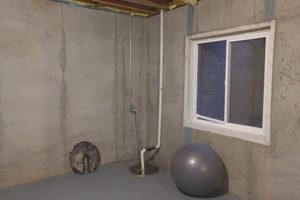
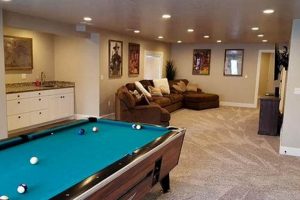
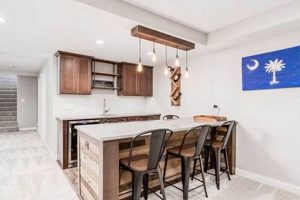
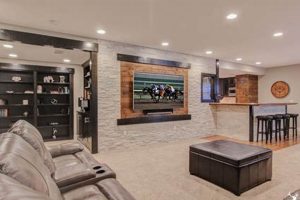
Protecting a subterranean level from water intrusion and subsequently preparing the space for use involves a multi-faceted approach. This process addresses potential sources of moisture ingress, such as hydrostatic pressure and surface runoff, followed by interior treatments to create a usable and comfortable environment. This encompasses a range of techniques and materials designed to ensure a dry and aesthetically pleasing outcome.
Effective management of moisture in below-grade areas offers significant advantages. It safeguards the structural integrity of the foundation, prevents mold growth and associated health hazards, and increases the value and livable square footage of a property. Historically, rudimentary methods were employed, but modern technologies provide more robust and durable solutions, leading to enhanced protection and long-term benefits for homeowners.
Subsequent sections will explore specific waterproofing methodologies, encompassing both interior and exterior approaches. Further discussion will detail finishing options, including framing, insulation, drywall installation, and flooring choices, ultimately transforming an unfinished space into a functional and valuable asset.
Essential Considerations
Prioritizing a dry and functional subterranean space requires careful planning and execution. The following points represent crucial factors to consider during the undertaking.
Tip 1: Foundation Assessment: A thorough inspection of the foundation walls is paramount. Existing cracks, even hairline fractures, indicate potential water entry points and require professional evaluation to determine the underlying cause and necessary repairs.
Tip 2: Exterior Grading: Proper sloping of the ground away from the foundation is essential for diverting surface water. A negative grade, where water flows toward the structure, will exacerbate moisture problems. Amend the landscaping to ensure adequate drainage.
Tip 3: Gutter and Downspout Management: Properly functioning gutters and downspouts are vital for directing rainwater away from the foundation. Regularly clean gutters and extend downspouts sufficiently far from the building to prevent water accumulation near the base.
Tip 4: Interior Drainage Systems: Interior perimeter drainage systems, often involving a French drain and sump pump, can effectively manage water that infiltrates the foundation. This system collects water and discharges it away from the building, preventing accumulation and potential flooding.
Tip 5: Vapor Barrier Installation: After addressing water intrusion, install a vapor barrier on the interior walls. This barrier prevents moisture from migrating through the concrete and into the finished space, minimizing humidity and preventing mold growth.
Tip 6: Insulation Selection: When insulating, choose closed-cell spray foam or rigid foam board. These materials are moisture-resistant and provide superior insulation compared to fiberglass batts, which can absorb moisture and lose their effectiveness.
Tip 7: Professional Consultation: Engaging experienced professionals in waterproofing and finishing is strongly recommended. Qualified contractors can assess specific site conditions, recommend appropriate solutions, and ensure proper installation, mitigating potential issues down the line.
Implementing these considerations provides a robust defense against moisture and ensures a healthy and usable environment. Each aspect contributes to the overall integrity and longevity of the finished space.
The subsequent section will delve into cost considerations, examining the factors that influence pricing and offering strategies for budget management.
1. Foundation Integrity
The structural soundness of the foundation forms the bedrock upon which any successful subterranean moisture control and finishing endeavor rests. Its condition directly influences the effectiveness of waterproofing measures and the longevity of interior improvements. Compromised structural integrity undermines even the most sophisticated protection and aesthetic treatments.
- Crack Assessment and Repair
Cracks in foundation walls provide direct pathways for water intrusion. Hairline cracks may be addressed with epoxy injections, while larger cracks require structural repair, such as underpinning or carbon fiber reinforcement. Neglecting to address cracks before applying waterproofing measures renders the treatment ineffective, as water will continue to infiltrate through the compromised structure.
- Hydrostatic Pressure Management
Hydrostatic pressure, the force exerted by groundwater against the foundation, can exacerbate existing cracks and create new ones. Effective waterproofing systems must account for this pressure, often incorporating drainage systems and durable barriers to prevent water from penetrating the foundation. Ignoring hydrostatic pressure results in continued stress on the foundation, potentially leading to structural failure.
- Soil Composition and Stability
The type of soil surrounding the foundation significantly impacts its stability and susceptibility to water damage. Expansive soils, such as clay, expand when wet and contract when dry, placing stress on the foundation walls. Proper soil stabilization and drainage are crucial for mitigating these forces. Failure to consider soil conditions can lead to foundation movement, cracking, and water infiltration.
- Foundation Material Degradation
Concrete and masonry are susceptible to degradation over time due to chemical reactions and environmental factors. Efflorescence, the white powdery deposit on concrete surfaces, indicates moisture migration and potential deterioration. Addressing the underlying cause of material degradation is essential before applying waterproofing measures. Neglecting material degradation leads to ongoing structural weakening and eventual failure.
Therefore, a comprehensive assessment of foundation integrity is a prerequisite for any subterranean undertaking. Remedial measures, such as crack repair, soil stabilization, and drainage improvements, must be implemented to ensure the long-term effectiveness of protection strategies and the structural stability of the finished space. Overlooking these critical aspects jeopardizes the entire investment and compromises the safety and usability of the space.
2. Drainage Efficiency

Drainage efficiency constitutes a critical component of effective subterranean moisture management and subsequent space preparation. The primary goal is to prevent water accumulation around the foundation, thereby reducing hydrostatic pressure and minimizing the risk of water ingress. Insufficient drainage directly correlates with elevated moisture levels, fostering conditions conducive to mold growth, structural damage, and compromised indoor air quality. Effective drainage systems act as a first line of defense, diverting water away from the foundation and mitigating potential problems before they escalate.
One common example illustrating the practical significance of adequate drainage involves homes built on sloped lots. Without properly designed drainage systems, such as French drains or swales, rainwater runoff will naturally accumulate against the foundation walls. This sustained exposure to moisture can lead to foundation cracks, water seepage, and eventual structural deterioration. Conversely, a well-engineered drainage system effectively captures and redirects the water, preventing it from reaching the foundation and preserving its integrity. This demonstrates the direct cause-and-effect relationship between drainage efficiency and long-term structural health.
In conclusion, prioritizing drainage efficiency is indispensable for safeguarding subterranean spaces. It serves as a proactive measure to mitigate water-related damage, preserving the structural integrity of the foundation and ensuring a dry, healthy, and usable environment. Inadequate drainage, on the other hand, increases the likelihood of costly repairs, health hazards, and diminished property value. The initial investment in a robust drainage system provides significant long-term benefits, far outweighing the potential consequences of neglect.
3. Material Selection

The selection of materials directly influences the success and longevity of any effort to control moisture and prepare a below-grade space. The materials used in waterproofing determine the effectiveness of the barrier against water intrusion, while the materials chosen for finishing impact the space’s resistance to moisture damage and its overall habitability. Inappropriate material choices can lead to water damage, mold growth, and compromised structural integrity, negating the benefits of even the most meticulous installation.
Consider the application of traditional fiberglass insulation in a subterranean setting. This material readily absorbs moisture, losing its insulating properties and fostering mold growth. The result is a damp, unhealthy environment with increased heating costs. Conversely, closed-cell spray foam insulation offers superior resistance to moisture, maintaining its insulating value and preventing mold. This distinction demonstrates the critical impact of material selection on the performance and health of a finished below-grade space. Similarly, the use of moisture-resistant drywall, pressure-treated lumber, and waterproof flooring are essential for mitigating moisture damage and ensuring the longevity of the finished space.
Effective material selection requires a thorough understanding of the specific conditions present in the subterranean environment, including the potential for moisture exposure, temperature fluctuations, and soil conditions. Consulting with experienced professionals and adhering to building codes are crucial for ensuring that the materials selected are appropriate for the intended application and provide the necessary protection against moisture damage. Ultimately, prioritizing material selection based on its moisture resistance and durability is a vital investment in the long-term success and value of any subterranean project.
4. Structural Support

Adequate structural support is inextricably linked to the long-term success of any below-grade protection and refinement project. Its absence or compromise can undermine even the most advanced waterproofing systems and render subsequent finishing efforts futile. The structural integrity of the foundation directly impacts its ability to resist hydrostatic pressure and prevent water ingress, while the stability of framing and other supporting elements determines the longevity and safety of the finished space.
One illustrative example of this connection involves foundation walls exhibiting signs of bowing or inward deflection. Attempting to waterproof such a structure without first addressing the underlying structural issues is imprudent. The bowing indicates a weakening of the wall’s resistance to soil pressure and water accumulation. Waterproofing measures applied to a compromised structure will likely fail over time as the wall continues to deflect, creating cracks and allowing water to penetrate. Similarly, failing to adequately support interior framing can result in sagging ceilings, uneven floors, and ultimately, structural failure. A stable and properly supported structure is essential for creating a dry and habitable below-grade environment.
In summary, addressing structural concerns before undertaking waterproofing or finishing work is a critical prerequisite. This may involve repairing cracks, reinforcing walls, stabilizing soil, or ensuring proper framing and support. Neglecting structural deficiencies not only jeopardizes the effectiveness of waterproofing measures but also compromises the safety and value of the finished space. A comprehensive assessment of structural integrity and the implementation of appropriate remedial measures are essential for achieving a successful and durable below-grade transformation.
5. Code compliance

Code compliance forms an integral layer of regulations and standards governing below-grade protection and interior refinement. Adherence to these codes ensures safety, structural integrity, and long-term durability, thereby protecting both property and occupants.
- Waterproofing Material Standards
Building codes often stipulate minimum performance standards for waterproofing materials, including their resistance to hydrostatic pressure, permeability, and durability. Failure to utilize materials meeting these standards can result in code violations, ineffective moisture control, and potential structural damage. For instance, many jurisdictions require specific types of membranes or coatings to be used on foundation walls based on local soil conditions and water table levels. These regulations aim to ensure that the chosen materials provide adequate protection against water ingress.
- Egress Requirements
When transforming a subterranean space into a habitable area, building codes mandate specific egress requirements to ensure occupant safety in the event of an emergency. This typically includes a means of escape, such as an egress window or door, that meets minimum size and accessibility standards. These requirements are designed to provide a readily available escape route in case of fire or other emergencies. Non-compliance with egress regulations can result in fines, delays, and, more importantly, compromised occupant safety.
- Ventilation Standards
Proper ventilation is crucial for maintaining indoor air quality and preventing mold growth in finished below-grade spaces. Building codes often specify minimum ventilation rates and requirements for mechanical ventilation systems. These regulations aim to ensure that the space receives adequate fresh air and that moisture is effectively removed. Failing to meet ventilation standards can lead to poor indoor air quality, increased humidity, and the proliferation of mold, posing health risks to occupants.
- Fire Safety Regulations
Fire safety regulations govern the selection of materials and construction methods used in below-grade finishing projects. These regulations aim to minimize the risk of fire spread and ensure occupant safety in the event of a fire. For example, building codes may require the use of fire-resistant drywall, smoke detectors, and fire-rated doors in finished below-grade spaces. Compliance with fire safety regulations is essential for protecting occupants and preventing property damage in the event of a fire.
The interplay between these facets underscores the importance of diligent code adherence throughout the protection and refinement process. Neglecting these standards jeopardizes the safety and well-being of occupants while potentially leading to legal repercussions and diminished property value. Therefore, a thorough understanding and strict compliance with all applicable building codes are paramount for any successful below-grade project.
6. Professional Expertise

The successful implementation of below-grade moisture control and interior refinement relies heavily on the involvement of qualified professionals. These projects often present complex challenges, demanding specialized knowledge and experience to address effectively. The expertise of seasoned contractors and engineers ensures that the chosen solutions are appropriate for the specific site conditions and that the work is executed to the highest standards. Improperly implemented solutions can lead to recurring water issues, structural damage, and costly repairs, highlighting the importance of seeking expert guidance.
For instance, accurately diagnosing the source of water intrusion often requires specialized diagnostic tools and a deep understanding of soil mechanics, hydrology, and building construction. A professional can identify subtle signs of water infiltration, assess the effectiveness of existing drainage systems, and recommend tailored solutions to address the root cause of the problem. Furthermore, professional expertise is crucial for ensuring that the work complies with all applicable building codes and regulations, avoiding potential legal and safety issues. Consider a scenario where a homeowner attempts to install an interior drainage system without proper training or knowledge of local codes. Such an undertaking could result in an ineffective system, code violations, and even structural damage to the foundation. This underscores the practical significance of entrusting the project to experienced professionals.
In conclusion, professional expertise is a critical component of successful below-grade moisture control and interior refinement. It ensures accurate diagnosis, appropriate solution selection, code compliance, and proper execution, mitigating the risk of costly failures and maximizing the long-term value of the project. While DIY approaches may seem appealing, the complexities involved often necessitate the guidance and experience of qualified professionals to achieve a durable and effective outcome.
Frequently Asked Questions About Basement Waterproofing and Finishing
The following questions address common concerns regarding below-grade moisture management and subsequent space preparation. The answers aim to provide clear and informative guidance based on industry best practices.
Question 1: What are the primary indicators that waterproofing is necessary?
Indicators include visible water intrusion, dampness, musty odors, efflorescence on walls, and the presence of mold. Structural cracks, bowing walls, and signs of water damage on interior finishes also warrant prompt assessment.
Question 2: Is exterior protection inherently superior to interior protection?
Exterior protection offers the advantage of preventing water from reaching the foundation. However, interior systems can effectively manage water ingress when exterior solutions are impractical or cost-prohibitive. The optimal approach depends on site-specific conditions and budget constraints.
Question 3: What role does grading play in moisture control?
Proper grading, with a slope directing water away from the foundation, is crucial for diverting surface runoff. Negative grading, where the ground slopes towards the foundation, exacerbates moisture problems and necessitates remedial action.
Question 4: What are the most common mistakes to avoid during finishing?
Common mistakes include using moisture-sensitive materials, neglecting vapor barriers, failing to address foundation cracks, and ignoring code compliance. Professional consultation is advisable to mitigate these risks.
Question 5: How does hydrostatic pressure impact the effectiveness of protection systems?
Hydrostatic pressure, exerted by groundwater against the foundation, can compromise waterproofing measures. Effective systems must account for this pressure, incorporating drainage and robust barriers to prevent water penetration.
Question 6: What is the typical lifespan of a professionally installed protection system?
The lifespan varies depending on the system type, installation quality, and environmental factors. However, professionally installed systems, with proper maintenance, can provide protection for several decades.
The information provided offers a foundational understanding of key considerations. Seeking professional advice is essential for addressing specific site conditions and ensuring optimal results.
The subsequent section will provide a conclusion to this article.
Basement Waterproofing and Finishing
This exploration has underscored the multifaceted nature of effective basement waterproofing and finishing. From addressing foundational integrity to implementing robust drainage systems and selecting appropriate materials, each element plays a crucial role in creating a dry, safe, and habitable below-grade space. The importance of structural support, code compliance, and, most significantly, professional expertise has been consistently emphasized. Neglecting any of these factors can compromise the entire project, leading to recurring problems and diminished property value.
The long-term benefits of prioritizing meticulous planning and execution in basement waterproofing and finishing extend far beyond mere aesthetics. It is an investment in the structural integrity of the property, the health and well-being of its occupants, and the overall value of the asset. Therefore, property owners should approach these projects with a thorough understanding of the complexities involved and a commitment to employing best practices to ensure a successful and enduring outcome.