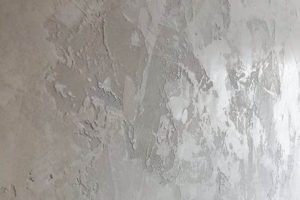
This cladding system, applied to the outside of buildings, provides insulation and a finished surface in an integrated composite material. It typically consists of an insulation board attached to the substrate, a reinforced base coat, and a textured finish coat. An example includes its use on commercial buildings to achieve a specific aesthetic while enhancing energy efficiency.
Its adoption stems from a desire for energy conservation, design flexibility, and cost-effectiveness in construction. Benefits include improved thermal performance, reducing heating and cooling costs. Its adaptability allows for various architectural styles and intricate detailing, contributing to enhanced curb appeal. The history of such systems reveals a continuous evolution towards improved durability and weather resistance.
The subsequent sections will delve into the different types, application processes, performance characteristics, maintenance requirements, and considerations for selecting the optimal system for a given project. These aspects are critical for ensuring longevity and satisfaction with this type of exterior cladding.
Essential Considerations for Durable Cladding Systems
The following guidelines offer critical insights for ensuring long-term performance and satisfaction with this specific type of exterior cladding on building projects.
Tip 1: Substrate Preparation is Paramount: Proper cleaning and surface preparation of the substrate are non-negotiable. Inadequate preparation can lead to adhesion failures, compromising the system’s integrity. For example, existing coatings must be removed to ensure direct bonding to the structural surface.
Tip 2: Employ Qualified Installers: The complexity of the system demands skilled application. Verify installer certification and experience to guarantee proper installation techniques, including precise application of the base coat and reinforcement mesh.
Tip 3: Consider Climate-Specific Formulations: The selected system should be appropriate for the prevailing climate conditions. In regions with high humidity or extreme temperature fluctuations, modified formulations with enhanced moisture resistance and flexibility may be necessary.
Tip 4: Prioritize Proper Detailing: Attention to detail around windows, doors, and other penetrations is crucial for preventing water intrusion. Employ appropriate flashing and sealants to create a watertight barrier.
Tip 5: Regular Inspection and Maintenance: Periodic inspections can identify potential issues early, preventing costly repairs. Address any cracks or damage promptly to maintain the system’s protective capabilities and aesthetic appeal.
Tip 6: Select Compatible Components: All components of the systeminsulation board, base coat, reinforcement mesh, and finish coatmust be compatible. Using incompatible materials can result in delamination, cracking, or other performance problems.
Tip 7: Consult Manufacturer Guidelines: Adherence to the manufacturer’s specifications is essential. Deviating from the recommended installation procedures or product usage can void warranties and compromise the system’s performance.
Implementing these considerations during the selection and installation phases will significantly enhance the longevity, durability, and overall performance of the installed cladding, minimizing future maintenance requirements and maximizing the return on investment.
The subsequent sections will delve into specific product types and advanced application techniques to further optimize the use of these building systems.
1. Insulation Performance

The insulation performance of exterior insulation and finish systems (EIFS) represents a critical factor in building envelope design and overall energy efficiency. Its presence directly impacts a structure’s capacity to regulate temperature, mitigating heat transfer during both heating and cooling seasons. This feature is not merely an added benefit but a core component of the system’s design, intended to contribute substantially to a building’s thermal resistance. An example is its application in commercial buildings, where it provides continuous insulation across the entire exterior, minimizing thermal bridging commonly found in other cladding systems. This unbroken insulation layer significantly reduces energy consumption and associated costs.
The effectiveness of its performance is determined by several factors, including the type and thickness of the insulation board used, the installation quality, and the climate zone in which the building is located. Polystyrene-based insulation boards, typically expanded polystyrene (EPS) or extruded polystyrene (XPS), are common choices, each possessing unique thermal properties. Proper installation, adhering to manufacturer specifications, is paramount to ensure the insulation layer functions as intended, without gaps or compromises in the thermal barrier. Failure to meet these standards can negate the system’s insulating capabilities. Moreover, real-world applications demonstrate that buildings utilizing these systems often exhibit significantly lower energy bills compared to those with conventional cladding.
In conclusion, the insulation performance achieved by employing exterior insulation and finish systems directly influences a building’s energy footprint and operational expenses. Its proper specification, installation, and maintenance are essential to realize the full potential of this thermal-insulating exterior system. Challenges remain in ensuring consistent installation quality across diverse construction projects, highlighting the need for rigorous training and quality control. Recognizing its importance underscores a commitment to sustainable building practices and long-term cost savings.
2. Design Versatility

The inherent adaptability of exterior insulation and finish systems significantly contributes to their appeal in modern construction. This cladding system readily accommodates a wide range of architectural styles and design preferences, a capability stemming from the malleable nature of its constituent materials and application process. Unlike pre-fabricated cladding panels, the system allows for intricate detailing, custom textures, and a virtually unlimited palette of colors. This provides architects and designers with substantial freedom to realize their creative visions. Its versatility reduces design constraints frequently encountered with other exterior materials.
The ability to mimic the appearance of traditional materials, such as stucco, brick, or stone, further underscores its design adaptability. This is achieved through specialized finish coats and techniques that replicate the textures and aesthetics of these materials, often at a lower cost and with improved insulation performance. For instance, a commercial building might employ this cladding system finished to resemble brick, providing a classic appearance while simultaneously benefiting from the energy-saving properties of continuous exterior insulation. Its capacity to be molded into various shapes and contours also enables the creation of unique architectural features, enhancing the building’s visual interest.
Ultimately, the design versatility offered by this system positions it as a valuable tool for achieving both aesthetic and functional objectives in building design. While challenges related to precise application and color consistency remain, the flexibility it provides makes it a compelling choice for projects seeking a balance between visual appeal, energy efficiency, and cost-effectiveness. The capacity to adapt to diverse design requirements ensures its continued relevance in contemporary architecture.
3. Installation Expertise
Installation expertise forms a cornerstone in the successful application and long-term performance of exterior insulation and finish systems. The system’s intricate composition and layered structure necessitate a high degree of skill and precision during the installation process to ensure optimal functionality and durability. Improper installation can compromise the system’s intended benefits, leading to premature failure and costly repairs.
- Substrate Preparation Competence
Accurate substrate preparation constitutes the first critical step. This involves cleaning, leveling, and priming the underlying surface to provide a stable and suitable base for the system. Inadequate preparation, such as neglecting to address surface irregularities or failing to apply a proper primer, can result in adhesion failures and compromised insulation performance. Examples include blistering or delamination of the system due to moisture trapped between the layers.
- Adhesive and Fastener Proficiency
The proper application of adhesives and mechanical fasteners is essential for securing the insulation board to the substrate. Utilizing the correct type and quantity of adhesive, as specified by the manufacturer, is crucial for achieving a strong and lasting bond. Similarly, the correct placement and type of fasteners are necessary to provide additional support, particularly in areas subject to high wind loads or seismic activity. Improperly applied adhesives or insufficient fastening can lead to insulation board detachment and system failure.
- Reinforcement Mesh Embedding Precision
Embedding the reinforcement mesh within the base coat with precision is vital for providing structural integrity and resistance to cracking. The mesh must be fully encapsulated within the base coat to prevent it from becoming exposed and vulnerable to damage. Insufficient embedding or improper overlap of the mesh can compromise the system’s ability to withstand stress and impact, leading to cracks and water intrusion.
- Finish Coat Application Mastery
The application of the finish coat requires a skilled hand to achieve a uniform texture and consistent color. Variations in application technique can result in uneven finishes, detracting from the system’s aesthetic appeal. Furthermore, improper application can affect the system’s ability to resist water and UV damage, accelerating its degradation. Experienced applicators possess the knowledge and skill to achieve a high-quality finish that enhances both the appearance and performance of the system.
The facets discussed underscore that the successful deployment of exterior insulation and finish systems extends beyond material selection. It emphasizes the significance of specialized training and proficient application practices. Ensuring that installers possess the requisite expertise is paramount for realizing the system’s intended benefits and safeguarding the long-term integrity of the building envelope. The complexities in installation highlight the importance of hiring qualified professionals to prevent potentially significant problems later.
4. Weather Resistance

Weather resistance constitutes a primary performance characteristic of exterior insulation and finish systems (EIFS). The ability of the system to withstand various environmental conditions directly impacts its longevity, aesthetic appeal, and protective function within the building envelope. Effective weather resistance prevents water intrusion, minimizes thermal stress, and preserves the system’s structural integrity.
- Moisture Resistance
The system’s composition is designed to minimize water absorption and penetration. A properly installed system incorporates a water-resistive barrier and a finish coat that repels moisture. Persistent water intrusion can lead to insulation degradation, substrate damage, and mold growth, compromising the system’s structural integrity and potentially affecting indoor air quality. Examples include coastal buildings subject to frequent rain and humidity, where water resistance is particularly critical.
- Ultraviolet (UV) Radiation Protection
The finish coat contains pigments and additives that provide protection against UV radiation. Prolonged exposure to UV rays can cause fading, chalking, and degradation of the finish coat, diminishing its aesthetic appeal and protective properties. The UV resistance of the finish coat is essential for maintaining the system’s color and structural integrity over time. Regions with high levels of solar radiation, such as desert climates, necessitate finish coats with enhanced UV protection.
- Thermal Expansion and Contraction Management
The system’s design accounts for thermal expansion and contraction caused by temperature fluctuations. The system’s components are engineered to accommodate these movements without cracking or delamination. Extreme temperature variations can induce stress within the system, potentially leading to failures if not properly managed. Buildings in climates with significant temperature swings require systems with high flexibility and elasticity.
- Impact Resistance
While not directly related to weathering, impact resistance contributes to the system’s overall durability in harsh conditions. The system incorporates a reinforced base coat that provides resistance to impact from hail, debris, and other environmental factors. Damage from impacts can compromise the system’s water resistance and aesthetic appearance. Areas prone to hailstorms or high winds necessitate systems with enhanced impact resistance.
The aforementioned characteristics illustrate the interconnectedness between weather resistance and system performance. Addressing each facet ensures the longevity and effectiveness of the system in protecting the building envelope from the elements. Continuous innovation in materials and application techniques aims to further enhance these protective attributes, solidifying the system as a robust and reliable exterior cladding solution. Careful material selection and proper installation techniques are crucial for ensuring optimal weather resistance and long-term performance.
5. Maintenance Requirements

The maintenance requirements associated with exterior insulation and finish systems are integral to preserving their aesthetic appeal, structural integrity, and long-term performance. Neglecting proper maintenance can lead to premature degradation, diminishing the system’s intended benefits and potentially necessitating costly repairs.
- Inspection Frequency
Regular inspections, ideally conducted annually or biannually, are essential for identifying potential issues early. These inspections should focus on detecting cracks, discoloration, delamination, or other signs of damage. Early detection allows for prompt intervention, preventing minor problems from escalating into significant structural concerns. Examples include checking for hairline cracks around windows or at corners, which can be entry points for moisture.
- Cleaning Protocols
Periodic cleaning is necessary to remove dirt, algae, and other surface contaminants that can detract from the system’s appearance and potentially compromise its protective properties. Mild detergents and low-pressure washing techniques are generally recommended to avoid damaging the finish coat. Abrasive cleaners or high-pressure washing can erode the surface, leading to color fading or texture damage. The specific cleaning protocols should align with the manufacturer’s guidelines to maintain warranty compliance.
- Crack Repair Procedures
Addressing cracks promptly is crucial for preventing water intrusion and further deterioration. Small cracks can often be repaired using elastomeric sealants designed for exterior use. Larger cracks may require more extensive repairs, involving the removal of damaged material and the application of a patching compound followed by a finish coat. The repair process should be performed by qualified professionals to ensure proper adhesion and a seamless finish.
- Recoating Considerations
Over time, the finish coat may exhibit fading, chalking, or other signs of wear, necessitating a recoating. Recoating not only restores the system’s aesthetic appeal but also provides an additional layer of protection against the elements. The selection of a compatible finish coat is essential to ensure proper adhesion and prevent delamination. The recoating process should be performed by experienced applicators to achieve a uniform and durable finish.
The maintenance procedures outlined above represent proactive measures to extend the lifespan and maximize the value of exterior insulation and finish systems. A consistent and diligent maintenance regimen preserves the system’s performance, aesthetic qualities, and protection of the building from weather. Neglecting maintenance can lead to a cascade of issues that significantly reduce the system’s lifespan and increase long-term costs.
6. System Compatibility

System compatibility, within the context of exterior insulation and finish systems, denotes the harmonious interaction of all constituent components. This interaction directly influences the overall performance, durability, and longevity of the installed cladding. Each layer, from the adhesive securing the insulation board to the substrate to the final protective finish coat, must be chemically and physically compatible to prevent premature degradation. Using incompatible materials can initiate a cascade of failures, undermining the system’s intended functionality. One observed result of incompatibility is delamination, where layers separate due to differential expansion and contraction rates or adhesive incompatibility. This compromises the system’s water resistance and insulation performance.
The selection process is critical to ensure component compatibility. Manufacturers typically offer integrated systems, pre-engineered and tested to function cohesively. Deviating from these specified systems by substituting components from different manufacturers introduces risk. For instance, using a finish coat with a different coefficient of thermal expansion than the base coat can lead to cracking and subsequent water intrusion. Furthermore, the substrate preparation materials, such as primers, must be compatible with the adhesive used to attach the insulation board. A practical example is ensuring that the primer does not create a barrier that prevents proper bonding between the substrate and the insulation adhesive. This level of adherence significantly contributes to the overall durability of the application.
In summary, system compatibility represents a non-negotiable aspect of ensuring successful and enduring application of cladding. Failure to adhere to compatibility guidelines introduces significant risks, compromising the system’s weather resistance, insulation performance, and aesthetic appearance. Therefore, strict adherence to manufacturer specifications and the use of integrated systems are paramount. Prioritizing compatibility during selection and installation mitigates long-term maintenance costs and ensures the system performs as intended throughout its service life, underlining its practical importance.
Frequently Asked Questions
The subsequent questions address common inquiries and concerns regarding the application, performance, and maintenance of these building systems.
Question 1: What is the typical lifespan of an Exterior Insulation and Finish System?
The lifespan varies depending on factors such as climate, installation quality, and maintenance practices. A properly installed and maintained system can last for several decades. Regular inspections and prompt repairs are crucial for maximizing its longevity.
Question 2: Are Exterior Insulation and Finish Systems susceptible to moisture damage?
While the system is designed to resist moisture penetration, improper installation or damage can compromise its water resistance. Properly installed systems include a water-resistive barrier and are detailed to prevent water intrusion around penetrations. Regular inspections and prompt repairs are essential for preventing moisture-related problems.
Question 3: Can Exterior Insulation and Finish Systems be applied to any type of building?
The system can be applied to various building types, including residential, commercial, and institutional structures. However, the substrate must be structurally sound and properly prepared to ensure adequate adhesion. Consulting with a qualified professional is recommended to determine the suitability of the system for a specific building.
Question 4: What are the energy efficiency benefits of using Exterior Insulation and Finish Systems?
The system provides continuous insulation, minimizing thermal bridging and reducing energy consumption. This can result in significant savings on heating and cooling costs. The insulation’s effectiveness depends on factors such as the insulation type and thickness, as well as the climate.
Question 5: How do the initial costs compare with traditional cladding materials?
The initial costs can be comparable to or slightly higher than those of some traditional cladding materials. However, the long-term benefits, such as energy savings and reduced maintenance, can offset the initial investment. Life-cycle cost analysis is recommended to evaluate the overall economic advantages.
Question 6: What maintenance is required?
Maintenance includes periodic cleaning to remove dirt and algae, regular inspections to identify damage, and prompt repairs of any cracks or delamination. Recoating may be necessary after several years to restore the finish and provide additional protection. Following the manufacturer’s recommendations is essential for proper maintenance.
These frequently asked questions provide foundational insight into the use and care. Understanding these elements enables stakeholders to make informed decisions and ensure proper performance.
The subsequent section will provide case studies illustrating successful applications of these systems in diverse building projects.
EIFS Exterior Finishes
This exploration has underscored multiple facets of the usage, highlighting the relevance of insulation performance, design versatility, installation expertise, weather resistance, maintenance demands, and system component compatibility. A comprehensive understanding of these elements is crucial to leveraging the full potential and mitigating potential shortcomings associated with its deployment.
The informed application of these systems, guided by rigorous standards and continuous technological advancement, remains vital. Continued research and diligent implementation are essential for ensuring these systems contribute substantively to sustainable and resilient building practices. Further consideration of life-cycle analysis is required to ensure both short-term and long-term cost-effectiveness when deploying these materials.