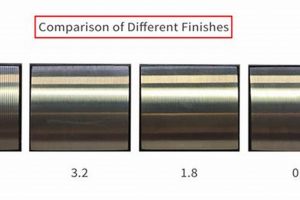
A durable, clear coating, this product is widely employed to protect and enhance wood surfaces, providing a subtle sheen rather than a high gloss. Its application on furniture, cabinetry, and flooring offers a protective layer against scratches, water damage, and general wear. The resulting surface possesses a smooth, low-luster appearance, prized for its ability to mask imperfections and provide a contemporary aesthetic.
Its significance lies in its combination of protective qualities and aesthetic versatility. Historically, varnishes and lacquers were used for similar purposes, but advancements in polymer chemistry have led to the development of this more resilient and user-friendly alternative. The benefits include increased resistance to abrasion and chemicals, ease of application, and a finish that does not exhibit excessive reflectivity, contributing to a more comfortable and visually appealing environment. This type of coating allows for a balance between protection and visual appeal, making it a preferred choice for a variety of applications.
The subsequent sections will delve into specific aspects such as application techniques, surface preparation, appropriate safety measures, and comparative analysis with other types of finishes, providing a thorough understanding of its practical use and advantages in various scenarios. Furthermore, it will also explore the maintenance and troubleshooting aspects related to its usage, offering a complete guide for both novice and experienced users.
Tips for Achieving Optimal Results
The following guidelines are designed to assist in achieving a professional and long-lasting application. Adherence to these recommendations will contribute to a superior finish and prolonged durability of the coated surface.
Tip 1: Surface Preparation is Paramount: Prior to application, ensure the substrate is clean, dry, and free of contaminants such as dust, grease, or existing coatings. Sanding to an appropriate grit level is essential for proper adhesion. Failure to adequately prepare the surface will result in poor adhesion and a compromised final product.
Tip 2: Temperature and Humidity Control: Application should occur within the temperature and humidity ranges specified by the manufacturer. Extreme temperatures or high humidity can negatively impact drying time and the curing process, leading to clouding or other imperfections in the finish.
Tip 3: Thin, Even Coats are Superior: Apply multiple thin coats rather than a single thick coat. This technique promotes even drying, minimizes the risk of runs or sags, and allows for optimal build-up of the protective layer. Follow the manufacturer’s recommendations regarding recoating intervals.
Tip 4: Proper Application Technique: Employ a high-quality brush, roller, or sprayer designed for use with solvent-based coatings. Maintain a consistent application speed and overlap each stroke slightly to avoid streaks or uneven coverage. Proper technique ensures uniform distribution of the coating.
Tip 5: Adequate Ventilation is Mandatory: Ensure adequate ventilation during application and drying to prevent the accumulation of flammable vapors and to promote proper curing. Work in a well-ventilated area or utilize appropriate respiratory protection.
Tip 6: Light Sanding Between Coats: After each coat has dried completely, lightly sand the surface with fine-grit sandpaper (e.g., 320-400 grit) to remove any imperfections or nibs. This step enhances the smoothness of the subsequent coat and contributes to a professional-looking finish.
Tip 7: Follow Manufacturer’s Instructions: Always refer to and adhere to the manufacturer’s specifications for mixing, application, drying times, and cleanup. Deviating from these instructions may compromise the integrity and appearance of the finish.
By implementing these recommendations, users can maximize the protective and aesthetic qualities, ensuring a durable and visually appealing surface. Diligence in following these steps will result in a superior outcome and a lasting investment in the coated item.
The subsequent sections will address common issues, maintenance practices, and comparisons to alternative finishing options, providing a comprehensive understanding of this versatile coating solution.
1. Durability and Protection
The inherent value of a coating lies in its ability to safeguard the underlying material from environmental and physical stressors. This coating’s formulation is specifically engineered to impart a robust barrier against abrasion, impact, moisture, and chemical exposure. The degree of protection directly correlates with the coating’s ability to maintain the integrity of the substrate, extending its lifespan and preserving its aesthetic qualities. For instance, a wooden tabletop coated with this product will withstand the rigors of daily use, resisting scratches from utensils, spills from beverages, and the gradual degradation caused by exposure to ultraviolet radiation. This protection minimizes the need for frequent repairs or replacements, representing a tangible economic benefit.
The correlation between the chemical composition and physical characteristics of this product underscores its protective capabilities. The cross-linking of polymer chains during the curing process creates a dense, resilient film. This film acts as a sacrificial layer, absorbing the impact of minor abrasions and deflecting liquids before they can penetrate the substrate. Furthermore, the resistance to chemical solvents and household cleaners prevents discoloration, etching, or softening of the finish. Consider the practical application on hardwood floors. Regular foot traffic, pet activity, and accidental spills pose significant threats to the wood’s surface. A coating of this kind effectively mitigates these threats, maintaining the floor’s original luster and preventing irreversible damage.
In summary, the durability offered by this finish is a direct consequence of its chemical composition and physical properties, providing a tangible and verifiable benefit through extended material lifespan and reduced maintenance requirements. This combination of factors establishes its value as a protective solution for a wide range of applications, ensuring the preservation of both aesthetic appeal and structural integrity. Understanding this connection allows for informed decision-making when selecting appropriate finishing solutions, optimizing for longevity and cost-effectiveness.
2. Low-Luster Sheen

The aesthetic characteristic of low-luster sheen is a significant attribute when considering polyurethane as a finishing agent. It represents a deliberate choice to minimize light reflection, offering a visual alternative to high-gloss or matte surfaces. This quality influences not only the appearance of the coated object but also its perceived texture and overall ambiance.
- Reduced Glare and Reflection
The primary function of a low-luster sheen is to diffuse light, thereby reducing glare and reflection. This is particularly advantageous in environments with abundant natural or artificial light, as it prevents distracting reflections and enhances visual comfort. In contrast to high-gloss finishes that can amplify light and create harsh reflections, a low-luster option offers a softer, more subdued appearance. This is frequently observed in residential settings where minimizing glare on floors or furniture contributes to a more relaxed atmosphere.
- Hiding Imperfections
Low-luster sheens are adept at concealing surface imperfections. The reduced light reflection inherent in the finish effectively masks minor scratches, dents, or unevenness in the substrate. This characteristic makes it a pragmatic choice for surfaces that are prone to wear and tear or possess inherent irregularities. For instance, on wooden cabinetry or trim, it can minimize the visibility of grain variations or small blemishes, resulting in a more uniform and aesthetically pleasing appearance.
- Enhanced Texture Perception
The subdued reflectivity of a low-luster finish tends to accentuate the texture of the underlying material. By minimizing glare, it allows the eye to focus on the tactile qualities of the surface. This is particularly desirable when the material possesses a unique or interesting texture that one wishes to highlight. For example, on textured wood or embossed surfaces, a low-luster finish can enhance the depth and dimensionality of the design, adding visual interest without overwhelming the overall aesthetic.
- Contemporary Aesthetic
Low-luster sheens often align with contemporary design sensibilities. Their understated elegance and refined appearance are well-suited to minimalist and modern interiors. This contrasts with the more traditional or formal look associated with high-gloss finishes. The subtle sheen of a polyurethane-coated surface can complement clean lines, neutral color palettes, and natural materials, contributing to a cohesive and sophisticated design scheme. This aesthetic preference is evident in modern furniture design, where low-luster finishes are frequently employed to create a sense of understated luxury.
In summation, the selection of a low-luster sheen for surfaces coated with polyurethane represents a deliberate choice to prioritize visual comfort, conceal imperfections, enhance texture, and achieve a contemporary aesthetic. These interconnected attributes underscore the functional and aesthetic value of this finish option, contributing to its widespread adoption in diverse applications. The decision to opt for reduced reflectivity is often driven by a desire to create a space that is both visually appealing and functionally comfortable, reflecting a broader trend towards understated elegance in design.
3. Application Techniques

The successful implementation of a polyurethane satin finish is inextricably linked to the chosen application techniques. The method of application directly influences the uniformity, smoothness, and durability of the resulting surface. Improper techniques can lead to a variety of undesirable outcomes, including streaking, bubbling, uneven film thickness, and compromised adhesion. The type of applicator used, the consistency of the applied material, and the environmental conditions all contribute to the final quality of the finish. Therefore, a thorough understanding and meticulous execution of appropriate application techniques are paramount to achieving the desired aesthetic and protective qualities associated with a polyurethane satin finish. For example, using an inappropriate brush can result in brush marks that detract from the satin appearance, negating the intended subtle sheen.
Three primary application methods exist: brushing, rolling, and spraying. Brushing is often employed for smaller projects or intricate details, requiring careful attention to brush stroke overlap and minimizing brush marks. Rolling is suitable for larger, flat surfaces, demanding a high-quality roller cover to ensure even distribution and prevent air entrapment. Spraying, whether using compressed air or airless equipment, offers the potential for the most uniform and consistent finish, but necessitates specialized equipment, skill, and environmental control to minimize overspray and ensure proper atomization. The viscosity of the polyurethane, adjusted through thinning if necessary, is also critical and varies depending on the application method. A viscosity too high can cause uneven application, while one that is too low may lead to runs and sags. For instance, spraying typically requires a lower viscosity than brushing to achieve optimal atomization and flow. Proper surface preparation, including sanding and cleaning, is always a prerequisite, regardless of the chosen application method, as contaminants can compromise adhesion and create surface imperfections.
In conclusion, the choice of application technique is a critical determinant of the final quality and performance of a polyurethane satin finish. Mastering these techniques, coupled with meticulous surface preparation and environmental control, is essential for achieving a professional-grade result. Challenges such as achieving consistent film thickness and minimizing imperfections can be mitigated through proper training, the use of high-quality equipment and materials, and a thorough understanding of the factors that influence the application process. The successful application of a polyurethane satin finish contributes to the overall value and longevity of the coated surface, aligning directly with the intended purpose of protecting and enhancing its appearance.
4. Surface Preparation
Surface preparation constitutes a foundational element in achieving a successful and durable polyurethane satin finish. Its importance cannot be overstated, as the quality of the preparation directly influences the adhesion, appearance, and longevity of the applied coating. Neglecting proper preparation will invariably lead to premature failure of the finish, resulting in increased maintenance costs and diminished aesthetic appeal.
- Removal of Contaminants
The presence of contaminants, such as dust, grease, wax, or existing coatings, inhibits proper bonding between the polyurethane and the substrate. These contaminants create a barrier that prevents the polyurethane from adhering effectively, leading to peeling, blistering, or cracking. For example, applying polyurethane over a greasy surface will result in the finish detaching from the substrate within a relatively short period. Effective removal of these contaminants, through methods such as cleaning with appropriate solvents or sanding, is therefore crucial for ensuring a secure and lasting bond.
- Achieving Proper Surface Profile
Surface profile refers to the texture of the substrate, which influences the mechanical adhesion of the polyurethane. A smooth, glossy surface provides minimal surface area for the polyurethane to grip, whereas a slightly roughened surface offers increased surface area and improved mechanical interlocking. Sanding the substrate with appropriate grit sandpaper creates this necessary profile, promoting a stronger bond. The specific grit used will depend on the substrate material and the existing surface condition; however, the goal is to create a surface that is neither too smooth nor excessively rough. For instance, when refinishing furniture, sanding with 220-grit sandpaper after stripping the old finish provides an ideal surface profile for polyurethane application.
- Moisture Content Control
The moisture content of the substrate, particularly wood, plays a significant role in the performance of polyurethane coatings. Excess moisture within the substrate can lead to expansion and contraction, which stresses the polyurethane film and causes it to crack or delaminate. Polyurethane is not a breathable coating, so moisture trapped beneath the surface cannot escape. Therefore, ensuring that the substrate is properly dried to an appropriate moisture content level before applying the finish is critical. The specific moisture content threshold varies depending on the wood species and the intended application environment, but generally, it should be below a certain percentage as determined by a moisture meter. For example, wood intended for interior use should typically have a moisture content between 6% and 8% before being finished.
- Repairing Surface Defects
Existing surface defects, such as dents, scratches, or gouges, will be accentuated by the application of polyurethane if not properly addressed beforehand. These imperfections create unevenness in the finish, detracting from the desired satin appearance. Filling these defects with appropriate wood fillers or patching compounds, followed by sanding to create a smooth, level surface, is essential for achieving a professional-looking finish. Failing to address these defects will result in a final product that is visually flawed and potentially structurally compromised. As an illustration, filling and sanding a deep scratch on a wooden door before applying the finish will result in a seamless and aesthetically pleasing surface.
The interconnectedness of these preparation facets underscores the holistic nature of achieving a successful polyurethane satin finish. Proper contaminant removal, surface profiling, moisture control, and defect repair are not isolated steps but rather integral components of a comprehensive preparation process. The diligence and thoroughness applied during this phase directly correlate with the ultimate quality, durability, and longevity of the finished product, justifying the investment of time and resources into meticulous surface preparation.
5. Maintenance Needs

The longevity and aesthetic appeal of a surface finished with polyurethane satin are inextricably linked to adherence to appropriate maintenance protocols. Consistent and proper care sustains the protective properties of the coating and preserves the intended subtle sheen. Neglecting these needs can lead to degradation of the finish, necessitating costly repairs or premature replacement.
- Regular Cleaning
Dust and debris accumulation can abrade the surface over time, diminishing the satin sheen and potentially scratching the finish. Routine cleaning with a soft cloth or microfiber mop is essential to remove these particulate materials. Harsh cleaning agents, abrasive pads, or scouring powders should be avoided as they can damage the polyurethane layer. A mild soap solution diluted in water is generally sufficient for removing dirt and grime without compromising the finish’s integrity. Consistent cleaning prevents the buildup of stubborn stains and preserves the aesthetic qualities of the coated surface.
- Spot Treatment of Spills
Prompt attention to spills is crucial to prevent staining or damage to the polyurethane finish. Liquids, particularly acidic or colored substances, can penetrate the coating if left unattended for extended periods. Immediately blotting spills with a clean, absorbent cloth minimizes the risk of permanent stains or etching. For stubborn residue, a slightly dampened cloth with mild soap can be used, followed by thorough drying. Ignoring spills can result in unsightly marks that detract from the appearance and compromise the protective barrier.
- Protection from Direct Sunlight
Prolonged exposure to direct sunlight can cause the polyurethane finish to fade or yellow over time, particularly in lighter shades. Ultraviolet (UV) radiation degrades the polymers in the coating, leading to discoloration and reduced elasticity. Employing window coverings, such as blinds or curtains, or applying UV-resistant window film can mitigate the harmful effects of sunlight. Positioning furniture away from direct sunlight also helps to prolong the life and appearance of the finish. Disregarding this precaution can necessitate premature refinishing or replacement.
- Periodic Reapplication
While polyurethane satin offers a durable protective layer, it is not impervious to wear. Over time, the finish can become scratched or worn, diminishing its protective properties and aesthetic appeal. Periodic reapplication of a fresh coat of polyurethane is necessary to maintain the surface’s integrity. The frequency of reapplication depends on the level of traffic and the severity of use, but generally, every few years is recommended. Lightly sanding the existing finish to create a suitable bonding surface before applying the new coat ensures proper adhesion and a seamless appearance.
These maintenance facets are interconnected and collectively contribute to the long-term performance and visual appeal of surfaces coated with polyurethane satin. Consistent adherence to these protocols not only preserves the initial investment but also extends the lifespan of the treated item, reducing the need for costly repairs or replacements. Integrating these practices into a regular routine ensures the sustained benefits of this finish, maintaining its protective qualities and aesthetic characteristics for years to come.
Frequently Asked Questions
This section addresses common inquiries regarding polyurethane satin finishes, providing concise and factual answers to aid in informed decision-making.
Question 1: What distinguishes a polyurethane satin finish from other sheen levels?
The primary distinction lies in the degree of light reflectivity. A satin finish exhibits a lower sheen compared to gloss or semi-gloss finishes, providing a more subdued and less reflective surface. This characteristic makes it suitable for applications where a subtle, non-glare appearance is desired.
Question 2: Is a polyurethane satin finish appropriate for high-traffic areas?
Polyurethane, regardless of sheen level, offers a durable and protective coating suitable for areas with moderate to high traffic. However, higher traffic areas may benefit from multiple coats or periodic reapplication to maintain the finish’s integrity.
Question 3: Can polyurethane satin finish be applied over existing finishes?
Application over existing finishes requires careful surface preparation. The existing finish must be thoroughly cleaned, sanded, and compatible with polyurethane. Testing in an inconspicuous area is recommended to ensure proper adhesion and prevent adverse reactions.
Question 4: What are the typical drying times for a polyurethane satin finish?
Drying times vary depending on factors such as humidity, temperature, and the specific product formulation. Generally, a polyurethane satin finish requires several hours to dry to the touch and 24 hours or more to fully cure. Manufacturer’s instructions should be consulted for precise drying time recommendations.
Question 5: What cleaning agents are safe to use on a polyurethane satin finish?
Mild, non-abrasive cleaning agents are recommended. Harsh chemicals, solvents, and abrasive cleaners can damage the finish. A solution of mild soap and water is typically sufficient for routine cleaning. Testing any cleaning agent in an inconspicuous area is advisable.
Question 6: Does a polyurethane satin finish offer UV protection?
Some polyurethane formulations contain UV inhibitors to provide protection against sunlight damage. However, not all products offer this feature. Examining the product label for UV protection claims is essential, particularly for surfaces exposed to direct sunlight.
Understanding these key aspects aids in the successful selection, application, and maintenance of polyurethane satin finishes. Proper adherence to recommended practices ensures optimal performance and longevity.
The subsequent section provides a comparative analysis of polyurethane satin finishes with alternative coating options.
Polyurethane Satin Finish
This exploration has illuminated the multifaceted aspects of polyurethane satin finish, emphasizing its protective capabilities, aesthetic properties, and application considerations. Its durability and subtle sheen render it a versatile option for a diverse range of surfaces. Meticulous surface preparation, proper application techniques, and consistent maintenance are critical factors that determine the ultimate success and longevity of the finish. Addressing common inquiries and comparing it with alternative coatings provides a comprehensive understanding of its advantages and limitations.
The informed application of polyurethane satin finish, guided by the principles outlined herein, contributes to the preservation and enhancement of valuable materials. Continued advancements in polymer technology promise to further refine its performance characteristics, ensuring its continued relevance in both residential and commercial applications. A commitment to best practices will maximize the benefits and realize the full potential of this widely employed coating.


![Best Coating: Finish Thompson Pumps - [Longevity Tips] | Best Final Touch: Elevate Your Projects with Professional Finishing](https://bestfinaltouch.com/wp-content/uploads/2026/05/th-238-300x200.jpg "Best Coating: Finish Thompson Pumps - [Longevity Tips] Best Final Touch: Elevate Your Projects with Professional Finishing")