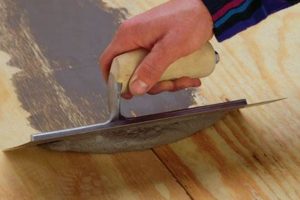
Decorative techniques applied to cabinet surfaces to mimic the appearance of other materials, such as wood grain, marble, or aged textures, create visually interesting and unique cabinet designs. These specialized treatments offer an alternative to solid colors or natural finishes. An example might include a kitchen featuring cabinets treated to resemble distressed leather or antique wood.
The application of these artistic treatments to cabinetry allows for customization beyond standard options, enabling the achievement of specific aesthetic goals and integration with diverse interior design styles. This approach to cabinet finishing provides a cost-effective method for achieving the look of high-end materials, enhances the visual appeal of a space, and can significantly impact the overall perceived value of a room. Historically, these techniques have been used to elevate the visual impact of surfaces, providing an alternative to more expensive or less readily available materials.
The subsequent sections will delve into various methodologies used to achieve these cabinet finishes, including specific techniques, materials involved, preparation requirements, and considerations for maintenance and longevity. Further exploration will also encompass the diverse range of visual effects achievable and their applications within varied interior design contexts.
Guidance for Decorative Cabinet Treatments
The following guidelines offer practical advice for achieving optimal results when implementing decorative treatments on cabinet surfaces. These recommendations focus on technique, materials, and long-term preservation.
Tip 1: Surface Preparation is Paramount: Prior to the application of any decorative treatment, thorough cleaning, sanding, and priming are essential. A smooth, clean surface ensures proper adhesion and a uniform final appearance. Any existing finishes must be removed completely.
Tip 2: Select Appropriate Materials: The choice of paints, glazes, and sealers should be based on the desired effect and the cabinet material. Oil-based products offer greater durability in high-use areas like kitchens, while water-based options provide easier cleanup and lower VOC emissions.
Tip 3: Practice Techniques Before Application: Before applying a decorative finish to the cabinets themselves, practice on sample boards or scrap materials. This allows for refinement of technique and assessment of the visual impact of different color combinations and application methods.
Tip 4: Layer Finishes for Depth: Consider applying multiple layers of paint, glaze, or stain to create depth and visual interest. Each layer should be allowed to dry completely before the next is applied. This builds a richer, more complex final appearance.
Tip 5: Use Appropriate Tools: The selection of brushes, rollers, and sponges should be based on the specific technique being employed. Specialized tools, such as graining combs or stippling brushes, can significantly enhance the final effect.
Tip 6: Apply a Protective Topcoat: Once the decorative treatment is complete, apply a durable topcoat to protect the finish from wear, moisture, and cleaning chemicals. Polyurethane or varnish coatings are suitable options for high-use areas.
Tip 7: Maintain Consistent Environmental Conditions: Temperature and humidity levels can affect the drying time and adhesion of finishes. Work in a well-ventilated area with consistent environmental conditions to ensure optimal results.
In summary, successful decorative cabinet treatments rely on meticulous preparation, careful material selection, practiced technique, and a durable protective finish. Adhering to these guidelines will contribute to aesthetically pleasing and long-lasting results.
The following sections will provide a comprehensive overview of specific decorative finish styles and their application to enhance the visual appeal of cabinetry.
1. Technique Complexity

The complexity of techniques employed in decorative cabinet treatments directly influences the final aesthetic outcome, cost, and longevity of the finish. The skills required for these techniques vary significantly, affecting project suitability and the potential for achieving desired visual effects.
- Glazing and Layering
Glazing and layering involve the application of translucent coatings over a base coat to create depth and dimension. This technique requires precision and an understanding of color theory to achieve subtle variations and realistic effects. Inadequate glazing can result in a muddy or artificial appearance. Conversely, expertly applied glazes can mimic the look of aged wood or antique finishes with remarkable accuracy.
- Wood Graining Simulation
The simulation of wood grain patterns requires specialized tools and a high degree of artistic skill. This technique replicates the natural appearance of wood on surfaces that may not possess genuine wood grain. Improper execution can lead to unrealistic or repetitive patterns, detracting from the overall aesthetic. Successful simulation, however, provides the visual appeal of expensive wood finishes at a lower cost.
- Distressing and Antiquing
Distressing and antiquing techniques aim to create the appearance of age and wear on cabinet surfaces. This involves the strategic removal or alteration of the finish to expose underlying layers. A lack of control in this process can result in excessive or uneven distressing, diminishing the aesthetic appeal. Conversely, well-executed distressing adds character and a sense of history to the cabinetry.
- Multi-Step Applications
Some decorative cabinet treatments require a series of steps, including priming, base coating, texturing, glazing, and sealing. Each step contributes to the final appearance and requires specific skills and materials. Improper execution of any single step can compromise the entire finish, leading to premature failure or an undesirable aesthetic. Successful multi-step applications yield complex and durable finishes with enhanced visual depth.
The mastery of these complex techniques significantly impacts the success of decorative cabinet treatments. While simpler techniques may be suitable for DIY projects, more elaborate finishes often necessitate professional expertise to ensure a high-quality and lasting result. The investment in skilled labor is frequently justified by the enhanced aesthetic value and durability of the finished cabinets.
2. Material Selection

Material selection directly dictates the aesthetic outcome, durability, and longevity of decorative cabinet treatments. The effectiveness of a faux finish is inextricably linked to the properties of the materials employed, impacting both the visual realism and the resistance to wear and tear. For instance, utilizing high-quality acrylic paints with UV inhibitors for a wood grain effect on kitchen cabinets offers superior fade resistance compared to lower-grade alternatives. Similarly, the choice between oil-based and water-based glazes affects the depth and richness of the simulated wood or antique look. The substrate material itself, whether wood, MDF, or laminate, also influences the adhesion and overall success of the faux finish application. Examples include applying a chalk paint base to laminate cabinets to provide a textured surface for subsequent layers or the selection of a specific wood species with pronounced grain to enhance the realism of an antiqued effect.
The selection of primers, sealers, and topcoats is equally crucial. Primers prepare the surface for optimal paint adhesion, preventing peeling or bubbling. Sealers prevent moisture penetration, particularly important in kitchens and bathrooms, while topcoats provide a protective layer against scratches, stains, and UV damage. The compatibility of these materials is paramount. Using incompatible products can result in finish failures, such as cracking or delamination. Practical application of this understanding involves conducting thorough research on product specifications, considering the specific demands of the environment where the cabinets will be located, and performing sample tests to verify compatibility and desired aesthetic results. The choice of brushes, rollers, and specialized tools also affects the texture and uniformity of the finish.
In conclusion, material selection represents a critical component of achieving successful and enduring decorative cabinet treatments. Careful consideration of paint types, glazes, sealers, primers, and application tools is essential. Overlooking this aspect can compromise the visual appeal and structural integrity of the finish. Understanding the interplay between materials and techniques empowers informed decision-making, minimizing the risk of costly rework or premature deterioration. Addressing challenges like compatibility issues and environmental factors ensures a long-lasting, visually pleasing outcome, contributing to the overall aesthetic and functional value of the cabinetry.
3. Surface Preparation

Surface preparation constitutes a foundational element in achieving successful decorative cabinet finishes. Adherence to proper preparatory procedures directly influences the adhesion, durability, and aesthetic quality of subsequent decorative layers. Failure to adequately prepare the surface compromises the integrity of the entire finishing system, potentially leading to premature failure and an unsatisfactory visual outcome.
- Cleaning and Degreasing
Removal of contaminants, such as grease, dirt, and existing coatings, is paramount. Residual contaminants impede proper adhesion of primers and subsequent paint layers. For instance, kitchen cabinets often accumulate grease and food residue, requiring the application of degreasers or solvents to ensure a clean substrate. Inadequate cleaning leads to adhesion failures, manifesting as peeling or blistering of the faux finish.
- Sanding and Profiling
Sanding creates a mechanical key for primer adhesion and smooths imperfections in the substrate. The appropriate grit sandpaper selection depends on the existing surface condition and material. For example, glossy laminate cabinets require coarser grit sanding to create a profile for primer adhesion, while wood cabinets may only require light sanding to remove surface irregularities. Insufficient sanding results in poor adhesion and an uneven faux finish appearance.
- Priming and Sealing
Priming provides a uniform base for subsequent paint layers, ensuring consistent color and adhesion. Primer selection is crucial based on the substrate material and the desired faux finish effect. For instance, stain-blocking primers are essential for wood cabinets to prevent tannin bleed-through, which can discolor the finish. The application of a suitable primer enhances the durability and longevity of the decorative cabinet treatment.
- Repairing Imperfections
Addressing surface defects, such as cracks, dents, or scratches, is essential prior to applying any decorative finish. Filling these imperfections with appropriate fillers or wood putty creates a smooth and uniform surface. Failure to repair imperfections results in an uneven and unprofessional appearance of the faux finish.
The collective impact of these preparatory steps directly determines the success of decorative cabinet treatments. Diligence in surface preparation ensures that the chosen aesthetic can be effectively realized and sustained over time. Neglecting this aspect invariably compromises the quality and durability of the final result.
4. Durability considerations
The longevity and sustained aesthetic appeal of decorative cabinet finishes hinge directly on durability considerations. These treatments, designed to mimic the appearance of other materials or create unique visual effects, are subject to wear and tear from daily use, environmental factors, and cleaning practices. The selection of materials, application techniques, and protective coatings directly influence the resistance of the finish to chipping, scratching, fading, and moisture damage. For example, a water-based glaze applied to kitchen cabinets without a robust polyurethane topcoat will exhibit significantly lower resistance to spills and cleaning agents compared to a solvent-based system with multiple protective layers. Similarly, faux finishes applied to bathroom vanities require heightened resistance to humidity and temperature fluctuations to prevent blistering or delamination. The initial investment in decorative cabinet treatments is intrinsically linked to their ability to withstand these stresses, thereby justifying the importance of robust durability considerations in the planning and execution phases.
Practical application of durability considerations involves a meticulous evaluation of the cabinet’s intended environment and the associated stress factors. Kitchen cabinets necessitate resistance to grease, food stains, and frequent cleaning. Bathroom cabinets require protection against moisture and chemical exposure from personal care products. The choice of durable materials, such as epoxy-based paints or UV-resistant sealants, mitigates the risk of premature degradation. Application techniques, such as proper surface preparation and multiple thin coats, enhance the adhesion and resilience of the finish. The implementation of these techniques, however, requires specialized expertise and an understanding of material compatibility. For instance, applying an incompatible topcoat over a faux finish can lead to cracking, peeling, or discoloration. Adherence to manufacturer guidelines and best practices is paramount in achieving optimal durability.
In summary, durability considerations represent a critical component of successful decorative cabinet finishes. Neglecting these factors compromises the longevity and aesthetic appeal of the treatment, leading to costly repairs or replacements. Careful material selection, application techniques, and protective coatings enhance resistance to wear and tear, ensuring that the faux finish maintains its intended appearance over time. Addressing these challenges requires a comprehensive understanding of material properties, application procedures, and environmental factors. The practical significance of integrating durability considerations into the planning and execution phases lies in maximizing the return on investment and ensuring the long-term satisfaction with the decorative cabinet treatment.
5. Cost Implications

The implementation of decorative cabinet finishes carries distinct cost implications compared to standard cabinet finishing methods. Initial material costs for faux finishes are generally higher due to the specialized paints, glazes, tools, and protective coatings required to achieve the desired aesthetic. The labor component also contributes significantly, as faux finishing often necessitates skilled artisans or experienced painters capable of executing intricate techniques. For instance, simulating a realistic wood grain effect on laminate cabinets demands specialized brushes, stencils, and layering techniques, increasing both material and labor expenses. In contrast, a simple solid color paint job requires less skilled labor and fewer specialized materials, thereby reducing the overall cost. The selection of a more complex faux finish, such as a multi-layered antiqued treatment, further escalates costs due to the increased time and expertise involved.
The long-term cost implications of decorative cabinet treatments extend beyond the initial investment. While durable finishes can offer extended lifespans, the maintenance and repair requirements may differ from those of standard finishes. A faux finish may require specialized cleaning products or touch-up techniques to preserve its aesthetic integrity. Furthermore, significant damage to a faux finish may necessitate complete refinishing, potentially incurring substantial costs. Practical considerations include evaluating the cost-benefit ratio of a faux finish versus solid color alternatives, obtaining multiple quotes from qualified professionals, and factoring in potential maintenance expenses. Cost analysis should also consider the potential for increased home value resulting from the application of high-quality decorative cabinet treatments.
In summary, the cost implications of decorative cabinet finishes are multifaceted, encompassing material expenses, labor costs, maintenance requirements, and potential long-term repairs. A comprehensive understanding of these factors is essential for making informed decisions and managing budgetary expectations. Balancing aesthetic desires with practical cost considerations ensures that the chosen cabinet finish provides both visual appeal and long-term value. Failure to accurately assess cost implications can result in unexpected expenses and dissatisfaction with the final outcome. By carefully evaluating these factors, homeowners can maximize the return on their investment in decorative cabinet treatments.
6. Design Versatility
Design versatility, in the context of decorative cabinet finishes, refers to the capacity to adapt and integrate cabinet aesthetics within diverse interior design schemes. This adaptability stems from the extensive range of techniques and materials available, allowing for the creation of custom finishes that complement or enhance existing architectural styles and dcor.
- Adaptation to Architectural Styles
Decorative techniques permit the tailoring of cabinet finishes to align with specific architectural periods or styles. For example, applying an aged or distressed finish to cabinets in a farmhouse-style kitchen reinforces the rustic aesthetic, while a high-gloss, metallic finish can integrate seamlessly with a contemporary or Art Deco-inspired design. The ability to emulate diverse materials, such as wood grains or stone textures, further expands design possibilities, enabling cabinets to harmonize with existing architectural elements.
- Custom Color Palette Integration
The application of decorative finishes allows for the creation of custom color palettes that complement or contrast with existing room dcor. Unlike pre-fabricated cabinets with limited color options, these techniques enable the precise matching of cabinet colors to wall paints, fabrics, or accent pieces. This customization extends to the creation of multi-tonal finishes, ombre effects, or the incorporation of metallic accents, providing designers with extensive control over the overall aesthetic.
- Material Emulation and Substitution
Decorative treatments facilitate the emulation of expensive or rare materials on cabinet surfaces, offering a cost-effective alternative to solid wood or natural stone. For instance, a faux marble finish can replicate the luxurious appearance of marble countertops on less costly cabinet doors, while a simulated wood grain can transform MDF cabinets into visually indistinguishable replicas of solid wood constructions. This material substitution extends design possibilities by enabling the incorporation of textures and patterns that would otherwise be prohibitively expensive.
- Integration with Interior Design Themes
These finishes enable the integration of cabinetry with specific interior design themes, such as coastal, industrial, or minimalist aesthetics. Applying a whitewashed or distressed finish to cabinets in a coastal-themed kitchen reinforces the relaxed, beach-inspired atmosphere. In contrast, an industrial-style design can be enhanced with cabinet finishes that mimic the appearance of weathered metal or concrete. This thematic integration creates a cohesive and visually appealing interior space.
In conclusion, the design versatility inherent in decorative cabinet treatments allows for the customization and adaptation of cabinet aesthetics to a wide range of architectural styles, color palettes, material preferences, and interior design themes. This adaptability empowers designers and homeowners to create unique and visually harmonious spaces, seamlessly integrating cabinets into the overall aesthetic vision. The extensive range of techniques and materials available ensures that decorative finishes remain a valuable tool for achieving diverse design goals.
7. Application Expertise
The successful execution of decorative cabinet finishes relies heavily on the application expertise of the individuals performing the work. This expertise encompasses a comprehensive understanding of materials, techniques, and best practices necessary to achieve a durable and aesthetically pleasing result. The absence of adequate skill and knowledge can lead to substandard outcomes, compromising both the visual appeal and the longevity of the finish.
- Surface Preparation Mastery
Effective surface preparation is paramount for achieving optimal adhesion and a uniform finish. This necessitates expertise in cleaning, sanding, and priming techniques tailored to diverse cabinet materials, such as wood, laminate, or MDF. Mastery extends to identifying and rectifying surface imperfections, ensuring a smooth and even base for subsequent decorative layers. Failure to properly prepare the surface results in adhesion failures, uneven textures, and a compromised final appearance.
- Material Compatibility Knowledge
Decorative cabinet finishes often involve the layering of different materials, including primers, paints, glazes, and topcoats. Application expertise includes a thorough understanding of material compatibility to prevent adverse reactions, such as cracking, peeling, or discoloration. Knowledge encompasses the selection of appropriate products based on the substrate material, desired finish effect, and environmental conditions. The incorrect selection or application of incompatible materials can lead to premature failure and costly rework.
- Technical Proficiency in Application Methods
The application of decorative finishes requires proficiency in a variety of techniques, including brushing, rolling, spraying, and specialized methods for creating textures, patterns, and simulated effects. Application expertise includes the ability to control paint flow, achieve uniform coverage, and create desired visual effects with precision. The lack of technical proficiency can result in uneven finishes, brush marks, drips, and an overall unprofessional appearance.
- Problem-Solving and Adaptability Skills
During the application process, unforeseen challenges may arise, such as variations in material properties, unexpected reactions, or environmental factors. Application expertise includes the ability to diagnose problems, identify effective solutions, and adapt techniques to overcome obstacles. This adaptability is crucial for achieving consistent results and maintaining project timelines. The absence of problem-solving skills can lead to delays, cost overruns, and a compromised final outcome.
In conclusion, application expertise is an indispensable component of successful decorative cabinet finishes. Mastery of surface preparation, material compatibility, application methods, and problem-solving skills directly impacts the quality, durability, and aesthetic appeal of the final product. Investment in skilled labor and ongoing training is essential for achieving optimal results and maximizing the value of decorative cabinet treatments.
Frequently Asked Questions
The following addresses common inquiries and misconceptions regarding decorative treatments for cabinetry, providing clarity and factual information.
Question 1: What is the typical lifespan of faux finish cabinets?
The lifespan varies depending on factors such as material quality, application technique, and environmental conditions. High-quality materials and professional application, coupled with proper maintenance, can extend the lifespan to 10-15 years or more. Conversely, substandard materials or improper application can result in premature wear and a significantly shorter lifespan.
Question 2: Are decorative cabinet finishes suitable for high-humidity environments?
Suitability for high-humidity environments depends on the materials used and the application of appropriate protective coatings. Moisture-resistant primers, paints, and sealants are essential for preventing damage such as blistering, peeling, or warping. Regular maintenance and prompt attention to any signs of moisture intrusion are crucial for preserving the finish in humid conditions.
Question 3: Can faux finishes be applied to existing cabinets?
Yes, faux finishes can be applied to existing cabinets, provided that the surface is properly prepared. Thorough cleaning, sanding, and priming are necessary to ensure proper adhesion and a uniform finish. The type of existing finish and the substrate material will influence the specific preparation steps required.
Question 4: What are the most common types of damage to faux finish cabinets?
Common types of damage include chipping, scratching, fading, and water damage. Chipping and scratching can result from impact or abrasion, while fading can occur due to prolonged exposure to sunlight. Water damage can result from spills, leaks, or high humidity, leading to blistering, peeling, or warping.
Question 5: Is it possible to repair damaged areas of a faux finish?
Minor damage, such as small scratches or chips, can often be repaired with touch-up paints or specialized repair kits. However, more extensive damage may require professional refinishing. The complexity of the repair will depend on the nature and extent of the damage, as well as the specific faux finish technique employed.
Question 6: How does the cost of faux finishing compare to replacing cabinets?
Faux finishing is generally less expensive than replacing cabinets, particularly if the existing cabinet structure is in good condition. However, the cost will vary depending on the complexity of the desired finish, the size of the project, and the labor rates of the professional performing the work. Obtaining multiple quotes from qualified professionals is recommended to assess cost-effectiveness.
In summary, decorative cabinet treatments offer an alternative to complete cabinet replacement. Attention to detail regarding materials, application, and maintenance is key for longevity.
The next section will address appropriate maintenance practices for decorative cabinet finishes.
Conclusion
The preceding discourse has explored the various facets of faux finish cabinets, encompassing techniques, materials, surface preparation, durability, cost implications, design versatility, and application expertise. A consistent emphasis has been placed on the importance of meticulous planning, material selection, and skilled execution in achieving aesthetically pleasing and long-lasting results. The complex interplay between these elements underscores the necessity for a comprehensive understanding of the processes involved in this specific form of decorative cabinet finishing.
The successful implementation of faux finish cabinets requires a commitment to quality and a thorough consideration of the factors outlined. The information presented is intended to serve as a resource for informed decision-making, ensuring that choices regarding cabinet finishing align with aesthetic goals, budgetary constraints, and long-term performance expectations. Further research and consultation with qualified professionals are recommended for those considering the adoption of these specialized techniques.