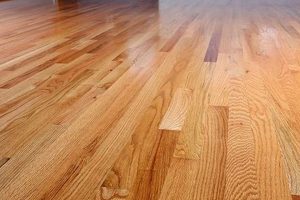
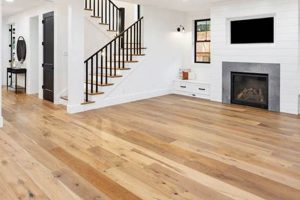
Flooring characterized by a smooth, low-gloss surface represents a popular choice for both residential and commercial environments. The subtle sheen offers a middle ground between high-gloss and matte options, providing a visually appealing surface that reflects light without being overly reflective. For example, hardwood treated in this manner exhibits a soft, elegant luster, enhancing the natural grain of the wood.
The appeal of this type of flooring lies in its ability to mask imperfections and minimize the appearance of scratches and dents, contributing to its longevity and ease of maintenance. Historically, lower-sheen floors have been favored in areas with high foot traffic due to their practical benefits. The understated elegance complements a variety of interior design styles, from traditional to contemporary, adding value and aesthetic appeal to the space.
The subsequent sections will delve into the specific benefits of choosing this type of flooring, examining its durability, maintenance requirements, and suitability for different room types. Furthermore, it will explore the various materials that are commonly available with this surface treatment, and considerations for installation and long-term care.
Selecting and Maintaining Low-Gloss Flooring
Considerations for optimal selection and maintenance of this flooring type are critical for ensuring longevity and aesthetic appeal. Adhering to these guidelines can mitigate potential issues and maximize the investment.
Tip 1: Evaluate Light Exposure: Prior to installation, assess the amount of natural light in the space. While a subtle sheen is generally forgiving, excessive sunlight may still highlight imperfections over time. Consider window treatments to moderate light levels.
Tip 2: Choose the Appropriate Material: Several materials can be finished with a low-gloss surface, including hardwood, laminate, and engineered wood. Select a material that aligns with the room’s usage and potential exposure to moisture. Hardwood, while elegant, requires greater protection in damp environments compared to laminate options.
Tip 3: Prepare the Subfloor Thoroughly: Proper subfloor preparation is paramount for any flooring installation, but it is especially critical with this type. Ensure the subfloor is level, clean, and dry to prevent unevenness or premature wear.
Tip 4: Utilize Recommended Cleaning Products: Avoid harsh chemicals or abrasive cleaners that can damage the finish and reduce its luster. Opt for cleaning solutions specifically formulated for the flooring material in question.
Tip 5: Employ Preventative Measures: Place mats at entryways to trap dirt and debris. Use furniture pads under heavy objects to prevent scratches and dents. Regular sweeping or vacuuming is essential for maintaining a clean surface.
Tip 6: Consider Professional Installation: While DIY installation is possible, professional installation guarantees proper fitting and adherence to manufacturer guidelines, which can be important for warranty coverage.
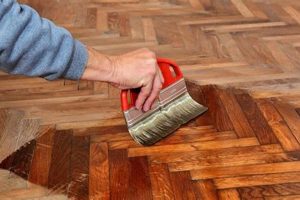
Tip 7: Refinish When Necessary: Depending on usage and material, a flooring with a low-gloss surface may require refinishing after several years. This process restores the original luster and addresses any accumulated damage.
By following these tips, individuals can ensure the long-term beauty and performance of their flooring with a subtle sheen. Careful selection, proper installation, and consistent maintenance are key to maximizing the benefits and minimizing potential issues.
The subsequent section will address the various types of low-gloss flooring materials available and their suitability for different applications.
1. Durability

Durability represents a primary concern in flooring selection. The inherent wear resistance of a floor surface significantly impacts its longevity and overall value. Floor types with a smooth, low-gloss surface present unique considerations related to their capacity to withstand daily use and environmental factors.
- Scratch Resistance
The smooth, low-gloss surface often exhibits improved scratch resistance compared to high-gloss alternatives. The reduced sheen minimizes the visibility of minor abrasions, contributing to a sustained appearance of quality. This is crucial in high-traffic areas or homes with pets.
- Impact Resistance
While the finish itself doesn’t inherently alter impact resistance, the underlying material dictates this characteristic. Hardwood, engineered wood, or laminate, each finished with a smooth, low-gloss surface, will respond differently to dropped objects or heavy furniture. Thicker and denser materials provide greater protection against dents and indentations.
- Moisture Resistance
The level of protection against moisture intrusion is primarily dependent on the flooring material, not the satin finish itself. However, a well-maintained finish provides a barrier, slowing down the absorption of spills and reducing the risk of water damage. Proper sealing and prompt cleanup are vital for mitigating moisture-related issues.
- UV Resistance
Extended exposure to ultraviolet radiation can cause fading or discoloration in some flooring materials. While the satin finish doesn’t inherently block UV rays, certain coatings contain UV inhibitors that help protect the flooring from sun damage. The degree of UV resistance depends on the specific product and its formulation.
Ultimately, the durability of flooring with a smooth, low-gloss surface stems from a combination of the finish properties and the characteristics of the underlying material. Careful consideration of these factors is essential for selecting a floor that will withstand the rigors of daily life and maintain its aesthetic appeal over time.
2. Maintenance

The maintenance of flooring with a smooth, low-gloss surface warrants careful consideration. The ease and frequency of upkeep directly impact the long-term appearance and lifespan of the floor, making it a critical factor in flooring selection.
- Cleaning Frequency
The frequency of cleaning this flooring type is generally moderate. The smooth surface resists dirt accumulation, but regular sweeping or vacuuming remains necessary to remove loose debris. Spills should be addressed promptly to prevent staining or water damage. Unlike high-gloss floors that readily show smudges and footprints, low-gloss surfaces conceal minor imperfections, reducing the need for constant cleaning.
- Cleaning Products
The appropriate cleaning products are crucial to maintaining the finish integrity. Harsh chemicals or abrasive cleaners can damage the surface, dulling the sheen and potentially causing discoloration. Manufacturers typically recommend specific cleaning solutions designed for the flooring material. Neutral pH cleaners are often preferred to avoid stripping the protective layer or leaving a residue. Understanding the manufacturer’s recommendations is key to selecting the correct cleaning agents.
- Scratch and Dent Repair
While the subtle sheen helps to mask minor scratches, deeper scratches or dents may require repair. Depending on the material, this could involve using a touch-up kit, applying a specialized filler, or even refinishing the affected area. Preventative measures, such as furniture pads and area rugs, are essential for minimizing the risk of damage that necessitates repair. Regular inspection helps identify issues early, preventing them from escalating into larger, more costly repairs.
- Refinishing Requirements
Over time, even with diligent maintenance, the smooth, low-gloss surface may show signs of wear and tear. Refinishing becomes necessary to restore the original luster and protect the underlying material. The frequency of refinishing depends on factors such as traffic volume, material type, and the quality of the original finish. Proper maintenance and preventative care can significantly extend the time between refinishing cycles, maximizing the floor’s lifespan and minimizing long-term costs.
Understanding the specific maintenance requirements associated with flooring featuring a smooth, low-gloss surface is essential for making an informed decision. The appropriate cleaning routine, product selection, and preventative measures will help ensure the floor remains aesthetically pleasing and structurally sound for years to come. Furthermore, recognizing the potential need for refinishing and planning accordingly contributes to responsible flooring ownership.
3. Light Reflection

Light reflection plays a pivotal role in determining the aesthetic and functional characteristics of flooring, particularly surfaces characterized by a smooth, low-gloss surface. The manner in which light interacts with such surfaces influences perceived brightness, visibility of imperfections, and overall ambiance within a space. Therefore, a thorough understanding of light reflection is essential when evaluating the suitability of these floor types for diverse applications.
- Specular Reflection
Specular reflection, often associated with high-gloss finishes, involves light bouncing off the surface at an angle equal to the angle of incidence. Flooring with a subtle sheen minimizes specular reflection, thereby reducing glare and harshness. This characteristic is advantageous in areas with ample natural light, as it prevents the creation of distracting or uncomfortable reflections. Examples include living rooms or offices where excessive glare can impede visual comfort and productivity.
- Diffuse Reflection
Diffuse reflection occurs when light scatters in multiple directions upon impacting a surface. Floor surfaces with a smooth, low-gloss surface exhibit a greater degree of diffuse reflection compared to high-gloss alternatives. This scattering of light creates a softer, more uniform illumination, enhancing the perceived warmth and spaciousness of a room. In contrast to the sharp, directional reflection of high-gloss floors, the diffuse reflection of a satin finish contributes to a more visually comfortable environment.
- Hiding Imperfections
The degree of light reflection directly impacts the visibility of surface imperfections. High-gloss floors tend to accentuate scratches, dust, and other blemishes due to their highly reflective nature. Flooring with a subtle sheen, however, effectively masks these imperfections by scattering light and reducing the intensity of specular reflection. This property makes it a practical choice for high-traffic areas or homes with pets, where the floor is more susceptible to wear and tear.
- Color Perception
Light reflection also influences the perception of color in flooring materials. High-gloss finishes can alter the apparent color due to the intense reflection of light, sometimes washing out the true hue. Floor surfaces with a smooth, low-gloss surface allow for a more accurate representation of the material’s color, as the light is diffused rather than reflected directly. This characteristic is particularly important when selecting flooring to complement existing decor, as it ensures a consistent and predictable color scheme.
In summary, the relationship between light reflection and floor surfaces with a smooth, low-gloss surface is multifaceted. The balance between specular and diffuse reflection, the ability to conceal imperfections, and the accurate representation of color all contribute to the aesthetic appeal and functional suitability of this flooring type. Careful consideration of these factors is essential when choosing flooring to achieve the desired ambiance and performance characteristics in a given space.
4. Slip Resistance
Slip resistance represents a critical safety consideration in flooring selection, particularly in areas prone to moisture or spills. The surface texture and finish significantly influence a floor’s ability to provide adequate traction, reducing the risk of slips and falls. The relationship between flooring with a smooth, low-gloss surface and slip resistance is multifaceted, demanding careful evaluation to ensure occupant safety.
- Coefficient of Friction (COF)
The coefficient of friction (COF) is a key metric used to quantify slip resistance. A higher COF indicates greater frictional force, making the surface less slippery. Flooring materials are tested to determine their static and dynamic COF. While smooth surfaces generally have lower COF values than textured surfaces, the specific material and any applied coatings significantly impact this value. For example, some treatments applied to flooring with a subtle sheen enhance COF, making it suitable for areas requiring increased slip resistance. Compliance with relevant safety standards (e.g., ANSI A137.1) ensures the flooring meets minimum slip resistance requirements.
- Surface Texture and Micro-Roughness
Even surfaces that appear smooth possess microscopic irregularities that contribute to slip resistance. These micro-textures create friction by interlocking with shoe soles. The subtle texture inherent in some types of flooring with a smooth, low-gloss surface, even if imperceptible to the naked eye, can provide sufficient grip to minimize slippage. Conversely, a highly polished surface, despite having a smooth sheen, might lack the necessary micro-roughness and pose a slip hazard. Surface treatments or additives can be used to enhance micro-roughness without compromising the desired aesthetic.
- Environmental Factors: Moisture and Contaminants
The presence of moisture, spills, or contaminants drastically reduces slip resistance on any flooring surface. Water acts as a lubricant, diminishing friction between the shoe and the floor. Flooring with a smooth, low-gloss surface, like any smooth material, can become slippery when wet. Strategies to mitigate this risk include implementing absorbent mats near entrances, promptly cleaning spills, and using cleaning products that do not leave a slippery residue. In environments with high moisture exposure, selecting materials inherently more slip-resistant or applying anti-slip treatments is essential.
- Maintenance Practices
Maintenance procedures directly impact slip resistance. Improper cleaning practices, such as using excessive amounts of soap or cleaners that leave a residue, can create a slippery film on the floor. Selecting appropriate cleaning products and following recommended cleaning protocols are crucial. Regular maintenance helps preserve the intended slip resistance of the flooring, preventing the build-up of contaminants that compromise safety. Furthermore, periodic inspections can identify areas where slip resistance is reduced, allowing for timely corrective action.
The inherent characteristics of flooring with a smooth, low-gloss surface do not automatically equate to inadequate slip resistance. Careful selection of materials, consideration of environmental factors, implementation of appropriate maintenance practices, and potentially the application of anti-slip treatments are necessary to ensure a safe walking surface. Prioritizing slip resistance is crucial, particularly in areas with high foot traffic or increased risk of moisture, to mitigate the potential for slips and falls.
5. Installation Cost

The installation cost associated with flooring featuring a smooth, low-gloss surface is a significant component of the total expenditure and merits careful consideration. Several factors contribute to the overall expense, including the chosen material (hardwood, engineered wood, laminate, etc.), the complexity of the installation process, the condition of the subfloor, and regional labor rates. For instance, the installation of solid hardwood flooring typically involves a more intricate process compared to laminate, often resulting in higher labor costs. Irregularities in the subfloor may necessitate additional preparation, further increasing expenses. Understanding these variables is crucial for accurate budget planning.
The economic impact of installation costs is amplified by the long-term implications for the flooring’s performance and longevity. Improper installation can lead to issues such as uneven surfaces, squeaking, and premature wear, necessitating costly repairs or replacement. Opting for professional installation, while potentially incurring a higher initial cost, can mitigate these risks and ensure the flooring’s adherence to manufacturer specifications. A real-world example involves a homeowner who chose to self-install laminate flooring, only to discover significant subfloor imperfections after completion, resulting in extensive remedial work and increased expenses. Therefore, weighing the immediate cost savings against the potential long-term consequences is essential.
In conclusion, the installation cost represents a substantial element in the overall investment for flooring with a smooth, low-gloss surface. Variations in material, installation complexity, subfloor condition, and labor rates influence the final expense. While cost-saving measures may seem appealing, prioritizing proper installation and addressing potential issues proactively is crucial for maximizing the flooring’s durability, aesthetic appeal, and long-term value. Ignoring these factors can lead to significant financial repercussions and diminished satisfaction with the investment.
6. Material Options

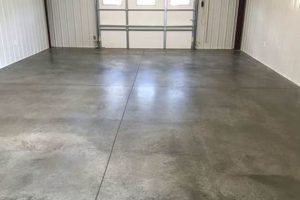
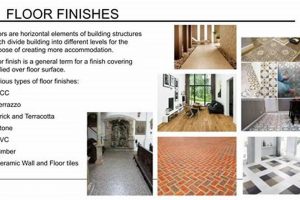
The characteristics of a floor exhibiting a subtle sheen are intrinsically linked to the underlying material composing the floor itself. The choice of material dictates not only the aesthetic qualities, such as color and grain, but also significantly impacts durability, maintenance requirements, and suitability for various applications. For instance, solid hardwood, when finished with this lower-gloss appearance, presents a classic and elegant option but demands careful attention to moisture control and is generally more expensive than alternatives. Conversely, laminate flooring offers a more cost-effective and moisture-resistant solution, though it may lack the same level of aesthetic authenticity.
Furthermore, engineered wood flooring presents a middle ground, combining a real wood veneer with a composite core, offering improved dimensional stability compared to solid hardwood. Luxury vinyl tile (LVT) represents another increasingly popular option, providing excellent water resistance and durability, coupled with a realistic appearance mimicking natural materials. Each material reacts differently to the application of a low-gloss coating. For example, the application of a low-gloss polyurethane on hardwood enhances its natural grain, whereas a similar finish on LVT primarily serves to control light reflection and provide a protective layer. The proper selection of material, therefore, necessitates careful consideration of the intended use, environmental conditions, and desired aesthetic outcome.
In summary, the term describes not a material itself, but rather a surface characteristic attainable across a spectrum of flooring materials. The choice of material fundamentally influences the performance and suitability of the resulting floor. Understanding the properties of each material option is crucial for making an informed decision, ensuring that the selected floor not only achieves the desired aesthetic but also meets the practical demands of the intended environment. The inherent challenges involve balancing aesthetic preferences with functional requirements and budgetary constraints, ultimately influencing long-term satisfaction with the investment.
7. Aesthetic Versatility

The characteristic of a smooth, low-gloss surface inherently contributes to broad aesthetic adaptability across diverse interior design styles. This adaptability stems from the finish’s capacity to complement rather than dominate a space, allowing other design elements, such as furniture, textiles, and artwork, to maintain prominence. The subtle sheen integrates seamlessly with both traditional and contemporary aesthetics, providing a neutral foundation that enhances the overall design composition. For example, in a minimalist setting, the understated elegance reinforces clean lines and uncluttered spaces. Conversely, in a more ornate environment, the finish serves as a grounding element, preventing the space from feeling overwhelming. This capacity to harmonize with varied design approaches underscores the substantial aesthetic value.
Furthermore, this flooring option’s inherent compatibility with diverse color palettes reinforces its versatility. The neutral reflective properties do not distort or compete with surrounding colors, allowing for accurate representation and facilitating cohesive design schemes. In contrast, high-gloss surfaces can alter the perception of color due to intense reflection, potentially disrupting the intended aesthetic. Consider a scenario where a homeowner selects a specific shade of wall paint to complement a floor; a surface with a subtle sheen will more faithfully represent the paint’s true color, ensuring a harmonious visual effect. The ability to maintain color integrity represents a crucial advantage in achieving a unified and intentional design.
In conclusion, the connection between flooring possessing a smooth, low-gloss surface and aesthetic versatility is defined by its capacity to act as a unifying element across diverse design styles and color palettes. The understated elegance, coupled with neutral reflective properties, ensures that this flooring option enhances rather than dictates the overall aesthetic. Understanding this connection allows for informed design choices, maximizing the potential for creating visually appealing and harmonious environments. The challenge lies in recognizing the subtle yet significant impact that this finish has on the entire design composition and leveraging it effectively to achieve desired outcomes.
Frequently Asked Questions About Flooring with a Smooth, Low-Gloss Surface
The following addresses common inquiries and misconceptions surrounding flooring characterized by a smooth, low-gloss surface, providing comprehensive information to aid in informed decision-making.
Question 1: Is flooring with a smooth, low-gloss surface more prone to scratches compared to other finishes?
Flooring featuring a subtle sheen typically exhibits comparable or improved scratch resistance relative to high-gloss options. The reduced reflectivity tends to conceal minor abrasions more effectively, prolonging the appearance of cleanliness and quality. However, the scratch resistance is also fundamentally linked to the material of the flooring itself; certain materials, such as hardwood, may necessitate additional protective measures.
Question 2: What cleaning products are suitable for floors with a low-gloss surface?
The selection of appropriate cleaning agents is crucial. Abrasive cleaners and harsh chemicals are generally discouraged due to their potential to damage or dull the finish. Neutral pH cleaners specifically formulated for the material in question are recommended. Manufacturers’ guidelines should be consulted to identify approved cleaning products that maintain the floor’s integrity and sheen.
Question 3: Does flooring with a smooth, low-gloss surface offer adequate slip resistance?
Slip resistance is influenced by several factors, including the material, texture, and presence of contaminants. While smooth surfaces inherently present a lower coefficient of friction compared to textured alternatives, certain flooring options incorporate micro-textures or coatings to enhance grip. Regular cleaning and the prompt removal of spills are essential for maintaining slip resistance.
Question 4: Is it possible to refinish flooring that possesses a smooth, low-gloss surface?
The feasibility of refinishing depends on the flooring material. Solid hardwood can generally be refinished multiple times, while engineered wood offers limited refinishing potential depending on the thickness of the veneer layer. Laminate flooring typically cannot be refinished. Professional assessment is recommended to determine the suitability of refinishing.
Question 5: Does the use of flooring with a smooth, low-gloss surface influence the perceived size of a room?
The light-diffusing properties of this flooring can contribute to a sense of spaciousness. By scattering light, it reduces glare and creates a softer, more uniform illumination. This effect can be particularly beneficial in smaller rooms, making them feel more open and inviting.
Question 6: What is the average lifespan of a floor with a smooth, low-gloss surface?
The lifespan is highly dependent on the material chosen, the level of foot traffic, and the rigor of maintenance practices. Hardwood, with proper care, can last for decades, while laminate and engineered wood offer varying degrees of longevity. Consistent maintenance, prompt spill cleanup, and the implementation of protective measures contribute significantly to extending the lifespan.
These frequently asked questions offer insights into the practical considerations and performance characteristics of flooring featuring a smooth, low-gloss surface. By addressing common concerns, it facilitates a more informed and confident selection process.
The subsequent section will explore real-world applications and design considerations for flooring with a smooth, low-gloss surface.
Conclusion
This exploration of flooring with a smooth, low-gloss surface has illuminated critical factors influencing its selection, maintenance, and performance. The durability, maintenance demands, light reflection properties, slip resistance characteristics, installation costs, material options, and aesthetic versatility have been examined. The analysis reveals that the suitability hinges on carefully balancing aesthetic preferences with practical requirements, considering the intended environment and usage patterns. This flooring type offers a versatile and often understated elegance, but informed decision-making is essential to fully realize its potential.
The long-term value of flooring depends on careful consideration of the discussed factors. Prioritizing proper installation, adhering to recommended maintenance practices, and proactively addressing potential issues will maximize the investment. As consumer preferences evolve and technological advancements introduce new materials and finishes, continued research and diligence will be paramount to ensuring that flooring choices meet both aesthetic and functional demands.