The concluding layer applied to gypsum board (also known as drywall) to create a smooth, paintable surface is a critical element in interior construction. This process involves concealing joints, fastener indentations, and any surface imperfections to achieve a seamless wall or ceiling. Proper application requires skill and attention to detail, typically involving multiple coats of joint compound, sanding, and sometimes texturing, depending on the desired aesthetic.
A well-executed surface treatment enhances the visual appeal of interior spaces, providing a uniform base for paint or wallpaper. Its importance lies in creating a professional and aesthetically pleasing environment. Historically, different materials and techniques were used to achieve similar results, but modern joint compounds and application methods have streamlined the process, offering improved durability and ease of use. The benefits include increased property value, improved light reflection, and a generally more comfortable and inviting living or working space.
The quality of this final layer significantly impacts the overall appearance and longevity of interior walls and ceilings. Subsequent sections will delve into specific techniques, material selection, and best practices for achieving optimal results in various environments and applications.
Essential Application Guidelines
Achieving a professional result requires adherence to established best practices. The following guidelines are crucial for ensuring a durable and visually appealing final surface.
Tip 1: Proper Joint Treatment: Embed joint tape thoroughly in the first coat of compound. Insufficient embedding can lead to cracking and visible seams. A wide taping knife, at least 4 inches, is recommended for this step.
Tip 2: Feathering Techniques: Feather the edges of each coat of compound to create a smooth transition between the treated area and the surrounding gypsum board. Use progressively wider knives for each subsequent coat. A 10-12 inch knife is often used for feathering the final coat.
Tip 3: Sanding Procedures: Sand lightly between coats to remove imperfections and create a uniform surface. Use a fine-grit sandpaper (120-150 grit) and a sanding pole or block for even pressure. Over-sanding can damage the paper facing of the gypsum board.
Tip 4: Dust Control: Minimize dust during sanding by using a vacuum sander or by covering surfaces with plastic sheeting. Dust can interfere with paint adhesion and pose a health hazard.
Tip 5: Priming Before Painting: Apply a primer coat to the finished surface before painting. Primer seals the surface, promotes paint adhesion, and ensures a uniform finish. Use a high-quality primer specifically designed for gypsum board.
Tip 6: Appropriate Compound Selection: Choose the correct type of joint compound for each application. Lightweight compounds are easier to sand but may shrink more than standard compounds. Quick-setting compounds are useful for patching but require rapid application.
Tip 7: Consider Environmental Factors: Ensure adequate ventilation during application and drying. High humidity can slow drying times and affect the compound’s performance. Maintain a consistent temperature during application.
By following these guidelines, a professional-quality surface can be achieved, enhancing the aesthetics and durability of interior walls and ceilings.
The subsequent discussion will focus on specific challenges and solutions related to surface preparation and specialized applications.
1. Surface preparation

Effective surface preparation is foundational to achieving a high-quality layer on gypsum board. It represents the initial, critical stage that directly influences the adhesion, appearance, and longevity of the subsequent treatments. Without proper attention to this phase, even the most skilled application of joint compound and texture will likely result in an unsatisfactory outcome. For example, if dust or debris is not removed from the gypsum board prior to applying the compound, these contaminants can become embedded in the finish, creating imperfections and weakening the bond between the compound and the board. Similarly, loose paper fibers or protruding fasteners must be addressed to ensure a smooth and even surface.
The practical significance of meticulous surface preparation extends beyond aesthetics. Properly prepared surfaces are less prone to cracking, peeling, or blistering over time. This is particularly relevant in high-humidity environments or areas subject to temperature fluctuations. Consider a scenario where the gypsum board surface is not properly primed. The joint compound may absorb moisture unevenly, leading to inconsistencies in the finish and ultimately, a reduced lifespan. The time invested in addressing imperfections, cleaning the surface, and applying an appropriate primer is therefore a cost-effective measure that yields long-term benefits.
In summary, surface preparation is not merely a preliminary step but an integral component of achieving a durable and visually appealing layer on gypsum board. Addressing potential issues such as dust, debris, and imperfections before the application process mitigates the risk of future problems and ensures a superior and lasting result. The link between thorough preparation and final outcome is undeniable, underscoring its vital role in any construction or renovation project.
2. Joint compound selection

The selection of joint compound directly and significantly impacts the quality of surface on gypsum board. This is a cause-and-effect relationship; the chosen compound determines workability, shrinkage, adhesion, and the final surface texture. A lightweight, all-purpose compound might be suitable for general applications where ease of sanding is prioritized. However, using this type of compound in areas subject to high moisture, such as bathrooms, can lead to premature failure due to its increased porosity. Conversely, a setting-type compound offers superior durability and resistance to moisture but requires rapid application and more skilled sanding techniques.
The practical significance of understanding this connection lies in preventing common problems like cracking along seams, nail pops, and uneven surface textures. For instance, using a low-quality or incorrect compound to fill large gaps between gypsum board sheets will likely result in excessive shrinkage and cracking over time. A more appropriate solution would involve using a setting-type compound for the initial fill, followed by a topping compound for a smooth finish. This multi-stage approach demonstrates how informed material selection directly contributes to the overall integrity and appearance of the end result. Furthermore, the choice of compound also influences the ease and efficiency of the sanding process, affecting labor costs and the overall project timeline.
In summary, the strategic selection of joint compound is not merely a matter of convenience but a critical component in achieving a durable and aesthetically pleasing surface on gypsum board. Ignoring the specific requirements of the application and the properties of different compounds can lead to costly rework and a compromised final product. A thorough understanding of available options, coupled with careful consideration of environmental factors and desired finish characteristics, is essential for success. The impact of joint compound selection resonates throughout the entire process, from initial application to long-term performance.
3. Taping techniques

Taping techniques are fundamentally intertwined with the quality and longevity of a surface applied to gypsum board. Improper taping directly precipitates visible seams, cracking, and an overall compromised aesthetic. The application of paper or fiberglass tape, embedded within joint compound, reinforces the joints between gypsum board panels, creating a unified and stable surface. A lack of attention to detail during this phase invariably manifests as imperfections in the final surface. For example, if the tape is not adequately embedded in the compound, air pockets form, weakening the joint and leading to eventual cracking. Similarly, using an insufficient amount of compound beneath the tape creates a vulnerable area prone to stress and movement.
The practical significance of mastering correct taping is evident in both residential and commercial construction. In residential settings, poorly taped joints detract from the visual appeal of the interior, requiring costly repairs and potentially reducing property value. In commercial spaces, where durability and aesthetics are equally critical, substandard taping can lead to frequent maintenance and a negative impression of the building’s overall quality. Consider the scenario where a newly constructed office building exhibits visible cracks along the seams of the gypsum board. This immediately reflects poorly on the construction company and necessitates remediation, often at considerable expense. Proper taping techniques, including applying the correct amount of compound, ensuring complete tape embedment, and allowing adequate drying time between coats, mitigate these risks.
In summary, the relationship between taping techniques and the final surface quality of gypsum board is direct and consequential. Inadequate taping practices inevitably result in visible imperfections and structural weaknesses, leading to increased maintenance costs and reduced aesthetic appeal. A thorough understanding of best practices, combined with meticulous execution, is paramount for achieving a durable and visually pleasing surface. Mastering taping techniques is not merely a procedural step; it is a critical determinant of the long-term success and quality of any construction or renovation project involving gypsum board.
4. Sanding methods

Effective sanding methods are integral to achieving a smooth and visually appealing layer on gypsum board. These methods directly influence the final surface texture, paint adhesion, and overall aesthetic quality. The selection of appropriate sanding techniques and tools is crucial for creating a seamless transition between treated areas and the surrounding board, minimizing imperfections, and ensuring a professional result.
- Grit Selection and Progression
The choice of sandpaper grit significantly affects the outcome of the sanding process. Starting with a coarse grit, such as 80-100, can efficiently remove larger imperfections and excess compound. However, using such a coarse grit for the final sanding can create visible scratches. Therefore, progressing to finer grits, such as 120-150 or even 220 for the final pass, is essential for achieving a smooth, paint-ready surface. Failure to use the appropriate grit progression results in either insufficient smoothing or unnecessary damage to the paper facing of the gypsum board.
- Sanding Techniques: Hand vs. Mechanical
Both hand sanding and mechanical sanding (using powered sanders) have their advantages and disadvantages. Hand sanding offers greater control and is suitable for smaller areas and detail work. Mechanical sanders, on the other hand, are more efficient for larger surfaces and can significantly reduce the time and effort required for sanding. However, mechanical sanding requires careful technique to avoid over-sanding and damaging the board. The choice between hand and mechanical sanding depends on the size and complexity of the project, as well as the skill level of the applicator.
- Dust Control Measures
Sanding generates significant amounts of dust, which can pose health hazards and interfere with the quality of the finish. Implementing effective dust control measures is therefore crucial. This can involve using vacuum-assisted sanders, which capture dust at the source, or employing traditional methods such as covering surfaces with plastic sheeting and wearing appropriate personal protective equipment (PPE), including respirators. Proper dust control not only protects the health of the applicator but also improves visibility and reduces the risk of imperfections in the final finish.
- Assessing Surface Uniformity
Evaluating the uniformity of the sanded surface is essential for identifying and addressing any remaining imperfections. This can be done by using a bright light to cast shadows across the surface, revealing any uneven areas or bumps. These imperfections can then be addressed with additional sanding or by applying a thin layer of joint compound. A thorough assessment of surface uniformity ensures that the final painted or textured surface will be smooth and free of visible defects. Neglecting this step can lead to costly rework and a compromised final result.
In conclusion, the meticulous application of appropriate sanding methods is indispensable for realizing a professional and aesthetically pleasing outcome. Selecting the right grit, employing suitable techniques, implementing dust control measures, and diligently assessing surface uniformity all contribute to achieving a smooth, paint-ready surface. The effectiveness of the sanding methods directly dictates the quality and durability of the resulting work.
5. Priming application

The priming application is an indispensable step in achieving a high-quality surface on gypsum board. This process involves applying a preparatory coating to the finished gypsum board surface before painting or texturing. This coating acts as a critical intermediary, creating a uniform and sealed substrate. The cause-and-effect relationship is clear: a properly primed surface promotes uniform paint adhesion, enhances color vibrancy, and improves the overall durability of the final finish. Without this step, paint may absorb unevenly into the porous surface of the joint compound, resulting in variations in color and sheen. In extreme cases, the paint may peel or blister due to poor adhesion. The priming application is therefore not merely a cosmetic enhancement but a foundational element of a lasting and aesthetically pleasing result.
Consider a newly constructed office building where the gypsum board was painted directly without priming. Within months, the paint begins to show inconsistencies in color, and in some areas, it starts to peel. This situation is directly attributable to the absence of a primer coat, which would have sealed the surface and provided a uniform base for the paint. In contrast, a properly primed surface in a residential setting, even after years of wear and tear, maintains its color and integrity, demonstrating the long-term benefits of priming. Furthermore, the priming application plays a crucial role in mitigating the potential for mold growth in humid environments by reducing the porosity of the surface. Specific types of primers, such as those with mold inhibitors, offer additional protection against moisture damage.
In conclusion, the priming application is an essential component of achieving a durable and visually appealing surface on gypsum board. This step directly influences the longevity and aesthetic quality of the final finish. The practical significance of understanding the relationship between priming and the overall outcome cannot be overstated, as it prevents costly rework and ensures a professional and lasting result. The appropriate selection and application of primer are therefore integral to the success of any construction or renovation project involving gypsum board.
6. Texturing options

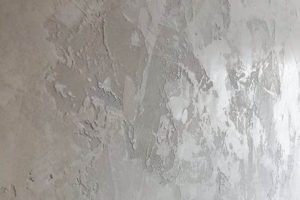
Texturing options represent a crucial final stage in achieving a desired aesthetic on gypsum board surfaces. The choice of texture directly impacts the visual appeal, light reflection, and perceived depth of interior spaces. Various texturing techniques, from subtle to pronounced, offer diverse design possibilities and can effectively conceal minor imperfections in the underlying gypsum board surface. The selection of a specific texture style often depends on the architectural design, the intended use of the space, and the homeowner’s or designer’s preferences. In practice, applying texture without proper preparation can lead to uneven patterns, visible seams, or inadequate adhesion, highlighting the importance of skilled application and careful material selection. For instance, a “knockdown” texture, characterized by flattened peaks, requires precise timing and technique to achieve a uniform and professional finish. Similarly, applying a “popcorn” texture, commonly used on ceilings, demands specialized equipment and expertise to ensure even distribution and avoid excessive shedding. Therefore, the successful integration of texture depends on a clear understanding of the desired outcome and the appropriate methods for achieving it.
Consider the difference between a modern minimalist home and a rustic country-style interior. In the minimalist setting, a smooth, level-5 finish, achieved through meticulous sanding and skim coating, might be preferred to create a sleek and contemporary look. Conversely, the rustic interior could benefit from a heavier texture, such as a “trowel” or “orange peel” finish, to add character and depth to the walls. The choice of texture, in this case, serves as a powerful design element that reinforces the overall aesthetic of the space. Furthermore, certain textures can be strategically used to address specific challenges. For example, a heavily textured surface can effectively conceal minor damage or unevenness in older walls, providing a cost-effective alternative to extensive repairs. However, it’s crucial to acknowledge that heavily textured surfaces can be more difficult to clean and may not be suitable for all environments, particularly those requiring high levels of hygiene.
In conclusion, texturing options are a vital component of achieving a customized and aesthetically pleasing surface on gypsum board. The skillful selection and application of texture can transform the look and feel of interior spaces, conceal imperfections, and enhance the overall design. Careful consideration of the architectural style, the intended use of the space, and the practical implications of different textures is essential for achieving a successful and lasting outcome. The effective integration of texture demands a combination of technical expertise, artistic vision, and a thorough understanding of the interplay between texture, light, and space. The ultimate goal is to create surfaces that are both visually appealing and functionally appropriate for the intended environment.
Frequently Asked Questions
The following questions address common inquiries regarding the concluding layer applied to gypsum board to create a smooth, paintable surface. These responses aim to provide clarity and guidance on best practices.
Question 1: What is the primary purpose of a final layer on gypsum board?
The principal objective is to create a seamless, uniform surface by concealing joints, fastener indentations, and imperfections. This prepares the surface for paint, wallpaper, or other decorative finishes.
Question 2: What materials are commonly used in this process?
Joint compound, also known as drywall mud, is the primary material. Paper or fiberglass tape is used to reinforce joints. Sandpaper is essential for smoothing the dried compound.
Question 3: How many coats of joint compound are typically required?
A minimum of three coats is generally recommended to adequately conceal joints and imperfections. Each coat serves a specific purpose, from embedding the tape to feathering the edges.
Question 4: What is the importance of sanding between coats?
Sanding removes ridges, bumps, and imperfections, creating a smoother surface for subsequent coats. This also improves paint adhesion and prevents visible defects.
Question 5: Should the surface be primed before painting?
Priming is highly recommended. Primer seals the surface, promotes uniform paint adhesion, and enhances the color vibrancy of the final finish. It also reduces the likelihood of paint peeling or blistering.
Question 6: What are some common problems associated with poorly executed applications?
Common issues include cracking along seams, visible fastener indentations, uneven surface textures, and poor paint adhesion. These problems can detract from the aesthetic appeal and require costly repairs.
In summary, a meticulous approach to this final layer is essential for achieving a professional-quality result. Proper material selection, application techniques, and attention to detail are crucial for a durable and visually appealing finish.
The subsequent discussion will delve into advanced techniques and considerations for specialized applications.
Sheetrock Finish
This exploration has illuminated the multifaceted nature of achieving a professional surface on gypsum board. Key aspects, including surface preparation, joint compound selection, taping techniques, sanding methods, priming application, and texturing options, have been examined in detail. The interrelationship between these elements underscores the necessity of a holistic approach. Furthermore, adherence to established best practices, such as proper joint treatment and dust control, directly influences the longevity and aesthetic quality of the final result. Neglecting any stage in this process can compromise the integrity of the entire system, leading to costly repairs and diminished visual appeal.
Therefore, recognizing the significance of meticulous execution and informed decision-making is paramount. As construction standards evolve and new materials emerge, a continued commitment to refining application techniques remains essential. The enduring value of a properly executed surface on gypsum board lies not only in its aesthetic contribution but also in its long-term performance and overall impact on the built environment. Further research and diligent application are warranted to ensure continued advancement in this critical aspect of interior construction.