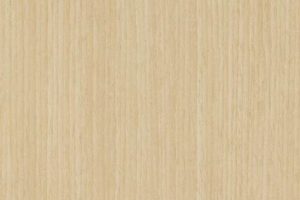
An instrument exhibiting a clear or lightly tinted coating that allows the wood’s inherent grain and color to remain visible is a common aesthetic choice for stringed instruments. This finish type for guitars showcases the material’s inherent beauty, avoiding opaque paints or heavy stains. Examples range from glossy, protective polyurethane coatings to thinner, more resonant oil finishes.
The appeal of this aesthetic lies in its transparency, allowing the wood’s natural character to shine through. This approach emphasizes the uniqueness of each instrument, as wood grain patterns are inherently variable. This finish is often valued for its potential to allow the instrument’s wood to “breathe” better than heavier, more restrictive finishes, which some believe contributes to enhanced tonal qualities. Historically, this style gained popularity alongside an appreciation for the craftsmanship inherent in building instruments and the beauty of natural materials.
The selection of a finish directly impacts the instrument’s appearance, protection, and potentially, its sound. Understanding the characteristics of various finish options empowers informed decision-making when selecting or maintaining such an instrument. Subsequent discussions will explore finish types, their impact on tone, and best practices for care and maintenance.
Enhancing and Preserving the Unadorned Aesthetic
The following recommendations offer guidance on maintaining and optimizing an instrument showcasing exposed wood grain. Proper care is crucial to preserve both the appearance and structural integrity.
Tip 1: Maintain Consistent Humidity: Fluctuations in humidity can cause wood to expand and contract, leading to cracks in the finish or structural damage. Aim for a relative humidity of 45-55% in the storage environment.
Tip 2: Clean Regularly with Appropriate Products: Use a microfiber cloth and a cleaner specifically formulated for guitars. Avoid harsh chemicals or abrasive materials that can scratch or dull the finish.
Tip 3: Protect from Direct Sunlight: Prolonged exposure to direct sunlight can cause fading or discoloration of the wood and finish. Store the instrument in its case or in a shaded area when not in use.
Tip 4: Use a Guitar Stand with Padding: Ensure the guitar stand is padded with a non-reactive material to prevent damage to the finish where the instrument makes contact.
Tip 5: Avoid Extreme Temperature Changes: Rapid temperature changes can stress the wood and finish. Allow the instrument to acclimate gradually to a new environment.
Tip 6: Inspect Regularly for Cracks or Damage: Periodically examine the finish and wood for any signs of cracking, lifting, or other damage. Address any issues promptly to prevent further deterioration.
Tip 7: Consider Professional Setup and Maintenance: A qualified luthier can provide expert advice on maintaining the instrument and perform necessary repairs or adjustments.
Adhering to these guidelines contributes to the longevity and aesthetic appeal of the instrument, preserving its inherent beauty for years to come. This care safeguards the instrument’s physical form and ensures its ongoing playability.
The subsequent segment will address common issues that may arise with natural finish guitars and strategies for remediation.
1. Wood Grain Visibility

Wood grain visibility is a defining characteristic and a key aesthetic consideration for instruments bearing a transparent or lightly tinted protective layer. It’s this visual feature which dictates the appeal to both player and observer. This facet of instrument design reveals the natural beauty of the material and highlights the uniqueness of each individual instrument.
- Species Identification
The visibility of the grain allows for the immediate identification of the wood species used in the instrument’s construction. The distinctive patterns of mahogany, maple, ash, or rosewood contribute to the instrument’s overall appearance and can influence perceived tonal qualities based on established associations.
- Figure and Character
Grain visibility showcases the figure or character of the wood, such as flame maple, quilted maple, or burl patterns. These variations in grain pattern create unique visual textures, adding to the instrument’s individuality and aesthetic value. The presence and quality of the figure often command a premium.
- Finish Interaction
The type of transparent or semi-transparent coating employed interacts directly with the visible wood grain. Oil finishes emphasize the grain’s texture and depth, while glossy polyurethane finishes provide a smooth, reflective surface that highlights the grain pattern. The chosen finish influences the grain’s visual prominence.
- Aesthetic Preference and Historical Context
The emphasis on wood grain visibility reflects a broader aesthetic preference for natural materials and craftsmanship. Historically, this aesthetic has been associated with valuing the inherent beauty of wood, contrasting with opaque finishes that conceal the material. This design choice embodies a connection to traditional instrument-making practices.
The prominence of wood grain visibility directly influences the perceived value and aesthetic appeal of instruments. It connects the instrument to the natural world and celebrates the uniqueness of each piece of wood. The transparent or semi-transparent finish serves not only to protect the wood but also to amplify its inherent beauty.
2. Finish Type Impact

The selection of a finish significantly affects an instrument’s appearance, protection, and potentially, its tonal qualities, when showcasing the wood’s inherent grain and color. The finish choice dictates how the natural material interacts with its environment and how its aesthetic qualities are perceived.
- Protection Against Environmental Factors
The finish serves as a barrier against moisture, temperature fluctuations, and physical abrasions. Thicker, more durable finishes, such as polyurethane, offer greater protection but may potentially dampen the wood’s resonance. Thinner finishes, like oil or lacquer, provide less protection but may allow the wood to vibrate more freely. The level of protection directly influences the instrument’s longevity and resistance to damage.
- Influence on Tone
While debated, the finish’s impact on tonal characteristics is a consideration. Some believe that thinner finishes allow the wood to resonate more fully, resulting in a richer, more complex tone. Conversely, thicker finishes may restrict the wood’s vibration, potentially leading to a brighter, more focused sound. The relationship between finish thickness and tone remains a subject of ongoing discussion among luthiers and players.
- Aesthetic Enhancement and Preservation
The finish enhances the wood’s natural beauty by highlighting its grain and figure. Gloss finishes create a reflective surface, emphasizing the wood’s depth and color. Matte finishes provide a softer, more subtle look. The finish also preserves the wood’s appearance by protecting it from UV damage and oxidation, which can cause fading or discoloration.
- Maintenance Requirements
Different finishes require different maintenance procedures. Polyurethane finishes are generally low-maintenance and resistant to scratches and stains. Oil finishes require regular reapplication to maintain their protective properties. Lacquer finishes are delicate and require careful handling to avoid damage. The choice of finish directly influences the amount of care required to keep the instrument looking its best.
The finish employed significantly influences the long-term performance and aesthetic appeal of an instrument. Factors such as protection, tone, aesthetic enhancement, and maintenance must be weighed when selecting a finish to complement the wood’s inherent characteristics and the player’s preferences.
3. Tonewood Characteristics

The inherent properties of tonewood exert a significant influence on the tonal output and aesthetic presentation of instruments, particularly when paired with a transparent finish that reveals the wood’s natural qualities.
- Density and Resonance
The density of the selected wood species directly impacts the instrument’s sustain and overall tonal projection. Denser woods like maple or ebony tend to produce brighter, more focused tones, while lighter woods like mahogany or basswood offer warmer, more resonant characteristics. The transparent finish allows visual appreciation of the chosen wood’s grain structure, correlating its visual density to expected tonal output.
- Grain Pattern and Figure
The visual complexity and figure of the wood grain contribute significantly to the instrument’s aesthetic appeal when unmasked by opaque coatings. Highly figured woods such as flamed maple or quilted maple command premium pricing and are often showcased with transparent finishes. These distinctive patterns reflect the wood’s unique growth history and add visual character to the instrument.
- Oil Content and Stability
The natural oil content and dimensional stability of the tonewood influence its resistance to environmental factors such as humidity and temperature changes. Woods with higher oil content, such as rosewood or ebony, tend to be more resistant to cracking and warping, contributing to the instrument’s longevity. A transparent finish allows assessment of the wood’s natural coloration and grain integrity over time.
- Coloration and Finish Compatibility
The inherent coloration of the tonewood dictates the final aesthetic outcome when paired with a transparent finish. Lighter woods like ash or maple allow for greater flexibility in tinting or staining, while darker woods like mahogany or walnut offer a richer, more subdued palette. The finish selection must complement the wood’s natural color to achieve the desired aesthetic effect.
The selection of specific tonewoods is predicated upon a complex interplay of desired tonal properties, aesthetic considerations, and structural stability. Instruments finished to reveal the natural grain capitalize on these inherent characteristics, celebrating the unique qualities of the chosen material.
4. Protection From Elements

Instruments with transparent or lightly tinted coatings, often showcasing the wood’s natural grain, require meticulous attention to environmental protection. These finishes, while aesthetically pleasing, may offer less robust protection compared to opaque, multi-layered alternatives. Consequently, understanding the vulnerabilities and implementing preventative measures is crucial for preserving the instrument’s integrity.
- Humidity Control and Wood Stability
Fluctuations in relative humidity induce expansion and contraction within the wood, potentially leading to cracks, warping, or joint failure. Maintaining a stable humidity level, ideally between 45% and 55%, is paramount. Humidifiers in dry climates and dehumidifiers in humid environments mitigate these risks. Consistent humidity prevents dimensional changes that compromise the instrument’s structure and finish.
- Temperature Sensitivity and Finish Integrity
Extreme temperature variations can cause finishes to crack, bubble, or delaminate from the wood surface. Avoiding prolonged exposure to direct sunlight, heat sources, or cold drafts is essential. Gradual acclimation to new environments prevents thermal shock. Consistent temperature control preserves the finish’s adhesion and prevents premature degradation.
- UV Radiation and Color Fading
Exposure to ultraviolet (UV) radiation from sunlight causes fading or discoloration of the wood and finish over time. Storing instruments in their cases when not in use and avoiding prolonged exposure to direct sunlight minimize UV damage. UV-protective films or coatings offer an additional layer of defense. Shielding instruments from UV radiation maintains the wood’s original color and prevents aesthetic deterioration.
- Physical Damage and Surface Protection
A transparent or lightly tinted coating offers limited protection against scratches, dents, and other physical abrasions. Careful handling, using a padded guitar stand, and storing the instrument in a case when transporting it mitigate these risks. Regular cleaning with a soft, lint-free cloth removes dust and prevents the buildup of grime. Protecting the instrument from physical damage preserves the finish’s integrity and prevents unsightly blemishes.
The susceptibility of these instruments to environmental factors necessitates proactive protection strategies. Maintaining consistent humidity and temperature, shielding from UV radiation, and preventing physical damage are crucial for preserving the instrument’s structural integrity and aesthetic appeal over time. These practices ensure that the natural beauty of the wood remains visible and the instrument’s longevity is maximized.
5. Maintenance Procedures

Maintenance procedures for instruments exhibiting a transparent or lightly tinted finish are essential to preserving the aesthetic and structural integrity of the wood. These instruments, where the natural grain is visible, require specific care protocols due to the finish’s relative thinness and the exposed nature of the wood.
- Cleaning and Polishing
Regular cleaning removes dust, fingerprints, and other surface contaminants that can degrade the finish over time. Use of a microfiber cloth and a cleaning solution specifically formulated for guitars is recommended. Avoid abrasive materials or harsh chemicals, as these can scratch or damage the finish. Polishing helps restore the finish’s luster and provides a protective layer against environmental factors. Frequency depends on usage, but weekly cleaning is generally advisable.
- Humidity Control
Maintaining consistent humidity levels is crucial for preventing wood expansion and contraction, which can lead to cracks, warping, or finish checking. A relative humidity of 45-55% is ideal. Humidifiers or dehumidifiers may be necessary to achieve this range, depending on the climate. Regular monitoring with a hygrometer is recommended. Stabilizing humidity levels ensures the long-term structural integrity of the instrument.
- Fretboard Conditioning
For instruments with unfinished wood fretboards (e.g., rosewood, ebony), periodic conditioning with a specialized fretboard oil is necessary to prevent drying and cracking. Apply a small amount of oil to the fretboard, allow it to soak in for a few minutes, and then wipe off any excess. Frequency depends on the wood type and environmental conditions, but quarterly conditioning is generally sufficient. Maintaining the fretboard’s moisture content ensures comfortable playability and prevents damage.
- Hardware Maintenance
Regularly inspect and maintain the instrument’s hardware, including tuning machines, bridges, and strap buttons. Lubricate moving parts to ensure smooth operation. Tighten loose screws to prevent rattling or instability. Replace worn or damaged hardware as needed. Proper hardware maintenance ensures optimal performance and prevents further damage to the instrument.
These maintenance procedures are essential for preserving the beauty and functionality of instruments where the wood’s natural grain is visible. Consistent care, tailored to the instrument’s finish and materials, ensures that it remains a valued possession for years to come. Neglecting these procedures can lead to irreversible damage and diminished value.
6. Resale Value Factors
The resale value of instruments exhibiting natural wood finishes is influenced by a confluence of factors, often more pronounced than with instruments possessing opaque coatings. The visibility of the wood grain accentuates the significance of the wood’s quality, the condition of the finish, and the overall craftsmanship. Flaws that might be concealed under paint are immediately apparent, impacting perceived value. For example, a guitar built with highly figured maple and protected by a flawless, thin lacquer finish will typically command a higher resale price than a similar instrument with plain maple and a scratched, thick polyurethane coating. This emphasizes that these instruments are valued not just for their playability, but also for the visual presentation and preservation of the chosen tonewood.
Furthermore, the historical provenance and rarity of instruments finished in this manner exert a substantial influence on their secondary market value. Vintage instruments showcasing particularly desirable tonewoods or unique grain patterns often become collector’s items. Consider pre-CBS Fender guitars with ash bodies exhibiting striking grain; these are frequently sought after due to their aesthetic and historical appeal, commanding prices significantly above those of comparable models with less visually appealing wood. The originality of the finish is also paramount; refinishing, even with a comparable clear coat, typically diminishes the value unless performed by a recognized expert in vintage instrument restoration.
Ultimately, the resale value of instruments finished to reveal the natural wood is a complex equation involving material quality, craftsmanship, historical significance, and condition. Buyers often prioritize the visual character and authenticity of the instrument, resulting in a higher premium for examples exhibiting exceptional wood, flawless finishes, and demonstrable provenance. This understanding is vital for both sellers aiming to maximize returns and buyers seeking to make informed investment decisions in the vintage and used instrument market.
7. Player's Aesthetic Preference

The player’s aesthetic preference serves as a primary driver in the selection of an instrument featuring exposed wood grain. This preference often stems from a desire to connect with the instrument on a visual and tactile level, appreciating the natural beauty and uniqueness of the wood. The selection is a deliberate choice that prioritizes the visual and textural qualities of the instrument’s raw material, creating a deeper connection than the pure acoustic properties. For example, a musician drawn to the warmth and organic feel of wood may actively seek instruments where the grain is prominently displayed. This preference influences not only the choice of instrument but also its perceived value and the player’s overall experience. The inherent individuality of each piece of wood ensures that no two instruments are exactly alike, resonating with musicians seeking a personalized and distinctive instrument.
The appreciation for exposed wood grain frequently correlates with specific musical genres or styles. Musicians engaged in folk, acoustic, or blues music might gravitate towards instruments highlighting the natural wood as an expression of authenticity and tradition. These instruments offer a visual embodiment of the organic and raw qualities often associated with these musical forms. Conversely, performers in genres such as heavy metal or contemporary pop may prioritize instruments with more stylized or synthetic aesthetics. However, a notable subset within these genres increasingly values the unique visual signature afforded by revealing the wood grain, opting for instruments that blend modern performance capabilities with a more natural, organic aesthetic. The choice is thus a deliberate statement, influencing not just instrument selection but also a musician’s self-expression.
In conclusion, the player’s aesthetic preference for exposed wood grain represents a significant factor in instrument selection. The choice reflects a deeper appreciation for the natural beauty and individuality of the wood. This preference carries practical implications, influencing not only the choice of instrument but also its perceived value, the musician’s connection to it, and its alignment with specific musical genres or performance styles. Therefore, understanding these connections is vital for instrument manufacturers, retailers, and musicians alike.
Frequently Asked Questions
This section addresses common inquiries and misconceptions regarding instruments featuring a transparent or lightly tinted finish, allowing the wood’s inherent grain to remain visible.
Question 1: Does the finish type significantly impact the tonal characteristics of a natural finish guitar?
The degree to which a finish affects an instrument’s tone remains a debated topic. Thinner finishes, such as oil or nitrocellulose lacquer, are often perceived to allow greater resonance. Conversely, thicker finishes, like polyurethane, may dampen vibration. However, wood density, construction methods, and other factors also contribute significantly to the instrument’s sound.
Question 2: How does the maintenance of a natural finish guitar differ from that of an instrument with an opaque finish?
Instruments finished to reveal the wood grain require careful attention to humidity control and UV protection. Exposure to direct sunlight or extreme temperature fluctuations can cause the wood and finish to crack or fade. Cleaning should be performed using products specifically designed for guitars, avoiding abrasive materials.
Question 3: Are some wood species better suited for natural finishes than others?
Certain wood species, such as figured maple, koa, or ash, possess visually striking grain patterns that enhance the aesthetic appeal when showcased with a clear finish. Denser woods generally provide better structural stability and resistance to environmental factors.
Question 4: Does a natural finish guitar offer less protection compared to an instrument with a painted finish?
The level of protection depends on the specific finish type and thickness. While some clear finishes may be thinner than opaque coatings, they still provide a barrier against moisture and minor abrasions. Regular maintenance and proper storage are crucial for preserving both the finish and the wood.
Question 5: Does the presence of visible wood grain influence an instrument’s resale value?
In many cases, the presence of highly figured wood or rare grain patterns increases an instrument’s desirability and resale value. However, the condition of the finish, the overall craftsmanship, and the instrument’s provenance also play significant roles.
Question 6: How can potential buyers determine the authenticity and quality of the finish on a natural finish guitar?
Carefully inspect the finish for signs of cracking, bubbling, or uneven application. Examine the wood grain for consistent patterns and absence of filler. Consult with a qualified luthier or instrument appraiser for expert evaluation, particularly when considering vintage or high-value instruments.
In conclusion, caring for an instrument that showcases natural wood grain requires specific considerations. Understanding these nuances aids in preserving both its aesthetic appeal and structural integrity.
The next section addresses common repairs and restoration techniques for natural finish guitars.
Conclusion
The preceding exploration has delineated the defining characteristics, maintenance requirements, and aesthetic considerations associated with instruments finished to reveal the natural wood grain. Key aspects such as wood species selection, finish type impact, environmental protection, and player preferences have been examined, emphasizing the unique considerations inherent in preserving the visual and structural integrity of such instruments.
The enduring appeal of the natural finish guitar lies in its celebration of craftsmanship and the inherent beauty of tonewood. As informed players and collectors, continued vigilance in proper care and maintenance remains crucial. Understanding the nuances presented guarantees the longevity and aesthetic value for generations, embodying instrument’s lasting appeal.
![Mastering: How to Finish Presentation [Like a Pro!] | Best Final Touch: Elevate Your Projects with Professional Finishing](https://bestfinaltouch.com/wp-content/uploads/2026/04/th-136-300x200.jpg "Mastering: How to Finish Presentation [Like a Pro!] Best Final Touch: Elevate Your Projects with Professional Finishing")

![Carmelo Hayes Finisher: The [Move Name] Explained! | Best Final Touch: Elevate Your Projects with Professional Finishing](https://bestfinaltouch.com/wp-content/uploads/2026/04/th-134-300x200.jpg "Carmelo Hayes Finisher: The [Move Name] Explained! Best Final Touch: Elevate Your Projects with Professional Finishing")