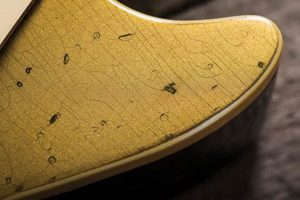
Rocky Mountain Hardware provides a range of surface treatments applied to their solid bronze architectural and interior hardware. These treatments alter the appearance and characteristics of the metal, offering a variety of aesthetic options from rustic and weathered to polished and contemporary. For example, a light bronze patina can provide a subtle, aged look, while a darker finish might offer a more dramatic, contrasting element against lighter backgrounds.
The importance of these applied surfaces lies in their ability to enhance both the visual appeal and the longevity of the hardware. They contribute significantly to the overall design aesthetic of a space, reflecting a specific style or complementing existing architectural details. Historically, such treatments were used to protect metals from corrosion and wear; today, they serve both functional and decorative purposes, adding value and character to residential and commercial properties.
The subsequent sections will delve into the specific types available, the application processes involved, maintenance recommendations, and considerations for selecting the appropriate option for diverse design projects. Attention will also be given to understanding the durability and environmental impact of these artisanal treatments.
Guidance on Bronze Surface Treatments
The following guidelines provide critical insights for specifying and maintaining Rocky Mountain Hardware’s surface treatments, ensuring longevity and aesthetic consistency.
Tip 1: Sample Evaluation: Prior to large-scale orders, examine physical samples of each to assess color and texture under site-specific lighting conditions. Bronze finishes can appear different depending on the light source.
Tip 2: Consider Architectural Style: Select a finish that complements the architectural style of the building. Darker, more rustic treatments suit traditional designs, while polished options often align with contemporary aesthetics.
Tip 3: Understand Patina Development: Recognize that bronze will naturally patina over time, altering its appearance. Consider this anticipated change when selecting a initial finish, particularly for exterior applications.
Tip 4: Climate Considerations: In coastal environments or areas with high humidity, select more robust, sealed treatments to mitigate corrosion. Consult the manufacturer’s specifications for environmental suitability.
Tip 5: Proper Installation Techniques: Ensure hardware is installed according to manufacturer’s instructions. Improper installation can damage the surface and compromise the integrity of the treatment.
Tip 6: Routine Cleaning Protocols: Implement a consistent cleaning schedule using recommended products. Avoid abrasive cleaners that can scratch or remove the finish. A soft cloth is generally sufficient.
Tip 7: Avoid Harsh Chemicals: Refrain from using harsh chemicals or solvents on bronze hardware. These substances can react with the surface, causing discoloration or damage.
Tip 8: Consistent Product Lines: Specify the same finish across all hardware elements within a project to ensure visual harmony and prevent inconsistencies in patina development.
Adherence to these guidelines ensures the sustained beauty and durability of bronze hardware, preserving its value and enhancing the overall architectural design.
The ensuing section will explore case studies illustrating the successful application of specific surface treatments in various design contexts.
1. Bronze Composition

The composition of the bronze alloy used in Rocky Mountain Hardware directly influences the characteristics and performance of its surface treatments. The specific metals within the alloy, and their proportions, affect the color, texture, patina development, and corrosion resistance of the final product.
- Copper Content
A higher copper content generally results in a warmer, redder tone in the base metal. This underlying hue will subtly affect the appearance of any applied treatment, influencing its final color. For example, a treatment designed to produce a dark, oil-rubbed bronze finish may appear slightly warmer and richer on an alloy with a higher copper percentage compared to one with a lower percentage.
- Tin Content
Tin contributes to the hardness and durability of the bronze. A higher tin content can improve the alloy’s resistance to wear and scratching, thus preserving the integrity of the surface over time. However, it can also affect the rate and nature of patina development. Alloys with higher tin content may develop a more subtle and even patina compared to those with less tin.
- Zinc and Other Alloying Elements
The inclusion of zinc or other elements can alter the bronze’s color, machinability, and corrosion resistance. Zinc, for example, can lighten the color of the alloy and improve its casting properties. However, it can also affect the bronze’s reactivity with certain cleaning agents or environmental elements. The presence of lead in some alloys (though decreasingly common due to health concerns) also impacts machinability and patina formation.
- Impurities and Trace Elements
Even small amounts of impurities can affect the bronze’s properties. Iron, for example, can increase the alloy’s strength but may also promote surface oxidation and discoloration if not properly controlled. Similarly, trace amounts of other metals can influence the alloy’s susceptibility to specific types of corrosion. Therefore, stringent quality control during the alloying process is vital to ensure consistent and predictable treatment outcomes.
In summary, the precise composition of the bronze alloy used by Rocky Mountain Hardware dictates how their surface treatments interact with and transform the base metal. Understanding these compositional nuances is critical for selecting appropriate finishes, predicting their long-term behavior, and ensuring the desired aesthetic and functional performance of the hardware.
2. Patina Development

Patina development is an intrinsic characteristic of bronze alloys, and as such, forms an integral component of Rocky Mountain Hardware’s finish offerings. The surface treatments applied by the company do not merely provide a static color or texture; they establish a starting point for a dynamic process of oxidation and environmental interaction. The initial finish dictates the direction and speed of patina formation. For instance, a “living finish” allows the bronze to oxidize naturally over time, resulting in a gradual shift in color and texture influenced by environmental factors such as humidity, sunlight exposure, and handling. Conversely, sealed finishes impede this process, preserving the original appearance for a longer duration, albeit preventing the natural evolution of the material.
Real-world examples demonstrate the practical significance of understanding patina development. Consider two identical bronze handles, one installed on an exterior door in a coastal environment and the other indoors. The exterior handle will likely exhibit a more rapid and pronounced patina, characterized by a darker, potentially greenish hue due to the saltwater exposure. The interior handle, shielded from the elements, will develop a slower, more subtle patina, possibly retaining more of its original bronze color. Specifying the appropriate initial finish, therefore, involves anticipating these environmental influences and selecting a treatment that aligns with the desired long-term aesthetic. Ignoring this factor can lead to inconsistent or undesirable results, diminishing the overall design intent.
In conclusion, patina development is not merely an incidental effect; it is a deliberate design element inherent in the nature of bronze and carefully considered within Rocky Mountain Hardware’s range of finishes. Architects and designers must understand the interplay between the initial surface treatment, environmental factors, and the anticipated evolution of the material to ensure the hardware maintains its intended aesthetic appeal throughout its lifespan. This proactive approach addresses potential challenges associated with unpredictable patina formation and reinforces the enduring value of bronze architectural hardware.
3. Environmental Suitability

Environmental suitability is a critical consideration when specifying Rocky Mountain Hardware’s surface treatments. The longevity and aesthetic performance of these finishes are directly influenced by the environmental conditions to which they are exposed. Selecting an inappropriate finish for a specific environment can lead to premature degradation, corrosion, or undesirable patina development, compromising both the functional and visual integrity of the hardware.
- Coastal Environments and Saltwater Exposure
Coastal environments present a significant challenge due to the presence of saltwater, which is highly corrosive to many metals. Finishes intended for these settings must exhibit exceptional resistance to salt spray and humidity. Specific treatments, such as those incorporating protective sealants or specialized coatings, are designed to mitigate the effects of saltwater corrosion. Failure to utilize such treatments in coastal applications can result in rapid pitting, discoloration, and structural weakening of the hardware.
- High Humidity and Moisture
Environments with high humidity levels, such as bathrooms or tropical climates, can accelerate the oxidation process and promote the growth of mold or mildew on untreated or improperly treated bronze. Selecting finishes with enhanced moisture resistance is essential in these areas. Powder-coated or sealed options offer increased protection against humidity-related damage. Proper ventilation and regular cleaning are also vital to maintain the integrity of hardware in high-moisture environments.
- Exposure to Direct Sunlight and UV Radiation
Prolonged exposure to direct sunlight and ultraviolet (UV) radiation can cause fading, chalking, or discoloration of certain surface treatments. Darker finishes, in particular, may be susceptible to fading over time when exposed to intense sunlight. Specifying UV-resistant coatings or lighter-colored finishes can help mitigate these effects. In applications with significant sun exposure, consider utilizing hardware with a naturally occurring patina that will blend more seamlessly with any potential fading.
- Temperature Fluctuations and Freeze-Thaw Cycles
Environments with significant temperature fluctuations, including freeze-thaw cycles, can stress the bonds between the bronze and the applied treatment, leading to cracking, peeling, or delamination. Finishes designed for exterior use in cold climates must be able to withstand these stresses. Thermal shock resistance is a key factor to consider when selecting surface treatments for these applications. Proper installation techniques, including adequate sealing and drainage, can also help minimize the impact of temperature fluctuations on hardware longevity.
In summary, environmental suitability is a paramount consideration in the specification of Rocky Mountain Hardware’s finishes. Selecting treatments that are specifically designed to withstand the environmental challenges of a particular location ensures the long-term performance, durability, and aesthetic appeal of the hardware, preserving its value and contributing to the overall quality of the built environment. A thorough assessment of environmental conditions, coupled with careful product selection, is essential for achieving optimal results.
4. Application Techniques

The characteristics of Rocky Mountain Hardware finishes are intrinsically linked to the application techniques employed. These techniques, ranging from chemical patination to hand-applied waxes, directly influence the final appearance, durability, and longevity of the treated bronze. Improper application can result in uneven coloring, compromised corrosion resistance, and reduced overall lifespan of the finish. For instance, inconsistent application of a chemical patina can lead to streaking or blotchiness, detracting from the intended aesthetic. Similarly, inadequate surface preparation prior to the application of a protective coating can compromise its adhesion, resulting in premature peeling or chipping. The precise methods, timing, and environmental controls during application are therefore critical determinants of the ultimate quality and performance of the hardware.
Consider the specific example of applying a hot wax finish. The bronze hardware must be heated to a precise temperature to ensure the wax penetrates the pores of the metal and creates a durable, protective layer. Overheating can cause the wax to burn and discolor, while insufficient heating can prevent proper adhesion, leaving the hardware vulnerable to environmental damage. Skilled artisans, trained in these specific techniques, are essential to consistently achieve the desired results. Furthermore, the tools and equipment used in the application process also play a significant role. High-quality spray guns, specialized brushes, and precisely calibrated ovens are all necessary to ensure uniform and consistent application across the entire surface of the hardware. The selection and maintenance of these tools are therefore integral to the success of the finishing process.
In conclusion, the application techniques are not merely secondary steps in the creation of Rocky Mountain Hardware finishes; they are fundamental determinants of the final product’s quality and performance. A thorough understanding of these techniques, coupled with meticulous execution, is essential for achieving the desired aesthetic and ensuring the long-term durability of the hardware. Challenges associated with inconsistent application can be mitigated through rigorous quality control, skilled craftsmanship, and the use of appropriate tools and equipment. This emphasis on precision and expertise underscores the commitment to producing high-quality, enduring bronze hardware.
5. Maintenance Protocols

Maintenance protocols are intrinsically linked to the longevity and aesthetic preservation of Rocky Mountain Hardware finishes. These protocols dictate the necessary actions and frequencies for cleaning, protecting, and preserving the integrity of the applied surface treatments, directly influencing their resistance to environmental factors and wear.
- Regular Cleaning Regimen
A routine cleaning schedule is crucial for removing surface contaminants such as dust, dirt, and fingerprints. The frequency of cleaning should be adjusted based on environmental factors and usage patterns. For instance, hardware in high-traffic areas or coastal environments may require more frequent cleaning than hardware in low-use, interior locations. Mild soap and water, applied with a soft cloth, are generally sufficient for most cleaning tasks. Abrasive cleaners or harsh chemicals should be avoided, as they can damage or remove the surface treatment.
- Protective Wax Application
Certain Rocky Mountain Hardware finishes benefit from periodic application of protective wax. This wax layer provides a barrier against moisture, fingerprints, and other environmental contaminants, helping to preserve the original appearance of the finish. The type of wax and frequency of application will vary depending on the specific finish and environmental conditions. Consult the manufacturer’s recommendations for appropriate wax products and application techniques. Hot wax application can get best result.
- Addressing Corrosion and Patina
Depending on the finish and environmental exposure, corrosion or patina may develop over time. While some degree of patina is often considered desirable, excessive corrosion can compromise the structural integrity of the hardware and detract from its aesthetic appeal. Addressing corrosion typically involves gentle cleaning with specialized bronze cleaners or the application of protective coatings to inhibit further oxidation. Patina development can be managed through regular cleaning and waxing, or, alternatively, allowed to progress naturally, depending on the desired aesthetic.
- Repair and Refinishing Options
In cases of significant damage or wear, repair and refinishing options may be available. Depending on the extent of the damage, the hardware may need to be professionally refinished to restore its original appearance. Refinishing typically involves removing the old finish, repairing any damage to the underlying bronze, and applying a new surface treatment. This process should be performed by experienced professionals to ensure the quality and durability of the restored finish.
Effective maintenance protocols are essential for maximizing the lifespan and preserving the aesthetic qualities of Rocky Mountain Hardware finishes. Consistent adherence to recommended cleaning schedules, protective wax application, and appropriate repair techniques will ensure that the hardware retains its value and contributes to the overall design intent for years to come. The longevity and beauty of these artisanal finishes are directly proportional to the diligence with which they are maintained.
6. Aesthetic Consistency

Aesthetic consistency, in the context of architectural design, refers to the harmonious integration of various elements within a space to create a unified visual experience. The role of Rocky Mountain Hardware finishes in achieving this consistency is paramount. The finishes serve as a visual bridge between different components, tying together disparate elements through a cohesive application of color, texture, and style. Discrepancies in these finishes can disrupt the intended aesthetic, leading to a fragmented or disjointed appearance. The selection of consistent hardware finishes, therefore, directly contributes to the overall visual harmony of a space. For example, in a residential project employing a rustic aesthetic, consistent use of an oil-rubbed bronze finish across all hardware elementsdoor handles, cabinet pulls, and lighting fixturesreinforces the design theme. Conversely, the introduction of polished chrome hardware would create a jarring contrast, disrupting the established aesthetic.
Furthermore, maintaining aesthetic consistency extends beyond the initial selection of finishes. It encompasses the long-term management of these finishes throughout the lifespan of the hardware. Variations in patina development, due to environmental factors or inconsistent maintenance, can compromise the original aesthetic intent. For instance, exterior door hardware exposed to varying degrees of sunlight may exhibit uneven discoloration over time, creating a mismatched appearance. To mitigate this, periodic cleaning and protective treatments may be necessary to ensure a uniform patina or prevent premature degradation. This proactive approach ensures that the hardware continues to contribute positively to the overall aesthetic consistency of the space.
In conclusion, the application and maintenance of Rocky Mountain Hardware finishes are integral to achieving and preserving aesthetic consistency in architectural design. The careful selection of finishes, combined with diligent maintenance practices, ensures that the hardware contributes to a unified and visually harmonious environment. Failure to prioritize aesthetic consistency can detract from the intended design, diminishing the overall quality and value of the space. The thoughtful integration of hardware finishes, therefore, is a critical element in creating successful and enduring architectural designs.
Frequently Asked Questions
The following section addresses common inquiries regarding Rocky Mountain Hardware’s surface treatments, providing essential information for architects, designers, and homeowners.
Question 1: What factors influence the final appearance of Rocky Mountain Hardware finishes?
The ultimate visual outcome is affected by several variables, including the composition of the bronze alloy, the application technique used, environmental conditions, and subsequent maintenance protocols. Each element plays a crucial role in determining the treatment’s long-term aesthetic.
Question 2: How does patina development affect the appearance of these finishes?
Patina development is a natural process that alters the surface of bronze over time. The rate and character of patina formation are influenced by environmental exposure and the specific surface treatment applied. Expect gradual changes in color and texture.
Question 3: Are specific Rocky Mountain Hardware finishes better suited for certain environments?
Yes. Coastal environments require finishes with enhanced resistance to saltwater corrosion. High-humidity areas necessitate treatments that prevent moisture damage and microbial growth. It is imperative to select finishes appropriate for the intended environment.
Question 4: What maintenance protocols are recommended for Rocky Mountain Hardware finishes?
Routine cleaning with mild soap and water is generally sufficient for most finishes. Some treatments may benefit from periodic application of protective wax. Avoid abrasive cleaners or harsh chemicals. Follow the manufacturer’s specific recommendations for each finish type.
Question 5: Can Rocky Mountain Hardware finishes be repaired or refinished?
Yes, in cases of significant damage or wear, repair and refinishing services may be available. Consult with a qualified professional to assess the extent of the damage and determine the appropriate course of action. Refinishing should be performed by experienced artisans.
Question 6: How important is it to maintain aesthetic consistency across all hardware elements in a project?
Maintaining aesthetic consistency is crucial for creating a unified and visually harmonious design. Select matching finishes for all hardware elements and implement maintenance protocols that ensure uniform patina development or prevent premature degradation. Inconsistent finishes can detract from the overall design intent.
In summary, informed decision-making regarding Rocky Mountain Hardware finishes requires a comprehensive understanding of the factors influencing their appearance, durability, and maintenance requirements. Consult with industry professionals for tailored guidance.
The subsequent section explores case studies showcasing the application of Rocky Mountain Hardware finishes in diverse architectural projects.
Conclusion
This article provided a comprehensive overview of rocky mountain hardware finishes, emphasizing the interplay between bronze alloy composition, application techniques, environmental suitability, maintenance protocols, and aesthetic consistency. Understanding these factors is crucial for selecting and preserving appropriate treatments for diverse architectural applications.
The information contained herein is intended to serve as a foundational guide. Continued research and consultation with industry experts are encouraged to ensure optimal selection and long-term performance of these specialized architectural elements. The enduring value and aesthetic impact of bronze hardware are contingent upon informed decision-making and diligent maintenance.