This decorative technique enhances the grain of oak by applying a contrasting pigment, traditionally white lead, into the open pores. The process accentuates the wood’s natural texture, creating a visually striking effect. For instance, a table constructed from oak and treated in this way showcases a pronounced grain pattern, where the lighter pigment highlights the darker wood fibers.
The application of this finishing style elevates the aesthetic appeal of furniture and architectural details, lending a touch of rustic elegance and depth. Historically, it has been employed to add visual interest to otherwise simple designs. The contrasting colors offer a unique visual element that is durable and easy to maintain, increasing the longevity of the furniture. Its use is especially appreciated in spaces aiming for a farmhouse, Scandinavian, or coastal aesthetic.
The following sections will delve into the specific methods of achieving this distinctive surface treatment, exploring various materials, application techniques, and design considerations for incorporating it into different projects.
Achieving an Optimal Result
The following guidelines provide insights into achieving a professional and durable outcome when applying a contrasting pigment to accentuate oak’s grain.
Tip 1: Wood Selection: Opt for rift-sawn or quarter-sawn oak. These cuts exhibit a more uniform grain pattern, enhancing the visual effect and minimizing warping.
Tip 2: Surface Preparation: Thorough sanding is crucial. Begin with a coarser grit (e.g., 80-grit) to remove imperfections and progress to finer grits (e.g., 180-grit, then 220-grit) for a smooth surface. This ensures even pigment absorption.
Tip 3: Pore Opening: Consider using a wire brush to further open the wood’s pores after sanding. This promotes greater pigment penetration and emphasizes the grain pattern.
Tip 4: Pigment Selection: Select a high-quality paste wax or specialized grain filler for the pigment. Experiment with different pigment colors on a test piece to determine the desired contrast.
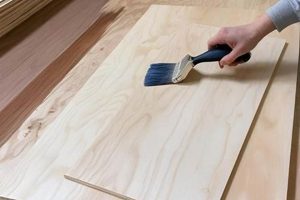
Tip 5: Application Technique: Apply the pigment liberally, working it into the pores with a brush or rag. Ensure complete coverage of the grain.
Tip 6: Removal of Excess: After allowing the pigment to dwell for a short period (consult product instructions), remove the excess pigment with a clean cloth, wiping in the direction of the grain. This reveals the accentuated pattern.
Tip 7: Sealing and Protection: Apply a clear topcoat, such as lacquer or polyurethane, to seal the surface and protect the finish from wear and tear. Multiple thin coats are preferable to a single thick coat.
Tip 8: Curing Time: Allow sufficient curing time for the finish to fully harden before placing the treated object into service. Consult the manufacturer’s recommendations for the specific topcoat used.
Adhering to these recommendations will contribute to a visually appealing and long-lasting application, maximizing the aesthetic benefits and maintaining the integrity of the wood.
The subsequent sections will explore case studies and practical applications of this finishing process in various design contexts.
1. Grain Accentuation

Grain accentuation, as it relates to the surface treatment of oak, fundamentally defines the aesthetic outcome. This process elevates the wood’s natural texture by deliberately highlighting the grain pattern. The method in which this accentuation is achieved is core to the successful application of the contrasting pigment, dictating the final visual impact and the overall perception of the finished piece.
- Contrast Enhancement
The deliberate use of a contrasting pigment is paramount in enhancing the wood’s grain. The process involves selectively filling the open pores of the oak with a material that contrasts in color, creating visual depth and emphasizing the natural undulations of the wood. For example, employing a white pigment on dark oak visually separates the grain patterns, making them more prominent. The degree of contrast directly influences the overall aesthetic, ranging from subtle enhancement to a bold, graphic statement.
- Textural Emphasis
Grain accentuation not only highlights the visual elements but also amplifies the tactile qualities of the wood. By filling the pores, the surface gains a subtle texture that invites touch. This textural emphasis can be further enhanced through the application of specific topcoats that either maintain or accentuate the filled grain, adding a layer of sensorial experience to the aesthetic. This combination of visual and tactile elements contributes to the richness and depth of the treated wood.
- Artistic Expression
The method used to accentuate the grain provides a canvas for artistic expression, allowing for unique and customized finishes. Variations in pigment color, application techniques, and the depth of pore filling can result in a wide array of aesthetic outcomes. For instance, experimenting with metallic pigments or layered applications can create effects ranging from subtle shimmer to bold, modern designs. The flexibility of the accentuation process enables designers and artisans to achieve a distinctive and personalized visual impact.
- Preservation of Natural Character
Effective grain accentuation celebrates the natural character of the oak, rather than masking it. The treatment enhances the inherent beauty of the wood, revealing its unique grain patterns and variations. By highlighting these natural characteristics, the finish emphasizes the authenticity and organic nature of the material. This approach fosters a connection to the source material, celebrating its individual qualities and contributing to a more sustainable design ethos.
These facets of grain accentuation directly contribute to the success of a “cerused oak finish”. Contrast Enhancement and textural emphasis are the most notable aspects. Each element serves to enhance the oak’s natural appearance and provide durability to the oak used.
2. Pore Filling

Pore filling is integral to achieving a distinctive “cerused oak finish.” The open-grain structure of oak necessitates the deliberate infilling of its pores with a contrasting pigment. Without this crucial step, the desired visual effect is unattainable. The process entails the application of a filler, typically a wax-based or specialized grain filler, into the open pores of the oak wood. Excess material is subsequently removed, leaving the pigment embedded within the grain. This creates the signature contrasted aesthetic that characterizes the finish. The effectiveness of the pore-filling stage directly correlates with the overall visual impact and durability of the final product. Consider, for example, a table constructed from white oak. If the pores are not adequately filled with a contrasting pigment, such as white or gray, the surface appears uneven and lacks the defined grain pattern characteristic of an authentic application. This underscores pore filling’s vital contribution to the finish’s aesthetic and functional properties.
Further analysis reveals that the type of filler used significantly impacts the resulting finish. Paste waxes offer a softer, more traditional effect, while modern grain fillers often provide enhanced durability and resistance to moisture. The choice of pigment color also plays a key role. Lighter pigments, such as white or silver, create a stark contrast against the darker oak, while darker pigments offer a more subtle and understated effect. The application technique is equally important. Proper technique ensures consistent and even filling of the pores, preventing blotchiness or uneven coloration. The practical applications of understanding this relationship are extensive, ranging from furniture restoration to the creation of custom architectural details. Knowledge of pore filling techniques allows artisans to replicate historical finishes or develop innovative designs that showcase the natural beauty of oak.
In summary, pore filling is not merely a step in the process; it is the foundational element that defines the “cerused oak finish.” Challenges in achieving a successful outcome often stem from improper pore preparation, the selection of incompatible fillers or pigments, or inadequate application techniques. A comprehensive understanding of this interplay is essential for anyone seeking to achieve an authentic and enduring result, contributing to both the aesthetic appeal and the longevity of the treated wood. This understanding also connects to the broader theme of sustainable design by emphasizing the preservation and enhancement of natural materials.
3. Surface Contrast

Surface contrast is a defining characteristic of a certain type of finish on oak, resulting from the strategic application of a contrasting pigment to accentuate the wood’s natural grain pattern. This technique relies on the interplay between light and dark elements to highlight the texture and visual appeal of the wood.
- Hue Differential
The hue differential, or the difference in color between the oak’s natural tone and the pigment used, is a primary driver of surface contrast. A stark contrast, such as using white pigment on dark oak, creates a pronounced visual effect, emphasizing the grain’s intricate details. Conversely, subtle hue variations offer a more understated aesthetic. The selection of the pigment hue directly influences the perceived depth and texture of the finished surface. A common example is the use of a grey pigment, lending a subdued sophistication to modern interiors. This careful color selection enhances visual appeal and aligns with design trends.
- Textural Amplification
Beyond mere color, the applied pigment amplifies the wood’s natural texture. The open pores of oak, when filled with a contrasting material, create a tactile dimension to the surface. The interplay of smooth, raised wood grain and the slightly recessed pigment adds physical depth. For instance, running one’s hand across such a surface reveals the subtle undulations created by the accented grain. This textural amplification contributes to the overall sensory experience, enhancing the aesthetic with a tactile dimension that enriches its inherent qualities.
- Light Reflection Dynamics
The different materials used in a finishing application impact how light interacts with the surface, influencing its visual perception. The pigment, often with a matte finish, absorbs light differently compared to the sealed wood surface, which may have a slight sheen. This differential in light reflection further enhances the contrast, making the grain pattern more visible. In areas with controlled lighting, this effect is particularly noticeable, creating shifting patterns of light and shadow that dynamically alter the surface’s appearance throughout the day. This dynamic interplay adds visual interest and depth, providing a surface that is visually engaging.
- Ageing and Wear Patterns
Surface contrast is not static; it evolves over time as the finish ages and undergoes normal wear. The pigment, being recessed within the pores, is often more resistant to abrasion than the surrounding wood. This differential wear can further accentuate the grain pattern as the surface ages, adding character and depth. For example, on frequently used furniture pieces, the wood surface may gradually wear, while the pigment remains intact, intensifying the contrast. These patterns of wear and ageing contribute to the unique character of each piece, creating a visually engaging surface that improves with time.
These facets of surface contrast collectively define the aesthetic of a certain type of finish. The interplay of hue, texture, and light reflection contribute to the richness and depth of the finished surface, creating a visually appealing and tactilely engaging aesthetic. The evolving nature of surface contrast over time adds an additional layer of depth, ensuring that each piece maintains a visual interest and individual character. By controlling these elements, a craftsman can achieve a finish that accentuates the oak’s natural beauty, and produces surfaces that are both visually appealing and exceptionally durable.
4. Protective Sealing
Protective sealing is a crucial step in the implementation of a “cerused oak finish”, determining its longevity and resistance to environmental factors and wear. It serves as the outermost layer, guarding the integrity of the wood and the applied pigment, and consequently impacting the overall aesthetic and durability of the finished piece.
- Moisture Resistance
A primary function of protective sealing is to provide a barrier against moisture absorption. Oak, while durable, is susceptible to warping and damage from prolonged exposure to humidity or liquids. The sealant prevents water from penetrating the wood, thereby safeguarding the pigment layer and preventing discoloration or lifting. For instance, a table with cerused oak will resist water stains and maintain its aesthetic integrity due to an appropriate protective sealing layer. The implications are clear: insufficient sealing leads to premature degradation, while adequate sealing extends the life and maintains the appearance.
- Abrasion Resistance
Protective sealing also enhances the resistance of the cerused oak surface to abrasion and physical wear. The sealant forms a durable film that withstands scratches, scuffs, and impacts, preventing damage to the delicate pigment layer underneath. Consider a cerused oak floor. Without a robust protective layer, the pigmented grain filler will erode over time due to foot traffic, diminishing the contrast and aesthetic appeal. The abrasion resistance afforded by the sealant is therefore integral to preserving the visual effect and overall structural integrity.
- UV Protection
Exposure to ultraviolet (UV) radiation can cause fading and discoloration of both the oak and the pigment used in the cerused finish. Certain sealants contain UV inhibitors that mitigate these effects, preserving the color fidelity and preventing premature degradation. A cerused oak cabinet placed near a window, for example, would benefit significantly from a sealant with UV protection, maintaining its color and aesthetic appeal over time. The absence of such protection would lead to fading and a diminished aesthetic.
- Chemical Resistance
The protective sealing layer also provides a defense against chemical substances that could potentially damage the cerused oak finish. Household cleaners, solvents, and other chemicals can react with the pigment or the wood itself, leading to discoloration, staining, or erosion. The sealant acts as a barrier, preventing these substances from reaching the vulnerable layers underneath. A cerused oak countertop, if properly sealed, can resist staining from spills and maintain its appearance, demonstrating the critical role of chemical resistance.
The effectiveness of the protective sealing is contingent upon the type of sealant used, the method of application, and the number of coats applied. Polyurethane, lacquer, and varnish are common choices, each offering varying degrees of protection and aesthetic qualities. The careful selection and application of the appropriate sealant are essential to ensuring the long-term durability and visual appeal of the cerused oak finish. The protective sealing also exemplifies the commitment to sustainable practices by extending the lifespan of furniture and architectural elements. The protective coating creates a surface impervious to common wear and tear.
5. Material Longevity
The application of a “cerused oak finish” is intrinsically linked to the concept of material longevity, wherein the surface treatment not only enhances aesthetic appeal but also contributes significantly to the lifespan of the oak itself. This connection stems from several factors, including the protective qualities of the finish and its capacity to mitigate the effects of wear, moisture, and environmental stressors. When properly executed, the finish serves as a barrier against these elements, effectively prolonging the structural integrity and visual appeal of the treated oak. For instance, an oak table treated with a “cerused oak finish” and subsequently sealed is less susceptible to warping from humidity changes or staining from spills than an untreated counterpart. The finish, therefore, acts as a preventative measure, reducing the likelihood of costly repairs or replacements.
Furthermore, the “cerused oak finish” process often involves pore filling, which inherently strengthens the oak’s surface. By filling the open pores of the wood with a durable pigment, the finish creates a more uniform and resilient surface, reducing the potential for splintering or cracking. This is particularly relevant in high-traffic areas or on furniture pieces that experience frequent use. The investment in a “cerused oak finish” thus translates into long-term savings and reduced maintenance efforts, making it a practical and economically sound choice for those seeking both aesthetic enhancement and durability. Consider, for example, antique oak furniture that has retained its structural integrity and visual appeal due to the presence of a well-maintained and executed “cerused oak finish.”
In conclusion, the relationship between “material longevity” and a “cerused oak finish” is one of mutual benefit, with the finish acting as a proactive measure to extend the life and preserve the appearance of the oak. While challenges exist in ensuring proper application and maintenance, the long-term advantages of this approach are undeniable. Understanding this connection is crucial for making informed decisions about wood finishing techniques and promoting sustainable practices in the preservation of wooden materials. The treatment is an investment in the material’s durability.
Frequently Asked Questions
The following section addresses common inquiries regarding this specialized wood finish, providing concise and informative responses to ensure a comprehensive understanding.
Question 1: What is the primary purpose of a cerused oak finish?
The primary purpose is to accentuate the natural grain pattern of oak wood by applying a contrasting pigment into the open pores. This enhances the visual texture and aesthetic appeal.
Question 2: What type of oak is best suited for a cerused finish?
Rift-sawn or quarter-sawn oak is generally preferred due to its more uniform and consistent grain pattern, which enhances the visual effect.
Question 3: What are the key steps involved in applying a cerused oak finish?
The process typically involves sanding, pore opening (optional), pigment application, removal of excess pigment, and sealing with a protective topcoat.
Question 4: What type of pigment is typically used for a cerused oak finish?
Traditionally, white lead was used. However, modern alternatives include paste waxes, specialized grain fillers, or paint, depending on the desired aesthetic and durability.
Question 5: How does a protective topcoat contribute to the longevity of a cerused oak finish?
A topcoat seals the surface, providing resistance to moisture, abrasion, UV radiation, and chemical exposure, thereby preventing damage to the wood and pigment layer.
Question 6: Can a cerused oak finish be applied to furniture already in use?
Yes, but proper surface preparation is critical. Existing finishes must be completely removed, and the wood must be thoroughly sanded before applying the cerused oak treatment.
In summary, the success of a cerused oak finish hinges on proper material selection, meticulous application, and the provision of adequate protection to ensure lasting beauty and durability.
The next section will delve into practical applications and design considerations for incorporating a cerused oak finish into various projects.
Conclusion
This exploration of a certain surface treatment has underscored its significance as a method for enhancing the natural beauty of oak wood. Key aspects, including grain accentuation, pore filling, surface contrast, protective sealing, and material longevity, contribute to the distinct aesthetic and functional properties. Proper execution, material selection, and diligent maintenance are crucial for achieving a durable and visually appealing outcome.
The thoughtful application of a certain surface treatment extends beyond mere aesthetics, embodying a commitment to preserving and celebrating the inherent qualities of natural materials. Continued innovation in materials and techniques promises to further enhance the versatility and enduring appeal. Therefore, thorough understanding and responsible implementation are paramount.