Selecting an appropriate protective coating for a work surface is a crucial step in ensuring its longevity and functionality. This coating serves to shield the underlying material from spills, scratches, and other forms of wear and tear commonly encountered in a workshop environment. For instance, a properly applied sealant can prevent staining from oils or paints, thereby preserving the aesthetic appeal and structural integrity of the surface.
The application of a suitable protective layer offers several advantages. It enhances the durability of the workbench, extending its lifespan and reducing the need for frequent repairs or replacements. Furthermore, it simplifies the cleaning process, making it easier to maintain a clean and organized workspace. Historically, various coatings have been employed, ranging from simple oils to more complex varnishes and lacquers, each offering different levels of protection and aesthetic qualities. The choice often reflects a compromise between cost, ease of application, and desired level of protection.
Consequently, the subsequent sections will explore various types of coatings available, examining their properties, application methods, and suitability for different workbench materials and usage scenarios. Factors such as resistance to abrasion, chemical spills, and water damage will be considered, along with the ease of application and maintenance requirements of each option.
Coating Application Strategies for Optimal Workbench Protection
The following recommendations provide guidance on selecting and applying a protective layer to a workbench to maximize its lifespan and utility.
Tip 1: Surface Preparation is Paramount: Prior to any application, the work surface must be thoroughly cleaned and sanded. Remove any existing finishes, dirt, or debris to ensure proper adhesion of the new coating. For wood surfaces, sanding with progressively finer grits is recommended.
Tip 2: Consider the Intended Use: The type of tasks performed on the workbench dictates the required level of protection. A workbench primarily used for woodworking may benefit from a hard-wearing finish, while one used for electronics may require resistance to solvents or chemicals.
Tip 3: Oil-Based vs. Water-Based Coatings: Oil-based finishes typically offer greater durability and water resistance but require longer drying times and proper ventilation. Water-based finishes dry faster, have lower VOC emissions, but may not be as robust in certain applications.
Tip 4: Application Technique Matters: Whether brushing, spraying, or wiping, consistent application is critical. Avoid drips, runs, or uneven coverage. Multiple thin coats are generally preferable to a single thick coat for optimal curing and durability.
Tip 5: Allow Adequate Drying Time: Adhering to the manufacturer’s recommended drying and curing times is essential. Premature use of the workbench can compromise the integrity of the finish and lead to premature wear.
Tip 6: Regular Maintenance is Key: Periodic cleaning and reapplication of a topcoat, if applicable, can extend the life of the coating and prevent damage to the underlying surface. Promptly address any spills or stains to prevent them from penetrating the finish.
Tip 7: Test in an Inconspicuous Area: Before applying any coating to the entire workbench, test it in a small, hidden area to ensure compatibility with the material and to verify the desired aesthetic outcome.
Implementing these measures will contribute to a long-lasting, functional, and aesthetically pleasing work surface that will withstand the rigors of regular use.
The concluding section will address the economic considerations of protective coatings and their long-term value in preserving the integrity of a workbench.
1. Durability

Durability is a primary factor when evaluating the suitability of a protective coating for a workbench. The capacity of a finish to withstand the rigors of a workshop environment directly correlates to the workbench’s longevity and sustained utility. A lack of durability in the finish can lead to premature wear, requiring frequent repairs or replacements.
- Abrasion Resistance
Abrasion resistance refers to the finish’s ability to withstand scratching and wear from tools, materials, and general use. A workbench frequently subjected to sanding, cutting, or assembly operations requires a finish with high abrasion resistance. For example, a polyurethane coating, known for its hardness, offers greater protection against abrasion compared to softer oil-based finishes. The implication is a longer-lasting and more aesthetically pleasing work surface.
- Impact Resistance
Impact resistance is the capacity of the coating to absorb impacts from dropped tools or heavy materials without cracking or chipping. Workbenches used for metalworking or heavy assembly tasks are particularly vulnerable to impacts. Epoxy-based finishes, with their inherent flexibility and impact resistance, are often preferred in such environments. Failure to select a finish with adequate impact resistance can lead to localized damage and eventual degradation of the underlying material.
- Chemical Resistance
Chemical resistance is the ability of the finish to withstand exposure to solvents, paints, oils, and other chemicals commonly found in a workshop. A finish lacking in chemical resistance may become stained, softened, or even dissolved upon contact with certain substances. Two-part epoxy coatings generally exhibit superior chemical resistance compared to simpler varnishes. The selection of a chemically resistant finish is critical for workbenches used in painting, automotive repair, or chemical processing.
- Water Resistance
Water resistance refers to the ability of the finish to prevent water or other liquids from penetrating the underlying material. Prolonged exposure to moisture can lead to warping, swelling, or rotting of wooden workbenches. Polyurethane and epoxy finishes provide a robust barrier against moisture penetration. Workbenches located in damp environments or used for tasks involving water-based materials necessitate a water-resistant finish.
These facets of durability collectively contribute to the overall performance and lifespan of a workbench. Selecting a coating that addresses these specific requirements, based on the intended use and environment, is crucial for maximizing the workbench’s long-term value and minimizing the need for costly repairs or replacements.
2. Protection

Protection, as a characteristic of a workbench coating, directly influences its longevity and usability. The primary function of a coating is to shield the underlying material, typically wood or metal, from detrimental elements present in a workshop environment. Without adequate protection, the workbench is susceptible to damage from impacts, spills, and abrasion, leading to a shortened lifespan and diminished functionality. For instance, a woodworking workbench without a protective finish may absorb moisture from glue spills, causing warping and affecting the precision of future projects. Similarly, a metalworking bench exposed to corrosive chemicals without a resistant coating will experience accelerated degradation.
The selection of a coating directly correlates with the level of protection required. Factors such as the frequency of use, types of materials processed, and potential for exposure to chemicals or moisture must be considered. A workbench used for heavy-duty tasks, such as welding or machining, necessitates a coating resistant to high temperatures, impact, and abrasion. Epoxy-based coatings, due to their inherent durability and resistance to various chemicals, are often favored in these applications. Conversely, a workbench primarily used for light assembly or crafting may only require a simpler, less robust finish such as polyurethane or varnish.
Effective protection through an appropriate coating strategy is an investment in the long-term utility and aesthetic appeal of the workbench. While the initial cost of a more durable finish may be higher, the reduced need for repairs, replacements, and the sustained functionality of the workbench provide long-term economic and practical benefits. Therefore, when determining the best coating for a workbench, it is essential to prioritize the protective qualities of the finish and its suitability for the specific tasks and environment in which the workbench will be used.
3. Application

The process of applying a finish to a workbench significantly impacts its ultimate performance and protective qualities. Inadequate application techniques can compromise even the highest quality coating, resulting in diminished durability and aesthetic appeal. Proper execution, therefore, is paramount in realizing the intended benefits of a chosen finish.
- Surface Preparation
Surface preparation is a critical initial step. The substrate must be clean, dry, and free of contaminants. Existing finishes must be removed, and imperfections addressed through sanding or filling. Failure to properly prepare the surface results in poor adhesion of the coating, leading to premature peeling, cracking, or blistering. The specific preparation requirements vary depending on the chosen finish; for example, certain coatings necessitate priming for optimal adhesion.
- Environmental Conditions
Environmental conditions during application, such as temperature and humidity, play a crucial role in the curing and performance of the finish. Most coatings have specific temperature ranges within which they should be applied to ensure proper drying and film formation. High humidity can interfere with the curing process, leading to a soft or tacky finish. Adequate ventilation is also necessary to prevent the accumulation of solvent vapors, ensuring a safe and effective application.
- Application Method
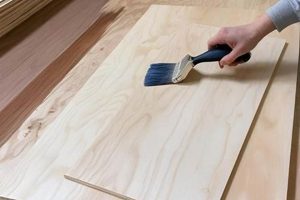
The method of applicationbrushing, spraying, or wipingimpacts the uniformity and thickness of the coating. Each method has its advantages and disadvantages. Brushing is suitable for small areas and allows for precise control, but can result in brush marks if not performed skillfully. Spraying provides a more uniform finish on larger surfaces but requires specialized equipment and proper ventilation. Wiping is often used for applying oil-based finishes, allowing for deep penetration and a natural look. The appropriate method depends on the type of finish, the size of the workbench, and the desired aesthetic.
- Curing Time and Subsequent Coats
Adequate curing time between coats, and before putting the workbench into service, is crucial. Insufficient curing can result in a soft, easily damaged finish. Multiple thin coats are generally preferable to a single thick coat, as they allow for better adhesion and prevent runs or drips. The manufacturer’s recommendations regarding curing time and the number of coats should be strictly followed to achieve optimal results.
In conclusion, the successful application of a protective coating requires meticulous attention to detail and adherence to best practices. From surface preparation to environmental control and application technique, each step contributes to the overall quality and durability of the workbench finish. A poorly applied finish, regardless of its inherent qualities, will ultimately fail to provide adequate protection and aesthetic value.
4. Maintenance

The longevity and effectiveness of any protective coating on a workbench are inextricably linked to a consistent maintenance regimen. The selection of a coating material, regardless of its inherent durability, necessitates consideration of the ongoing maintenance requirements to ensure sustained performance and protection of the underlying workbench surface.
- Regular Cleaning Protocols
Routine cleaning is paramount in preventing the accumulation of dirt, debris, and spills that can compromise the integrity of the finish. The frequency and method of cleaning should align with the type of coating applied and the nature of tasks performed on the workbench. For instance, a workbench coated with oil-based polyurethane may require only occasional wiping with a damp cloth, while a workbench used for painting may necessitate more frequent cleaning with solvents appropriate for the finish. Failure to adhere to regular cleaning protocols can lead to the degradation of the coating and subsequent damage to the workbench surface.
- Spot Treatment of Stains and Spills
Prompt attention to stains and spills is crucial in preventing permanent damage to the finish. The type of cleaning agent used should be compatible with the coating material. Aggressive chemicals or abrasive cleaners can damage or remove the finish, exposing the underlying surface to potential damage. For example, a water-based finish may be susceptible to damage from harsh solvents. Identifying and addressing stains and spills promptly, using appropriate cleaning agents, can significantly extend the lifespan of the coating and maintain the aesthetic appeal of the workbench.
- Periodic Reapplication or Refreshing
Depending on the type of coating and the intensity of workbench use, periodic reapplication or refreshing of the finish may be necessary. This can involve applying a new topcoat to replenish the protective layer or lightly sanding and reapplying the entire finish. For example, a workbench coated with a wax finish may require regular reapplication of wax to maintain its protective properties. Periodic reapplication not only enhances the protective qualities of the finish but also rejuvenates its appearance, ensuring the workbench remains both functional and aesthetically pleasing.
- Inspection and Repair of Damage
Regular inspection of the workbench surface for signs of damage, such as scratches, chips, or cracks, is essential. Addressing minor damage promptly can prevent it from escalating into more significant problems. Small scratches can often be repaired with touch-up kits or by lightly sanding and reapplying the finish in the affected area. Neglecting minor damage can allow moisture or contaminants to penetrate the coating, leading to further deterioration of the workbench surface. Proactive inspection and repair are integral to maintaining the long-term integrity of the finish and the workbench itself.
In summary, integrating a consistent maintenance strategy is integral to realizing the full potential of any workbench finish. Ignoring the ongoing requirements associated with maintenance undermines the initial investment in a high-quality coating. Regular cleaning, prompt stain removal, periodic reapplication, and diligent damage repair collectively contribute to the prolonged lifespan, functionality, and aesthetic preservation of the workbench.
5. Cost

The economic dimension of a workbench coating profoundly influences the decision-making process when selecting the most suitable option. Cost considerations extend beyond the initial purchase price, encompassing long-term maintenance expenses and the potential for premature replacement due to inadequate protection. Evaluating the cost-effectiveness of a given coating requires a comprehensive assessment of its performance characteristics relative to its price point.
- Initial Material Costs
The upfront investment in the coating material itself constitutes a significant portion of the overall cost. Different types of coatings, such as polyurethane, epoxy, varnish, and oil-based finishes, exhibit varying price points due to differences in raw materials, manufacturing processes, and performance characteristics. For instance, epoxy coatings, known for their superior durability and chemical resistance, typically command a higher initial price compared to more conventional varnish options. The selection of a cost-effective coating necessitates a careful evaluation of the required performance attributes relative to the available budget.
- Application Expenses
Application expenses encompass the cost of labor, tools, and equipment required to apply the coating. Certain coatings, such as spray-applied lacquers, necessitate specialized equipment and skilled labor, increasing the overall application cost. Others, such as wipe-on oil finishes, can be applied with minimal equipment and relatively less expertise, resulting in lower application expenses. DIY applications can reduce labor costs but require a higher initial investment in time. Assessing the application complexity and the associated costs is crucial in determining the economic feasibility of a given coating.
- Maintenance and Repair Costs
Maintenance and repair expenses represent the ongoing costs associated with preserving the integrity and appearance of the coating. Coatings that are susceptible to scratching, staining, or chemical damage may require more frequent maintenance and repairs, leading to higher long-term costs. Selecting a durable and resistant coating can minimize these maintenance expenses. Additionally, the ease of repair should be considered; some coatings are easily repaired with touch-up kits, while others may require complete reapplication, significantly increasing the cost. A comprehensive cost analysis should incorporate these projected maintenance and repair costs over the expected lifespan of the workbench.
- Longevity and Replacement Costs
The longevity of a coating directly impacts the frequency with which the workbench must be refinished or replaced. Coatings that offer superior protection against wear, chemicals, and moisture can significantly extend the lifespan of the workbench, reducing the need for costly replacements. In contrast, coatings that degrade rapidly may necessitate frequent refinishing or eventual replacement of the entire workbench. A cost-benefit analysis should consider the potential cost savings associated with selecting a longer-lasting coating, even if it entails a higher initial investment.
In conclusion, the economic evaluation of a coating involves a multifaceted analysis encompassing material costs, application expenses, maintenance and repair costs, and the long-term implications for workbench longevity. While minimizing upfront costs may be a primary consideration, prioritizing long-term value through the selection of a durable and appropriate coating can ultimately prove more cost-effective. The optimal balance between performance and cost is contingent upon the intended use of the workbench, the severity of the workshop environment, and the available budget.
6. Appearance
The aesthetic qualities of a workbench finish, while often secondary to functional considerations, nonetheless contribute to the overall user experience and perceived value of the workspace. The selected finish influences the visual impression of the workbench, impacting the perceived level of professionalism and organization within the shop. A well-finished surface can enhance the pleasure derived from working, fostering a sense of pride in the craft and encouraging meticulous work habits. The appearance is not merely cosmetic; it is intrinsically linked to the perception of quality and the creation of a conducive working environment.
Various finish types offer distinct aesthetic characteristics. Opaque coatings, such as paints and pigmented lacquers, provide complete color coverage, allowing for customization and branding. Clear finishes, including varnishes and polyurethanes, emphasize the natural grain and texture of the underlying wood, providing a more traditional or rustic aesthetic. The choice of finish impacts the visual contrast between the workbench and the surrounding environment, influencing the perceived brightness and spaciousness of the workshop. Furthermore, the gloss level of the finish, ranging from matte to high-gloss, affects the light reflectivity and visual clarity of the surface. Matte finishes tend to conceal imperfections and minimize glare, while high-gloss finishes offer a more polished and reflective appearance.
Ultimately, the optimal aesthetic is subjective and depends on the individual preferences and working style of the user. However, neglecting the appearance of the workbench finish can detract from the overall quality of the workspace and potentially impact work habits. Striking a balance between functional performance and aesthetic appeal is crucial in selecting a finish that not only protects the workbench but also enhances the working environment. The integration of visual considerations into the selection process demonstrates a commitment to craftsmanship and attention to detail, contributing to a more satisfying and productive work experience.
Frequently Asked Questions
The following addresses common inquiries regarding the selection and application of protective coatings for workbenches, providing factual information to aid informed decision-making.
Question 1: Is a finish truly necessary for a workbench?
A finish, while not strictly mandatory, significantly extends the lifespan and usability of a workbench. It protects the surface from spills, scratches, and impacts, preventing damage and degradation. Omitting a finish exposes the workbench to accelerated wear and tear, potentially leading to premature replacement.
Question 2: What is the most durable option?
Epoxy resins generally offer the highest level of durability, exhibiting exceptional resistance to abrasion, chemicals, and impacts. However, they may be more expensive and require more complex application procedures compared to other options.
Question 3: How does finish selection relate to the type of work performed?
The nature of the work dictates the required level of protection. Workbenches used for chemical processing necessitate finishes with high chemical resistance, while those used for metalworking require impact-resistant coatings.
Question 4: What are the disadvantages of oil-based finishes?
Oil-based finishes typically have longer drying times, emit higher levels of volatile organic compounds (VOCs), and may be more susceptible to yellowing over time compared to water-based alternatives.
Question 5: How critical is surface preparation before application?
Surface preparation is paramount. A clean, dry, and properly sanded surface ensures optimal adhesion and performance of the coating. Inadequate preparation can result in premature failure of the finish.
Question 6: Is specialized equipment necessary for application?
The need for specialized equipment depends on the chosen finish and application method. Spray-applied finishes require spray guns and ventilation systems, while wipe-on finishes can be applied with minimal equipment.
In summary, selecting an appropriate workbench finish requires careful consideration of the intended use, budget, and desired level of protection. Proper preparation and application are crucial for maximizing the lifespan and effectiveness of the chosen coating.
The subsequent section will provide a detailed comparison of specific coating types and their suitability for various workbench applications.
Conclusion
The preceding analysis has explored various facets pertinent to the selection of a “best finish for a workbench”. Factors encompassing durability, protection, application methods, maintenance requirements, economic considerations, and aesthetic properties have been examined. The optimal choice is contingent upon a careful evaluation of specific needs and priorities, as no single solution universally satisfies all requirements.
The pursuit of a suitable coating is an investment in the longevity and functionality of a critical workspace component. Diligent consideration of the outlined factors, coupled with adherence to recommended application and maintenance practices, will yield a durable and productive work environment. Continued vigilance and adaptation to evolving needs remain essential in preserving the utility and value of the workbench over time.