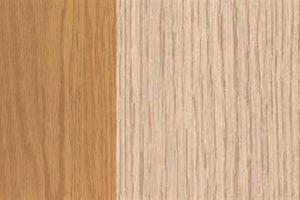
The process of applying a protective coating to a wooden surface specifically designed for food preparation is crucial. This coating safeguards the wood from moisture, bacteria, and staining, enhancing its longevity and hygiene. The undertaking typically involves sanding, applying sealant or oil, and allowing sufficient drying time to ensure a durable and food-safe workspace.
Proper execution of this process is paramount for maintaining a sanitary environment in food preparation areas. It prevents the absorption of liquids and food particles that can harbor harmful bacteria. Furthermore, it increases the resistance of the wood to scratches, cuts, and other forms of damage, thereby extending the lifespan of the work surface. Historically, similar techniques have been employed to protect wooden tools and surfaces used in food-related tasks.
The subsequent sections will detail specific methods, materials, and best practices for achieving optimal results in surface protection. These will encompass oiling techniques, sealant applications, and essential maintenance procedures to guarantee a safe and aesthetically pleasing work area. Considerations for food safety and material compatibility will be paramount.
Essential Considerations for Surface Protection
The following guidelines provide crucial insights for achieving a durable and food-safe surface. Adherence to these practices is critical for ensuring both longevity and hygiene.
Tip 1: Select Food-Safe Materials. Employ only finishes explicitly designated as food-safe, adhering to regulatory standards such as those set by the FDA. Avoid products containing volatile organic compounds (VOCs) that could contaminate food.
Tip 2: Prepare the Surface Thoroughly. Sand the wood surface progressively, starting with coarser grits and ending with finer grits, typically up to 220-grit. This ensures a smooth and even surface for optimal finish adhesion.
Tip 3: Apply Thin, Even Coats. Multiple thin coats of finish are superior to a single thick coat. Thin coats allow for proper curing and prevent the formation of bubbles or uneven textures.
Tip 4: Allow Adequate Drying Time. Strictly adhere to the manufacturer’s recommended drying times between coats. Insufficient drying can lead to tackiness or premature wear.
Tip 5: Consider Oil Penetration. For oil-based finishes, apply liberal amounts initially, allowing the oil to penetrate the wood fibers. Wipe off any excess after the specified absorption time to prevent a sticky residue.
Tip 6: Proper Curing is Essential. After applying the final coat, allow the surface to cure fully before use. Curing times can vary, but generally, several days to a week is necessary for complete hardening.
Tip 7: Maintenance is Key. Regularly clean the surface with mild soap and water. Reapply the chosen finish periodically, typically every few months, to maintain protection and prevent dryness.
Implementing these measures ensures a hygienic and long-lasting surface that resists moisture, bacteria, and staining. Consistent application of these principles yields a surface that is both aesthetically pleasing and functionally sound.
The subsequent section will address specific maintenance procedures for extending the lifespan of the butcher block surface, ensuring its continued performance in food preparation activities.
1. Surface preparation.

Surface preparation constitutes a foundational stage in the process. Inadequate surface preparation directly compromises the effectiveness of any subsequent finish applied. The intended outcome of such preparation is to establish a smooth, even, and clean substrate, thereby promoting optimal adhesion of the chosen finish. This involves the removal of imperfections, such as scratches, dents, and residual contaminants, that would otherwise inhibit the formation of a uniform and durable protective layer. For instance, a butcher block surface that has not been properly sanded will exhibit inconsistent absorption of the finish, resulting in uneven protection and a compromised aesthetic.
The degree of surface preparation required is contingent upon the condition of the wood and the desired outcome. Newly constructed butcher blocks may necessitate only light sanding to remove mill marks and smooth the surface. However, older surfaces, particularly those exhibiting signs of wear, staining, or previous finish applications, demand more rigorous preparation. This may entail the use of chemical strippers, aggressive sanding, and thorough cleaning to remove all traces of prior treatments. The choice of sanding grits, ranging from coarse to fine, should be dictated by the severity of the imperfections requiring removal. Improper grit selection can lead to gouging or inadequate smoothing, both detrimental to the quality of the final finish.
In summary, surface preparation is not merely a preliminary step, but rather an integral component that directly impacts the success and longevity of the finishing process. Failure to adequately prepare the surface will invariably result in a compromised finish, increased susceptibility to damage, and a diminished lifespan. Investing the necessary time and effort in proper surface preparation is, therefore, a prerequisite for achieving a durable and aesthetically pleasing surface.
2. Material selection.

The selection of appropriate finishing materials directly governs the safety, durability, and aesthetic properties of a butcher block counter. The materials used to seal and protect the wood surface are not merely cosmetic additions; they are integral components that determine its resistance to moisture, bacteria, and physical damage, all of which are critical factors in food preparation environments. The interplay between material choice and the counter’s performance is therefore a fundamental consideration.
The use of non-food-safe finishes, such as varnishes containing volatile organic compounds (VOCs), presents a tangible risk of contamination. Over time, these substances can leach into food prepared on the surface, potentially leading to adverse health effects. Conversely, the application of food-grade mineral oil, or walnut oil, provides a protective barrier without introducing harmful chemicals. These oils penetrate the wood fibers, creating a water-resistant layer that inhibits bacterial growth and prevents staining. Proper material selection also extends the lifespan of the counter by minimizing warping, cracking, and other forms of degradation caused by moisture absorption and temperature fluctuations. Improper choice will cause damages.
In conclusion, material selection represents a crucial determinant in the success of any effort to finish a butcher block counter. Adherence to established guidelines for food safety and material compatibility is paramount to ensure a safe, durable, and aesthetically pleasing surface that withstands the rigors of daily food preparation. Neglecting this aspect will compromise the integrity and functionality of the finished product, underscoring the practical significance of informed material choices in the context of butcher block finishing.
3. Application technique.

The effectiveness of any protective finish on a butcher block counter is intrinsically linked to the application technique employed. Improper application renders even the highest-quality materials ineffective, compromising both the durability and the food safety of the surface. The method by which the finish is applied dictates its penetration into the wood fibers, its uniformity, and its overall protective capacity. For example, applying a sealant too thickly can result in a surface that remains tacky for an extended period, attracting dust and debris and hindering the curing process. Conversely, an insufficient application may leave the wood vulnerable to moisture absorption and bacterial contamination.
Specific techniques vary depending on the type of finish used. Oil-based finishes, such as mineral oil, often require liberal application followed by thorough wiping to remove excess. This allows the oil to penetrate deeply into the wood pores, providing a robust moisture barrier. Sealants, on the other hand, typically demand thin, even coats applied with a brush or applicator pad, ensuring consistent coverage without drips or pooling. The number of coats required is also dependent on the finish type and the desired level of protection. Each coat must be allowed to dry and cure properly before the subsequent application, adhering strictly to the manufacturer’s recommendations. Neglecting this aspect can lead to a finish that is prone to cracking, peeling, or premature wear.
Ultimately, mastering the application technique is critical to achieving a lasting and hygienic butcher block counter. Precision and adherence to established procedures are essential. Inconsistent application practices result in compromised protection and a shorter lifespan for the treated surface. The investment in proper application techniques translates directly into a more durable, safer, and more aesthetically pleasing food preparation area, emphasizing the practical significance of this understanding.
4. Curing duration.

The curing duration is an indispensable stage in surface treatment, exerting a direct and profound influence on the overall efficacy of the protective layer. It represents the time interval necessary for the applied finish to undergo complete polymerization and hardening, transitioning from a liquid or semi-liquid state to a solid, durable barrier. In the context of food preparation areas, inadequate curing can lead to residual solvent evaporation into food or render the surface vulnerable to scratching, staining, and bacterial ingress. The consequences are both sanitary and functional, impacting the healthfulness and usability of the surface.
The duration required for complete curing varies considerably based on the type of finish employed, environmental factors, and the thickness of the application. For example, oil-based finishes typically necessitate a longer curing period compared to water-based sealants, owing to differences in their chemical composition and drying mechanisms. Similarly, higher humidity and lower temperatures can retard the curing process, extending the required timeframe. Failure to adhere to the manufacturer’s recommended curing duration frequently results in a finish that remains tacky, soft, or prone to damage. This can manifest as visible indentations, discoloration from spilled liquids, or an increased susceptibility to microbial growth, thereby undermining the very purpose of the protective application.
In summary, meticulous attention to the curing duration is not merely a procedural formality but a critical determinant of the final outcome. By diligently adhering to the specified curing times and accounting for environmental influences, it is possible to ensure that a food preparation surface achieves its intended levels of protection, durability, and hygiene. Conversely, overlooking this aspect carries significant implications, potentially compromising the surfaces integrity and posing tangible risks to food safety and surface longevity. The practical significance of this understanding cannot be overstated in ensuring a secure and lasting environment for food preparation.
5. Food safety compliance.
Food safety compliance is an indispensable factor when selecting and applying finishes to surfaces intended for food preparation. These surfaces, particularly those crafted from wood, necessitate a protective layer that not only enhances their durability but also prevents the harboring of harmful bacteria and the leaching of potentially toxic substances into food items.
- Selection of Food-Grade Materials
Adherence to food safety standards mandates the exclusive use of materials designated as food-grade. This designation signifies that the finish has undergone rigorous testing and has been deemed safe for direct contact with foodstuffs. Examples include mineral oil, beeswax, and certain epoxy resins certified by regulatory bodies such as the FDA. The absence of such certification implies a potential risk of contamination and renders the finish unsuitable for use on surfaces in contact with food.
- Prevention of Bacterial Growth
Wooden surfaces, by their porous nature, are susceptible to harboring bacteria if not properly sealed. Food safety compliance requires the application of finishes that create an impermeable barrier, inhibiting the penetration of liquids and food particles that foster bacterial growth. Certain antimicrobial additives may be incorporated into these finishes to further enhance their protective capabilities. Regular cleaning and maintenance are also essential components of bacterial control.
- Avoidance of Toxic Substances
Many conventional varnishes and sealants contain volatile organic compounds (VOCs) and other potentially harmful chemicals. Food safety compliance dictates the avoidance of such finishes, as these substances can leach into food and pose a health risk. The use of low-VOC or VOC-free finishes is imperative to minimize exposure to these toxins. Clear labeling and material safety data sheets (MSDS) should be consulted to verify the composition and safety of the selected finish.
- Maintenance and Reapplication Protocols
Even the most durable food-safe finishes require periodic maintenance and reapplication to maintain their protective properties. Food safety compliance necessitates the establishment of regular maintenance protocols that include cleaning, sanitizing, and reapplying the finish as needed. The frequency of reapplication will depend on the type of finish used and the intensity of surface usage. Failure to maintain the finish can lead to degradation of the protective barrier and an increased risk of contamination.
In summary, food safety compliance is not merely an ancillary consideration, but a fundamental prerequisite for the selection, application, and maintenance of finishes on butcher block counters. Strict adherence to established guidelines and the responsible use of certified materials are essential to ensure a safe and hygienic food preparation environment. A lapse in any of these areas could potentially compromise the health and well-being of individuals consuming food prepared on the surface.
6. Regular maintenance.

Regular maintenance is not an optional addendum, but an integral component of preserving a butcher block counter and ensuring its sustained functionality. The initial effort expended in achieving a protective surface is rendered ineffective without a consistent regime of upkeep. This regime serves to mitigate the impact of daily use, preventing degradation and extending the lifespan of the finished surface.
- Surface Cleaning and Sanitization
Daily cleaning with mild soap and warm water removes food particles and debris that can harbor bacteria. Occasional sanitization using a diluted bleach solution or food-safe disinfectant further reduces microbial contamination. Neglecting these practices allows bacteria to proliferate, compromising food safety and potentially damaging the wood surface.
- Re-Oiling or Re-Sealing
Butcher block finishes, particularly oil-based ones, require periodic reapplication. This replenishes the protective barrier, preventing the wood from drying out, cracking, or absorbing moisture. The frequency of re-oiling depends on usage intensity and environmental factors. Observing signs of dryness or water absorption indicates a need for reapplication.
- Addressing Minor Damage Promptly
Small scratches, cuts, or stains should be addressed immediately to prevent them from worsening. Light sanding and reapplication of the finish can often repair minor damage. Ignoring these issues allows moisture and bacteria to penetrate the wood, leading to more significant problems that may require extensive repairs or replacement.
- Monitoring for Signs of Wear
Regular inspection of the surface helps identify areas where the finish is wearing thin or where the wood is becoming exposed. Addressing these issues promptly prevents further damage and maintains the integrity of the protective layer. Early detection and intervention minimize the need for more extensive and costly repairs in the future.
These maintenance tasks, while seemingly straightforward, are critical for upholding the integrity and longevity of the finished surface. A neglected counter becomes susceptible to damage, bacterial contamination, and ultimately, premature failure. Therefore, consistent and diligent maintenance is essential to realize the full benefits of finishing efforts and to ensure a safe and durable food preparation area.
7. Longevity enhanced.

The term “Longevity enhanced” signifies a direct outcome of proper execution in relation to treating a wooden surface designed for food preparation. By implementing specific techniques and employing suitable materials, the operational lifespan of the counter is markedly increased, thereby representing a tangible return on the initial investment of time and resources. Neglecting to protect the counter will result in a limited period of safe and aesthetic use.
- Moisture Resistance
Applying a protective finish effectively shields the wood from moisture absorption. Moisture ingress leads to warping, cracking, and the proliferation of mold and bacteria, all of which compromise the counter’s structural integrity and hygiene. By creating a barrier against moisture, the rate of deterioration is significantly reduced, extending its functional lifespan. An untreated counter subjected to daily spills and humidity will rapidly degrade.
- Protection Against Physical Damage
Protective coatings provide a degree of resistance against scratches, dents, and other forms of physical damage that can occur during food preparation. A durable finish absorbs impact and prevents damage to the underlying wood, maintaining its structural integrity and aesthetic appeal. For instance, the repeated use of knives on an unfinished surface will quickly mar the wood, creating crevices that harbor bacteria and shorten its usable life. The coating acts as an added safeguard.
- Inhibition of Bacterial Growth
A well-maintained finish inhibits the growth of bacteria by creating a smooth, non-porous surface that is easy to clean and sanitize. Bacteria thrive in the porous environment of unfinished wood, posing a significant risk to food safety. By preventing bacterial colonization, the finished surface remains hygienic and safe for food preparation over an extended period. Consistent protection is necessary in any kitchen setting.
- Prevention of Staining and Discoloration
Surface protection helps to prevent staining and discoloration caused by food spills, oils, and other substances. Untreated wood readily absorbs these substances, leading to unsightly stains that are difficult to remove and can permanently damage the surface. A protective layer prevents these substances from penetrating the wood, preserving its original appearance and extending its aesthetic appeal.
The aforementioned facets collectively demonstrate that “Longevity enhanced” is not merely a desirable outcome, but a direct and measurable consequence of a deliberate and well-executed protective treatment. The improved resistance to moisture, physical damage, bacterial growth, and staining all contribute to a significantly prolonged operational life for the butcher block counter. Conversely, failing to implement these measures will inevitably lead to accelerated degradation and a shortened lifespan, underscoring the practical importance of proper techniques and materials in ensuring lasting value.
Frequently Asked Questions About Finishing a Butcher Block Counter
This section addresses common inquiries regarding the proper sealing of a wooden food preparation surface, providing concise answers to ensure a durable and hygienic outcome.
Question 1: What is the primary purpose of applying a finish to a butcher block counter?
The principal objective is to create a protective barrier against moisture, bacteria, and staining, thereby prolonging the lifespan of the counter and ensuring its suitability for food contact. The wood otherwise is exposed.
Question 2: Which types of finishes are considered food-safe for butcher block counters?
Food-grade mineral oil and certain formulations of walnut oil are typically recommended. These materials are inert and do not leach harmful substances into food. Check compliance.
Question 3: How frequently should a butcher block counter be re-oiled or re-sealed?
The frequency depends on usage intensity and environmental conditions, but generally, reapplication is necessary every few months. Visual inspection for dryness or water absorption can serve as an indicator.
Question 4: What are the potential consequences of using a non-food-safe finish on a butcher block counter?
Non-food-safe finishes may contain volatile organic compounds (VOCs) or other toxic substances that can contaminate food, posing a potential health risk to consumers. Avoid untested materials.
Question 5: Is sanding necessary before applying a finish to a butcher block counter?
Yes, sanding is essential to create a smooth, even surface that promotes optimal adhesion of the finish. Progressively finer grits should be used to achieve the desired texture.
Question 6: What precautions should be taken during the curing process after applying a finish?
The counter should be kept free from moisture and physical contact during the curing period, as specified by the manufacturer. Premature use can compromise the integrity of the finish.
Proper technique is crucial. By adhering to established guidelines for material selection, application, and maintenance, a safe and durable food preparation surface can be achieved.
The subsequent section will delve into specific product recommendations and application techniques.
Conclusion
The preceding sections have outlined critical considerations for finishing a butcher block counter, emphasizing surface preparation, material selection, application technique, curing duration, food safety compliance, and regular maintenance. The successful integration of these elements dictates the counter’s longevity, hygiene, and overall suitability for food preparation activities. Attention to these parameters is not discretionary, but requisite.
Proper execution extends beyond mere aesthetic enhancement; it represents a commitment to health, safety, and responsible resource utilization. Further research and diligent application of these principles are strongly encouraged to ensure optimal outcomes and maximize the value derived from this essential kitchen surface. The long-term benefits outweigh the initial effort.

![Eastport in The Villages: When Will It Be Finished? [Update] | Best Final Touch: Elevate Your Projects with Professional Finishing](https://bestfinaltouch.com/wp-content/uploads/2026/05/th-223-300x200.jpg "Eastport in The Villages: When Will It Be Finished? [Update] Best Final Touch: Elevate Your Projects with Professional Finishing")