The term identifies a specific type of lumber and its surface treatment. It denotes timber sourced exclusively from the Douglas fir tree, known for its strength and straight grain. The “solid” aspect indicates that the material is not a composite or veneer. A transparent coating is applied, allowing the natural color and grain of the wood to remain visible.
This material choice offers significant structural integrity and aesthetic appeal. The inherent durability of the wood makes it suitable for a wide range of applications, from construction framing to fine furniture making. The transparent coating protects the wood from moisture and wear while showcasing its natural beauty, highlighting the wood’s unique characteristics rather than concealing them. Historically, Douglas fir has been a preferred building material in the Pacific Northwest and beyond, appreciated for its abundance, workability, and strength-to-weight ratio.
Considering these qualities, subsequent sections will detail its applications in interior design, its performance characteristics relative to other wood types, and best practices for maintenance and long-term preservation.
Tips for Working with Solid Douglas Fir with Clear Finish
This section provides practical advice for maximizing the benefits and preserving the integrity of this material. Proper handling and maintenance are essential for long-term satisfaction.
Tip 1: Proper Acclimation: Before installation or fabrication, allow the wood to acclimate to the environment in which it will be used. This minimizes warping and dimensional changes after completion. Store the wood in a controlled environment with humidity levels similar to the intended installation location for several days or weeks.
Tip 2: Careful Handling During Fabrication: This specific wood, while strong, can be susceptible to dents and scratches during the manufacturing process. Employ protective measures such as padded work surfaces and gentle clamping techniques.
Tip 3: Application of Additional Protective Coatings: While a clear finish provides some protection, consider applying additional coats or specialized sealants, especially in high-moisture environments such as bathrooms or kitchens. Ensure compatibility between the existing finish and the added sealant. Select products specifically designed for wood and follow manufacturer instructions.
Tip 4: Regular Cleaning and Maintenance: Dust regularly with a soft cloth to prevent buildup of dirt and grime. For cleaning, use a mild soap solution and avoid abrasive cleaners that can damage the finish. Wipe surfaces dry immediately after cleaning to prevent water damage.
Tip 5: UV Protection: Prolonged exposure to direct sunlight can cause fading or discoloration. Use window coverings or UV-resistant films to minimize exposure, particularly for installations near windows.
Tip 6: Periodic Inspection and Refinishing: Inspect the finish regularly for signs of wear or damage, such as scratches, chips, or discoloration. Address minor imperfections promptly with touch-up kits or professional refinishing to prevent further deterioration.
Tip 7: Avoid Harsh Chemicals: Prevent exposure to harsh chemicals or solvents, as they can damage the finish. Use coasters and placemats to protect surfaces from spills and heat.
By adhering to these guidelines, the longevity and aesthetic appeal of this material can be significantly extended. Consistent care will maintain the wood’s natural beauty and structural integrity for years to come.
The following sections will address common problems, solutions, and advanced techniques related to this material.
1. Durability

The inherent strength of Douglas fir is a primary factor in its widespread use. When presented as a solid, non-engineered material, this characteristic is magnified, providing substantial resistance to physical stress and wear. The clear finish applied, while primarily aesthetic, also contributes to durability by sealing the wood and preventing moisture absorption, a common cause of degradation in timber. The combined properties make it suitable for structural applications, such as load-bearing beams and framing, as well as high-traffic interior surfaces like flooring and staircases. For instance, in residential construction, Douglas fir beams can withstand significant loads for decades, while the clear finish protects against everyday scuffs and spills, ensuring longevity.
However, the extent of durability is contingent on several factors. Environmental conditions, such as humidity levels and exposure to sunlight, play a crucial role. In excessively damp environments, even with a clear finish, the wood is susceptible to fungal growth and decay if not properly maintained. Similarly, prolonged exposure to ultraviolet radiation can cause the finish to yellow or degrade, compromising its protective qualities. The type and quality of the clear finish used also significantly impact durability; a high-quality, UV-resistant finish will offer greater protection and extend the lifespan of the wood. Consequently, understanding these variables is essential for maximizing the long-term performance and minimizing maintenance requirements.
In summary, the inherent robustness of solid Douglas fir, enhanced by a protective clear finish, provides a durable material choice for diverse applications. While the material possesses natural resilience, achieving optimal durability requires careful consideration of environmental factors and the selection of appropriate finishing products. Regular maintenance, including inspections and timely refinishing, is necessary to preserve the wood’s integrity and aesthetic appeal over time, preventing premature degradation and ensuring sustained performance.
2. Aesthetics

The appeal of solid Douglas fir treated with a clear finish stems from its inherent visual characteristics, which are enhanced rather than obscured by the surface treatment. The aesthetic considerations are a key driver in the selection of this material for a variety of design applications.
- Natural Grain Pattern
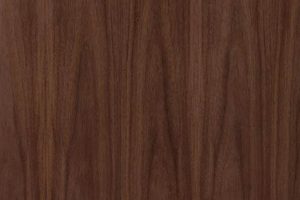
The pronounced grain of Douglas fir, characterized by distinctive lines and variations in color, is a defining aesthetic feature. The clear finish accentuates this natural pattern, allowing it to be fully visible and appreciated. This contrasts with painted or stained finishes that conceal the underlying wood grain. For example, in modern interior design, exposed Douglas fir beams with a clear finish are often used to create a rustic yet contemporary aesthetic, showcasing the wood’s natural beauty as a focal point.
- Warm Color Tone
Douglas fir exhibits a warm, reddish-brown hue that contributes to its aesthetic appeal. The clear finish preserves this natural color tone, adding warmth and character to the surrounding environment. This color is often favored in residential and commercial spaces seeking a welcoming and inviting atmosphere. Consider the use of this material in furniture, where its warm tones can complement a range of color schemes and design styles.
- Texture and Tactility
The texture of solid Douglas fir, even after the application of a clear finish, remains tactile and engaging. The finish allows the natural texture of the wood to be felt, providing a connection to the material’s origin. This sensory aspect is valued in designs that prioritize a natural and authentic feel. For instance, wood panels with a clear finish can add a tangible element to interior walls, creating a more engaging and visually interesting surface.
- Visual Harmony with Other Materials
The aesthetic qualities of solid Douglas fir with a clear finish often allow it to seamlessly integrate with other materials, such as metal, glass, and stone. Its natural appearance can provide a visual counterpoint to more modern or industrial elements, creating a balanced and harmonious design. In architectural applications, the wood can be combined with steel and concrete to create a dynamic interplay of textures and colors, resulting in visually striking and aesthetically pleasing spaces.
These aesthetic factors underscore the versatility and enduring appeal. By highlighting the wood’s natural beauty, the clear finish allows for a wide range of design applications, from rustic to contemporary, while maintaining a connection to the natural world. The selection of this material, therefore, is often driven by a desire to incorporate natural, warm, and visually appealing elements into the built environment, enhancing the overall aesthetic experience.
3. Sustainability
The sustainability of solid Douglas fir, particularly when combined with a clear finish, is intrinsically linked to responsible forestry practices. The source of the timber dictates its environmental impact; forests managed using sustainable principles ensure continuous regeneration, biodiversity preservation, and reduced carbon emissions. Certified sustainable forestry operations, such as those adhering to Forest Stewardship Council (FSC) standards, guarantee that harvesting occurs in a manner that minimizes ecological damage and supports long-term forest health. Choosing lumber from these sources directly supports sustainable forestry. For example, using certified Douglas fir in construction projects demonstrates a commitment to environmentally conscious building practices, reducing the demand for timber from unsustainable sources. The longevity of the wood, further enhanced by the protective clear finish, also contributes to its sustainability profile by minimizing the need for frequent replacements.
The clear finish applied also has sustainability implications. Traditional finishes may contain volatile organic compounds (VOCs), which contribute to air pollution and pose health risks. However, the availability of low-VOC or VOC-free clear finishes mitigates this concern. These environmentally friendly alternatives use water-based or plant-based solvents, reducing their impact on air quality and human health. The selection of such finishes is crucial for minimizing the overall environmental footprint. Furthermore, proper application and maintenance of the clear finish extend the lifespan of the Douglas fir, reducing the need for future harvesting and manufacturing. For example, using a low-VOC finish in furniture manufacturing reduces the environmental impact of the production process and improves indoor air quality for consumers.
In summary, the sustainability of solid Douglas fir hinges on responsible sourcing and the utilization of environmentally conscious finishing products. Certified sustainable forestry practices and the selection of low-VOC finishes are essential components of a sustainable approach. The durability of the wood, coupled with appropriate maintenance, further contributes to its long-term sustainability. By prioritizing these considerations, the environmental impact can be minimized, ensuring that this versatile material continues to be a viable option for construction and design, aligning with environmental stewardship goals and promoting a circular economy.
4. Applications
The utilization of solid Douglas fir with a clear finish spans a range of applications, each leveraging the material’s strength, aesthetic qualities, and workability. The following outlines key areas where this material is commonly employed and the rationale behind its selection.
- Residential Construction and Millwork
Solid Douglas fir is frequently used in residential construction for framing, beams, and millwork applications. Its structural integrity makes it suitable for load-bearing elements, while its straight grain and aesthetic appeal lend themselves to visible applications like exposed beams, trim, and molding. The clear finish enhances the natural beauty of the wood, creating a warm and inviting atmosphere. Examples include timber-frame homes where Douglas fir is the primary structural material, or custom-built cabinetry where the wood’s grain is intentionally highlighted. The relative affordability and availability of Douglas fir further contribute to its popularity in residential projects.
- Furniture Manufacturing
The material is often selected for furniture production, particularly for pieces where strength and aesthetics are paramount. Solid Douglas fir can be used to construct tables, chairs, beds, and shelving units. The clear finish allows the natural grain and color of the wood to be showcased, creating visually appealing and durable furniture items. Examples include rustic-style dining tables with solid Douglas fir tops, or modern shelving units with a minimalist design that highlights the wood’s natural characteristics. The ability to easily shape and join Douglas fir contributes to its versatility in furniture manufacturing.
- Interior Paneling and Accent Walls
Solid Douglas fir with a clear finish is commonly used for interior paneling and accent walls, adding texture and visual interest to interior spaces. The wood’s natural warmth and grain patterns create a welcoming and inviting atmosphere. Examples include feature walls in living rooms or offices, where the wood’s natural beauty becomes a focal point. The ease of installation and the availability of various paneling styles make Douglas fir a practical and aesthetically pleasing choice for interior applications. Its ability to complement a variety of design styles further enhances its versatility.
- Commercial Spaces and Retail Design
The combination of durability and aesthetic appeal makes this material suitable for commercial spaces and retail design. Solid Douglas fir can be used for flooring, wall paneling, shelving, and display fixtures. The clear finish provides a protective layer that withstands the wear and tear of high-traffic environments, while also showcasing the wood’s natural beauty. Examples include retail stores with Douglas fir flooring or display cases, and restaurants with wood-paneled walls or custom-built bar tops. The material’s ability to create a warm and inviting atmosphere contributes to a positive customer experience.
The diverse applications demonstrate the versatility of solid Douglas fir with a clear finish. Its inherent properties, combined with the aesthetic enhancement provided by the finish, make it a desirable material for a wide range of projects. These applications showcase the material’s ability to provide both structural integrity and visual appeal, making it a valuable asset in construction, manufacturing, and interior design.
5. Maintenance

Maintenance is crucial for preserving the integrity and aesthetics of solid Douglas fir with a clear finish. Neglecting proper care can lead to degradation, diminishing its inherent qualities and reducing its lifespan. Regular and appropriate maintenance practices are essential to uphold the material’s appearance and structural performance.
- Regular Cleaning
Routine cleaning prevents the accumulation of dust, dirt, and grime, which can dull the finish and abrade the wood surface over time. A soft cloth or duster is sufficient for removing loose particles. For more persistent dirt, a mild soap solution can be used, followed by thorough drying. Abrasive cleaners should be avoided, as they can scratch or damage the finish. Consistent cleaning preserves the clarity and luster, preventing premature wear and maintaining its visual appeal. An example is the regular dusting of a Douglas fir dining table to prevent the build-up of food residue and dust.
- Protection from Moisture
Solid Douglas fir, even with a clear finish, is susceptible to moisture damage. Prolonged exposure to water can cause warping, swelling, and discoloration. Spills should be wiped up immediately, and surfaces should be protected from excessive humidity. In areas prone to moisture, such as bathrooms or kitchens, a water-resistant sealant or varnish should be applied over the clear finish. Implementing these precautions minimizes the risk of moisture-related damage, ensuring the long-term stability of the material. For example, coasters should be used under beverages to prevent water rings on a Douglas fir coffee table.
- Refinishing and Repair
Over time, the clear finish may become scratched, chipped, or worn, compromising its protective qualities and affecting its appearance. Refinishing involves sanding down the existing finish and applying a fresh coat, restoring the wood’s original luster and providing renewed protection. Minor scratches and imperfections can be repaired with touch-up kits or specialized wood fillers. Regular inspection and timely refinishing prevent further deterioration, extending the lifespan of the material. For example, a worn clear finish on a Douglas fir floor can be sanded and reapplied to restore its shine and prevent water damage.
- UV Protection
Prolonged exposure to ultraviolet (UV) radiation can cause the clear finish to fade, yellow, or crack. Direct sunlight should be minimized through the use of window coverings, such as blinds or curtains. UV-resistant coatings can also be applied to protect the wood from harmful rays. Implementing these measures prevents UV-induced degradation, preserving the wood’s natural color and preventing premature aging. For example, UV-resistant film can be applied to windows to protect Douglas fir furniture from sun damage.
These facets of maintenance are integral to the preservation of solid Douglas fir with a clear finish. Diligent care, encompassing regular cleaning, moisture protection, timely refinishing, and UV protection, ensures the longevity, appearance, and structural integrity of the material, maximizing its value and minimizing the need for costly repairs or replacements. The careful attention to detail in maintenance sustains the beauty and durability for years to come.
Frequently Asked Questions
The following addresses common inquiries regarding the characteristics, applications, and maintenance of the specified material.
Question 1: What distinguishes this material from other types of wood?
Douglas fir possesses a high strength-to-weight ratio and a distinctive grain pattern. When presented as a solid piece, the material offers enhanced structural capabilities compared to engineered wood products. The transparent coating allows the natural beauty of the wood to remain visible, contrasting with opaque finishes that conceal the underlying grain.
Question 2: What are the primary applications?
This material finds use in construction framing, interior millwork, furniture manufacturing, and decorative applications. Its strength and aesthetic qualities make it suitable for both structural and visual elements.
Question 3: How should this material be properly maintained?
Regular cleaning with a mild soap solution and protection from excessive moisture are essential. Periodic refinishing may be necessary to address wear and maintain the integrity of the finish.
Question 4: Is it suitable for outdoor use?
While Douglas fir possesses moderate resistance to decay, exterior applications require additional protective measures, such as pressure treating or the application of specialized coatings. Without such treatments, prolonged exposure to the elements can lead to degradation.
Question 5: What factors influence its cost?
The cost is influenced by the grade of the lumber, the source of the timber, and the type of clear finish applied. Sustainably sourced materials and premium finishes may command a higher price.
Question 6: What are the environmental considerations?
Sourcing from sustainably managed forests is crucial for minimizing the environmental impact. The use of low-VOC finishes is also recommended to reduce air pollution and promote a healthier environment.
In conclusion, the successful utilization hinges on a clear understanding of its properties, proper maintenance practices, and a commitment to responsible sourcing.
The subsequent section will delve into case studies that illustrate best practices.
Solid Douglas Fir with Clear Finish
This examination has elucidated the defining characteristics, diverse applications, and essential maintenance protocols associated with solid Douglas fir treated with a transparent coating. From its inherent strength and aesthetic appeal to its utilization in construction, furniture, and interior design, the material presents a compelling combination of structural integrity and visual warmth. Adherence to sustainable sourcing practices and the application of environmentally responsible finishes are paramount to responsible use.
Consideration of the information presented herein is essential for informed decision-making regarding material selection and implementation. As environmental consciousness continues to shape the built environment, responsible stewardship of resources, exemplified by the mindful application of solid Douglas fir, remains of critical importance. Further research and adherence to best practices are encouraged to maximize the longevity, performance, and sustainability.