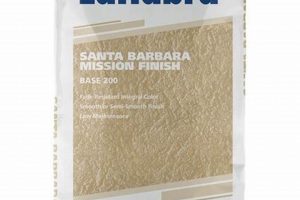
Surface treatments, specifically those unique and proprietary applications that define a brand or artisan’s work, are critical components of high-end product design. These specialized processes impart not only aesthetic distinction, through color, texture, and sheen, but also enhanced functional properties. An example would be a furniture makers hand-rubbed oil application that brings out the natural grain of the wood while providing a durable, water-resistant layer.
The application of such distinctive processes yields substantial advantages. They contribute significantly to brand recognition and establish a perception of quality and exclusivity. Historically, the mastery of specific techniques, passed down through generations of craftspeople, often formed the cornerstone of a company’s reputation. These processes, which are deeply rooted in tradition, have become symbols of craftsmanship, longevity and quality.
The subsequent sections will delve into a more detailed analysis of the creation, application, and economic impact of these specialized treatments across various industries, including automotive, architecture, and consumer electronics. The discussion will explore the evolving trends and technological advancements in this field.
Mastering Distinctive Surface Treatments
The following guidance offers a strategic approach to achieving superior and recognizable results in product and architectural design through specialized surface applications.
Tip 1: Material Selection and Compatibility: Rigorously test any proposed treatment on the substrate material. Incompatible combinations can result in adhesion failures, discoloration, or structural weakness. For example, solvent-based coatings may degrade certain plastics.
Tip 2: Controlled Application Environment: Maintain a stable and controlled environment, including temperature, humidity, and air quality, during application. Environmental fluctuations can negatively impact the uniformity and durability of the treatment, especially for reactive coatings.
Tip 3: Process Documentation and Standardization: Meticulously document each stage of the application process, including material ratios, application techniques, curing times, and environmental parameters. This ensures consistency and facilitates troubleshooting.
Tip 4: Investment in Specialized Equipment: Acquire or invest in the appropriate application equipment. Proper equipment is crucial for achieving the desired aesthetic and functional characteristics. This may involve spray booths, curing ovens, or specialized polishing tools.
Tip 5: Rigorous Quality Control Procedures: Implement a robust quality control program that includes visual inspection, adhesion testing, and performance testing under simulated use conditions. This ensures that the applied surface treatment meets established standards and customer expectations.
Tip 6: Focus on Sustainability: Wherever possible, prioritize environmentally responsible materials and application methods. This can include using water-based coatings, reducing VOC emissions, and optimizing energy consumption during the application process.
Tip 7: Consider the End-User Environment: Choose a treatment that is appropriate for the anticipated usage conditions. The treatment must be resistant to wear, abrasion, chemical exposure, and UV radiation as needed. A treatment appropriate for interior use may not be suitable for exterior application.
Mastering distinctive surface treatments requires a meticulous approach, emphasizing compatibility, controlled conditions, standardization, appropriate equipment, and rigorous quality control. Sustainable practices and an understanding of the intended environment for the final product are also essential for long-term success.
The following sections will explore specific examples of successful implementation across various industries, highlighting innovative techniques and the impact on product differentiation.
1. Material Compatibility

Material compatibility is a foundational element in achieving distinctive surface treatments. The successful adhesion and performance of any coating or finish depend fundamentally on the chemical and physical compatibility between the treatment and the substrate material. A mismatch can lead to delamination, cracking, or premature failure, negating any desired aesthetic or functional benefits. For example, applying an incompatible primer to a metal surface can prevent the subsequent topcoat from adhering correctly, resulting in peeling and corrosion.
Consider the application of powder coatings to aluminum alloys. The alloy’s surface properties, including its oxide layer, require specific pretreatments and compatible powder coating formulations. If the pretreatment is insufficient or the powder coating is chemically reactive with the alloy, blistering or corrosion can occur, compromising the integrity of the finish. Similarly, in the woodworking industry, certain stains or sealants can react adversely with specific wood species, leading to discoloration or an uneven finish. Selection is thus paramount.
Understanding material interactions is crucial in ensuring the longevity and aesthetic appeal of specialized surface applications. Careful consideration of material properties, coupled with rigorous testing and adherence to manufacturer specifications, is essential for achieving the desired outcome. The interplay between material compatibility and overall finish quality cannot be overstated. It forms a critical link in establishing finishes that are not only visually appealing but also durable and resistant to degradation.
2. Application Consistency
Application consistency is integral to the success of signature finishes. Variance in application, regardless of the quality of materials or the sophistication of the process, directly undermines the intended aesthetic and functional qualities of the surface treatment. Uniformity in film thickness, evenness of texture, and precise adherence to color standards are paramount. Inconsistent application can result in visible imperfections, such as streaks, sags, or color variations, thereby diminishing the perceived value and distinctiveness of the finish. For example, a luxury watch brand employing a specific brushed finish on its cases must ensure that each component receives identical treatment to maintain brand standards and prevent inconsistencies among individual units.
The implementation of automated application processes often provides a pathway to achieving the requisite consistency. Robotic spray systems, for instance, can apply coatings with greater precision and repeatability than manual methods. However, automated systems require careful calibration, monitoring, and maintenance to avoid introducing new sources of inconsistency. Regular inspections of spray nozzles, fluid pressures, and conveyor speeds are necessary to maintain optimal performance. In industries such as automotive manufacturing, where consistent paint finishes are crucial for both aesthetic appeal and corrosion protection, sophisticated monitoring systems are deployed to track and adjust application parameters in real time. This underscores the critical role of technological controls.
Ultimately, the pursuit of signature finishes hinges on a commitment to consistency throughout the entire application process. From surface preparation to final curing, each step must be meticulously controlled and monitored to minimize variability. The value of a unique surface treatment is directly proportional to its reliable reproduction. Challenges in achieving consistency often stem from human error, equipment malfunctions, or environmental fluctuations. Successfully addressing these challenges requires a combination of rigorous process control, advanced technology, and a highly trained workforce. This diligent approach not only preserves the integrity of the finish but also reinforces the brand’s commitment to quality and attention to detail.
3. Environmental Resistance

Environmental resistance is a critical attribute of signature finishes. The capacity of a surface treatment to withstand environmental stressors directly determines its longevity, aesthetic integrity, and functional performance. A surface treatment that fails to resist degradation from environmental factors cannot maintain its distinctiveness or protective qualities over time, thus undermining its intended purpose.
- UV Radiation Protection
Exposure to ultraviolet (UV) radiation from sunlight is a primary cause of degradation in many finishes. UV radiation can break down chemical bonds in polymers, leading to discoloration, chalking, and a loss of gloss. Incorporating UV absorbers and stabilizers into the formulation of the finish mitigates these effects, preserving the color and integrity of the treatment. For instance, automotive paints designed for outdoor use require robust UV protection to prevent fading and maintain their original appearance over years of exposure.
- Moisture and Humidity Resistance
Moisture and humidity can induce a range of detrimental effects, including corrosion, blistering, and fungal growth. Formulating finishes with hydrophobic properties or incorporating corrosion inhibitors can significantly enhance their resistance to moisture-related degradation. Marine coatings, for example, are specifically designed to withstand prolonged exposure to saltwater and high humidity, protecting metal surfaces from corrosion and maintaining their structural integrity.
- Chemical Resistance
Exposure to chemicals, such as acids, bases, solvents, and detergents, can degrade or dissolve certain surface treatments. Selecting chemically resistant materials and applying protective topcoats can provide a barrier against chemical attack. Laboratory countertops, for instance, require finishes that are resistant to a wide range of corrosive chemicals to ensure their durability and functionality.
- Thermal Stability
Fluctuations in temperature can induce thermal stress, leading to cracking, warping, or delamination of finishes. Formulating finishes with compatible coefficients of thermal expansion and incorporating reinforcing additives can improve their resistance to thermal cycling. Aircraft coatings, for example, must withstand extreme temperature variations experienced during flight without compromising their adhesion or protective properties.
The facets of environmental resistance detailed above are essential considerations in the development and selection of signature finishes. A surface treatment’s capacity to withstand UV radiation, moisture, chemical exposure, and thermal stress directly impacts its long-term performance and visual appeal. The investment in high-quality, environmentally resistant finishes is a strategic decision that preserves the value and distinctiveness of products and structures over their lifespan. This focus is vital in applications where the finish is not only a visual signature, but a safeguard against environmental compromise.
4. Aesthetic Uniqueness

Aesthetic uniqueness is a cornerstone of what constitutes a “signature finish.” Without a distinct visual identity, a surface treatment risks blending into the commonplace, failing to provide the desired recognition and brand differentiation. The effect of a successfully realized unique aesthetic is the immediate association of a product with a particular brand or designer. The underlying cause is typically a combination of carefully chosen materials, expertly executed application techniques, and a design vision that sets the finish apart from conventional options. It elevates a functional element to a defining characteristic.
The importance of aesthetic uniqueness can be illustrated through examples in the luxury goods market. Certain watch manufacturers, for instance, utilize proprietary alloys and finishing processes that impart a distinctive color and texture to their cases. This instantly recognizable appearance serves as a visual cue, communicating quality and exclusivity. Similarly, in the automotive industry, specific paint formulations that create a shimmering, multi-dimensional effect have become synonymous with particular models and manufacturers. These finishes not only enhance visual appeal but also contribute significantly to the perceived value and brand identity of the product. The practical result is often increased market share and customer loyalty.
In conclusion, aesthetic uniqueness is not merely a desirable add-on but an essential component of any “signature finish.” The pursuit of this uniqueness demands a holistic approach that considers material selection, application processes, and design vision. The challenges lie in balancing innovation with practicality and ensuring that the aesthetic treatment remains consistent and durable over time. Understanding this connection is of practical significance for companies seeking to establish a strong brand identity and differentiate their products in a competitive marketplace. The benefits of a successful implementation are amplified brand recognition and a heightened perception of value.
5. Process Control

Process control is inextricably linked to the realization of “signature finishes.” Deviations in any stage of the process, from initial material preparation to final curing, can compromise the aesthetic and functional properties that define a distinctive surface treatment. Establishing and maintaining stringent process control measures are, therefore, not merely procedural but essential to achieving the desired outcome and ensuring reproducibility. Any flaw, no matter how minute, can undo extensive preparation.
The automotive industry offers a compelling example. The application of multi-layer paint systems, often involving metallic or pearlescent pigments, requires precise control over parameters such as spray pressure, nozzle distance, paint viscosity, and curing temperature. Even minor variations in these parameters can lead to color inconsistencies, mottling, or defects in the clear coat. Consequently, automotive manufacturers invest heavily in automated paint lines with sophisticated monitoring and control systems to ensure uniformity and minimize defects. Similarly, the creation of anodized finishes on aluminum components requires tight control over electrolytic bath chemistry, voltage, and immersion time. Inadequate process control can result in uneven coating thickness, color variations, or reduced corrosion resistance. The result is that the final product falls short of expectations.
Effective process control involves a multifaceted approach that includes rigorous quality checks at each stage of production, statistical process control (SPC) techniques to monitor and minimize process variability, and comprehensive documentation to facilitate troubleshooting and continuous improvement. The practical significance of understanding this connection lies in the ability to consistently deliver high-quality, distinctive finishes that meet stringent performance requirements and enhance product value. Challenges in implementing effective process control often stem from the complexity of the processes involved, the need for specialized equipment and expertise, and the difficulty of maintaining consistent operating conditions. However, overcoming these challenges is crucial for manufacturers seeking to establish a competitive advantage through the creation of unique and highly desirable surface treatments. The broader theme of quality is central.
6. Durability Enhancement

Durability enhancement is an intrinsic element of signature finishes. The purpose is to ensure the longevity and sustained aesthetic appeal of a surface treatment. A finish, regardless of its initial visual appeal, fails as a signature element if it lacks resistance to wear, abrasion, corrosion, or other forms of degradation. The value of a signature finish lies not only in its distinctiveness but also in its ability to maintain its unique characteristics over extended periods. A clear example is the application of Physical Vapor Deposition (PVD) coatings on high-end watch components. These coatings, known for their exceptional hardness and resistance to scratching, ensure that the finish retains its pristine appearance even under demanding usage conditions. The causal relationship is clear: enhanced durability directly translates to a longer-lasting and more valuable signature finish.
Practical applications of durability enhancement techniques are evident across various industries. In the automotive sector, specialized paint formulations incorporating ceramic nanoparticles are used to increase scratch resistance and prevent swirl marks, preserving the finish’s original gloss and color. The architectural industry employs powder coatings with enhanced UV resistance to protect metal cladding from fading and chalking, ensuring long-term aesthetic integrity. The selection of appropriate materials and application methods, tailored to the specific environmental conditions and usage patterns, is paramount. For instance, a furniture manufacturer offering a signature finish on outdoor furniture must prioritize weather resistance and UV protection to prevent degradation from prolonged exposure to sunlight and moisture. Such proactive consideration ensures the finish remains attractive and functional, upholding the brand’s reputation for quality.
In summary, durability enhancement is a critical component of signature finishes, ensuring that the distinctive qualities of a surface treatment are preserved over time. Overcoming challenges related to material selection, application techniques, and environmental considerations is essential for achieving the desired level of durability. The practical significance of this understanding lies in the ability to create finishes that not only enhance the aesthetic appeal of products but also contribute to their long-term value and customer satisfaction. Investing in durability enhancement measures is a strategic decision that yields tangible benefits, reinforcing brand identity and establishing a reputation for quality and reliability. A holistic approach is required.
7. Brand Identity
Brand identity, as expressed through distinct surface treatments, becomes a tangible representation of a company’s values and aesthetic principles. The selection and execution of a particular finish transcend mere decoration; it communicates a deliberate message about quality, innovation, and attention to detail. This association forms a crucial element in customer perception and brand recognition.
- Visual Differentiation
Distinctive surface treatments create immediate visual differentiation in a competitive marketplace. A unique color, texture, or sheen can become a recognizable marker, allowing consumers to instantly identify a product with a specific brand. For instance, a particular shade of blue consistently used by a consumer electronics company becomes closely associated with their product line, creating brand recognition.
- Communicating Quality
The selection and execution of a signature finish can communicate the level of quality associated with a brand. High-end materials, meticulous craftsmanship, and durable coatings signal a commitment to excellence. Conversely, a poorly executed finish, irrespective of its initial design, can undermine the perceived value of a product. As such, finishes become vital in conveying intrinsic value.
- Reinforcing Brand Values
Surface treatments can reinforce a brand’s core values. A company emphasizing sustainability may opt for finishes made from recycled materials or applied using environmentally friendly processes. Similarly, a brand focused on innovation may utilize cutting-edge coating technologies to achieve unique aesthetic or functional properties. Alignment with brand ethics is essential.
- Enhancing Customer Experience
A well-chosen signature finish can significantly enhance the customer experience. The tactile feel, visual appeal, and durability of a surface treatment contribute to the overall satisfaction of owning and using a product. This creates a sensory connection with the brand, fostering loyalty and positive associations. Therefore, sensory details are valuable.
The strategic implementation of surface treatments within brand identity is a critical consideration for companies seeking to establish a strong and memorable presence in the market. The consistency and quality of a signature finish across all products contribute to the creation of a unified brand image, building trust and fostering lasting relationships with consumers. The effects are multifaceted, ranging from increased sales to brand recognition.
Frequently Asked Questions About Signature Finishes
The following addresses common inquiries regarding the selection, application, and maintenance of distinctive surface treatments.
Question 1: What defines a “signature finish” and differentiates it from a standard coating?
A signature finish is characterized by its uniqueness, application process and durability that consistently represents a brand or artisan. It typically involves specialized materials, application techniques, or design elements that distinguish it from conventional coatings.
Question 2: How does the selection of materials impact the longevity of a signature finish?
Material compatibility is paramount. Incompatible combinations can lead to delamination, discoloration, or premature failure. Rigorous testing and adherence to manufacturer specifications are essential for ensuring long-term durability.
Question 3: What role does process control play in achieving a consistent signature finish?
Process control is critical. Variations in application parameters, such as spray pressure, temperature, or curing time, can lead to inconsistencies in color, texture, and adhesion. Strict process control measures, including regular quality checks and statistical process control (SPC) techniques, are necessary to minimize variability.
Question 4: How can environmental resistance be enhanced in a signature finish?
Environmental resistance can be enhanced by incorporating UV absorbers, corrosion inhibitors, or hydrophobic additives into the finish formulation. The choice of materials and application methods should be tailored to the specific environmental conditions to which the finish will be exposed.
Question 5: What steps should be taken to maintain a signature finish and prevent damage?
Maintenance protocols vary depending on the finish type. However, regular cleaning with appropriate cleaning agents, avoidance of harsh chemicals or abrasive materials, and prompt repair of any damage are essential for preserving its appearance and integrity.
Question 6: What factors should be considered when selecting a signature finish to align with a brand’s identity?
A signature finish must align with a brand’s values, aesthetic principles, and target audience. Factors to consider include the finish’s visual distinctiveness, its ability to communicate quality and craftsmanship, and its consistency with other brand elements.
The key to successfully implementing and maintaining a signature finish lies in understanding the interplay of material selection, application consistency, environmental resistance, and process control.
Signature Finishes
The preceding exploration has detailed the multifaceted nature of signature finishes, emphasizing their significance in brand identity, product differentiation, and overall quality perception. From material compatibility to process control, the mastery of specialized surface treatments demands a comprehensive understanding of the factors influencing their aesthetic and functional properties. The rigorous application of the principles outlined herein is essential for achieving a distinctive and lasting impression.
The pursuit of exceptional surface treatments requires continuous innovation and a commitment to excellence. As technology advances and consumer expectations evolve, the ability to create and maintain unique and durable finishes will become increasingly critical for businesses seeking to establish a competitive advantage and leave a lasting mark on their respective industries. The creation of exemplary work will prove to be a strategic imperative.