A systematic series of actions is necessary to transform an unfinished subterranean space into a functional and aesthetically pleasing living area. These actions encompass a range of construction tasks, typically beginning with planning and ending with the final touches of decoration. For example, the sequence may involve framing walls, installing insulation, running electrical wiring and plumbing, and applying drywall before any cosmetic work occurs.
Completing the structure of a lower level provides considerable value to a property by adding habitable square footage. Successfully executed construction can significantly increase property value, expand living space for growing families, or generate rental income. Historically, lower-level modifications were often undertaken to create storm shelters or utilitarian storage areas; contemporary projects increasingly focus on creating versatile, comfortable living spaces.
The main body of this article will elaborate on the specific processes involved, detailing essential considerations for each phase. This will include topics such as ensuring proper waterproofing, selecting appropriate materials, adhering to building codes, and managing the project from start to completion.
Essential Considerations for Subterranean Space Transformation
Successful completion of a lower-level improvement project hinges on careful planning and adherence to best practices. The following points provide critical insights for optimizing the process.
Tip 1: Address Moisture Intrusion: Prior to initiating any construction, ensure the subterranean area is properly waterproofed. This includes inspecting the foundation for cracks, applying sealant, and potentially installing a French drain system to divert water away from the foundation walls. Ignoring moisture issues can lead to mold growth and structural damage.
Tip 2: Confirm Building Code Compliance: Adherence to local building codes is mandatory. Obtain the necessary permits and understand requirements for egress windows, fire-resistant materials, ceiling height, and electrical wiring. Failure to comply can result in costly rework and legal penalties.
Tip 3: Plan Efficient Lighting and Ventilation: Subterranean areas often lack natural light and adequate ventilation. Incorporate recessed lighting, strategically placed windows (if possible), and a high-quality ventilation system to create a comfortable and healthy environment.
Tip 4: Choose Moisture-Resistant Materials: Select building materials specifically designed for below-grade environments. This includes moisture-resistant drywall, treated lumber, and flooring options that can withstand humidity. Preventing moisture damage will extend the lifespan of the finished structure.
Tip 5: Prioritize Proper Insulation: Effective insulation is crucial for maintaining a consistent temperature and reducing energy costs. Use closed-cell spray foam insulation to create an airtight barrier against moisture and improve thermal performance.
Tip 6: Plan for Utilities: Carefully map out the location of electrical outlets, plumbing fixtures, and HVAC systems before framing walls. Consider future needs and ensure sufficient capacity to accommodate appliances, lighting, and other electronic devices.
Tip 7: Soundproofing Considerations: For entertainment rooms or home offices, consider soundproofing measures. This can involve using resilient channels, sound-dampening insulation, and solid-core doors to minimize noise transmission.
Implementing these considerations will ensure the project provides a functional, comfortable, and code-compliant addition to the property. Thorough planning and diligent execution are essential for long-term success.
The next section will focus on specific aspects of the overall project such as budgeting and scheduling to help in navigating the project.
1. Planning and Design

The initial stage, encompassing comprehensive planning and design, is paramount for any subterranean space finishing project. This phase directly influences the subsequent execution and overall success of the undertaking by establishing a clear roadmap and addressing potential challenges proactively.
- Space Optimization and Layout
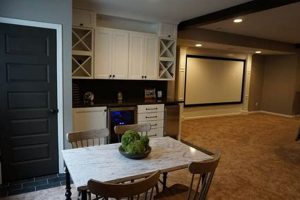
This facet involves determining the intended use of the finished space, leading to a functional layout that maximizes usable square footage. Examples include designating areas for a home theater, home office, or guest suite. Considerations should encompass traffic flow, furniture placement, and the integration of existing structural elements like support columns or utility access points.
- Code Compliance and Permitting
Adherence to local building codes is non-negotiable and necessitates a thorough understanding of requirements related to ceiling height, egress windows, fire safety, and electrical systems. Obtaining the necessary permits prior to commencement is a critical step, preventing potential legal ramifications and ensuring the project meets safety standards. Failure to comply can result in costly rework or project termination.
- Budgeting and Resource Allocation
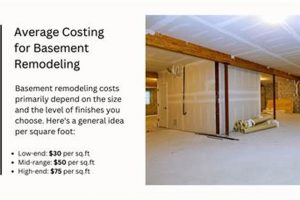
A detailed budget is essential to controlling project costs and ensuring financial feasibility. This involves estimating expenses for materials, labor, permits, and potential unforeseen issues. Prioritizing essential elements, such as waterproofing and structural integrity, over purely cosmetic upgrades helps to allocate resources effectively and mitigate financial risks. Resource allocation should also consider project timelines and availability of skilled tradespeople.
- Material Selection and Aesthetics
Selecting appropriate building materials is crucial, considering factors like moisture resistance, durability, and aesthetic appeal. Options should be evaluated based on their suitability for below-grade environments. The design plan also dictates the overall aesthetic direction, encompassing color palettes, flooring choices, and lighting fixtures, which collectively contribute to the desired ambiance and functionality of the finished space.
These interconnected elements of planning and design serve as the foundation for a successful subterranean space transformation. Thorough attention to detail in this phase minimizes the risk of costly errors, ensures regulatory compliance, and maximizes the long-term value and enjoyment of the finished area. The initial design stage allows for adjustments and alterations that become significantly more complex and expensive to implement later in the process.
2. Moisture Mitigation

Moisture mitigation constitutes a foundational element within subterranean space finishing. Its connection is not merely incidental but rather intrinsically linked, influencing structural integrity and long-term habitability. Subterranean environments are inherently susceptible to moisture intrusion from groundwater, precipitation runoff, and condensation. If unaddressed, this moisture initiates a cascade of detrimental effects, including mold growth, wood rot, corrosion of metallic components, and compromised indoor air quality. These consequences directly undermine the value and usability of a finished space. A property owner who neglects adequate moisture mitigation during their completion efforts might face substantial remediation costs and health risks. Effective moisture mitigation serves as a preventive measure, protecting the investment and ensuring a healthy living environment.
Specific methods for moisture mitigation vary based on site-specific conditions and building characteristics. These include exterior waterproofing measures, such as applying sealant to foundation walls and installing drainage systems. Interior techniques include installing vapor barriers, utilizing dehumidifiers, and employing moisture-resistant building materials. For instance, using closed-cell spray foam insulation not only provides thermal insulation but also acts as a barrier against moisture penetration. Similarly, cementitious coatings can be applied to interior foundation walls to further reduce water vapor transmission. Choosing appropriate flooring options, such as epoxy coatings or waterproof laminate, can also minimize the impact of moisture exposure.
In summary, moisture mitigation is not an optional add-on but rather a prerequisite for successful subterranean space finishing. Failure to address potential moisture problems can lead to costly repairs, health hazards, and a compromised living environment. By integrating appropriate moisture mitigation strategies into the overall completion plan, property owners can protect their investment and ensure a durable, healthy, and comfortable living space. Therefore, it represents a non-negotiable component of the process rather than an ancillary consideration.
3. Framing and Insulation

Framing and insulation represent critical sequential stages within subterranean space finishing. These stages define the structural framework and thermal performance of the finished area, directly impacting its functionality, comfort, and energy efficiency.
- Framing for Spatial Definition
Framing establishes the layout of rooms and interior walls. This involves constructing a skeletal framework using wood or metal studs, creating the boundaries of living spaces, closets, and hallways. Proper framing ensures structural integrity, providing support for drywall, electrical wiring, and plumbing. Accurate framing is essential to achieving a level, square, and plumb structure, directly affecting the overall aesthetic and functional quality of the completed area.
- Insulation for Thermal Performance
Insulation regulates temperature and reduces energy costs. Placement within the framed wall cavities creates a thermal barrier, minimizing heat transfer between the interior and exterior environments. Insulation materials, such as fiberglass batts, spray foam, or rigid foam boards, are selected based on their R-value (thermal resistance) and suitability for below-grade applications. Effective insulation prevents condensation, reduces drafts, and contributes to a comfortable and energy-efficient living space.
- Code Compliance and Safety
Framing and insulation must adhere to local building codes and safety regulations. These codes specify minimum stud spacing, fire-resistant materials, and insulation R-values. Compliance ensures the structural stability and safety of the finished area, preventing potential hazards such as fire spread and structural collapse. Inspections are typically required to verify code adherence. Failure to comply can result in costly rework and legal penalties.
- Moisture Management Integration
Framing and insulation are intrinsically linked to moisture management. Proper framing techniques, such as leaving a gap between the framing and foundation walls, can improve airflow and prevent moisture accumulation. Insulation materials should be selected for their moisture resistance, preventing mold growth and maintaining thermal performance. Integrated moisture management strategies are crucial for preserving the structural integrity and indoor air quality of the finished area.
The integration of framing and insulation within the process requires meticulous planning and execution. Accurate framing ensures structural soundness and spatial definition, while effective insulation regulates temperature and reduces energy costs. Adherence to building codes and moisture management strategies further enhances the long-term durability and comfort of the finished subterranean space. Together, these stages establish the foundation for a functional, energy-efficient, and comfortable living area.
4. Electrical and Plumbing
Electrical and plumbing systems are integral components within the overall process. The absence of properly installed and code-compliant systems renders the finished space uninhabitable and unsafe. Electrical wiring provides power for lighting, appliances, and electronic devices, while plumbing supplies water for fixtures such as sinks, toilets, and showers, and removes wastewater. These systems require careful planning and professional installation to ensure functionality and safety.
Improperly installed electrical wiring poses a significant fire hazard, while inadequate plumbing can lead to water damage and mold growth. Building codes mandate specific requirements for wiring gauge, outlet placement, GFCI protection, pipe materials, and drainage slopes. For example, adding a bathroom necessitates extending water supply lines and installing a drain line connected to the main sewer line. Electrical work must account for increased load demands from new appliances and lighting fixtures. Failure to adhere to these requirements can result in electrical shocks, plumbing leaks, and costly repairs. A common example involves homeowners neglecting to install a backwater valve on the main sewer line, leading to sewage backup during heavy rainfall. Professional installation by licensed electricians and plumbers is crucial to ensure code compliance and prevent such issues.
In conclusion, electrical and plumbing represent essential elements within subterranean space transformation. They provide functionality and require compliance with building codes to ensure safety and prevent damage. Integrating these systems effectively is not merely a matter of convenience but a fundamental prerequisite for a habitable and functional area. Addressing electrical and plumbing needs comprehensively contributes significantly to the long-term value and usability of the finished space. Therefore, these systems demand meticulous planning, professional installation, and adherence to regulatory standards.
5. Drywall Installation
Drywall installation constitutes a critical phase within the structured progression of subterranean space transformation. Serving as the interior wall and ceiling surface, it fundamentally defines the aesthetic and functional qualities of the finished area. The proper execution of this phase directly influences the subsequent painting, texturing, and overall appearance. A flawed drywall installation, characterized by uneven seams, nail pops, or improper mudding, compromises the visual appeal and necessitates costly corrective measures. Consequently, proficiency in drywall installation is not merely a cosmetic consideration; it is integral to achieving a professional and durable outcome.
The process encompasses several key stages, each demanding specific skills and attention to detail. These stages typically include cutting drywall sheets to size, securing them to the framing studs using screws, applying joint compound to seams and fastener indentations, sanding the dried compound to create a smooth surface, and priming the surface for painting. For instance, in a recreation area, precise drywall installation ensures a level surface suitable for mounting a large-screen television. Similarly, in a home office, smooth walls contribute to a professional and visually uncluttered workspace. Furthermore, the choice of drywall type can impact the area’s resistance to moisture and mold, which is especially critical in subterranean environments.
In summary, drywall installation is not a discrete element, but rather an interdependent component within the broader framework of subterranean space finishing. Its successful completion directly correlates with the aesthetic appeal, functional utility, and long-term durability of the finished space. Addressing drywall installation with meticulous planning and skilled execution is essential for realizing the full potential of the transformed subterranean environment.
6. Code Compliance

Code compliance functions as an indispensable component within subterranean space transformation, acting as a governing framework that dictates acceptable practices and safety standards for each stage of the process. The relationship is not merely advisory but obligatory; adherence to building codes is legally mandated to ensure the structural integrity, safety, and habitability of the finished space. Failure to comply initiates a cascade of potential consequences, ranging from project delays and costly rework to legal penalties and compromised safety for occupants. Code compliance integrates directly into the various stages of the process, from initial planning and design to framing, electrical wiring, plumbing, and fire safety measures.
Consider, for example, the requirement for egress windows. Building codes often mandate that any habitable subterranean room must have at least one operable window or door leading directly to the outside, allowing occupants to escape in the event of a fire. Ignoring this requirement not only violates building codes but also creates a significant safety hazard. Similarly, electrical wiring must meet specific standards for grounding, insulation, and circuit protection to prevent electrical shocks and fires. Plumbing systems must be installed according to code to ensure proper drainage and prevent water contamination. In practice, adhering to codes may necessitate modifications to the original plan, increasing project costs and timelines. However, the long-term benefits of code compliance, including enhanced safety, reduced liability, and increased property value, outweigh the initial challenges.
In conclusion, code compliance is not an optional consideration but a fundamental aspect of any subterranean transformation project. It governs all stages, ensuring safety and functionality. Understanding the specific code requirements applicable to a given jurisdiction is essential for avoiding costly errors, ensuring regulatory compliance, and creating a safe and habitable living space. Neglecting this critical element can lead to significant financial and legal repercussions, ultimately undermining the success of the project. Therefore, meticulous adherence to code compliance constitutes a non-negotiable aspect of responsible space transformation.
7. Finishing Touches

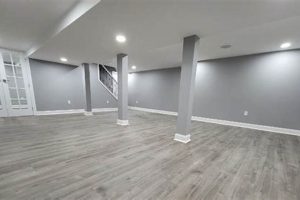
The element known as “Finishing Touches” represents the culmination of all prior “basement finishing steps.” It is the stage where functional spaces transform into habitable and aesthetically pleasing environments. This phase addresses cosmetic details and functional refinements that elevate the project beyond basic structural completion. The quality of the initial steps directly influences the effectiveness and impact of these final actions.
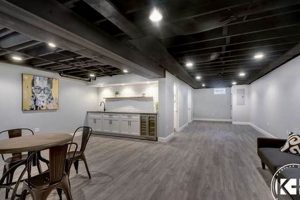
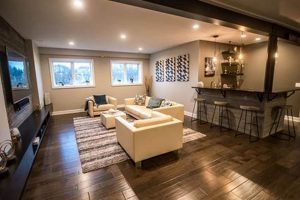
The selection and installation of flooring, painting of walls, addition of trim and molding, installation of light fixtures, and placement of hardware are typical components. For example, a properly prepared and primed wall surface ensures a smooth and even paint finish, enhancing the visual appeal of the space. Conversely, inadequate preparation results in uneven color distribution and premature paint failure. Similarly, the choice of light fixtures impacts the ambiance and functionality of the space, providing adequate illumination for various activities. The absence of careful planning during earlier steps can create constraints during the execution of these final elements.
In summary, “Finishing Touches” are not mere afterthoughts but rather integral components of the larger “basement finishing steps” process. Their successful implementation hinges upon the meticulous execution of prior stages. The integration of careful planning and skilled execution at each step ensures a functional, aesthetically pleasing, and valuable completed subterranean living space. Neglecting earlier actions diminishes the impact and longevity of the final appearance.
Frequently Asked Questions about Basement Finishing Steps
The following questions address common concerns and misconceptions regarding subterranean space completion, providing concise answers to assist in project planning and execution.
Question 1: Is a permit required for subterranean space finishing?
Local building codes generally mandate permits for any structural alterations, including subterranean space finishing. Permit requirements vary by jurisdiction and project scope. Failure to obtain required permits can result in fines, project delays, and potential legal issues.
Question 2: What is the best approach to address moisture issues in a subterranean area?
Addressing moisture issues requires a multi-faceted approach. This includes exterior waterproofing measures, such as sealant and drainage systems, as well as interior techniques like vapor barriers, dehumidifiers, and moisture-resistant materials. A professional assessment is recommended to determine the most effective solution.
Question 3: What type of insulation is most suitable for subterranean walls?
Closed-cell spray foam insulation is generally recommended for subterranean walls. It provides a high R-value, acts as a moisture barrier, and conforms to irregular surfaces. Alternative options include rigid foam boards or fiberglass batts with a vapor barrier, although these may be less effective in preventing moisture intrusion.
Question 4: What is the minimum ceiling height required for a finished subterranean space?
Building codes typically specify a minimum ceiling height for habitable subterranean spaces, often around seven feet. This requirement ensures adequate headroom and prevents the space from being classified as uninhabitable. Specific requirements vary by jurisdiction.
Question 5: How should electrical wiring and plumbing be handled in a subterranean finishing project?
Electrical wiring and plumbing must be installed by licensed professionals in accordance with building codes. This includes proper grounding, GFCI protection, pipe materials, and drainage slopes. Neglecting these requirements can create safety hazards and code violations.
Question 6: What are the key considerations for fire safety in a finished subterranean space?
Fire safety measures include egress windows or doors, smoke detectors, fire-resistant materials, and proper electrical wiring. Egress windows provide an emergency escape route, while smoke detectors alert occupants to a fire. Building codes specify minimum fire safety requirements for habitable spaces.
These questions highlight the importance of careful planning, code compliance, and professional execution in subterranean space finishing. Adhering to these guidelines helps ensure a safe, functional, and valuable addition to the property.
The next section will explore common mistakes during the process and how to avoid them.
Conclusion
The exploration of “basement finishing steps” reveals a complex undertaking necessitating diligent planning and execution. Key points encompass moisture mitigation, code compliance, and the integration of essential systems such as electrical and plumbing. Successful completion hinges upon adhering to established best practices and understanding local regulatory requirements. Overlooking any of these elements introduces the potential for costly errors and safety hazards.
Therefore, embarking on this project demands careful consideration of all stages, from initial design to final finishing touches. A commitment to thoroughness and professional expertise is paramount to achieving a functional, safe, and valuable addition to the property. Proper execution ensures a long-lasting and beneficial outcome.
![Find [City/Area] Houses for Rent with Finished Basement Today! | Best Final Touch: Elevate Your Projects with Professional Finishing](https://bestfinaltouch.com/wp-content/uploads/2026/05/th-361-300x200.jpg "Find [City/Area] Houses for Rent with Finished Basement Today! Best Final Touch: Elevate Your Projects with Professional Finishing")