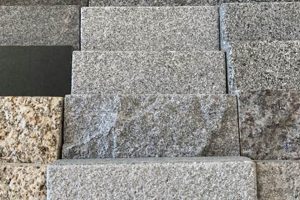
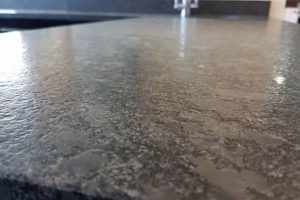
A durable exterior wall covering, composed primarily of Portland cement, lime, sand, and water, provides a textured surface often applied in multiple coats. This type of cladding is known for its robustness and versatility in achieving diverse architectural aesthetics. For example, a building employing this coating system may exhibit a smooth, modern appearance or a heavily textured, rustic style.
The value of this application resides in its ability to protect structures from the elements, offering resistance to fire and impact. Historically, it has served as a cost-effective and readily available solution for weatherproofing and beautifying buildings, particularly in regions with hot, dry climates. The longevity and relatively low maintenance requirements contribute to its enduring popularity.
The following sections will delve into the specific characteristics, application methods, and maintenance considerations related to this widely used exterior treatment. Topics such as preparation techniques, common problems encountered, and best practices for ensuring a lasting and attractive result will be examined in detail.
Practical Guidance for Exterior Cement Plaster Applications
The subsequent guidelines are intended to provide informed recommendations for achieving optimal results with cement-based stucco systems. Adherence to these points can significantly enhance the durability and aesthetic appeal of the final product.
Tip 1: Substrate Preparation: Proper surface preparation is paramount. Ensure the substrate is clean, structurally sound, and free from loose debris, oil, or other contaminants that may inhibit adhesion. Application to an unprepared surface can lead to premature cracking and failure.
Tip 2: Proper Mixing Ratios: Precise adherence to the manufacturer’s recommended mixing ratios for each coat is crucial. Deviations can compromise the structural integrity and performance characteristics of the material. Employ calibrated measuring tools to guarantee accuracy.
Tip 3: Adequate Curing Time: Allow sufficient curing time between coats and after the final application. Premature exposure to environmental elements can disrupt the hydration process and lead to cracking. Curing compounds may be beneficial in arid climates.
Tip 4: Application Technique: Employ consistent application techniques to ensure uniform thickness and texture. Variations in application can result in uneven coloration and visual inconsistencies. Proper trowel or spray techniques are essential.
Tip 5: Environmental Considerations: Avoid applying the material under extreme weather conditions, such as direct sunlight, high winds, or freezing temperatures. These conditions can negatively impact the curing process and compromise the long-term performance of the system.
Tip 6: Control Joints: Incorporate control joints to mitigate stress from thermal expansion and contraction. These joints provide designated areas for movement, reducing the likelihood of random cracking throughout the surface. Consult local building codes for appropriate spacing.
Tip 7: Selection of Materials: Employ high-quality materials from reputable manufacturers. Compromising on material quality can result in inferior performance and reduced longevity. Verify that materials are compatible with the specific application and environmental conditions.
By diligently implementing these best practices, construction professionals and homeowners can significantly improve the quality and lifespan of their cement-based stucco projects, ensuring a durable and aesthetically pleasing exterior finish.
The final segment of this discourse will focus on identifying and resolving common problems encountered during and after the application process.
1. Composition

The composition of a cement stucco finish is fundamentally linked to its performance characteristics and longevity. The precise ratio of Portland cement, lime, sand, and water directly influences workability during application and the hardened material’s resistance to cracking, water penetration, and impact. A deficiency in cement content, for instance, can lead to reduced strength and increased susceptibility to surface deterioration. Conversely, an excess of cement may increase the risk of shrinkage cracks. The aggregate, typically sand, must be properly graded to ensure optimal packing density and reduce the amount of cement required, thereby minimizing shrinkage. The presence of lime improves workability and water retention, preventing rapid drying and promoting proper hydration of the cement.
Real-world examples illustrate the critical impact of composition. In projects where substandard aggregate was used, premature cracking and spalling have been observed within a few years. Conversely, formulations employing a higher lime content in arid climates have demonstrated superior resistance to cracking due to the improved water retention during the curing process. Understanding the specific roles of each component allows for informed material selection and mix design, tailoring the product to specific environmental conditions and performance requirements. The ratio and selection of materials directly affects the longevity, appearance, and overall success of the stucco finish.
In summary, the meticulous control of the constituent materials and their proportions is paramount in achieving a durable and aesthetically pleasing cement stucco finish. Deviations from recommended formulations can result in costly repairs and diminished long-term performance. Thorough understanding of the compositional influence enables informed decisions, minimizing potential failures and maximizing the return on investment. Therefore, a thorough comprehension of these elements is indispensable in the successful implementation of this widely used exterior finish.
2. Application Technique

The method of application profoundly influences the final appearance, durability, and overall performance of a cement stucco finish. Precise execution, adhering to established best practices, is critical for achieving the desired outcome and preventing premature failure of the system.
- Surface Preparation
Adequate substrate preparation is paramount. The surface must be clean, structurally sound, and properly keyed or textured to promote optimal adhesion. Insufficient preparation, such as applying stucco to a dusty or unstable surface, invariably leads to delamination and cracking. For instance, applying stucco over improperly fastened wire mesh can result in detachment and structural instability.
- Layer Thickness and Number of Coats
The thickness and number of coats significantly impact the stucco’s ability to resist cracking and moisture penetration. Typically, a three-coat system is employed, consisting of a scratch coat, brown coat, and finish coat. Each coat serves a distinct purpose, contributing to the overall strength and impermeability of the stucco. Applying a single, excessively thick coat can lead to uneven drying, resulting in shrinkage cracks and compromised structural integrity.
- Mixing and Water Content
Proper mixing of the cement stucco mix and precise control of water content are essential for workability and curing. Over-watering the mix weakens the stucco and increases its susceptibility to cracking, while under-watering can lead to poor adhesion and difficult application. Consistent monitoring and adjustment of the water content are necessary to maintain the optimal consistency throughout the application process. Examples include the use of a slump test to verify proper consistency.
- Curing Process
The curing process, during which the cement hydrates and gains strength, is crucial for the long-term durability of the stucco. Proper curing involves maintaining adequate moisture levels to prevent rapid drying and cracking. This can be achieved through misting the surface with water or covering it with plastic sheeting. Neglecting the curing process, especially in hot, dry climates, can result in a weak, brittle stucco finish that is prone to premature failure. For example, forgetting to properly cure will cause crazing and surface cracks, diminishing the visual appearance.
In summary, the application technique is inextricably linked to the success of a cement stucco finish. Each step, from surface preparation to curing, demands meticulous attention to detail and adherence to established best practices. Neglecting any aspect of the application process can compromise the durability, appearance, and longevity of the stucco system, resulting in costly repairs and diminished aesthetic appeal.
3. Environmental Factors

External environmental conditions exert a significant influence on the performance and longevity of a cement stucco finish. These factors, if not appropriately considered during application and maintenance, can compromise the structural integrity and aesthetic appeal of the cladding system, leading to premature deterioration and costly repairs.
- Temperature Fluctuations
Extreme temperature variations induce expansion and contraction cycles within the stucco material. This thermal stress can result in cracking, particularly in areas lacking adequate control joints or where the stucco is rigidly adhered to the substrate. For instance, rapid temperature drops following stucco application can cause surface cracking, whereas prolonged exposure to high temperatures can accelerate moisture evaporation, hindering proper hydration of the cement and weakening the final product.
- Moisture Exposure
Excessive moisture exposure, whether from rainfall, humidity, or ground water, can lead to several problems. Water penetration through cracks or improperly sealed areas can promote the growth of mold and mildew, causing discoloration and deterioration of the stucco. Freeze-thaw cycles, where water penetrates the stucco and subsequently freezes and expands, can exert significant pressure, resulting in spalling and delamination. Buildings in coastal regions, subjected to constant salt spray, may experience accelerated corrosion of embedded metal components and efflorescence on the stucco surface. Appropriate drainage and water management strategies are essential.
- Sunlight Exposure
Prolonged exposure to ultraviolet (UV) radiation from sunlight can degrade the organic components within the stucco, particularly in colored or acrylic-modified finishes. This degradation can lead to fading, chalking, and a reduction in the stucco’s flexibility and resistance to cracking. In areas with intense sunlight, the use of UV-resistant coatings and light-colored stucco formulations can help mitigate these effects. South and west facing walls typically experience the greatest UV exposure.
- Wind and Airborne Debris
High winds can erode the stucco surface over time, particularly in exposed locations. Airborne debris, such as sand and dust, can abrade the finish, leading to a dull appearance and increased susceptibility to moisture penetration. Areas prone to sandstorms or frequent high winds may require more frequent maintenance and protective coatings to preserve the integrity of the stucco. Buildings near highways can experience similar issues from road salt and exhaust particles.
Addressing environmental factors proactively through careful planning, material selection, and appropriate maintenance practices is crucial for ensuring the long-term performance and aesthetic appeal of a cement stucco finish. Ignoring these influences can lead to premature failure of the system and necessitate costly repairs. Thorough consideration of the local climate and environmental conditions is essential for successful stucco application and long-term durability.
4. Maintenance Regimen

The longevity and aesthetic appeal of a cement stucco finish are inextricably linked to the implementation of a consistent and appropriate maintenance regimen. Neglecting regular maintenance procedures invariably leads to premature deterioration, diminished visual appeal, and potentially costly repairs. A well-defined maintenance strategy addresses the inherent vulnerabilities of cement stucco to environmental factors, physical damage, and biological growth, thereby preserving its protective and decorative functions.
The cornerstone of a successful maintenance regimen for cement stucco involves regular inspections to identify and address minor issues before they escalate into significant problems. Cracks, even hairline fractures, represent potential entry points for moisture, which can lead to subsurface damage from freeze-thaw cycles or promote the growth of mold and mildew. Promptly sealing these cracks with compatible patching compounds prevents further water intrusion and preserves the structural integrity of the stucco. Periodic cleaning to remove dirt, dust, and organic growth is also essential. Soft washing techniques using mild detergents and low-pressure water effectively remove surface contaminants without damaging the stucco finish. In contrast, neglecting cleaning can result in stubborn stains, discoloration, and the proliferation of unsightly biological growth, diminishing the curb appeal of the structure. Furthermore, addressing issues such as efflorescence, the white, powdery deposit that forms on the surface due to salt migration, is crucial for maintaining the aesthetic quality of the stucco. Specific treatments tailored to the type of efflorescence present are required to effectively remove the deposits and prevent their recurrence.
In conclusion, a proactive and comprehensive maintenance regimen is not merely an optional add-on but an integral component of a durable and visually appealing cement stucco finish. Regular inspections, prompt repairs of cracks and other damage, periodic cleaning, and appropriate treatments for specific issues such as efflorescence are essential for preserving the stucco’s protective and decorative qualities. Embracing a diligent maintenance approach safeguards the investment in the stucco finish, ensuring its long-term performance and enhancing the overall value of the property. The alternativeneglecting maintenanceinevitably leads to accelerated deterioration, diminished aesthetic appeal, and increased repair costs.
5. Aesthetic Variability

The inherent capacity to achieve diverse visual outcomes constitutes a significant advantage of cement stucco finish. This characteristic stems from variations in texture, color, and application techniques. Differences in aggregate size and mix proportions impact the surface texture, ranging from smooth and refined to coarse and heavily textured. Pigments can be integrated into the mix to achieve a wide spectrum of colors, while surface applications of specialized coatings offer further color and effect possibilities. The manipulation of these variables directly influences the overall aesthetic impact of the finished product. A real-world example includes the stark contrast between a modern minimalist residence utilizing a smooth, light-colored finish versus a traditional Mediterranean-style villa employing a heavily textured, earth-toned application.
The importance of aesthetic variability extends beyond mere visual preference. Different textures and colors interact differently with light, affecting the perceived size and shape of a building. A rough texture can add visual depth and interest to a flat facade, while a light color can reflect sunlight and reduce heat gain. Furthermore, aesthetic choices can be tailored to complement the surrounding environment and architectural style, contributing to the overall harmony of a development. The practical significance of understanding this variability lies in the ability to create unique and visually appealing structures that meet specific design objectives and functional requirements. The use of specialized tools and techniques, such as trowel patterns or spray-on textures, further expands the range of aesthetic possibilities.
In summary, aesthetic variability is a key attribute of cement stucco finish, enabling a wide range of design options. Understanding the interplay between texture, color, application techniques, and environmental factors is crucial for achieving the desired visual outcome. The challenges associated with aesthetic variability lie in the need for careful planning, skilled application, and consistent quality control to ensure a cohesive and visually appealing final product. However, the benefits of customization and the ability to create unique architectural statements make aesthetic variability a defining characteristic of cement stucco finish.
Frequently Asked Questions
The following questions address common inquiries and misconceptions regarding cement stucco applications, intended to provide clarity and informed understanding of this widely used exterior finish.
Question 1: What is the expected lifespan of a properly installed cement stucco finish?
The lifespan is largely contingent on proper installation, environmental factors, and maintenance practices. Under optimal conditions, a cement stucco finish can last upwards of 50 to 75 years. However, neglect of maintenance or exposure to harsh weather conditions can significantly reduce this lifespan.
Question 2: How does cement stucco compare to other exterior cladding options in terms of cost?
Initial costs for cement stucco can be moderate, often comparable to or slightly higher than vinyl siding. However, the long-term cost-effectiveness is often superior due to its durability and low maintenance requirements. Life-cycle cost analysis typically favors cement stucco over less durable alternatives.
Question 3: Can cement stucco be applied over existing brick or concrete surfaces?
Yes, cement stucco can be applied over existing brick or concrete, provided that the surfaces are properly prepared. Preparation typically involves cleaning, roughening the surface to improve adhesion, and applying a bonding agent. A thorough assessment of the existing substrate’s condition is crucial prior to application.
Question 4: What are the common causes of cracking in cement stucco finishes?
Common causes include improper mixing ratios, inadequate curing, substrate movement, and thermal expansion and contraction. The absence of control joints or insufficient substrate preparation can also contribute to cracking. Identifying the underlying cause is essential for implementing effective repair strategies.
Question 5: Is cement stucco fire-resistant?
Cement stucco is inherently fire-resistant due to its non-combustible composition. It provides a significant degree of protection against fire spread, making it a desirable choice for buildings in fire-prone areas. Specific fire-resistance ratings depend on the thickness and composition of the stucco system.
Question 6: What are the best practices for maintaining a cement stucco finish?
Regular inspections for cracks and damage, prompt repairs, periodic cleaning with mild detergents, and proper drainage to prevent water accumulation are essential for maintaining a cement stucco finish. Addressing efflorescence and applying protective coatings can further extend the lifespan of the system.
In conclusion, understanding the characteristics, installation requirements, and maintenance needs of cement stucco is crucial for achieving optimal performance and longevity. Adherence to best practices and proactive maintenance are key to maximizing the benefits of this durable exterior finish.
The succeeding section will present case studies illustrating the successful implementation of cement stucco finishes in diverse architectural settings.
Conclusion
This exploration has elucidated the multifaceted aspects of cement stucco finish, underscoring its composition, application techniques, environmental vulnerabilities, maintenance requirements, and aesthetic versatility. A comprehensive understanding of these factors is paramount for ensuring the successful implementation and enduring performance of this widely used exterior cladding system. The preceding analysis has emphasized the significance of meticulous planning, adherence to best practices, and proactive maintenance in maximizing the longevity and aesthetic appeal of cement stucco.
The informed application and responsible stewardship of cement stucco finish represent a commitment to structural integrity and enduring aesthetic value. Diligence in material selection, installation, and maintenance will contribute to the preservation of architectural assets and the creation of resilient, visually appealing built environments. The continued refinement of application techniques and the development of innovative stucco formulations hold the potential to further enhance the performance and sustainability of this time-honored construction material.