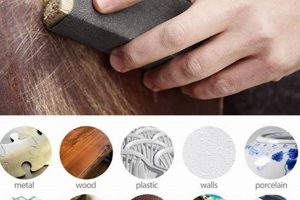
A surfacing material option for countertops and other architectural applications, this textured stone presents a unique alternative to polished or honed surfaces. The process involves using diamond-tipped brushes to gently abrade the stone, creating a subtle, undulating texture reminiscent of leather. For example, a kitchen island fabricated with this textured stone can offer a tactile and visually distinctive focal point.
This treatment enhances the stone’s natural characteristics, providing increased slip resistance and concealing fingerprints and smudges more effectively than smoother finishes. Its understated elegance lends itself to both contemporary and traditional designs. Historically, textured stone finishes have been employed to add depth and character to surfaces, and this technique represents a modern iteration of that aesthetic principle.
Subsequent sections will delve into the specifics of its fabrication, maintenance considerations, and the various design applications where this surface treatment excels. The discussion will also address its cost-effectiveness compared to other stone finishing options and explore its environmental impact.
Practical Advice for Selecting and Maintaining This Surface Treatment
The following guidance will assist in making informed decisions regarding its application and long-term care, ensuring optimal appearance and longevity.
Tip 1: Inspect the Slab Thoroughly. Before fabrication, carefully examine the entire slab for any inconsistencies, fissures, or color variations. These natural characteristics will be more pronounced with this treatment, so ensure they align with desired aesthetic outcomes. Consider requesting a sample of the specific slab with the finish applied for a more accurate representation.
Tip 2: Understand Sealing Requirements. While inherently more textured, this surface still requires sealing to prevent staining and water damage. Inquire about the appropriate type of sealant for the specific type of stone and finishing process used. Re-sealing frequency will depend on usage and sealant properties, but typically occurs every 1-3 years.
Tip 3: Implement Gentle Cleaning Practices. Avoid harsh chemicals, abrasive cleaners, and scouring pads. These can damage the sealant and potentially alter the surface texture. Utilize pH-neutral cleaners specifically designed for natural stone and soft cloths or sponges for routine cleaning.
Tip 4: Address Spills Promptly. While this surface treatment is more forgiving than polished surfaces, immediate attention to spills is crucial. Blot spills immediately with a clean cloth to prevent absorption. Acidic substances, such as lemon juice or vinegar, can etch the surface if left unattended.
Tip 5: Choose Appropriate Edge Profiles. The textured surface interacts differently with various edge profiles. Simpler, less intricate edge profiles, such as eased or bullnose edges, are often preferred to complement the natural texture and minimize potential chipping or wear.
Tip 6: Consider Lighting Conditions. The texture interacts uniquely with light. Evaluate how the finish appears under different lighting conditions within the intended space. Natural light, recessed lighting, and accent lighting can all influence the visual impact.
These insights should facilitate successful incorporation of this material into various design schemes, ensuring its lasting beauty and functionality.
The following sections will address common misconceptions surrounding this surface treatment and explore its suitability for different applications within the home.
1. Tactile Surface

The term “tactile surface,” when associated with this particular stone finishing technique, denotes a crucial attribute that significantly influences its aesthetic and functional properties. It’s not merely a descriptive term; it represents a key differentiator from smoother, more conventional stone finishes.
- Enhanced Grip and Safety
The textured nature inherently provides a better grip than polished surfaces. This is particularly beneficial in environments prone to moisture, such as kitchens and bathrooms, where the risk of slipping is increased. This increased friction directly contributes to improved safety and reduces the likelihood of accidents. For example, a flooring application using this surface treatment around a pool area can significantly minimize slip hazards.
- Sensory Experience and Engagement
Unlike the cold, smooth feel of polished stone, this provides a more engaging sensory experience. The subtle variations in texture invite touch and create a connection between the user and the material. This haptic quality can contribute to a more welcoming and comfortable environment. Consider, for instance, a countertop that invites interaction rather than simply serving as a functional surface.
- Concealment of Imperfections
The textured surface effectively camouflages minor imperfections, such as fingerprints and smudges, which are more readily visible on smoother finishes. This reduces the need for constant cleaning and maintenance, making it a practical choice for high-traffic areas. A commercial setting where cleanliness is paramount but constant upkeep is impractical would benefit significantly from this property.
- Aesthetic Depth and Visual Interest
The texture introduces subtle variations in light and shadow, creating a more visually interesting and dynamic surface. This adds depth and character to the stone, enhancing its natural beauty. The result is a sophisticated and understated aesthetic that complements a wide range of design styles. Imagine a fireplace surround where the textured surface accentuates the natural veining and patterns within the stone.
In conclusion, the tactile nature of this surface treatment is not merely a superficial characteristic but a fundamental aspect that impacts safety, sensory experience, maintenance requirements, and aesthetic appeal, making it a valuable consideration for various design applications. The interplay of these factors ultimately contributes to its unique value proposition within the realm of surfacing materials.
2. Enhanced slip-resistance
The inherent texture imparted by the finishing process provides a measurable improvement in slip resistance compared to polished or honed stone surfaces. This enhancement is a significant safety factor, particularly in environments prone to moisture or spillage, making it a desirable characteristic for flooring, countertops, and outdoor applications.
- Microscopic Surface Irregularities
The brushing process creates microscopic peaks and valleys on the stone’s surface. These irregularities increase the coefficient of friction, providing more points of contact for footwear or other surfaces, thereby reducing the likelihood of slipping. The scale of these features is critical; too coarse a texture can be uncomfortable or difficult to clean, while insufficient texture provides minimal slip resistance. Consider the difference between a highly polished tile floor and a surface textured by this method; the latter provides noticeably better traction.
- Water Displacement Capability
The texture also facilitates water displacement. Standing water reduces friction and increases the risk of hydroplaning, even on surfaces with inherent slip resistance. The channels created by the finishing process allow water to escape from underfoot, maintaining a more secure grip. This characteristic is especially relevant in shower surrounds or outdoor patios, where water accumulation is common. The effectiveness depends on the depth and density of the texture.
- Compliance with Safety Standards
The increased slip resistance can contribute to meeting or exceeding relevant safety standards and building codes, particularly in commercial applications. Slip resistance is often measured using standardized tests, such as the Dynamic Coefficient of Friction (DCOF) test. Specifying this textured stone can be a proactive measure to mitigate liability and ensure a safer environment. Architects and designers should consult applicable codes and test results when selecting materials.
- Comparison to Other Surface Treatments
While other surface treatments, such as acid etching or sandblasting, can also increase slip resistance, this textured finish offers a balance between functionality and aesthetics. Etching can create an uneven or visually unappealing surface, while sandblasting can be overly abrasive. This finishing method provides a more subtle and sophisticated texture that complements the natural beauty of the stone while simultaneously enhancing its safety characteristics. The choice of finishing method should consider both the desired level of slip resistance and the overall design intent.
In summary, the enhanced slip resistance resulting from this finishing technique is a multi-faceted benefit stemming from increased surface irregularities, improved water displacement, and adherence to safety standards. This combination makes it a valuable consideration for projects where safety and aesthetics are equally important, offering a tangible advantage over smoother stone surfaces.
3. Subdued sheen

The characteristic low reflectivity of the surfacing material is a direct consequence of the finishing process applied to the stone. This muted luster distinguishes it from highly polished alternatives and contributes to its unique aesthetic appeal.
- Light Diffusion and Glare Reduction
The textured surface scatters light in multiple directions, rather than reflecting it in a concentrated beam. This diffusion effect minimizes glare, creating a softer and more comfortable visual experience. A kitchen with ample natural light benefits from this property, as the low reflectivity prevents harsh glare from reflecting off the countertops. This diffused reflection is particularly advantageous in environments with strong light sources.
- Enhanced Color Perception
The reduced sheen allows for a more accurate perception of the stone’s natural color and veining patterns. Highly polished surfaces can distort colors due to excessive reflection. The subdued sheen allows the true colors to be more apparent, enhancing the aesthetic. For example, subtle variations in color within the stone are more readily visible, adding depth and character to the surface.
- Complementary to Various Design Styles
The low reflectivity of the finish lends itself well to various design styles, from rustic and traditional to modern and minimalist. It provides a neutral backdrop that allows other design elements to take center stage. For instance, in a minimalist kitchen, the subdued sheen complements clean lines and uncluttered spaces, while in a rustic setting, it enhances the natural warmth and texture of the stone.
- Comparison to Other Finishes
Compared to polished finishes, which exhibit a high degree of reflectivity, or honed finishes, which possess a slightly matte but still relatively smooth surface, the finish occupies a distinct niche. Polished surfaces are prone to glare and show fingerprints readily, while honed surfaces offer a more subdued sheen but may still lack the tactile quality and visual depth of this treatment. The choice of finish ultimately depends on the desired aesthetic and functional requirements of the space.
The subdued sheen is not merely a cosmetic attribute but a functional characteristic that influences light diffusion, color perception, and design versatility, making it a key consideration in the selection of this surfacing material. Its inherent properties contribute significantly to the overall aesthetic and user experience.
4. Fingerprint concealment

The capacity of a surface to minimize the visibility of fingerprints is a practical consideration in architectural and design applications. This characteristic is particularly relevant in high-traffic areas where frequent contact with surfaces occurs. The finishing technique under consideration exhibits a marked advantage in this regard when compared to smoother surface treatments.
- Textural Diffusion of Oils
The textured surface disrupts the uniform distribution of oils deposited by fingertips. On smooth surfaces, these oils form a readily visible film. The irregularities inherent in the leathered finish disperse these oils, reducing their concentration and visibility. The uneven surface minimizes the reflective nature of the oil residue, making the print less noticeable under normal lighting conditions. For example, a polished granite countertop will exhibit fingerprints far more prominently than one treated with this method.
- Shadowing and Optical Camouflage
The undulations inherent to the finish create subtle shadows that further obscure the presence of fingerprints. These shadows break up the smooth contours of the oil deposit, disrupting the visual pattern that defines a fingerprint. The surface texture acts as a form of optical camouflage, blending the fingerprint into the background. In comparison, a honed surface, while less reflective than a polished one, still lacks the shadowing effect necessary for effective fingerprint concealment.
- Reduced Reflectivity and Glare
The lower reflectivity associated with this finish reduces the overall glare on the surface, which further diminishes the visibility of fingerprints. Fingerprints are more apparent on highly reflective surfaces because the oils alter the way light is reflected. The muted sheen minimizes this effect, making fingerprints less conspicuous. This is particularly advantageous in areas with strong ambient light, such as kitchens with large windows.
- Maintenance Implications
The ability to conceal fingerprints translates to reduced maintenance requirements. Surfaces with this finish require less frequent cleaning to maintain a presentable appearance. This is a significant benefit in both residential and commercial settings. While regular cleaning is still necessary, the frequency can be reduced compared to surfaces that readily display fingerprints. This characteristic contributes to the overall practicality and longevity of the installation.
In conclusion, the fingerprint concealment properties stem from a combination of textural diffusion, shadowing effects, and reduced reflectivity. These factors work synergistically to minimize the visibility of fingerprints, contributing to the aesthetic appeal and practicality of surfaces treated with this technique. The comparison to smoother finishes underscores the distinct advantage offered in terms of maintenance and visual cleanliness.
5. Unique aesthetic
The surfacing material achieves a particular visual appeal distinct from other stone finishes due to its tactile texture and subdued sheen. The process of abrading the stone creates a surface that is both visually interesting and subtly elegant. This unique aesthetic arises from the interplay of the stone’s natural characteristics and the applied finish. For example, the leathered finish accentuates the veining and color variations inherent in the stone, creating a visual depth that is less apparent in polished surfaces. The importance of this aesthetic lies in its ability to provide a sophisticated alternative to more conventional stone finishes, offering a nuanced visual experience.
Practical applications of this unique aesthetic are evident in both residential and commercial design. In kitchens, the tactile texture and subdued sheen provide a visually appealing and functional countertop surface that resists fingerprints and smudges. In bathrooms, the increased slip resistance afforded by the finish, combined with its unique visual qualities, makes it a suitable choice for flooring and shower surrounds. The finish’s ability to complement a wide range of design styles, from rustic to modern, further enhances its appeal. For example, a fireplace surround with a leathered finish offers a visually striking focal point that combines natural texture with understated elegance.
In conclusion, the surfacing material’s aesthetic qualities are a direct result of the finishing process and the inherent characteristics of the stone. This combination creates a unique visual appeal that is both functional and aesthetically pleasing. The ability to enhance natural stone features, provide slip resistance, and complement various design styles makes it a valuable consideration for any project. The understanding of this unique aesthetic is of great value for designers and homeowners looking for a sophisticated and practical surfacing solution that distinguishes itself from conventional finishes. The challenge lies in ensuring that the chosen stone and finishing process aligns with the desired visual outcome, requiring careful consideration of the stone’s natural characteristics and the application environment.
6. Durability
Durability represents a critical performance attribute for surfacing materials, particularly in applications subject to frequent use or potential impact. The inherent hardness of granite, coupled with the surface treatment, contributes significantly to its long-term resilience and resistance to various forms of wear and tear.
- Abrasion Resistance
The finishing process, while creating a textured surface, does not compromise the underlying hardness of the granite. This results in a surface that is highly resistant to abrasion from daily use, such as foot traffic or contact with cookware. For example, a kitchen countertop fabricated with this material can withstand the repetitive sliding of pots and pans without exhibiting significant scratching or wear over extended periods. This resistance ensures the surface maintains its aesthetic appeal and structural integrity for years to come.
- Impact Resistance
Granite, in its natural state, is a dense and resilient material. The finish does not significantly alter its ability to withstand impact. While a sharp, forceful blow can still potentially cause chipping or cracking, the surface generally exhibits a high degree of resistance to everyday impacts. For instance, accidental drops of heavy objects onto a countertop are less likely to result in damage compared to surfaces made from softer materials. Proper installation and support further enhance the material’s ability to absorb impact forces.
- Stain Resistance
Although porous by nature, granite treated with the surface finish benefits from the application of sealants. These sealants penetrate the stone, creating a protective barrier that inhibits the absorption of liquids and prevents staining. The textured surface may actually aid in the even distribution of the sealant, enhancing its effectiveness. Regular re-sealing is recommended to maintain optimal stain resistance over time. For example, spills of common household substances like coffee or wine are less likely to permanently stain a sealed surface compared to unsealed granite or other porous materials.
- Resistance to Thermal Shock
Granite possesses a high degree of resistance to thermal shock, meaning it can withstand rapid temperature changes without cracking or warping. The finish does not substantially alter this property. This makes it suitable for applications such as fireplace surrounds or kitchen countertops near heat sources. The ability to endure temperature fluctuations without degradation ensures the material’s long-term durability and structural stability.
In summary, the durability of granite with this finish is a function of both the stone’s inherent properties and the protective qualities imparted by sealants. The combination of abrasion resistance, impact resistance, stain resistance, and resistance to thermal shock makes it a resilient surfacing material suitable for a wide range of applications. Proper maintenance, including regular sealing, is essential to preserving its durability and ensuring its longevity.
Frequently Asked Questions About Leathered Finish Granite
The following section addresses common inquiries regarding the properties, applications, and maintenance of this unique surfacing material.
Question 1: Is leathered finish granite more susceptible to staining compared to polished granite?
The susceptibility to staining primarily depends on the quality and application of the sealant, not the surface texture. Properly sealed granite, regardless of finish, exhibits similar stain resistance. Regular resealing is recommended to maintain optimal protection against staining agents.
Question 2: Does the textured surface of leathered finish granite harbor more bacteria than smoother finishes?
The finish itself does not inherently promote bacterial growth. Routine cleaning with appropriate disinfectants effectively eliminates bacteria from all stone surfaces, including this textured option. Selection of non-porous sealants can further mitigate potential bacterial colonization.
Question 3: Is leathered finish granite more expensive than polished granite?
The cost differential varies based on the specific granite slab and the fabricator’s pricing structure. The additional labor involved in the texturing process may contribute to a slightly higher price point compared to polished granite. However, the unique aesthetic and functional benefits often justify the incremental expense.
Question 4: Can leathered finish granite be used in outdoor applications?
Granite, in general, is suitable for outdoor use due to its weather resistance. This finish can enhance slip resistance in wet conditions. Selection of appropriate sealants designed for exterior applications is critical to prevent water damage and maintain the stone’s integrity over time.
Question 5: How does the maintenance routine differ between leathered finish granite and polished granite?
The primary difference lies in the cleaning method. The surface requires gentle cleaning with non-abrasive cleaners and soft cloths to avoid damaging the texture or sealant. Polished granite may tolerate more aggressive cleaning agents, though gentle cleaning is still generally recommended.
Question 6: Can scratches or imperfections be repaired on leathered finish granite?
Minor scratches may be less visible on this surface due to the inherent texture. More significant damage may require professional repair. The repair process typically involves filling the damaged area with a color-matched epoxy and then re-texturing the surface to blend seamlessly with the surrounding area.
In essence, this surface treatment offers a distinct aesthetic and functional profile. Informed decision-making requires a thorough understanding of its properties, maintenance requirements, and potential benefits.
The subsequent section will address design considerations and stylistic applications.
Concluding Thoughts on Leathered Finish Granite
This exploration has detailed the properties of leathered finish granite, covering its unique aesthetic, enhanced slip resistance, and fingerprint concealment capabilities. The material presents a compelling alternative to traditional polished surfaces, offering a tactile experience and a subdued sheen that complements various design styles. The discussion has also addressed practical considerations, including maintenance protocols, stain resistance, and suitability for diverse applications. The finishing process, while enhancing certain characteristics, necessitates careful selection of sealants and adherence to appropriate cleaning practices.
The decision to incorporate leathered finish granite into a project warrants careful evaluation of its attributes in relation to the specific design goals and functional requirements. Its understated elegance and practical benefits position it as a viable option for those seeking a durable and visually distinct surfacing material. Further research and consultation with experienced fabricators are encouraged to ensure optimal results and long-term satisfaction.



![Status Check: Is Yandere Sim Finished Yet [2024 Update]? | Best Final Touch: Elevate Your Projects with Professional Finishing](https://bestfinaltouch.com/wp-content/uploads/2026/05/th-124-300x200.jpg "Status Check: Is Yandere Sim Finished Yet [2024 Update]? Best Final Touch: Elevate Your Projects with Professional Finishing")