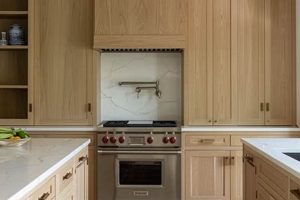
The material in question refers to a type of igneous rock, commonly used in construction and design, that has undergone a specific surface treatment. This treatment results in a matte appearance, minimizing reflection and creating a smooth, soft texture to the touch. For example, a countertop created from this material will exhibit a non-reflective surface, contrasting with the high-gloss sheen of a polished counterpart.
This particular surface application enhances the material’s natural color and character, providing a subtle, elegant aesthetic. It is often favored in areas where slip-resistance is important, such as flooring, or where a more understated appearance is desired. Historically, this type of surface treatment was achieved manually, but modern techniques allow for consistent and efficient production. Its durability and timeless appeal contribute to its enduring popularity in both residential and commercial applications.
The following sections will delve into the various aspects of this material, including its applications, maintenance requirements, and comparisons to other surface treatments, providing a detailed overview for informed decision-making.
Tips for Selecting and Maintaining a Honed Granite Surface
Proper selection and care will ensure the longevity and beauty of this material. The following tips provide guidance for both initial selection and ongoing maintenance.
Tip 1: Sample Evaluation: Prior to committing to a large-scale installation, obtain and evaluate representative samples. This allows for accurate assessment of color variations, texture, and suitability for the intended application under the specific lighting conditions of the installation site.
Tip 2: Sealing is Essential: Due to its porous nature, sealing the surface is critical to prevent staining from liquids such as oils, wines, and acidic substances. The application of a quality sealant, according to the manufacturer’s instructions, is a necessary preventative measure.
Tip 3: Regular Cleaning Protocols: Implement a regular cleaning schedule utilizing pH-neutral cleaning agents specifically formulated for natural stone. Avoid abrasive cleaners, as these can compromise the surface integrity over time.
Tip 4: Immediate Spill Response: Address spills promptly. Blot liquids with a clean, absorbent cloth instead of wiping, which can spread the contaminant and exacerbate staining.
Tip 5: Avoid Acidic Contact: Prevent contact with acidic substances such as lemon juice, vinegar, and harsh cleaning chemicals. Acidic exposure can etch the surface, resulting in permanent damage.
Tip 6: Professional Maintenance: Periodic professional cleaning and resealing are recommended to maintain the material’s appearance and protective barrier. Consult with a qualified stone restoration professional for optimal maintenance schedules and procedures.
Tip 7: Consider Texture for Application: The honed surface offers enhanced slip resistance compared to polished surfaces, making it a preferable choice for flooring in areas prone to moisture exposure, such as bathrooms and kitchens.
Adhering to these recommendations will preserve the aesthetic appeal and structural integrity of the granite surface, ensuring its lasting value and enjoyment. The subsequent sections will explore specific applications and design considerations related to this versatile material.
1. Matte Appearance

The “matte appearance” is a defining characteristic directly resulting from the honing process applied to granite. Unlike polished granite, which achieves a high-gloss reflective surface through extensive buffing, honed granite undergoes a grinding process that leaves the surface smooth but without significant reflectivity. This lack of reflection is the direct cause of the matte appearance, contributing to a more subdued and natural aesthetic. For instance, in architectural applications where strong sunlight is a factor, a honed granite facade will minimize glare, offering visual comfort absent in polished surfaces.
The importance of the matte appearance lies in its ability to showcase the natural colors and patterns within the granite. While polished surfaces can sometimes distort or wash out these details due to light reflection, the honed finish allows for a truer representation of the stone’s inherent qualities. Consider kitchen countertops: a honed granite surface will display the veining and granular structure of the stone more clearly than a polished surface, providing a richer and more textured visual experience. Furthermore, this type of finish often enhances the tactile experience, offering a softer, more inviting feel compared to the slickness of polished stone.
In summary, the matte appearance of honed granite is not merely an aesthetic choice but a direct consequence of the honing process that significantly impacts the stone’s visual and tactile properties. Understanding this connection is crucial for selecting the appropriate finish for specific design needs, balancing aesthetic preferences with practical considerations such as light control and slip resistance. While honed finishes may require more frequent sealing due to increased porosity, their unique combination of understated elegance and enhanced functionality make them a versatile choice for various architectural and design applications.
2. Enhanced Slip Resistance
The characteristic of enhanced slip resistance, particularly relevant in environments where moisture is present, is a significant benefit associated with honed finish granite. The inherent texture imparted by the honing process fundamentally alters the surface friction, leading to a safer walking or working surface. This property differentiates it significantly from polished granite and other smoother materials.
- Reduced Glare Reflection
The absence of a highly reflective surface, as found in polished materials, contributes indirectly to slip resistance. Reduced glare improves visibility, allowing individuals to better perceive potential hazards. This is particularly important in brightly lit or sunlit areas where reflections can obscure wet patches or other slippery conditions, improving situational awareness.
- Microscopic Surface Texture
The honing process creates a subtle, but crucial, microscopic texture on the granite’s surface. This texture increases the coefficient of friction, providing more grip underfoot. Unlike polished surfaces, which are smooth and allow water to form a lubricating layer, the honed surface provides microscopic channels for water to disperse, maintaining contact between the shoe and the stone.
- Increased Static Friction
Static friction, the force that prevents an object from starting to move on a surface, is notably higher on honed granite compared to polished alternatives. This higher static friction translates directly to increased slip resistance. The force required to initiate movement, such as a slip, is greater, reducing the likelihood of accidental falls. This characteristic is paramount in high-traffic areas such as commercial lobbies or public walkways.
- Application in Wet Environments
The practical benefit of enhanced slip resistance is most evident in wet environments. In bathrooms, kitchens, or exterior walkways subject to rain, honed granite provides a safer surface compared to materials that become dangerously slippery when wet. This makes it a preferred choice for flooring in these areas, where safety is a primary concern. Building codes and safety regulations often specify minimum friction coefficients for flooring materials in such spaces, and honed granite frequently meets or exceeds these standards.
In summation, the enhanced slip resistance of honed finish granite is a direct consequence of its textured surface, which reduces glare, increases static friction, and effectively channels water. This combination of factors makes it a viable and often preferred choice for flooring and surfaces in areas where slip and fall hazards are a concern, promoting safety and reducing the risk of accidents. Understanding these mechanisms allows for informed material selection based on performance requirements.
3. Subtle Color Expression

The attribute of “subtle color expression” in the context of honed finish granite refers to the nuanced way in which the material presents its natural coloration. The finish influences light interaction and perceived depth of color. Honed surfaces, unlike their polished counterparts, diffuse light rather than reflect it directly, resulting in a less intense, more subdued presentation of the granite’s inherent hues and patterns. This characteristic is pivotal in applications where visual harmony and understated elegance are desired.
- Diffused Light Interaction
The honing process leaves a micro-textured surface that scatters light. This diffusion softens the appearance of the colors, preventing any single hue from dominating. For example, a granite with multiple colors, such as blacks, grays, and whites, will exhibit a more blended and integrated visual effect with a honed finish compared to a polished finish where each color might appear more distinct and potentially stark. This light diffusion contributes to a softer overall aesthetic.
- Reduced Glare and Reflection
By minimizing glare and reflection, a honed finish enables a clearer perception of the actual colors present in the granite. Polished surfaces, by reflecting light directly, can distort the true colors, making them appear lighter or washed out. Honed granite, on the other hand, allows for a more accurate and consistent color representation across varying lighting conditions, ensuring that the intended color palette remains faithful to the original design intent. For instance, in direct sunlight, a honed granite countertop will maintain its color integrity, unlike a polished surface which might appear overly bright.
- Enhanced Texture Perception
The subdued color expression draws attention to the textural qualities of the granite. Subtle variations in grain size, mineral deposits, and veining patterns become more noticeable. For example, a honed granite slab with fine veining will showcase these intricate patterns more prominently, as the matte finish reduces visual noise from reflected light. This increased emphasis on texture adds depth and complexity to the surface, enhancing its visual appeal.
- Integration with Design Schemes
The subtle color expression facilitates seamless integration into various design schemes. The muted tones inherent in honed granite allow it to complement a wide range of color palettes and materials. Whether used in a modern, minimalist space or a more traditional setting, honed granite’s understated elegance provides a versatile backdrop for other design elements. This adaptability ensures that the granite does not overpower the overall aesthetic but rather enhances it with its subtle and refined appearance.
In conclusion, the subtle color expression of honed finish granite stems from its diffused light interaction, reduced glare, enhanced texture perception, and design versatility. These factors contribute to a more refined and understated aesthetic, making it a preferred choice for applications where visual harmony and nuanced elegance are paramount. This attribute allows the material to integrate seamlessly into diverse design contexts while maintaining its inherent beauty and character.
4. Maintenance Requirements

The maintenance demands associated with honed finish granite are a critical consideration for long-term preservation and aesthetic appeal. The surface characteristics imparted by the honing process necessitate specific care protocols to prevent staining, etching, and the overall degradation of the material’s integrity.
- Porous Nature and Sealing
Honed granite, due to its open surface texture, exhibits higher porosity compared to polished granite. This increased porosity makes it more susceptible to the absorption of liquids, leading to potential staining from oils, wines, and other common household substances. Consequently, regular sealing with a high-quality penetrating sealant is mandatory. The frequency of sealing depends on usage and exposure, but typically ranges from every six months to annually. Failure to maintain an adequate sealant barrier will result in irreversible staining and compromise the stone’s appearance. For example, a honed granite countertop in a kitchen environment requires more frequent sealing than a honed granite wall cladding in a less exposed area.
- Appropriate Cleaning Agents
The selection of cleaning agents is paramount to prevent damage to the honed surface. Abrasive cleaners, acidic solutions, and alkaline substances should be avoided, as they can etch or dull the finish. Only pH-neutral cleaning products specifically formulated for natural stone should be used for routine cleaning. Improper cleaning practices can lead to a gradual erosion of the surface, diminishing its matte appearance and increasing its susceptibility to staining. For instance, using a common household cleaner containing vinegar on a honed granite surface will cause etching over time, resulting in a noticeable dull spot.
- Stain Removal Protocols
Despite preventative measures, stains can still occur on honed granite surfaces. Prompt and appropriate stain removal is essential to minimize permanent discoloration. The type of stain dictates the appropriate removal method, ranging from poultices for deep-seated stains to gentle cleaning with specialized stain removers. Attempting to remove stains with harsh chemicals or abrasive tools can irreparably damage the surface. As an example, oil stains on honed granite can be effectively removed using a poultice made from baking soda and water, while rust stains may require a commercially available rust remover specifically designed for natural stone.
- Preventative Measures and Protection
Implementing preventative measures is crucial to minimize the need for intensive maintenance. The use of placemats, coasters, and cutting boards can protect the honed surface from spills, scratches, and heat damage. Additionally, regular dust removal and cleaning can prevent the buildup of dirt and grime, which can dull the finish over time. Simple precautions, such as promptly wiping up spills and avoiding dragging heavy objects across the surface, can significantly extend the lifespan and maintain the appearance of honed granite. An example of this is using a trivet under hot pots on a honed granite countertop to prevent thermal shock and potential cracking.
The successful preservation of honed finish granite hinges on a diligent and informed approach to maintenance. Regular sealing, the use of appropriate cleaning agents, prompt stain removal, and the implementation of preventative measures are all essential components of a comprehensive maintenance strategy. These practices, when consistently applied, will ensure the enduring beauty and functionality of honed granite surfaces in various applications.
5. Surface Porosity
Surface porosity, a critical characteristic of materials, directly impacts the performance and maintenance requirements of honed finish granite. The degree of porosity dictates the material’s ability to absorb liquids and influences its susceptibility to staining and degradation. Understanding this relationship is essential for informed selection and care of honed granite surfaces.
- Absorption Rates
Honed granite exhibits a higher absorption rate compared to its polished counterpart due to the increased surface area created during the honing process. This open surface allows liquids to penetrate the stone more readily. For instance, a water droplet placed on honed granite will be absorbed more quickly than on polished granite. This characteristic necessitates diligent sealing to mitigate the risk of staining and water damage. The rate of absorption is influenced by the type of granite and the specific honing process employed.
- Staining Susceptibility
The increased porosity of honed granite directly correlates with its susceptibility to staining. Liquids such as oils, wines, and coffee can easily penetrate the surface, leaving permanent discolorations. For example, an unsealed honed granite countertop is highly vulnerable to staining from spilled red wine. The severity of the stain depends on the type of liquid, the duration of contact, and the porosity of the granite. Regular sealing forms a protective barrier, reducing the absorption rate and minimizing the likelihood of staining.
- Sealing Requirements
To counteract the inherent porosity, honed granite mandates regular sealing with a quality penetrating sealant. The sealant fills the microscopic pores on the surface, creating a barrier against liquid absorption. The type of sealant, application method, and frequency of application are crucial for effective protection. For example, a honed granite floor in a high-traffic area requires more frequent sealing than a honed granite wall in a low-traffic area. The effectiveness of the sealant diminishes over time due to wear and exposure, necessitating periodic reapplication.
- Maintenance Implications
The surface porosity dictates specific maintenance protocols to preserve the appearance and integrity of honed granite. Abrasive cleaners and acidic substances must be avoided, as they can damage the sealant and further open the pores, increasing the risk of staining. pH-neutral cleaning agents are recommended for routine maintenance. Prompt spill cleanup is essential to prevent liquids from penetrating the surface. For example, allowing a spilled acidic juice to sit on honed granite will result in etching and potential staining. Proper maintenance practices mitigate the negative effects of porosity, prolonging the lifespan and aesthetic appeal of the honed granite.
In summary, the surface porosity of honed finish granite is a key factor influencing its performance and maintenance. Understanding the relationship between porosity, absorption rates, staining susceptibility, sealing requirements, and maintenance implications is crucial for informed material selection and care. Proper sealing and maintenance practices can effectively mitigate the negative effects of porosity, ensuring the long-term beauty and durability of honed granite surfaces.
Frequently Asked Questions About Honed Finish Granite
The following section addresses common inquiries regarding the properties, applications, and maintenance of the material in question, providing concise and informative answers based on established industry practices.
Question 1: Is honed finish granite more susceptible to staining than polished granite?
Due to its increased surface porosity, honed finish granite is indeed more prone to staining compared to polished granite. The honing process creates a more open surface texture, allowing liquids to penetrate the stone more readily. Regular sealing is therefore essential to mitigate this risk.
Question 2: What types of cleaning agents should be used on honed finish granite?
Only pH-neutral cleaning agents specifically formulated for natural stone should be utilized. Abrasive cleaners, acidic solutions, and alkaline substances are detrimental to the honed finish and should be strictly avoided. These agents can etch or dull the surface, compromising its integrity.
Question 3: How frequently should honed finish granite be sealed?
The frequency of sealing depends on the usage and exposure of the surface. As a general guideline, sealing should be performed every six months to annually. High-traffic areas and surfaces exposed to frequent spills may require more frequent sealing.
Question 4: Does honed finish granite offer better slip resistance than polished granite?
Yes, honed finish granite provides enhanced slip resistance compared to polished granite. The honing process creates a slightly textured surface, increasing the coefficient of friction and reducing the likelihood of slips and falls, particularly in wet environments.
Question 5: Can honed finish granite be used outdoors?
Honed finish granite is suitable for outdoor applications, provided it is properly sealed and maintained. Exposure to the elements can accelerate wear and tear, necessitating more frequent sealing and cleaning to protect the stone from staining and damage.
Question 6: Is it possible to polish honed finish granite to achieve a glossy surface?
While technically feasible, polishing honed finish granite is not recommended. The process would alter the intended aesthetic and potentially compromise the stone’s integrity. Furthermore, reversing the process to restore the honed finish may be difficult and costly.
In summary, understanding the specific characteristics and maintenance requirements of honed finish granite is paramount to ensuring its longevity and preserving its aesthetic appeal. Regular sealing, the use of appropriate cleaning agents, and preventative measures are essential for maintaining the material’s integrity.
The next section will explore specific applications of honed finish granite in various design contexts.
Concluding Remarks on Honed Finish Granite
The preceding exploration has illuminated the multifaceted nature of honed finish granite. From its distinctive matte aesthetic and enhanced slip resistance to its inherent porosity and specific maintenance requirements, a comprehensive understanding of its properties is paramount for successful implementation. Key considerations include appropriate sealing protocols, the selection of compatible cleaning agents, and an awareness of potential staining vulnerabilities. The subtle color expression and textured surface offer unique design opportunities, while the enhanced slip resistance contributes to improved safety in diverse environments. In essence, honed finish granite presents a distinct combination of aesthetic and functional attributes, necessitating informed decision-making for optimal utilization.
The long-term performance and visual appeal of honed finish granite are contingent upon adherence to recommended maintenance practices and a thorough appreciation of its inherent characteristics. As architectural and design trends continue to evolve, a discerning approach to material selection will remain critical. Evaluating the specific needs of a project and weighing the advantages and disadvantages of honed finish granite against alternative materials will ensure the creation of enduring and aesthetically pleasing spaces. Continued research and refinement of sealing technologies will likely further enhance the longevity and stain resistance of this increasingly popular surface treatment.