Surface treatments applied to materials in the Eugene area, designed to enhance durability, resistance to corrosion, and aesthetic appeal are a specialized sector. These treatments encompass a variety of techniques including powder coating, liquid painting, and metal plating, tailored for applications requiring robust performance in demanding environments.
The application of protective and decorative layers to manufactured goods offers several advantages. It extends the lifespan of products by mitigating the effects of wear and environmental exposure. Furthermore, specialized coatings can improve functionality, such as reducing friction or enhancing thermal properties. Historically, this practice has been integral to manufacturing in the region, adapting with advancements in material science and engineering.
The subsequent sections will explore specific types of coatings employed, discuss the materials frequently treated, and examine the impact of environmental regulations on this industrial practice. Analysis of local businesses offering these services will also be included.
Enhancing Durability and Aesthetics
Achieving optimal results in protective and decorative surface applications requires careful attention to detail and adherence to industry best practices. The following guidelines are crucial for ensuring the longevity and performance of treated materials.
Tip 1: Material Selection is Paramount: Choosing the correct substrate material is fundamental. The chosen material’s properties must align with the intended application and the selected coating process. For example, aluminum requires different pre-treatment than steel to ensure proper adhesion.
Tip 2: Surface Preparation is Critical: Proper surface preparation is essential for optimal coating adhesion. This may involve processes such as media blasting, chemical etching, or degreasing to remove contaminants and create a suitable surface profile.
Tip 3: Coating Selection Must Match Application: Selecting the appropriate coating type is vital. Consider environmental factors, potential wear, and desired aesthetic properties. Powder coating excels in durability, while liquid coatings offer greater color flexibility.
Tip 4: Application Technique Impacts Finish: Precise control over the application process is required to achieve a uniform and consistent coating thickness. Variations in spray technique or application settings can lead to inconsistencies and premature failure.
Tip 5: Curing Processes Require Precision: Proper curing or drying is crucial for achieving the intended properties of the coating. Adhering to recommended temperature and time parameters ensures optimal hardness, adhesion, and resistance to chemicals.
Tip 6: Quality Control is Non-Negotiable: Implementing rigorous quality control measures throughout the process is essential. Regular inspections for defects, adhesion testing, and thickness measurements help ensure the final product meets required standards.
Tip 7: Environmental Compliance is Mandatory: Adherence to environmental regulations is not optional. Proper disposal of waste materials, use of compliant coatings, and implementation of emission control measures are necessary.
By carefully considering these recommendations, businesses can maximize the performance, longevity, and aesthetic appeal of their products, while also ensuring regulatory compliance.
The next section will present case studies showcasing effective coating applications in the local industrial sector.
1. Durability Enhancement

The capacity of protective and decorative surface treatments to extend the operational lifespan of manufactured goods is a crucial consideration in the Eugene industrial sector. Selecting appropriate techniques directly contributes to the resilience and longevity of finished products.
- Abrasion Resistance
Coatings engineered to withstand surface wear from friction and impact are essential. Examples include the application of specialized epoxy coatings on heavy machinery parts to prevent degradation from constant use, and powder coatings on metal railings to resist scratches and dents in high-traffic areas. This directly minimizes repair costs and maintains structural integrity.
- Chemical Resistance
Surface treatments designed to prevent degradation from exposure to corrosive substances are crucial in industries using chemicals. This is seen in the application of fluoropolymer coatings on tanks used in chemical processing, preventing corrosion and contamination, or in the use of specialized coatings to protect laboratory equipment from harsh cleaning agents, ensuring accurate results and safe handling practices.
- Weather Resistance
Coatings formulated to withstand outdoor elements, such as UV radiation, temperature fluctuations, and moisture, are necessary for equipment exposed to the environment. Examples include specialized paints on agricultural machinery to prevent fading and corrosion from sun and rain, and powder coatings on outdoor furniture to resist chipping and rust, increasing lifespan and maintaining aesthetic appeal.
- Impact Resistance
Coatings capable of absorbing and dispersing impact forces without cracking or delaminating are essential for items subject to mechanical stress. The use of elastomeric coatings on truck beds protects against damage from loading and unloading cargo, while reinforced coatings on industrial piping protect against impact from accidental collisions, ensuring continuous operation and preventing costly repairs.
The strategic selection and application of these treatments directly enhance the long-term performance and value of manufactured products in Eugene. The economic benefits of improved durability, including reduced maintenance costs and extended product lifecycles, highlight the significance of these specialized services.
2. Corrosion Resistance

In the Eugene industrial landscape, the longevity and reliability of manufactured goods are paramount. Surface treatments designed to mitigate corrosion play a critical role in ensuring these qualities, impacting industries from agriculture to manufacturing.
- Protective Coatings as Barriers
Certain surface treatments function as physical barriers, preventing corrosive elements from reaching the substrate material. Powder coating, for example, creates a durable, non-porous layer that isolates the metal from moisture and chemicals. Liquid paint systems can incorporate corrosion inhibitors that further reduce the rate of degradation. This application is critical for outdoor equipment and machinery exposed to the region’s wet climate.
- Galvanic Protection Mechanisms
Some finishes, like galvanizing, employ a galvanic protection mechanism. A sacrificial layer of zinc is applied to the steel; the zinc corrodes preferentially, protecting the underlying steel. This is commonly used in structural steel components and fasteners, extending their service life in harsh environments. The zinc’s degradation provides a visual indicator of the coating’s protective action.
- Chemical Conversion Coatings
Chemical conversion coatings, such as chromate conversion on aluminum, modify the surface of the metal to create a corrosion-resistant layer. These coatings offer excellent adhesion for subsequent paint layers and are often used in the aerospace and automotive industries. The chemical reaction alters the metal’s surface, forming a stable oxide layer that inhibits corrosion propagation.
- Material Selection for Corrosion Resistance
Beyond surface treatments, the underlying material choice is critical. Stainless steel and aluminum alloys inherently offer superior corrosion resistance compared to carbon steel. When combined with appropriate finishes, these materials provide enhanced protection in severe environments. For example, stainless steel equipment used in food processing plants benefits from additional surface treatments to maintain hygiene and prevent corrosion from cleaning agents.
The interplay between material selection and appropriate surface treatment is central to achieving optimal corrosion resistance in manufactured products in the Eugene region. By understanding the specific environmental conditions and operational demands, industries can leverage surface treatments to safeguard the durability and reliability of their goods, ultimately minimizing maintenance costs and maximizing product lifespan.
3. Aesthetic Improvement

The application of coatings and surface treatments extends beyond purely functional benefits, contributing significantly to the aesthetic appeal of manufactured products within the Eugene industrial sector. The perceived value and marketability of goods are often directly influenced by the quality and appearance of their finish.
- Color Customization and Branding
Industrial finishes provide extensive color options, allowing manufacturers to align product aesthetics with brand identities or specific market demands. Powder coating, for example, offers a wide spectrum of hues and the ability to create custom colors that reinforce brand recognition. This is evident in the consistent application of corporate colors on machinery and equipment, enhancing brand visibility and professionalism.
- Texture and Surface Finish Variation
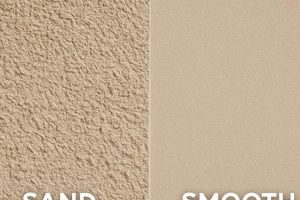
Surface treatments enable control over the texture and finish of manufactured goods, offering options ranging from smooth, glossy surfaces to textured, matte finishes. This versatility allows manufacturers to tailor the tactile and visual experience of their products. For instance, textured coatings on hand tools improve grip and provide a more robust aesthetic, while smooth finishes on electronic enclosures convey a sense of sophistication and precision.
- Enhanced Visual Appeal and Perceived Quality
The application of high-quality surface treatments contributes to an overall perception of quality and durability. A well-executed finish can elevate the perceived value of a product, influencing consumer purchasing decisions. The use of automotive-grade paint on agricultural equipment not only protects against the elements but also enhances its visual appeal, signaling reliability and longevity.
- Concealment of Imperfections
Coatings can effectively mask minor surface imperfections, such as scratches, dents, or weld marks, enhancing the overall appearance of manufactured goods. Powder coating, in particular, is adept at concealing surface irregularities, creating a uniform and visually appealing finish. This is particularly useful for products fabricated from recycled materials or those with inherent surface defects.
The integration of aesthetic considerations into the selection and application of industrial finishes within the Eugene sector demonstrates a strategic approach to product design and market positioning. By prioritizing both functional performance and visual appeal, manufacturers can enhance the value and competitiveness of their products.
4. Material Compatibility

The selection of appropriate surface treatments in Eugene demands a thorough understanding of material compatibility. The substrate material’s inherent properties significantly influence the adhesion, performance, and longevity of any applied finish. Incompatibility can lead to premature coating failure, corrosion, and compromised product integrity.
- Adhesion Properties and Surface Energy
Successful coating application relies on strong adhesive bonds between the finish and the substrate. Different materials possess varying surface energies that affect their ability to interact with coating materials. For example, aluminum alloys often require chemical pre-treatment to increase surface energy and promote adhesion of powder coatings. Inadequate surface preparation can lead to peeling, blistering, or other adhesion failures, reducing the effectiveness of the protective finish.
- Thermal Expansion Mismatch
Differences in the coefficients of thermal expansion between the substrate material and the applied finish can cause stress and cracking under temperature fluctuations. When subjected to thermal cycling, mismatched materials expand and contract at different rates, generating shear forces that compromise the integrity of the coating. Selecting finishes with compatible thermal expansion characteristics is crucial for products exposed to varying temperatures, such as outdoor equipment or components used in thermal processing.
- Chemical Reactivity and Corrosion Potential
Certain coating materials may react unfavorably with specific substrates, leading to corrosion or degradation of the underlying material. For instance, applying some liquid paints directly to untreated steel can accelerate rust formation. Understanding the chemical compatibility between the finish and the substrate is crucial for preventing premature failure. The utilization of barrier coatings or corrosion inhibitors can mitigate these risks.
- Porosity and Surface Profile
The porosity and surface profile of the substrate material influence the uniformity and effectiveness of the applied finish. Porous materials may absorb coatings unevenly, resulting in inconsistent protection or aesthetic defects. Smooth surfaces may require roughening to improve mechanical adhesion of the finish. Careful consideration of the substrate’s surface characteristics and appropriate surface preparation techniques are essential for achieving optimal coating performance.
The successful application of industrial finishes in Eugene is intrinsically linked to a comprehensive understanding of material compatibility. By considering factors such as adhesion properties, thermal expansion, chemical reactivity, and surface characteristics, industries can select appropriate finishes that enhance product performance, extend lifespan, and ensure long-term reliability. Neglecting these considerations can lead to costly failures and compromised product quality.
5. Regulatory Compliance

The application of industrial finishes in Eugene is inextricably linked to strict regulatory compliance, governing environmental protection, worker safety, and product performance. These regulations, derived from federal, state, and local ordinances, dictate permissible materials, emission controls, waste disposal protocols, and occupational safety measures. Failure to adhere to these standards can result in significant fines, operational shutdowns, and legal liabilities. For instance, the use of volatile organic compounds (VOCs) in liquid paints is carefully monitored and restricted to minimize air pollution, necessitating the adoption of alternative, lower-VOC coatings or the implementation of costly emission control technologies.
The implications of regulatory compliance extend beyond immediate operational costs. Businesses involved in applying surface treatments must invest in employee training, equipment upgrades, and rigorous monitoring systems to ensure adherence to evolving standards. Furthermore, documentation and reporting requirements add administrative burdens. However, compliance also fosters a culture of environmental responsibility and worker well-being, enhancing a company’s reputation and contributing to the overall sustainability of the Eugene industrial sector. A local metal finishing company, for example, might invest in a closed-loop wastewater treatment system to minimize the discharge of heavy metals into the municipal sewer system, exceeding minimum regulatory requirements and demonstrating a commitment to environmental stewardship.
In conclusion, regulatory compliance is not merely an external constraint but an integral component of responsible industrial finishing practices in Eugene. It necessitates a proactive approach, encompassing material selection, process design, and ongoing monitoring. While the initial investment in compliance can be substantial, the long-term benefits, including reduced environmental impact, enhanced worker safety, and improved brand reputation, outweigh the costs. Future trends suggest an increasing emphasis on sustainable coatings and processes, further reinforcing the importance of regulatory awareness and adaptation within the industrial finishing sector.
6. Application Specificity

The effectiveness of surface treatments within the Eugene industrial sector hinges on the precise tailoring of finishes to meet the unique demands of each application. Generic solutions rarely provide optimal performance. This requirement for customization necessitates a detailed understanding of operating environments, performance expectations, and material properties.
- Environmental Considerations
The surrounding environment dictates the necessary protective qualities of a finish. Marine environments, common near Eugene’s coastal influence, demand finishes resistant to salt-water corrosion. Agricultural equipment operating in the Willamette Valley requires protection from chemical fertilizers and abrasive soils. Indoor applications prioritize resistance to wear, cleaning agents, and potential impacts. Selecting a finish without accounting for these environmental factors inevitably leads to premature degradation and compromised product lifespan.
- Performance Requirements
The intended function of a component dictates the required performance characteristics of its finish. High-friction applications might necessitate coatings with enhanced abrasion resistance, while parts subjected to extreme temperatures require finishes with high thermal stability. Electrical components might demand conductive or insulative coatings. Failure to consider these functional requirements can result in product malfunction, reduced efficiency, or safety hazards. Examples include specialized non-slip coatings for industrial walkways or thermally conductive coatings for heat sinks in electronic devices.
- Material Properties
The substrate material’s inherent properties constrain the range of suitable finishes. Aluminum alloys benefit from anodizing or specialized powder coatings, while ferrous metals may require galvanizing or cathodic epoxy coatings. Compatibility between the finish and the substrate is critical to ensure proper adhesion, prevent corrosion, and avoid galvanic reactions. Incorrect material pairings can lead to coating delamination, accelerated corrosion, and structural failure.
- Regulatory Constraints
Specific applications may be subject to regulatory restrictions governing the composition and application of surface treatments. Food processing equipment, for example, requires finishes that are compliant with food safety regulations. Medical devices demand biocompatible coatings that do not leach harmful substances. Automotive components may be subject to limitations on the use of heavy metals. Navigating these regulatory requirements is essential to ensure product compliance and avoid legal liabilities.
In summation, “application specificity” is a cornerstone of effective implementation of surface treatments within the Eugene industrial landscape. A nuanced understanding of environmental factors, performance requirements, material properties, and regulatory constraints enables the selection of finishes that maximize product lifespan, enhance functionality, and ensure compliance with applicable standards. Disregarding these factors leads to suboptimal performance and increased long-term costs.
Frequently Asked Questions
The following addresses common inquiries regarding the selection and application of protective and decorative coatings within the Eugene region, providing clarity on key aspects of this specialized industrial practice.
Question 1: What factors determine the appropriate type of industrial finish for a given application?
The selection process must consider several variables, including the substrate material, environmental exposure conditions, required performance characteristics (e.g., abrasion resistance, chemical resistance), desired aesthetic properties, and applicable regulatory requirements. A comprehensive analysis of these factors is essential for ensuring optimal finish performance and longevity.
Question 2: How does surface preparation impact the effectiveness of industrial finishes?
Surface preparation is critical for achieving adequate adhesion and preventing premature coating failure. Common preparation techniques include media blasting, chemical etching, and degreasing. The specific method employed depends on the substrate material and the type of coating being applied. Proper surface preparation removes contaminants, creates a suitable surface profile, and enhances the bonding between the finish and the substrate.
Question 3: What are the primary differences between powder coating and liquid painting?
Powder coating involves the application of a dry, free-flowing powder electrostatically onto a surface, followed by curing under heat. Liquid painting utilizes a liquid carrier to apply the coating, which then dries or cures. Powder coating generally offers superior durability, impact resistance, and chemical resistance, while liquid painting provides greater color flexibility and the ability to achieve thinner film thicknesses. The choice between the two depends on the specific performance and aesthetic requirements of the application.
Question 4: What environmental regulations govern the application of industrial finishes in Eugene?
The application of surface treatments is subject to various environmental regulations, including those pertaining to volatile organic compounds (VOCs), hazardous air pollutants (HAPs), and waste disposal. Compliance with these regulations requires the use of compliant coating materials, the implementation of emission control technologies, and the proper handling and disposal of waste materials. Local, state, and federal agencies enforce these regulations.
Question 5: How can businesses ensure the long-term performance and durability of their industrial finishes?
Achieving long-term performance requires a multifaceted approach, encompassing careful material selection, proper surface preparation, precise application techniques, appropriate curing or drying procedures, and regular quality control inspections. Adherence to industry best practices and ongoing maintenance are essential for maximizing the lifespan and effectiveness of industrial finishes.
Question 6: What are the potential consequences of using incompatible surface treatments?
The use of incompatible surface treatments can lead to a range of problems, including poor adhesion, premature coating failure, corrosion of the substrate material, and compromised product integrity. These issues can result in increased maintenance costs, reduced product lifespan, and potential safety hazards. Selecting the correct surface treatment requires a thorough understanding of material properties and application requirements.
These FAQs provide a foundational understanding of the critical considerations involved in selecting and implementing surface treatments in the Eugene industrial sector. Thorough evaluation and adherence to best practices are paramount for achieving optimal performance and regulatory compliance.
The following section will explore advancements and emerging trends in the “industrial finishes eugene” field, including sustainable coatings and innovative application techniques.
Industrial Finishes Eugene
This exploration has underscored the crucial role of surface treatments in enhancing the durability, corrosion resistance, and aesthetic value of manufactured goods within the Eugene industrial sector. Proper material selection, rigorous surface preparation, adherence to regulatory standards, and the precise tailoring of finishes to specific applications are paramount for achieving optimal performance and longevity. The economic benefits derived from extended product lifecycles and reduced maintenance costs further emphasize the importance of these specialized practices.
As environmental concerns continue to gain prominence and technological advancements reshape the industry, a commitment to sustainable coatings and innovative application techniques will be essential for maintaining competitiveness and minimizing environmental impact. Businesses operating within the “industrial finishes eugene” landscape must proactively adapt to these evolving demands to ensure continued success and responsible stewardship of resources. Further research and investment in these areas are critical for the future prosperity of the sector.