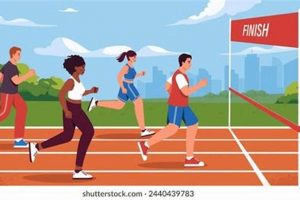
This structure, commonly seen at races, marathons, and other outdoor events, serves as a visually distinct and celebratory marker signifying the end of a competition. It is typically constructed from durable, airtight material, inflated with air, and often features branding or event-specific graphics. An example is the large arch seen at the Boston Marathon, clearly designating the culmination of the race.
Such structures offer multiple advantages. Their large size and bright colors create a focal point easily visible to participants and spectators alike. They enhance the overall atmosphere of an event, contributing to a sense of excitement and accomplishment. Historically, simpler physical barriers served a similar function, but the advent of inflatable technology has provided a more impactful and reusable solution. This technology is also cost effective.
The following sections will delve into specific aspects related to these structures, including their design considerations, material choices, setup procedures, and safety protocols. It will also address customization options and maintenance requirements to provide a comprehensive understanding.
Essential Considerations
Effective utilization of these structures requires careful planning and execution. Attention to detail in several key areas will ensure optimal visibility, safety, and overall event success.
Tip 1: Secure Adequate Anchoring. Properly anchoring the structure is paramount to prevent displacement due to wind or accidental contact. Utilize appropriate weights, tethers, and ground stakes based on the structure’s size and the anticipated weather conditions. Regular inspections are critical.
Tip 2: Select Durable Materials. The inflatable component should be constructed from high-quality, weather-resistant materials such as reinforced PVC or similar synthetic fabrics. This ensures longevity and resistance to tears, punctures, and UV degradation, which contributes to cost effectiveness in the long term.
Tip 3: Implement a Redundancy Plan. Power outages or equipment malfunctions can lead to deflation. A backup inflation system, such as a generator or secondary air pump, should be readily available and tested before the event to maintain structure integrity.
Tip 4: Ensure Adequate Clearance. Evaluate the surrounding environment for potential obstructions, such as trees, power lines, or signage. Sufficient clearance prevents damage to the structure and ensures unobstructed visibility for participants and spectators.
Tip 5: Adhere to Branding Guidelines. The graphic design must align with event branding and sponsor requirements. Ensure that logos and messaging are accurately reproduced and prominently displayed for maximum impact.
Tip 6: Establish a Safety Perimeter. A clearly defined perimeter around the inflated structure minimizes the risk of accidental contact or tampering. Use barriers, signage, or personnel to restrict access and maintain a safe distance.
Tip 7: Plan for Efficient Setup and Takedown. Streamline the setup and takedown process to minimize disruption and labor costs. Develop a detailed procedure and assign responsibilities to trained personnel. Proper storage is also crucial to preserve the structure for future use.
Adhering to these tips will result in a visually striking and safe display, ultimately enhancing the experience for all involved. The attention to practical points and details is critical for successful implementation.
The concluding section of this article will summarize the key benefits and future trends associated with these structures and their effective integration into event planning.
1. Visibility

Visibility, in the context of these structures, is paramount to their functionality and effectiveness. These markers are strategically employed to provide clear visual cues to participants and spectators, signifying the culmination of an event and enhancing the overall experience. The visual impact directly influences participant motivation and sponsor recognition.
- Scale and Dimensions
The sheer size of these structures contributes significantly to their visual prominence. Larger dimensions ensure that the marker is easily seen from a distance, even amidst crowds and varying terrain. This is particularly crucial in outdoor events where visibility can be limited by environmental factors or spectator density. Examples include marathon races where a large, easily visible marker assists runners navigating the final stages of the course.
- Color and Contrast
Strategic use of color and contrast further enhances visibility. Bright, saturated colors and high contrast combinations draw the eye and ensure that the marker stands out against its surroundings. The careful selection of color palettes also allows for the incorporation of branding elements and sponsor logos, maximizing visual impact and recognition. For example, a structure with vibrant red and white stripes is likely to be more noticeable than one with muted or similar colors.
- Illumination and Lighting
In events that extend into the evening or take place in low-light conditions, illumination becomes a critical factor in maintaining visibility. Integrated lighting systems, such as LED strips or spotlights, can ensure that the marker remains easily visible regardless of the ambient light level. This is particularly important for night races or events that feature extended hours. Consider the use of internally illuminated inflatables for maximum impact in dark environments.
- Placement and Positioning
The strategic placement and positioning of the structure is essential for maximizing visibility. The structure should be located in a clear and unobstructed area, free from visual clutter or competing signage. The viewing angles from various vantage points should also be considered to ensure that the marker is easily seen by both participants and spectators. Proper site assessment and careful planning are essential for optimal positioning.
These facets of visibility, when effectively integrated into the design and deployment of these structures, contribute significantly to their overall effectiveness. The visual impact not only enhances the event experience for participants and spectators but also provides valuable branding opportunities for sponsors, demonstrating the multifaceted benefits of prioritizing visibility in event planning. The considerations outlined above demonstrate key areas where visibility is critical for such structures.
2. Durability

Durability is a critical attribute impacting the longevity and cost-effectiveness of inflatable structures designed for marking the culmination of races and events. The ability to withstand environmental stressors, repeated inflation/deflation cycles, and potential physical impacts directly influences the structure’s lifespan and overall value. Selection of appropriate materials and construction techniques are therefore paramount.
- Material Composition
The core material from which the structure is manufactured dictates its resistance to tearing, abrasion, and UV degradation. Reinforced PVC, known for its strength and weather resistance, is commonly employed. The denier (a unit of measure for the linear mass density of fibers) and coating of the fabric significantly affect its tensile strength and ability to resist punctures. Higher denier values generally indicate greater durability. The choice of material should align with the expected frequency of use and environmental conditions.
- Seam Construction
The integrity of the seams is as crucial as the material itself. Weak or poorly constructed seams are prone to failure, leading to air leaks and structural instability. Heat welding or radio frequency (RF) welding are preferred methods for creating robust and airtight seams. These techniques fuse the material together at a molecular level, creating a stronger bond than traditional stitching. Proper seam overlap and reinforcement are also essential for maximizing durability.
- Environmental Resistance
Outdoor use exposes these structures to a range of environmental stressors, including sunlight, rain, wind, and temperature fluctuations. UV degradation can cause the material to become brittle and prone to cracking, while prolonged exposure to moisture can promote mold and mildew growth. The chosen material should possess inherent UV resistance or be treated with a UV-protective coating. Similarly, water-resistant or waterproof coatings are essential for preventing water damage and maintaining structural integrity in wet conditions. Consider specific geographical locations and common weather occurrences in the event’s location.
- Reinforcement and Stress Points
Specific areas of the structure that are subjected to high stress, such as attachment points for tethers and anchoring systems, require additional reinforcement. These areas are prone to tearing or failure if not adequately reinforced. Techniques such as adding extra layers of material, incorporating webbing straps, or using metal D-rings can significantly enhance the durability of these critical stress points. Thoroughly inspect these regions after use to identify potential wear or damage.
The facets of material selection, seam construction, environmental resistance, and reinforcement underscore the importance of considering durability as a primary factor in the design and procurement of inflatable markers. Investing in a durable structure upfront can significantly reduce the need for repairs or replacements, resulting in long-term cost savings and enhanced event reliability. Understanding these facets contributes to more informed decisions for event organizers seeking to maximize the lifespan and value of these visible components.
3. Stability

Stability is a paramount characteristic influencing the operational effectiveness and safety profile of inflatable structures marking the terminus of competitive events. The inherent nature of these air-supported forms renders them susceptible to displacement or collapse under external forces, particularly wind. Insufficient stability poses risks to participants, spectators, and the structure itself, potentially disrupting the event and incurring financial losses. Consequently, a comprehensive understanding and implementation of stability-enhancing measures are indispensable.
Anchoring systems represent a primary method for ensuring stability. These systems typically involve the use of weights, tethers, and ground stakes strategically positioned to counteract wind loads. The specific type and configuration of anchoring will depend on factors such as the size and shape of the structure, the anticipated wind speeds, and the surface conditions. For instance, a large archway located in an open area requires significantly more robust anchoring than a smaller structure situated in a sheltered environment. Real-world incidents, such as inflatable structures collapsing during sporting events due to inadequate anchoring, underscore the importance of meticulous planning and execution.
Beyond anchoring, the structural design itself plays a crucial role. Aerodynamic considerations can minimize wind resistance, while internal baffling systems can distribute air pressure more evenly, enhancing overall stability. Regular inspection and maintenance are also vital for identifying and addressing potential weaknesses or damage that could compromise stability. In conclusion, stability is not merely a desirable attribute but a fundamental requirement for the safe and effective deployment of these structures, demanding careful attention to design, anchoring, and ongoing maintenance. The absence of adequate stability measures negates the benefits of visibility and branding, prioritizing safety as the foundational aspect.
4. Customization

Customization significantly enhances the utility and impact of inflatable structures used to delineate the terminus of events. Tailoring these structures to specific event themes, branding requirements, and spatial constraints maximizes their effectiveness as visual markers and promotional tools. This adaptability is a key differentiator in event presentation and sponsor engagement.
- Branding Integration
Customization permits seamless incorporation of logos, colors, and messaging consistent with the event’s branding guidelines. This is critical for reinforcing brand identity and creating a cohesive visual experience for participants and spectators. For example, a marathon sponsored by a specific athletic brand might feature a structure prominently displaying the brand’s logo and color scheme. The level of detail and adherence to brand standards directly impacts the perceived value and professionalism of the event.
- Shape and Design Variations
Beyond simple color and logo application, customization extends to the fundamental shape and design of the structure. Arches, rectangles, and custom shapes are all possible, allowing for adaptation to different event settings and aesthetic preferences. An outdoor festival might utilize a uniquely shaped structure that complements the overall theme of the event, while a corporate race might opt for a more traditional archway. Variations in size also allow for flexible adaptation to varying event spaces.
- Interactive Features
Customization can also incorporate interactive elements to enhance engagement. Features such as built-in LED displays, sound systems, or even integrated timing systems can transform the structure from a static marker into an interactive focal point. An example might include a digital display showing race times as participants cross. These features not only add excitement but also provide practical value to both participants and organizers.
- Material and Color Choices
The selection of specific materials and colors also contributes to customization. Different materials offer varying levels of durability, weather resistance, and visual appeal. Color selection allows for alignment with event themes and sponsor preferences. For example, a winter-themed event might utilize materials and colors that evoke a sense of cold and snow, while a summer event might feature brighter, more vibrant colors. The materials can also affect the way the structure is perceived.
The ability to tailor these structures to specific needs underscores their versatility and value in event planning. The potential for customization extends beyond mere aesthetics, encompassing functional enhancements and interactive elements that contribute to a more engaging and memorable experience. The degree to which customization is utilized is a crucial differentiator for event experiences, for example the Super Bowl stadium has many sponsorship logos and branding to consider, which demonstrates the importance of customization.
5. Portability

The characteristic of portability significantly influences the practicality and logistical efficiency of utilizing inflatable structures to designate the conclusion of events. The ease with which these structures can be transported, deployed, and stored directly impacts their accessibility and cost-effectiveness for event organizers.
- Deflation and Compression
The inherent design of inflatable structures allows for rapid deflation and compression into a compact form. This capability dramatically reduces the space required for transportation and storage compared to rigid alternatives. For instance, a large archway, when deflated, can often be compressed into a package that fits within a standard vehicle, facilitating transport to various event locations. This compressibility is a core benefit in event logistics.
- Weight Considerations
The materials used in the construction of inflatable structures are typically lightweight, further enhancing their portability. This minimizes the physical strain associated with handling and transportation, allowing for deployment by a smaller crew. Consider the difference between transporting an inflatable versus a metal framework of similar dimensions; the weight differential is substantial. This light weight supports ease of use in diverse event settings.
- Transportation Methods
The combination of deflation capability and low weight allows for flexible transportation options. Inflatable structures can be easily transported in standard vehicles, cargo vans, or even shipped via standard freight services. This versatility reduces transportation costs and logistical complexities, making them accessible to a wider range of events, from local races to large-scale international competitions. This flexible transportation offers event organizers options for different event sizes and situations.
- Storage Efficiency
The compact size of the deflated structure translates to efficient storage. They require minimal storage space compared to rigid alternatives, freeing up valuable storage capacity for other event equipment. This is particularly beneficial for organizations that host multiple events throughout the year and require efficient management of their resources. The low storage footprint contributes to reduced overhead costs and streamlined operations.
These aspects of portability collectively underscore the practical advantages of inflatable structures for delineating event conclusions. Their ease of transportation, deployment, and storage contributes to their cost-effectiveness and broad applicability across diverse event types and scales. The inherent design for portability distinguishes inflatable solutions from more cumbersome alternatives and influences event planning decisions.
6. Inflation

The process of inflation is fundamentally intertwined with the functionality of the inflatable finish line. Without controlled and reliable inflation, the structure cannot maintain its shape, visibility, or structural integrity, rendering it ineffective as a marker and potentially hazardous to participants and spectators. Understanding the key aspects of inflation is crucial for the successful deployment of this structure.
- Inflation Systems
Inflation relies on various systems, ranging from simple manual pumps to electric blowers and even compressed gas sources. The choice depends on the size of the structure, the speed required for inflation, and the availability of power. Manual pumps are suitable for smaller structures but require significant physical effort. Electric blowers offer faster inflation and are generally preferred for larger structures. Compressed gas systems provide rapid inflation in situations where power is unavailable, albeit at a higher cost and complexity. For example, a large arch used in a marathon typically requires a high-volume electric blower for rapid and continuous inflation.
- Air Pressure Management
Maintaining appropriate air pressure is essential for structural stability and preventing over-inflation, which can lead to bursting. Pressure relief valves are often incorporated into the design to automatically release excess pressure. Regular monitoring of air pressure is crucial, especially during periods of fluctuating temperatures, as temperature changes can significantly affect air volume. Over-inflation can be as dangerous as under-inflation, potentially damaging the inflatable and causing a risk to surrounding persons.
- Inflation Time and Logistics
The time required for inflation is a significant logistical consideration. Rapid inflation minimizes setup time and disruption to event schedules. However, it also demands more powerful inflation systems and careful planning to ensure that the structure is fully inflated before the event begins. Consider a scenario where an inflatable must be erected quickly before a race. The amount of planning is extremely important. Prior testing and deployment rehearsals are crucial for ensuring a smooth and timely inflation process.
- Emergency Deflation Procedures
Procedures for emergency deflation are just as important as inflation protocols. Rapid deflation may be necessary in the event of strong winds, equipment malfunctions, or other unforeseen circumstances. Quick-release valves and strategically placed deflation points allow for controlled and rapid deflation, minimizing the risk of injury or damage. Staff should be trained on proper deflation techniques to ensure a safe and efficient response to emergency situations. These procedures help to maintain the safety of the event.
The considerations outlined above demonstrate the multifaceted nature of inflation as it relates to inflatable structures. From selecting appropriate inflation systems to managing air pressure and planning for emergency deflation, a comprehensive understanding of these factors is essential for ensuring the safe and effective deployment of an inflatable finish line, providing a clear and visible marker for events while prioritizing the safety and enjoyment of all participants.
7. Safety
Safety constitutes a paramount consideration in the deployment and operation of inflatable structures utilized as finish lines. The potential for injury to participants, spectators, or damage to property necessitates a comprehensive approach encompassing design, installation, and operational protocols.
- Anchoring and Stability
Adequate anchoring is crucial to prevent displacement or collapse due to wind or accidental contact. Insufficient anchoring can result in the structure becoming a projectile, posing a significant hazard. For instance, during outdoor events, high winds can exert substantial force on the structure, requiring robust anchoring systems comprised of weights, tethers, and ground stakes strategically positioned to counteract these forces. This prevents the structure from moving unexpectedly, ensuring the safety of participants and bystanders. Neglecting proper anchoring has resulted in injuries when inflatables have been blown into crowds.
- Material and Construction
The materials employed in the construction of the inflatable must be durable and resistant to tearing, abrasion, and puncture. Substandard materials can fail under stress, leading to structural collapse or the release of air pressure, potentially causing injury. High-quality reinforced PVC or similar synthetic fabrics should be utilized, and seams must be robustly constructed, typically through heat welding or radio frequency (RF) welding, to ensure airtight integrity. The selection of materials directly impacts the structure’s ability to withstand external forces and maintain its integrity under various weather conditions.
- Clearance and Obstruction Management
The area surrounding the erected inflatable must be free from obstructions, such as trees, power lines, or signage, to prevent collisions or entanglement. Adequate clearance ensures unobstructed visibility and minimizes the risk of damage to the structure. Furthermore, a clearly defined safety perimeter should be established to restrict unauthorized access and prevent accidental contact. Properly managing the surrounding environment minimizes the potential for hazards associated with the structure’s presence.
- Emergency Procedures
Established procedures for emergency deflation are critical. In the event of severe weather, equipment malfunction, or other unforeseen circumstances, a rapid and controlled deflation of the structure minimizes the risk of injury. Quick-release valves and strategically located deflation points enable swift deflation, preventing the structure from becoming a hazard. Event staff must be trained on these procedures to ensure a coordinated and effective response. The existence of clear emergency protocols is paramount for mitigating potential risks.
These facets, encompassing anchoring, materials, clearance, and emergency procedures, are interconnected and equally vital for ensuring the safe utilization of inflatable structures at event finish lines. Prioritizing safety in all aspects of design, installation, and operation mitigates potential hazards and contributes to a successful and enjoyable event experience. The absence of robust safety measures can negate the benefits offered, underscoring the necessity of a comprehensive safety-first approach.
Frequently Asked Questions
The following section addresses common inquiries regarding the utilization and logistical aspects of inflatable structures designed to mark the end of races and events. This information aims to provide clarity and assist event organizers in making informed decisions.
Question 1: What is the typical lifespan of an inflatable finish line?
The lifespan is contingent upon several factors, including the quality of materials, frequency of use, and environmental conditions. High-quality, reinforced PVC structures, properly maintained and stored, can last for several years. However, exposure to extreme weather or improper handling can significantly reduce their lifespan.
Question 2: What are the primary safety considerations when using an inflatable finish line?
Anchoring is paramount to prevent displacement due to wind. The structure must be constructed from durable, fire-retardant materials. A clearly defined safety perimeter should be established. Furthermore, event staff must be trained on emergency deflation procedures.
Question 3: What is the recommended method for cleaning an inflatable finish line?
Gentle cleaning with mild soap and water is generally recommended. Abrasive cleaners or solvents should be avoided, as they can damage the material. The structure should be thoroughly dried before storage to prevent mold and mildew growth.
Question 4: How much space is required for storage?
The space requirement varies depending on the size of the structure. However, deflated and properly folded, it can typically be stored in a relatively compact space, often comparable to the size of a large duffel bag or storage container.
Question 5: What type of power source is required for inflation?
Most inflatable finish lines utilize electric blowers for inflation. The specific power requirements will vary depending on the size and design of the blower. A standard electrical outlet is typically sufficient, but a generator may be necessary in locations without readily available power.
Question 6: Can an inflatable finish line be used in all weather conditions?
While designed to withstand various weather conditions, extreme weather, such as high winds or heavy rain, may necessitate temporary deflation for safety reasons. Assess local weather forecasts before and during events.
In summary, these structures are versatile and effective event markers, provided that safety protocols are followed, and appropriate maintenance is performed. Understanding these basic aspects enables better management and maximizes the benefit of using this structure in events.
The subsequent section will delve into alternative options that can be used instead of these structures.
Inflatable Finish Line
This exploration has demonstrated the multifaceted nature of the “inflatable finish line,” emphasizing its visibility, durability, stability, customization, portability, inflation considerations, and paramount safety requirements. Each aspect contributes to the structure’s overall effectiveness as a marker, a promotional tool, and an integral component of successful event execution.
The judicious implementation of an “inflatable finish line” warrants meticulous planning and unwavering adherence to safety protocols. Further advancements in materials and inflation technologies promise increased resilience and enhanced adaptability, ensuring its continued relevance in diverse event settings. The decision to employ this marker demands careful consideration of its inherent attributes and a firm commitment to responsible deployment, thereby maximizing its utility and minimizing potential risks.