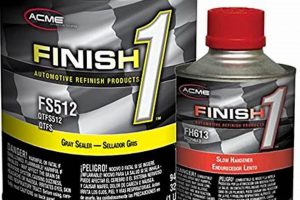
An individual specializing in the application of protective and decorative coatings to cabinets is a highly skilled tradesperson. This professional prepares surfaces, applies stains, paints, varnishes, or other finishes, and ensures a uniform and aesthetically pleasing result on cabinetry components. Consider, for example, the meticulous work required to achieve a flawlessly smooth, high-gloss finish on custom-built kitchen cabinets.
The expertise of these individuals significantly impacts both the longevity and visual appeal of cabinetry. Proper surface preparation and finish application protect wood from moisture, wear, and damage, thereby extending the lifespan of the cabinets. Moreover, the chosen finish contributes substantially to the overall design and ambiance of a room, reflecting the homeowner’s style and preferences. Historically, this craft demanded apprenticeships and years of experience to master the techniques and nuances of various finishing materials.
The subsequent sections will explore the diverse range of materials used, the specific techniques employed, and the critical role these professionals play in the broader context of interior design and construction.
Tips from Seasoned Professionals
The following insights are derived from the practical experience of skilled tradespeople in the field. These tips aim to enhance the quality and durability of cabinet finishes, minimizing common errors and promoting optimal results.
Tip 1: Thorough surface preparation is paramount. Sanding in progressively finer grits ensures a smooth substrate, free of imperfections that will be amplified by the finish. Failure to adequately prepare the surface will invariably result in an unsatisfactory final product.
Tip 2: Precise color matching is crucial. Utilize color-matching tools and techniques to accurately replicate existing finishes or achieve a desired aesthetic. Discrepancies in color can significantly detract from the overall visual harmony of a space.
Tip 3: Employ appropriate application methods. Spraying techniques often yield the most uniform finish, particularly with lacquer or conversion varnish. Brushing or rolling may be suitable for certain paints or stains, but requires careful attention to avoid brush marks or uneven coverage.
Tip 4: Temperature and humidity control are essential. Extreme temperatures or high humidity can adversely affect the drying and curing of finishes. Maintaining a stable environment is critical for achieving optimal adhesion and durability.
Tip 5: Adherence to manufacturer’s specifications is non-negotiable. Follow the manufacturer’s guidelines regarding mixing ratios, application rates, and drying times. Deviation from these recommendations can compromise the integrity of the finish.
Tip 6: Invest in quality materials and equipment. Substandard finishes or poorly maintained equipment will invariably produce inferior results. Prioritize professional-grade products and tools for optimal performance and longevity.
Tip 7: Proper ventilation is mandatory. Many finishing products contain volatile organic compounds (VOCs) that pose health risks. Ensure adequate ventilation to minimize exposure and comply with safety regulations.
Diligent adherence to these tips will contribute to superior cabinet finishing outcomes, characterized by enhanced durability, aesthetic appeal, and long-term performance.
The subsequent sections will delve into advanced finishing techniques and explore emerging trends in the industry.
1. Surface Preparation

Surface preparation is an indispensable preliminary stage in cabinet finishing. The quality of this process directly impacts the adhesion, appearance, and longevity of the final finish, and is therefore a critical responsibility of the cabinet finisher.
- Sanding Techniques
Sanding removes imperfections, such as scratches, dents, and unevenness, creating a smooth, uniform substrate. Cabinet finishers employ a progression of abrasive grits, starting with coarser grits to eliminate major flaws and transitioning to finer grits for a polished surface. Improper sanding can lead to visible imperfections under the finish, compromising the overall aesthetic. For instance, failing to remove deep scratches with a coarse grit will result in those scratches being highlighted by the finish, regardless of its quality.
- Cleaning and Degreasing
Contaminants, including dust, grease, and oils, inhibit finish adhesion. Cabinet finishers use specialized cleaning agents to remove these substances, ensuring a clean and receptive surface. Failure to adequately clean the surface can result in the finish peeling, cracking, or exhibiting poor adhesion over time. Consider the case of kitchen cabinets, which are often exposed to grease and cooking oils; thorough degreasing is essential before any finishing process.
- Repair and Filling
Surface preparation often involves repairing minor damage, such as cracks or chips, and filling voids or open grain. Cabinet finishers use wood fillers, epoxy resins, or other suitable materials to restore the substrate’s integrity. Inadequate repair or filling can lead to structural weaknesses and unsightly blemishes in the finished product. Imagine a knot in a wood cabinet door; without proper filling, the knot may shrink or expand over time, creating a noticeable defect in the finish.
- Priming and Sealing
Primers and sealers create a uniform base for the finish, improving adhesion and preventing uneven absorption. Cabinet finishers select primers and sealers compatible with both the substrate and the intended finish. Without proper priming, some finishes may absorb unevenly into the wood, resulting in variations in color and sheen. As an example, applying a stain directly to bare wood without a sealer can result in blotchy or inconsistent color absorption.
These facets of surface preparation highlight the technical expertise required of a cabinet finisher. The attention to detail during this stage directly correlates to the quality and durability of the final product, underscoring its importance in achieving professional and lasting results.
2. Material Selection

Material selection constitutes a cornerstone of the cabinet finishing process. The judicious choice of finishes, coatings, and related products directly impacts the aesthetic appeal, durability, and protective qualities of cabinetry. The expertise of the cabinet finisher is paramount in navigating the diverse range of available materials and aligning them with project-specific requirements.
- Types of Finishes
Cabinet finishers frequently employ a variety of finish types, each possessing distinct characteristics. Lacquers offer rapid drying times and a smooth, durable surface, often favored for their clarity and resistance to yellowing. Varnishes provide excellent protection against moisture and abrasion, making them suitable for high-use areas. Paints offer extensive color options and varying levels of sheen, allowing for customized aesthetics. The selection hinges on considerations such as desired appearance, budget constraints, and environmental factors.
- Stain Selection and Application
Stains are integral for enhancing the natural grain of wood or achieving a specific color tone. Oil-based stains penetrate deeply into the wood, providing rich color and highlighting grain patterns. Water-based stains offer lower VOC emissions and are easier to clean up, but may raise the wood grain, requiring additional sanding. Gel stains are useful for non-porous surfaces or vertical applications, preventing drips and runs. The cabinet finisher must carefully select the stain based on the wood species and the desired color intensity, employing proper application techniques to ensure uniform color distribution.
- Topcoat Considerations
Topcoats provide a protective layer over stains or paints, enhancing durability and resistance to scratches, chemicals, and UV damage. Polyurethane topcoats offer exceptional durability and chemical resistance, often used in kitchens and bathrooms. Conversion varnishes provide similar protection with enhanced clarity and resistance to yellowing. Water-based topcoats offer lower VOC emissions and are increasingly popular for environmentally conscious applications. The choice of topcoat depends on the level of protection required, the desired sheen level (matte, satin, gloss), and regulatory compliance.
- Auxiliary Materials
Beyond the primary finishes, a cabinet finisher relies on a range of auxiliary materials. Sandpaper, available in various grits, is essential for surface preparation and creating a smooth substrate. Wood fillers repair imperfections and fill open grain, ensuring a uniform surface for finishing. Cleaning solvents remove contaminants and prepare surfaces for optimal adhesion. Masking tape protects adjacent surfaces from overspray or spills. The selection and proper use of these auxiliary materials contribute significantly to the overall quality of the cabinet finish.
The effective selection and application of these materials represent a critical skill set for any cabinet finisher. A thorough understanding of the properties of each material, combined with meticulous application techniques, is essential for achieving durable, aesthetically pleasing, and long-lasting cabinet finishes. The final result reflects not only the quality of the materials but also the expertise and attention to detail of the individual responsible for their application.
3. Color Matching

Color matching is an indispensable skill within the cabinet finishing profession. The ability to accurately replicate existing colors or achieve a specified hue is crucial for maintaining aesthetic consistency and meeting client expectations. Failure to execute precise color matching can result in visually discordant elements within a space, diminishing the overall quality of the finished product.
- Spectrophotometry in Color Matching
Spectrophotometry, a quantitative method of measuring the reflectance or transmission properties of materials as a function of wavelength, provides an objective means of color analysis. Cabinet finishers utilize spectrophotometers to capture the spectral data of a sample color, generating a precise digital fingerprint. This data can then be used to formulate matching colors with a high degree of accuracy. For example, when refinishing existing cabinetry to match new additions, spectrophotometry ensures a seamless transition in color, regardless of variations in wood species or aging.
- Visual Acuity and Color Perception
While instruments provide objective measurements, the human eye remains a critical component of color matching. Cabinet finishers must possess well-developed visual acuity and an understanding of color theory to discern subtle differences in hue, saturation, and value. Factors such as lighting conditions and individual color perception can influence the perceived color, necessitating adjustments to the formula based on visual assessment. An experienced cabinet finisher understands how metamerism, the phenomenon where two colors appear to match under one lighting condition but not another, can impact the perceived match and takes steps to mitigate its effects.
- Tinting and Formulation Techniques
Color matching often requires the creation of custom color formulas by blending various tints. Cabinet finishers must possess a thorough understanding of tinting systems and the effects of individual pigments on the overall color. Accurate measurement and incremental addition of tints are essential for achieving the desired hue. For instance, when matching a complex, multi-layered finish, the cabinet finisher may need to apply multiple tinted coats to replicate the depth and complexity of the original color.
- Substrate Influence on Color
The substrate onto which a color is applied can significantly impact its final appearance. The color of the wood, its grain pattern, and its porosity all influence how the finish appears. Cabinet finishers must consider these factors when formulating colors, often adjusting the formula to compensate for the substrate’s influence. For example, a dark wood species will require a different color formula than a light wood species to achieve the same final color. Similarly, open-grained woods may require a sealer or tinted primer to prevent excessive absorption of the finish, which can alter the color.
These facets of color matching highlight the blend of scientific methodology and artistic skill required of a cabinet finisher. The ability to accurately assess, formulate, and apply colors ensures that the finished product meets the highest standards of aesthetic quality and client satisfaction. The effectiveness of these processes hinges upon a comprehensive understanding of color theory, material properties, and the nuanced interaction between light, substrate, and the human eye.
4. Application Technique

Application technique, in the context of cabinet finishing, represents the practical execution of applying coatings and finishes to cabinet surfaces. This phase directly translates material properties and color specifications into the tangible aesthetic and protective qualities of the finished product. The proficiency of the cabinet finisher in employing various application methods is therefore crucial to the ultimate success of the project.
- Spraying Methods (HVLP, Airless, Air-Assisted Airless)
Spraying methods offer a means of applying finishes with a high degree of uniformity and control. High-Volume Low-Pressure (HVLP) systems minimize overspray and provide fine atomization, ideal for achieving smooth, even coats with minimal waste. Airless spraying employs high pressure to atomize the finish, allowing for rapid coverage of large surfaces. Air-assisted airless combines airless pressure with compressed air for enhanced atomization and reduced overspray. The selection of a spraying method depends on the type of finish being applied, the size and complexity of the cabinet components, and environmental considerations. For example, HVLP is often preferred for clear coats and stains, while airless may be more suitable for applying primers or high-build coatings on large cabinet doors.
- Brush Application (Bristle Selection, Loading, and Stroke Techniques)
Brush application, while often considered a more traditional method, remains relevant for detail work, touch-ups, and applying certain types of finishes. The selection of brush bristle material (natural or synthetic) is dictated by the type of finish being used. Proper brush loading techniques, avoiding overloading or starving the brush, are essential for preventing runs and drips. Stroke techniques, such as feathering and laying off, contribute to a smooth, even finish without visible brush marks. A cabinet finisher may employ a brush for applying glazes, creating faux finishes, or touching up minor imperfections in sprayed finishes.
- Roller Application (Roller Cover Selection, Pressure Control, and Overlap)
Roller application provides a cost-effective and efficient means of applying finishes to flat, large-surface areas. Roller cover selection, based on the nap length and material, is crucial for achieving the desired finish texture and preventing excessive stippling. Consistent pressure control ensures uniform coating thickness, while proper overlap techniques prevent visible seams and inconsistencies. For example, applying a primer to the interior panels of a cabinet carcass can be efficiently achieved using a roller, providing a consistent base for subsequent finishes.
- Specialty Techniques (Ragging, Sponging, and Antiquing)
Specialty techniques allow for the creation of unique and decorative finishes that enhance the aesthetic appeal of cabinetry. Ragging involves applying and removing finish with a rag to create a textured effect. Sponging utilizes a sponge to apply or remove finish, creating a mottled or dappled appearance. Antiquing techniques involve applying a dark glaze or stain to highlight details and simulate the effects of age. These techniques require a high level of artistic skill and control, allowing the cabinet finisher to create custom finishes that reflect the client’s specific design preferences.
In summary, the application technique is a multifaceted skill set that directly impacts the quality and appearance of cabinet finishes. The cabinet finisher’s expertise in selecting and executing appropriate application methods ensures that the chosen materials are applied effectively, resulting in durable, aesthetically pleasing, and long-lasting finishes. Proficiency in these techniques is not merely about applying a coating; it is about transforming raw materials into a finished product that meets both functional and aesthetic requirements.
5. Environmental Control

Environmental control is a critical factor directly impacting the quality and durability of cabinet finishes. The cabinet finisher’s workspace environment, specifically temperature, humidity, and air quality, profoundly affects the application, drying, and curing processes of coatings. Unfavorable environmental conditions can lead to a range of defects, including blistering, cracking, poor adhesion, and extended drying times. For example, excessively high humidity can inhibit the evaporation of solvents in solvent-based finishes, resulting in a milky or cloudy appearance known as “blushing.” Similarly, low temperatures can slow down the curing process of certain catalyzed finishes, rendering them susceptible to damage and reducing their long-term durability.
The maintenance of optimal environmental conditions requires careful monitoring and adjustment. Cabinet finishers often employ temperature and humidity sensors to track environmental parameters in real-time. Climate control systems, such as air conditioners, dehumidifiers, and heaters, are used to maintain consistent temperature and humidity levels within the recommended ranges for specific finishes. Furthermore, proper ventilation is essential for removing solvent vapors and airborne particles, minimizing the risk of contamination and ensuring a safe working environment. An effective dust control system, including air filtration and surface cleaning protocols, is crucial for preventing dust particles from settling on the finish during application and drying, resulting in a smooth and blemish-free surface.
In conclusion, environmental control is not merely a peripheral concern for the cabinet finisher; it is an integral component of the finishing process that directly influences the final outcome. By understanding and managing the environmental factors that affect finish performance, the cabinet finisher can mitigate risks, optimize the application process, and ensure that the resulting cabinet finishes are of the highest quality and durability. Addressing these challenges requires investment in appropriate equipment, adherence to best practices, and a commitment to maintaining a controlled and consistent working environment.
6. Durability Enhancement

Durability enhancement forms a cornerstone of the trade, intrinsically linking to the long-term performance and value of cabinetry. A tradesperson in this area is directly responsible for selecting and implementing techniques and materials that fortify cabinets against the detrimental effects of moisture, abrasion, impact, and ultraviolet radiation. The cause-and-effect relationship is straightforward: inadequate attention to durability results in premature wear, increased maintenance requirements, and ultimately, a shortened lifespan for the finished product. Consider the frequent exposure of kitchen cabinets to water and cleaning agents; a properly applied, durable finish is essential to prevent water damage, warping, and the growth of mold or mildew. Without the expertise of a skilled tradesperson implementing proper techniques, even high-quality materials will fail to provide adequate protection. This underscores the importance of durability enhancement as a fundamental component of cabinet finishing.
Practical application of durability enhancement involves several key aspects. First, the selection of appropriate coatings, such as conversion varnishes or catalyzed lacquers, known for their chemical resistance and hardness, is paramount. Second, proper surface preparation, including thorough sanding and sealing, ensures optimal adhesion of the finish and prevents moisture intrusion. Third, the application of multiple coats, according to manufacturer specifications, provides a robust protective barrier. Finally, educating clients on proper care and maintenance practices extends the lifespan of the finish. For example, advising homeowners to use non-abrasive cleaners and avoid prolonged exposure to water can significantly contribute to the longevity of the finish. In commercial settings, such as restaurants or hospitals, where cabinetry is subject to heavy use and frequent cleaning, the application of extremely durable, chemical-resistant finishes is critical.
In summary, durability enhancement is not merely an added feature but an essential characteristic of quality cabinet finishing. The expertise of the tradesperson is vital in selecting appropriate materials and implementing proven techniques to protect cabinets from the rigors of daily use. Challenges include balancing the need for durability with aesthetic considerations and cost constraints. However, a thorough understanding of the principles of durability enhancement, combined with skilled craftsmanship, ensures that finished cabinets provide lasting value and satisfaction to the end-user. The long-term implications of neglecting this aspect are significant, impacting not only the appearance but also the structural integrity and overall longevity of the cabinetry.
7. Protective Coating

The application of protective coatings represents a primary function performed by a cabinet finisher. These coatings serve to shield cabinet surfaces from environmental factors, physical wear, and chemical damage, thereby extending the lifespan and preserving the aesthetic integrity of the cabinetry. The choice of protective coating and the skill with which it is applied directly influence the long-term performance and appearance of the finished product.
- Moisture Resistance
Protective coatings act as a barrier against moisture penetration, preventing warping, swelling, and decay of wood substrates. This is particularly crucial in kitchens and bathrooms, where cabinets are frequently exposed to water and humidity. For instance, catalyzed conversion varnishes provide superior moisture resistance compared to traditional lacquers, making them a preferred choice for kitchen cabinetry. The cabinet finisher must ensure complete and even coverage of all surfaces, including edges and corners, to effectively seal the wood.
- Abrasion Resistance
Protective coatings enhance the resistance of cabinet surfaces to scratches, scuffs, and other forms of abrasion. This is particularly important for high-traffic areas and surfaces subject to frequent handling. Polyurethane coatings, known for their durability and hardness, are commonly used to protect cabinet doors and drawer fronts from wear and tear. The cabinet finisher must apply the coating in multiple thin layers to achieve optimal abrasion resistance without compromising the clarity or smoothness of the finish.
- Chemical Resistance
Protective coatings provide a barrier against stains, spills, and chemical damage from household cleaners, solvents, and food products. This is especially critical in kitchens, where cabinets are often exposed to a variety of potentially damaging substances. Epoxy coatings offer excellent chemical resistance, making them suitable for laboratory or industrial settings where cabinets may be exposed to harsh chemicals. The cabinet finisher must carefully select a coating that is compatible with the intended use of the cabinetry and provides adequate protection against specific chemical hazards.
- UV Protection
Protective coatings containing UV absorbers or stabilizers can prevent fading, discoloration, and degradation of the finish caused by exposure to sunlight. This is particularly important for cabinets located near windows or in areas with high levels of natural light. UV-resistant coatings are often used on exterior cabinetry or furniture to protect the finish from the damaging effects of sunlight. The cabinet finisher must ensure that the coating is applied evenly and in sufficient thickness to provide effective UV protection over the long term.
The effective application of protective coatings is a specialized skill that requires knowledge of material properties, application techniques, and environmental factors. The cabinet finisher plays a vital role in selecting the appropriate coating for the specific application and ensuring that it is applied correctly to provide long-lasting protection and enhance the beauty of the finished cabinetry. Ultimately, the quality of the protective coating directly impacts the lifespan and value of the finished product.
Frequently Asked Questions
The following questions and answers address common inquiries and misconceptions surrounding the practice of cabinet finishing. These responses aim to provide clear and concise information regarding the processes, materials, and considerations involved in achieving durable and aesthetically pleasing cabinet finishes.
Question 1: What is the typical lifespan of a professionally applied cabinet finish?
The lifespan of a cabinet finish is contingent upon several factors, including the quality of materials used, the application technique employed, and the environmental conditions to which the cabinets are exposed. A well-executed finish, utilizing high-quality materials and proper maintenance, can reasonably be expected to last between 10 to 15 years. However, factors such as high humidity, frequent exposure to moisture, and abrasive cleaning practices can significantly reduce this lifespan.
Question 2: Is it possible to refinish cabinets without removing them from the kitchen?
Refinishing cabinets in situ is feasible, but it presents several challenges. Proper masking and surface protection are essential to prevent damage to surrounding areas. Additionally, dust control and ventilation become more critical in an occupied space. While this approach can minimize disruption, it may compromise the quality of the finish compared to refinishing in a controlled environment.
Question 3: What are the key differences between lacquer, varnish, and paint finishes for cabinets?
Lacquer offers rapid drying times and a smooth, durable surface, often favored for its clarity. Varnish provides excellent protection against moisture and abrasion, suitable for high-use areas. Paint offers extensive color options, allowing for customized aesthetics, but may require more frequent maintenance. The choice depends on desired appearance, budget, and environmental factors.
Question 4: How does surface preparation impact the final result of a cabinet finish?
Surface preparation is paramount. Inadequate sanding, cleaning, or priming will invariably result in an inferior finish. Imperfections will be amplified, adhesion will be compromised, and the overall durability of the finish will be reduced. A smooth, clean, and properly primed surface is essential for achieving a professional-quality result.
Question 5: What are the environmental considerations associated with cabinet finishing?
Many finishing products contain volatile organic compounds (VOCs) that pose health risks. Proper ventilation and the use of personal protective equipment are essential to minimize exposure. Water-based finishes offer lower VOC emissions and are increasingly preferred for environmentally conscious applications. Responsible disposal of waste materials is also crucial to minimize environmental impact.
Question 6: Can the color of existing cabinets be precisely matched during refinishing?
Precise color matching is achievable through the use of spectrophotometry and skilled tinting techniques. However, factors such as substrate influence and lighting conditions can affect the perceived color. An experienced cabinet finisher will account for these variables and adjust the color formula accordingly to achieve an accurate match.
The information provided in these FAQs is intended to offer a general overview of cabinet finishing practices. Specific project requirements may necessitate consultation with a qualified professional.
The following sections will explore specific problem-solving techniques frequently employed by cabinet finishers.
Cabinet Finisher
This exploration has illuminated the multifaceted skill set and responsibilities inherent in the profession of a cabinet finisher. From meticulous surface preparation and precise color matching to the selection of appropriate materials and mastery of application techniques, the trade demands a high level of expertise and attention to detail. The critical role of environmental control and durability enhancement has been underscored, emphasizing the importance of these factors in achieving long-lasting and aesthetically pleasing results. The various techniques and processes contribute to not only the look of the cabinet but also to how it will hold up to the tests of everyday use and wear-and-tear.
The continued advancement of materials and techniques necessitates ongoing professional development within the trade. A commitment to quality craftsmanship and a thorough understanding of evolving industry standards will ensure that the cabinet finisher remains a vital contributor to the creation of durable, beautiful, and functional cabinetry for years to come. Further exploration of innovative finishing solutions and sustainable practices is encouraged to elevate the industry and meet the changing demands of clients and environmental responsibility.