The coating applied to a surface after painting is a critical element that determines its appearance, durability, and overall performance. Options range from matte, providing a low-sheen, non-reflective surface ideal for hiding imperfections, to high-gloss, which offers a shiny, durable, and easily cleaned surface. Each type caters to specific needs and aesthetic preferences within various interior and exterior applications.
Selection of the appropriate topcoat is important for several reasons. It impacts the visual appeal of the painted surface, influencing the perceived depth of color and light interaction. Furthermore, the chosen topcoat contributes significantly to the resistance against wear, moisture, and other environmental factors, thereby extending the longevity of the paint job. Historically, different types were developed to address specific challenges, such as increasing weather resistance or enhancing cleanability, reflecting ongoing innovations in coating technology.
Understanding the nuances between different coating types is paramount for achieving optimal results. Therefore, a detailed exploration of specific characteristics and application techniques will be presented to guide informed decision-making.
Application Guidance
The following guidelines offer practical advice for achieving optimal results with surface coatings.
Tip 1: Surface Preparation is Key. Ensure the substrate is clean, dry, and free of loose material. Proper preparation promotes adhesion and enhances the uniformity.
Tip 2: Priming for Success. Applying a primer before the topcoat can significantly improve adhesion, especially on porous or previously painted surfaces. Select a primer compatible with both the substrate and coating type.
Tip 3: Consider the Environment. Ambient temperature and humidity levels can impact the application and drying process. Consult product specifications for optimal conditions.
Tip 4: Multiple Thin Coats are Superior. Applying several thin layers, rather than one thick coat, minimizes runs, drips, and ensures even coverage. Allow each coat to dry thoroughly before applying the next.
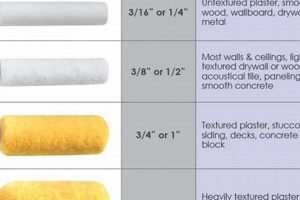
Tip 5: Selecting the Correct Application Tool. Choose brushes, rollers, or spray equipment appropriate for the desired outcome and coating viscosity. Consider nap length for rollers and brush material for the coating’s chemistry.
Tip 6: Maintain Consistent Application Technique. Overlap each stroke or spray pass slightly to prevent streaking and ensure uniform coverage. Avoid excessive pressure or over-brushing.
Tip 7: Allow Adequate Drying Time. Adhere to the recommended drying times between coats and before subjecting the coated surface to use. Premature exposure can compromise the coating’s integrity.
Tip 8: Clean Equipment Promptly. Clean brushes, rollers, and spray equipment immediately after use with appropriate solvents to prevent clogging and ensure their longevity.
Following these guidelines contributes to a professional and durable outcome.
These application techniques are foundational for a successful project. The following sections will further elaborate on achieving a professional finish.
1. Durability

Durability, in the context of coatings, refers to the ability of a surface treatment to withstand wear, tear, and environmental factors over an extended period. This characteristic is paramount when considering the long-term performance and protective capabilities.
- Resistance to Abrasion
Abrasion resistance denotes the capability to endure rubbing, scratching, and scraping without significant loss of material or aesthetic degradation. A high abrasion resistance is crucial in high-traffic areas or on surfaces subject to frequent contact, preventing premature wear and maintaining visual integrity.
- Weathering Performance
Weathering performance encompasses resistance to the detrimental effects of sunlight, temperature fluctuations, humidity, and precipitation. Coatings designed for exterior use must exhibit excellent weathering performance to prevent fading, cracking, blistering, and chalking, thereby preserving the substrate and color fidelity.
- Chemical Resistance
Chemical resistance signifies the ability to withstand exposure to various chemicals, including household cleaners, solvents, and industrial compounds, without undergoing significant alteration or damage. This property is essential in environments where chemical exposure is likely, such as kitchens, laboratories, and manufacturing facilities.
- Impact Resistance
Impact resistance measures the coating’s ability to withstand sudden forces without cracking or chipping. High impact resistance is crucial in areas prone to accidental impacts, ensuring the coating maintains its integrity and protective function.
The facets of durability discussed directly influence the lifespan and protective value. Selection of a coating should prioritize these characteristics to meet the demands of the intended application, balancing initial cost with long-term performance and maintenance considerations.
2. Aesthetics

Aesthetics play a crucial role in the selection and application of surface coatings. The visual characteristics of a surface treatment significantly influence the perceived value and overall satisfaction with a finished project. Understanding the aesthetic properties allows for informed choices to achieve the desired visual impact.
- Color and Pigmentation
Color is a fundamental element of aesthetics, impacting mood, perception, and spatial awareness. Pigmentation determines the color’s intensity, hue, and undertones. The range available enables precise matching to design schemes and brand identities, affecting the emotional response to a space. For example, lighter shades can create an open and airy atmosphere, while darker tones can add depth and sophistication.
- Sheen Level
Sheen level describes the amount of light reflected from the coated surface, ranging from matte to high-gloss. Matte sheens minimize imperfections and provide a soft, diffused light, ideal for living rooms and bedrooms. High-gloss sheens offer a reflective, durable surface, suitable for kitchens and bathrooms where cleanability is essential. The choice of sheen significantly alters the perceived texture and depth of the color.
- Texture and Smoothness
Texture refers to the tactile quality of the surface, ranging from smooth to heavily textured. Smooth surfaces offer a clean, modern aesthetic, while textured surfaces can add visual interest and conceal imperfections. Application techniques, such as using specialized rollers or brushes, can create various textures, enhancing the aesthetic appeal of the surface.
- Clarity and Depth of Color
Clarity refers to the purity and vibrancy of the color. High-quality coatings exhibit excellent color clarity, resulting in richer, more saturated hues. Depth of color is the perceived three-dimensionality of the color, influenced by the coating’s pigmentation and light-reflecting properties. The selection of coatings with superior clarity and depth enhances the visual impact and realism of the finished surface.
These aesthetic facets are integral to the selection process, influencing the final look and feel of any project. Attention to these characteristics ensures the surface coating not only protects but also enhances the visual appeal of the intended application. Careful consideration of color, sheen, texture, and clarity results in a cohesive and visually pleasing result.
3. Application

The process of application significantly determines the ultimate performance and appearance of any surface coating. Adherence to prescribed methods and environmental considerations is paramount, irrespective of the inherent qualities. Improper application can compromise the coating’s protective capabilities and aesthetic attributes. The selection of tools and techniques must align with the specific properties of the chosen coating.
- Surface Preparation
Surface preparation constitutes the foundational step for optimal coating adhesion and longevity. Contaminants, including dirt, grease, and loose material, must be thoroughly removed. Existing coatings should be assessed for compatibility and adhesion; if deemed insufficient, removal or appropriate priming is necessary. Failure to adequately prepare the surface can result in premature coating failure, manifesting as peeling, blistering, or inadequate protection.
- Environmental Conditions
Environmental conditions, such as temperature and humidity, exert considerable influence on the application and curing processes. Deviations from recommended ranges can adversely affect the coating’s flow, leveling, and drying characteristics. Excessive humidity may impede the curing process, leading to prolonged drying times and compromised adhesion. Low temperatures can increase viscosity, hindering proper application and resulting in uneven distribution. Consideration of environmental factors is crucial for achieving desired outcomes.
- Application Techniques
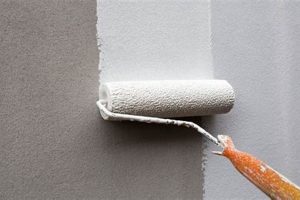
The selected application technique must align with the coating’s formulation and the desired outcome. Brush application is suitable for detailed work and smaller areas, providing control and precision. Roller application is efficient for larger surfaces, ensuring uniform coverage. Spray application, employing either airless or conventional sprayers, delivers a consistent, smooth finish but necessitates proper equipment setup and operator skill. Each technique presents unique advantages and limitations; selection should reflect project-specific requirements.
- Film Thickness
Achieving the specified film thickness is critical for optimal performance and durability. Insufficient film thickness may compromise protective properties, rendering the substrate vulnerable to corrosion, abrasion, or chemical attack. Excessive film thickness can lead to sagging, blistering, or prolonged drying times. Adherence to manufacturer-recommended film thickness ensures the coating’s protective and aesthetic attributes are fully realized. Wet film gauges and dry film thickness measurements provide essential quality control during application.
These facets of application are inextricably linked to the ultimate success. Precise execution, considering preparation, environmental factors, technique, and thickness, contributes to a durable and aesthetically pleasing result. Deviation from recommended practices introduces risks of compromised performance and reduced lifespan, underscoring the importance of meticulous attention to detail throughout the application process.
4. Protection
The protective attributes of coatings represent a fundamental consideration in their selection and application. These protective qualities directly influence the longevity, integrity, and overall performance of the substrate to which they are applied.
- Moisture Resistance
Moisture resistance is paramount in preventing water intrusion, which can lead to corrosion, rot, and structural damage. Effective coatings create a barrier that inhibits moisture absorption, safeguarding underlying materials from the deleterious effects of prolonged exposure. For instance, coatings applied to exterior surfaces of buildings must exhibit excellent moisture resistance to withstand rain, snow, and humidity, thereby preserving the integrity of the building envelope. In industrial settings, moisture resistance protects machinery and equipment from corrosion, extending their operational lifespan.
- UV Resistance
Ultraviolet (UV) radiation from sunlight can degrade coatings over time, causing fading, chalking, and embrittlement. Coatings formulated with UV absorbers or stabilizers mitigate these effects, preserving color fidelity and structural integrity. For example, automotive coatings incorporate UV resistance to prevent fading and cracking of the finish, maintaining the vehicle’s aesthetic appeal and resale value. Similarly, exterior architectural coatings utilize UV resistance to ensure long-term color retention and protection against sun damage.
- Chemical Resistance
Chemical resistance denotes the ability of a coating to withstand exposure to various chemicals without undergoing significant alteration or degradation. This property is crucial in environments where chemical exposure is likely, such as laboratories, manufacturing plants, and healthcare facilities. Coatings with high chemical resistance protect surfaces from spills, splashes, and fumes, preventing corrosion, staining, and other forms of chemical damage. For instance, coatings used in chemical processing plants must resist a wide range of corrosive substances to ensure the safety and integrity of equipment and structures.
- Corrosion Inhibition
Corrosion inhibition is a critical function of coatings applied to metallic substrates. These coatings create a barrier that prevents electrochemical reactions between the metal and its environment, thereby inhibiting the formation of rust and other forms of corrosion. Corrosion-inhibiting coatings are widely used in marine environments, where exposure to saltwater accelerates corrosion. They are also employed in the automotive industry to protect vehicle bodies from rust, extending their lifespan and maintaining their structural integrity. The application of such coatings significantly reduces maintenance costs and ensures long-term performance.
These protective facets are indispensable to realizing the full potential. The careful selection and application, tailored to the specific environmental challenges and performance requirements, ensures both aesthetic appeal and prolonged structural integrity. The long-term benefits, including reduced maintenance and extended lifespan, underscore the value of prioritizing these protective qualities.
5. Cost

The cost associated with any surface coating is a multifaceted consideration, encompassing not only the initial purchase price but also the long-term expenses related to application, maintenance, and potential replacement. For example, a lower-priced product may require more frequent reapplication due to reduced durability, ultimately exceeding the cumulative cost of a higher-priced, more durable alternative. The cost-effectiveness of a coating is thus a function of its longevity, application requirements, and the degree of protection it provides, each impacting the overall economic burden.
Specifically, variations in composition, technology, and performance attributes drive disparities in pricing. Advanced formulations offering enhanced durability, UV resistance, or specialized properties, such as anti-microbial characteristics, typically command a premium. Application costs also contribute significantly; coatings requiring specialized equipment, extensive surface preparation, or multiple coats will invariably increase overall project expenses. Consideration must be given to the long-term implications of maintenance requirements. Products exhibiting greater resistance to wear, chemical exposure, or environmental degradation will reduce the frequency and intensity of maintenance, thereby minimizing life cycle costs. A practical example includes comparing a standard interior acrylic option for a low-traffic area against an epoxy option for a high-traffic commercial space. While the initial expense is higher for the epoxy, its resistance to abrasion and ease of cleaning reduces long-term maintenance costs.
In conclusion, a comprehensive assessment of total cost demands a nuanced understanding that moves beyond immediate purchase price. Factors such as application requirements, product longevity, maintenance needs, and potential replacement costs must be integrated into the decision-making process. The challenge lies in accurately projecting these long-term variables, requiring informed judgment, consultation with professionals, and careful analysis of product specifications. By adopting a holistic perspective, informed choices can align both budgetary constraints and long-term performance objectives.
6. Longevity

Longevity, in the context of surface coatings, signifies the duration for which a coating maintains its protective and aesthetic qualities without significant degradation or failure. The desired service life is a critical factor influencing the selection. A longer lifespan reduces the frequency of recoating, minimizing both material and labor costs over time. This connection is particularly pertinent due to varying formulations and quality levels. Selection of a higher-grade product directly correlates with extended performance, minimizing the need for premature reapplication. For instance, coatings formulated with advanced UV inhibitors or enhanced binders can significantly extend their lifespan in exterior applications, preserving color and preventing chalking, fading, and cracking.
The inherent properties of the coating are directly related to the substrate preparation and environmental exposure. Proper surface preparation, including cleaning, priming, and addressing imperfections, is essential to maximize the coating’s adhesion and prevent premature failure. Exposure to harsh weather conditions, chemical pollutants, or heavy abrasion will shorten the coating’s lifespan. Understanding these factors allows for informed selection of a coating appropriate for the intended application and environment. For example, industrial facilities may require specialized coatings with enhanced chemical resistance to withstand exposure to corrosive substances, ensuring long-term protection and minimizing downtime for maintenance.
Selecting a product with an emphasis on durability directly contributes to reduced maintenance costs and extended protection. While the initial investment may be higher, the long-term cost benefits are significant. The correlation between high-quality coating and extended lifespan necessitates careful evaluation of project-specific requirements, including substrate characteristics, environmental conditions, and desired aesthetic outcome. Prioritizing longevity during the selection process ensures that coatings deliver long-term value and minimize the total cost of ownership.
Frequently Asked Questions About Surface Coating
The following questions and answers address common inquiries regarding surface coating characteristics and applications.
Question 1: How does the sheen level impact a room’s perceived size?
Higher sheen levels, such as gloss or semi-gloss, reflect more light, potentially making a small room appear larger. Conversely, matte or flat sheens absorb light, which can make a room feel smaller and cozier.
Question 2: What steps are essential for proper surface preparation?
Adequate surface preparation typically involves cleaning to remove dirt, grease, and loose paint; sanding to create a smooth surface; and priming to promote adhesion and cover stains. The specifics depend on the substrate and existing surface conditions.
Question 3: How does temperature and humidity affect the application and curing process?
Extremes in temperature and humidity can adversely affect the application. High humidity can slow drying times and promote mildew growth, while low temperatures can increase viscosity and hinder proper flow. Consult product specifications for optimal conditions.
Question 4: What are the advantages and disadvantages of brush versus roller application?
Brush application allows for greater precision and control, ideal for detailed work and smaller areas. Roller application is more efficient for larger, uniform surfaces. However, rollers may leave a slight texture, while brushes can cause visible brushstrokes if not applied correctly.
Question 5: How can the lifespan of the coating be maximized?
The lifespan is maximized by ensuring proper surface preparation, selecting a coating appropriate for the environment and intended use, applying the coating according to manufacturer instructions, and maintaining the surface regularly to address minor damage promptly.
Question 6: What factors contribute to the overall cost of surface coating, beyond the price of the product itself?
In addition to the product’s price, the cost encompasses surface preparation, application labor, tools and equipment, and long-term maintenance. Selecting a more durable coating may reduce long-term maintenance expenses.
These questions address some of the most common considerations. Consulting with a professional is advised for specific or complex projects.
The next section will delve into case studies illustrating practical applications and results.
Conclusion
The exploration of sherwin williams paint finish reveals its multifaceted nature, extending beyond mere aesthetics to encompass durability, protection, and long-term cost considerations. Optimal selection and application require careful evaluation of substrate characteristics, environmental conditions, and desired performance outcomes. The attributes are not isolated but rather interconnected, influencing project success and longevity. A comprehensive understanding of these elements facilitates informed decision-making and maximizes the value derived from protective coatings.
Continued adherence to best practices and ongoing research are essential for optimizing the utilization of sherwin williams paint finish. Consistent updates regarding product formulations and application techniques will ensure effective project implementation and long-term protection. Consulting qualified professionals remains paramount for addressing project-specific complexities and ensuring optimal results.