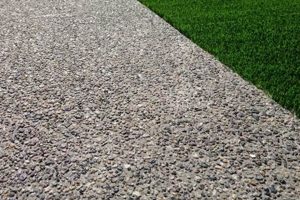
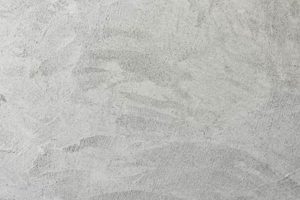
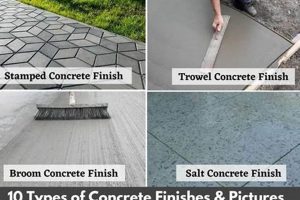
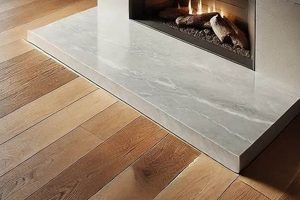
A textured concrete surface achieved by embedding salt crystals into the fresh concrete mix and then washing them away after the concrete has partially hardened, leaving small pits. This technique offers a unique aesthetic alternative to smoother finishes and provides improved traction. For example, a walkway might utilize this technique to enhance slip resistance, while a patio could employ it for its visual appeal.
This finishing method serves both practical and aesthetic purposes. Historically, it provided a simple, cost-effective way to create a non-slip surface. The resulting texture adds visual interest, breaking up the monotony of large concrete expanses. Its enduring appeal lies in its blend of functionality and decorative potential, making it suitable for various applications, from residential landscaping to commercial paving.
The following sections will explore the advantages and disadvantages of this particular type of concrete finishing, providing a balanced perspective on its suitability for different projects and environments.
Tips for Optimal Results
Achieving a successful outcome requires careful planning and execution. These tips address critical factors for those considering this technique.
Tip 1: Aggregate Selection: The choice of aggregate significantly impacts the final appearance. Lighter aggregates create a more subtle contrast, while darker aggregates offer a bolder, more pronounced texture.
Tip 2: Salt Type and Size: The size and type of salt influence the size and density of the resulting pits. Coarser salt produces larger, more defined pits, while finer salt results in a more subtle, sand-like texture. Table salt, rock salt, and specialized concrete salts are options, each offering a distinct aesthetic.
Tip 3: Timing of Salt Application: Even distribution is crucial. Broadcasting the salt evenly across the surface while the concrete is still plastic ensures consistent texturing. Avoid clumping or overlapping of salt crystals.
Tip 4: Embedment Depth: Press the salt crystals lightly into the surface. Over-embedding can make removal difficult, while insufficient embedment can lead to premature dislodging during curing.
Tip 5: Wash-Off Timing: The timing of the wash-off is critical. Washing off too early can disrupt the concrete’s surface, while waiting too long can make salt removal difficult. Perform a test area to determine the optimal time based on weather conditions and concrete mix.
Tip 6: Water Pressure: Use a gentle stream of water to remove the salt. High-pressure washing can damage the concrete surface, especially in its early stages of curing.
Tip 7: Curing Procedures: Proper curing is essential to maintain concrete strength and prevent cracking. Employ standard concrete curing methods, such as wet curing or the application of a curing compound, after the salt has been removed.
Implementing these guidelines helps achieve the desired aesthetic and functional characteristics. Careful attention to detail yields a durable and visually appealing surface.
The following section will summarize the main advantages and disadvantages, facilitating a well-informed decision.
1. Aesthetics

The visual characteristics created by salt finish concrete constitute a critical consideration for architects, contractors, and property owners. These aesthetic attributes influence the perceived value, ambiance, and integration of the concrete element within its surrounding environment.
- Textural Variation and Visual Interest
The defining characteristic is its textured surface, distinguished by the small pits left behind after the salt crystals are removed. This variation breaks up the monotony of flat concrete surfaces, adding a dimension of visual interest. The degree of texture can be controlled by adjusting the salt crystal size and density, enabling customization for a wide range of design preferences. For example, a heavily textured surface can provide a rustic, natural look, while a lightly textured finish can offer a more subtle, contemporary appearance. The texture impacts the way light interacts with the surface, influencing the overall tone and depth perception.
- Color and Aggregate Exposure
The salt finish reveals the aggregate within the concrete mix, further influencing the aesthetic outcome. The color, size, and distribution of the aggregate contribute to the overall visual character. Different aggregate typessuch as quartz, granite, or marbleproduce distinct color variations and patterns. The exposure of the aggregate can be controlled by adjusting the timing and intensity of the wash-off process. A more aggressive wash-off reveals more of the aggregate, while a lighter wash-off leaves a smoother, more subtle surface. The interplay between the aggregate color and the surrounding environment is crucial for creating a cohesive design.
- Customization and Design Flexibility
The technique allows for considerable design flexibility and customization. Besides adjusting the salt size and aggregate type, other factors can be manipulated to achieve specific aesthetic goals. These include the concrete mix design, pigment addition, and surface staining. The technique can be combined with other concrete finishing methods, such as stamping or scoring, to create unique and intricate designs. The ability to tailor the finish to specific architectural styles or landscape designs is a significant advantage. For instance, it can mimic the look of natural stone in a garden path or complement the modern aesthetic of a minimalist building.
- Long-Term Appearance Considerations
While the initial aesthetic impact is significant, it’s also important to consider the long-term appearance. Over time, the textured surface can accumulate dirt and debris, potentially altering its original color and texture. Exposure to weathering and abrasion can also wear down the edges of the pits, making them appear less defined. Regular cleaning and maintenance are necessary to preserve its aesthetic qualities. The choice of sealant can also influence the long-term appearance, providing protection against staining and weathering. Understanding these factors is crucial for maintaining the desired aesthetic throughout the lifespan of the concrete surface.
The aesthetic dimension of concrete with salt finishing is multifaceted, influenced by texture, color, customization options, and long-term maintenance considerations. Understanding these nuances is essential for harnessing its full potential in creating visually appealing and durable surfaces.
2. Slip Resistance

A significant advantage associated with the texture produced during the salt finishing process is its enhanced slip resistance. The small indentations created by the salt crystals provide a greater coefficient of friction compared to smooth concrete surfaces. This increased friction reduces the risk of slips and falls, particularly in wet or icy conditions. The cause is directly related to the increased surface area and the irregular profile, allowing for better grip between footwear and the concrete. The importance of this attribute is particularly relevant in areas prone to moisture, such as pool decks, patios, walkways, and entrance areas, where pedestrian safety is a primary concern. An example of this advantage can be seen in public spaces where the application of this texturing method can significantly decrease accidents and injuries caused by slipping.
The level of slip resistance achieved is contingent on several factors, including the size and density of the salt crystals used, the aggregate exposure, and the thoroughness of the wash-off process. Larger salt crystals generally result in deeper indentations and greater slip resistance, but can also create a more aggressive texture. The proper execution of the finishing technique is essential to ensure uniform texturing and avoid areas of smooth, slippery concrete. The application of sealants can also affect the slip resistance. While some sealants may enhance the surface’s appearance and protect it from staining, others can reduce the coefficient of friction. Therefore, the selection of sealants should consider their impact on slip resistance. Furthermore, regular cleaning and maintenance are required to prevent the accumulation of dirt and debris, which can reduce the effectiveness of the textured surface. Failure to do so may negate the intended benefits of improved safety.
In summary, the enhanced slip resistance offered by this concrete finishing method presents a crucial benefit, particularly in areas where pedestrian safety is paramount. However, achieving and maintaining optimal slip resistance necessitates careful consideration of the finishing technique, sealant selection, and routine maintenance. This attribute directly contributes to a more secure and accident-free environment, representing a key advantage when considering its utilization.
3. Cost Effectiveness

The economic considerations surrounding concrete finishing with salt are a significant factor in project planning. Evaluating the cost-effectiveness involves analyzing material expenses, labor requirements, long-term maintenance, and potential cost savings compared to alternative finishing methods. A thorough understanding of these aspects enables informed decisions aligned with budgetary constraints.
- Initial Material Costs
The primary material cost involves the salt itself. Typically, common rock salt or specialized concrete salts are used, and their cost is relatively low compared to specialized coatings or aggregates. However, the quantity of salt required depends on the desired texture and the surface area. Furthermore, the cost of the concrete mix itself remains the most substantial expense, regardless of the finishing technique employed. Therefore, the incremental material cost associated with this specific finishing method is generally moderate.
- Labor Requirements and Installation Costs
The labor involved consists of broadcasting the salt onto the fresh concrete surface, embedding it, and subsequently washing it off. While the process is not inherently complex, it requires skilled labor to ensure uniform distribution of the salt and proper timing for wash-off. Improper timing can result in either insufficient texture or damage to the concrete surface, leading to costly repairs. Therefore, while not requiring specialized equipment, experienced labor is crucial for cost-effective installation.
- Long-Term Maintenance and Repair Costs
The textured surface created is susceptible to the accumulation of dirt and debris, potentially necessitating more frequent cleaning compared to smoother surfaces. Furthermore, the pits created can be vulnerable to freeze-thaw damage in colder climates, leading to surface degradation and the need for repairs. While sealants can mitigate these issues, they add to the initial cost. Therefore, the long-term maintenance and repair costs should be factored into the overall cost-effectiveness assessment.
- Life Cycle Cost Comparison
When compared to alternative finishing methods, such as stamped concrete or exposed aggregate, concrete finishing with salt often presents a more economical option, particularly for large surface areas. Stamped concrete requires specialized molds and more intensive labor, while exposed aggregate involves higher material costs for decorative aggregates. However, alternatives like broom finishing may have a lower initial cost, but could lack the aesthetic appeal and slip resistance offered by this technique. Therefore, a comprehensive life cycle cost analysis, considering initial costs, maintenance, and durability, is essential for determining the most cost-effective solution.
The economic viability depends on project-specific factors, including the scale of the project, local labor costs, environmental conditions, and the desired aesthetic outcome. A careful evaluation of these factors ensures that this finishing method aligns with budgetary constraints while delivering the desired functionality and appearance.
4. Installation Complexity

The ease or difficulty of installation is a pivotal aspect when weighing the advantages and disadvantages of concrete texturing with salt. Though seemingly straightforward, the process is sensitive to variations in technique and environmental conditions, directly impacting the final quality and durability of the surface. The initial steps involve pouring and leveling concrete, followed by evenly distributing salt crystals across the surface before embedding them lightly. Subsequently, the salt must be carefully washed away at a specific point during the curing process. Each stage presents potential challenges if not executed correctly.
Uneven salt distribution, for example, leads to inconsistent texturing, resulting in aesthetically displeasing variations in the surface. Embedding the salt too deeply complicates removal, potentially weakening the concrete’s surface layer. Washing off the salt too early disrupts the concrete’s setting process, while delaying the wash risks the salt becoming permanently bonded. Environmental factors such as temperature and humidity significantly influence the concrete’s curing rate, necessitating adjustments to the wash-off timing. A lack of experience or attention to detail in any of these areas can negate the potential benefits of the finish, increasing the likelihood of costly rework or premature surface degradation. Consider a large commercial project where improper timing led to sections of the concrete requiring complete replacement; this scenario underscores the importance of experienced contractors who understand these nuances.
Ultimately, the interplay between installation complexity and the overall benefits hinges on skilled execution and meticulous process control. While the initial material costs are relatively low, the labor and expertise required to mitigate potential pitfalls should be carefully considered. Recognizing these factors ensures a realistic assessment of the feasibility and long-term viability of this particular concrete finishing option.
5. Durability Concerns
The long-term performance of a salt-finished concrete surface is directly influenced by the inherent vulnerability created through the salt removal process. The resulting pitted texture, while aesthetically pleasing and enhancing traction, introduces points of weakness. These indentations serve as reservoirs for water and debris, exacerbating the effects of freeze-thaw cycles in colder climates. Water accumulation within the pits expands upon freezing, exerting pressure on the surrounding concrete matrix, which can lead to surface spalling, cracking, and ultimately, a reduction in the lifespan of the concrete structure. The degree of this degradation is proportionate to the severity of the climate and the frequency of freeze-thaw events. Consider a walkway in a northern climate subjected to de-icing salts during winter months; the combined effect of freeze-thaw and chemical attack significantly accelerates deterioration.
Abrasion resistance is also a critical consideration. High-traffic areas experience increased wear on the exposed edges of the pits, gradually smoothing the texture and diminishing its intended aesthetic and slip-resistant properties. Moreover, the exposed aggregate, particularly if it is of lower quality, can be susceptible to polishing under sustained foot or vehicular traffic. Regular maintenance, including cleaning and sealing, can mitigate some of these durability concerns, but it introduces additional costs and requires consistent effort. The selection of appropriate sealing compounds is crucial; certain sealers may offer enhanced protection against water penetration and abrasion, while others may compromise the slip resistance of the surface.
In summary, while concrete texturing with salt offers aesthetic and functional advantages, the long-term durability must be carefully evaluated. The vulnerability to freeze-thaw damage, abrasion, and the need for ongoing maintenance represent significant considerations. Understanding these limitations is crucial for informed decision-making, enabling the selection of appropriate materials and preventative measures to maximize the lifespan and performance of the concrete surface. This understanding links directly to the core question, as these concerns significantly impact the assessment of its benefits.
Frequently Asked Questions
The following addresses common inquiries regarding the attributes of concrete finishing with salt, providing clarity on key considerations.
Question 1: Does the salt type significantly impact the resulting texture?
Yes, the type and size of salt crystals directly influence the texture’s coarseness. Coarser salt results in larger, more pronounced pits, while finer salt produces a subtler, sand-like finish. Table salt, rock salt, and specialized concrete salts each offer distinct aesthetic outcomes.
Question 2: How does weather affect the installation process?
Weather conditions, particularly temperature and humidity, affect the concrete’s curing rate, impacting the optimal timing for salt removal. Hot, dry weather accelerates curing, requiring earlier wash-off. Conversely, cool, humid weather slows curing, necessitating a delayed wash. Test areas are advisable to determine the appropriate timing.
Question 3: Can the slip resistance be adjusted?
The slip resistance can be adjusted by varying the size and density of salt crystals. A higher density of larger crystals generally provides greater slip resistance. However, excessively rough surfaces may become uncomfortable for pedestrian traffic. Balancing safety and comfort is essential.
Question 4: What maintenance is required to preserve the appearance?
Regular cleaning is necessary to remove dirt and debris that accumulate in the textured surface. Pressure washing with a gentle stream of water is generally effective. Periodic sealing can also help protect against staining and weathering, preserving the original aesthetic qualities.
Question 5: Is this finishing method suitable for all climates?
While adaptable, it is less suitable for climates with frequent freeze-thaw cycles. The pits created can trap water, leading to expansion upon freezing and potential surface damage. In such climates, proper sealing and drainage considerations are crucial to mitigate these risks.
Question 6: Does the underlying concrete mix influence the final result?
Yes, the concrete mix design significantly impacts the final appearance. The color and type of aggregate influence the exposed texture, while the water-cement ratio affects the concrete’s strength and durability. Careful selection of mix components is essential to achieving the desired aesthetic and functional characteristics.
In summary, factors such as salt type, weather conditions, slip resistance adjustments, maintenance protocols, climatic suitability, and concrete mix design all play a crucial role in its successful application. Awareness of these variables is essential for optimal results.
The following section will provide a comprehensive conclusion encapsulating these core considerations.
Conclusion
The preceding analysis has explored the multi-faceted nature of concrete finishing with salt, outlining both its advantageous and disadvantageous aspects. The technique provides a cost-effective method for enhancing slip resistance and creating visually interesting surfaces. However, the resulting texture introduces vulnerabilities to freeze-thaw damage and abrasion, necessitating careful consideration of climate, traffic levels, and maintenance requirements. Installation demands precision to ensure uniform texture and prevent premature degradation. The selection of appropriate materials and sealing compounds is critical for maximizing longevity and preserving desired characteristics.
Ultimately, the suitability of concrete texturing with salt depends on a project-specific evaluation, weighing the aesthetic and functional benefits against the potential durability concerns and installation complexities. Prudent planning, skilled execution, and ongoing maintenance are essential for harnessing its potential while mitigating its limitations, ensuring that the finished product meets both immediate needs and long-term expectations.