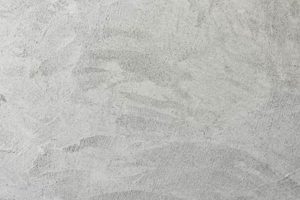
A surface treatment applied to concrete that yields a darkened, often mottled appearance, simulating the effect of heat exposure. This aesthetic is achieved through various methods, including the application of chemical stains, dyes, or specialized coatings. The resulting coloration can range from subtle shading variations to deeply contrasting tones, imparting a sense of age, texture, and visual interest to the concrete. Examples include flooring, walls, and exterior facades designed to evoke an industrial or rustic ambiance.
This surfacing technique offers numerous advantages. Beyond its striking visual appeal, it allows for customization and design flexibility, enabling architects and designers to achieve a wide array of aesthetics. The treatment enhances the concrete’s inherent character, masking imperfections and adding depth. Historically, such techniques have been employed to replicate the look of distressed or weathered materials, offering a cost-effective and durable alternative. The enduring popularity stems from its ability to blend seamlessly with both contemporary and traditional design schemes.
The following sections will delve into the specific methods used to create these unique surfaces, explore the range of color palettes available, and outline the maintenance requirements necessary to preserve the integrity and beauty of the finished product. Furthermore, practical considerations for application in various environments will be addressed, providing a comprehensive understanding of this increasingly popular concrete treatment.
Application Tips for Achieving a Distressed Concrete Surface
The following guidelines provide essential considerations for successfully implementing a distressed concrete surface treatment, ensuring optimal aesthetic and durable results.
Tip 1: Surface Preparation is Paramount: Ensure the concrete substrate is clean, dry, and free of any contaminants such as oil, grease, or existing coatings. Proper surface preparation significantly impacts the adhesion and longevity of the applied treatment.
Tip 2: Chemical Stain Selection Matters: Choose chemical stains specifically formulated for concrete. Consider the desired color intensity and the concrete’s porosity, as these factors influence stain penetration and final appearance. Test stains on a small, inconspicuous area to verify color and reaction.
Tip 3: Control Application for Uniformity: Apply the chosen treatment evenly to achieve consistent color distribution. Avoid pooling or streaking, which can result in uneven pigmentation. Multiple thin coats often yield better results than a single heavy application.
Tip 4: Neutralization is Crucial: After staining, neutralize the concrete surface according to the manufacturer’s instructions, particularly when using acidic stains. Failure to neutralize can lead to ongoing chemical reactions and potential discoloration.
Tip 5: Sealing for Protection and Enhancement: Apply a high-quality concrete sealer to protect the treated surface from moisture, staining, and abrasion. The sealer can also enhance the color and sheen, adding to the aesthetic appeal. Choose a sealer appropriate for the intended use and environment.
Tip 6: Mock-Ups for Previewing Results: Create a representative mock-up on a sample of the concrete to be treated. This allows for experimentation with different techniques and color combinations before committing to the entire project.
Adhering to these tips will increase the likelihood of achieving the desired aesthetic and ensuring the long-term performance of the treated concrete surface. Thorough preparation and careful application are essential for a successful outcome.
The subsequent sections will explore advanced techniques and troubleshooting common issues encountered during the surface treatment process, providing further insight into achieving professional-quality results.
1. Color variation control

Color variation control is a critical determinant of the aesthetic outcome in achieving a distressed concrete surface. The degree of variation directly impacts the perceived depth, texture, and overall visual appeal of the finished product. Uncontrolled color inconsistencies can result in an undesirable, mottled appearance, detracting from the intended design. Conversely, carefully managed variations introduce nuanced shading and tonal shifts, mimicking the organic complexity often found in naturally aged or weathered materials. This controlled approach elevates the aesthetic, providing a sense of authenticity and visual interest. For example, in large-scale flooring applications, strategic color variation can define spaces, create visual flow, and mask minor imperfections in the concrete substrate. The application of multiple stain layers, each with subtle tonal differences, is one technique used to achieve sophisticated color control.
The effectiveness of color variation control hinges on several factors, including the type of chemical stain used, the application method, and the inherent characteristics of the concrete itself. Different chemical stains react uniquely with the concrete, producing a range of colors and intensities. The application method, whether it involves brushing, spraying, or sponging, influences the uniformity and depth of color penetration. Furthermore, variations in concrete porosity and composition can lead to localized differences in stain absorption, necessitating adjustments to the application process to maintain the desired color balance. Consideration must be given to batch-to-batch consistency of stains to prevent unforeseen shifts in color during large projects. Failure to do so can lead to a noticeable patchwork effect that undermines the intended aesthetic.
In summary, color variation control is not merely an optional refinement, but a fundamental element in achieving a high-quality distressed concrete surface. Careful planning, precise execution, and ongoing monitoring are essential to realize the desired visual effect. Challenges in achieving consistent color control often stem from inconsistencies in materials, application techniques, and the concrete substrate itself. Addressing these challenges requires a thorough understanding of the chemical processes involved, meticulous attention to detail, and a willingness to adapt the application strategy based on real-time observations. The ability to effectively manage color variation ultimately distinguishes a professional, aesthetically pleasing outcome from a flawed and unsatisfactory result.
2. Chemical reaction consistency

The creation of a distressed concrete surface, simulating a burnt appearance, relies heavily on the predictability and uniformity of the chemical reactions induced during the staining process. Achieving the desired aesthetic outcome a mottled, aged, and textured look is directly contingent upon maintaining consistent chemical reactions across the entire surface area. Inconsistent reactions lead to uneven color distribution, resulting in an undesirable, patchy finish that fails to replicate the intended effect. The chemical stains interact with the cementitious components of the concrete, altering their color; variations in this interaction translate directly into visible inconsistencies in the final finish. Therefore, chemical reaction consistency functions as a critical process control element within the broader framework of creating a desired aged concrete aesthetic.
Several factors contribute to the challenge of maintaining consistent chemical reactions. These include variations in concrete porosity, surface preparation inconsistencies, ambient temperature and humidity fluctuations, and inconsistencies in stain application. For example, areas of the concrete with higher porosity will absorb more stain, leading to a darker coloration than areas with lower porosity. Similarly, inadequate surface preparation, such as the presence of residual sealant or contaminants, can inhibit stain penetration and alter the chemical reaction. Practical application requires meticulous attention to detail at each stage of the process, from initial surface preparation to final stain application and sealing. The type of chemical stain used also influences the level of consistency achievable; some stains are inherently more susceptible to variations in reaction conditions than others.
In summary, chemical reaction consistency is paramount in achieving a successful distressed concrete surface. Maintaining consistency requires careful management of all variables that can influence the chemical interactions between the stain and the concrete. This necessitates meticulous surface preparation, precise stain application, and environmental control. Failure to achieve chemical reaction consistency results in an aesthetically compromised finish, undermining the intended design intent. Therefore, understanding and controlling the factors that influence chemical reactions are essential for achieving a high-quality distressed concrete surface.
3. Sealer type compatibility

Sealer type compatibility is a crucial determinant of the long-term performance and aesthetic retention of a distressed concrete surface. The selection of an incompatible sealer can lead to a range of detrimental effects, including discoloration, delamination, and reduced durability. The chemical composition of the sealer must be carefully considered in relation to the specific chemical stains or treatments used to achieve the distressed appearance. For example, applying a solvent-based sealer over a water-based stain may result in the stain dissolving and bleeding, compromising the desired color and finish. Conversely, some sealers may react negatively with certain staining agents, leading to cloudiness or a change in hue. Properly matched sealers enhance the distressed effect by adding depth and sheen, while also providing protection against moisture, abrasion, and UV degradation.
The practical implications of sealer type compatibility are significant in various applications. In high-traffic areas, such as retail spaces or restaurants, a durable, abrasion-resistant sealer is essential to prevent wear and tear that would expose the underlying concrete. In exterior applications, UV resistance is paramount to prevent fading and discoloration caused by prolonged sun exposure. For interior surfaces, considerations may include low VOC (Volatile Organic Compounds) content to ensure good indoor air quality. Examples include using a breathable silane-siloxane sealer on exterior concrete to protect against freeze-thaw damage while allowing moisture vapor transmission, or employing a polyurethane sealer in a commercial setting due to its exceptional abrasion resistance. Mismatched sealer and finish combinations can result in costly repairs or complete re-application of the distressed concrete surface.
In summary, ensuring sealer type compatibility is not merely a superficial consideration, but a fundamental aspect of achieving and maintaining a high-quality distressed concrete finish. Understanding the chemical interactions between the sealer and the underlying stain is essential for selecting the appropriate product. The selection process must account for the intended use environment, traffic levels, and exposure to environmental factors. Failure to prioritize sealer compatibility can lead to aesthetic degradation, reduced durability, and increased maintenance costs, ultimately undermining the investment in creating a distressed concrete surface.
4. Application technique impact

The selection and execution of application techniques exert a significant influence on the ultimate aesthetic and durability of a distressed concrete surface, also known as a burnt concrete finish. Varying application methods yield distinct visual outcomes, necessitating a careful understanding of each technique’s capabilities and limitations.
- Spraying vs. Brushing: Uniformity and Texture
Spraying applications typically produce a more uniform color distribution, suitable for achieving a consistent base tone. Brushing, conversely, introduces subtle variations in texture and color depth, enhancing the distressed appearance. The choice depends on the desired level of uniformity and the intended degree of visual interest. An example is using a sprayer for the first base color and then adding brush stroke for texture.
- Layering Applications: Depth and Complexity
Applying multiple thin layers of stain or dye allows for the creation of complex color gradients and nuanced tonal variations. This technique enables the layering of different hues to achieve a richer, more dynamic distressed effect. Multiple layers also allow for correction and fine tuning until the desired color depth is achieved. A single, heavy coat rarely achieves the visual depth possible with layered applications.
- Dry Brushing: Accentuation of Texture
Dry brushing, a technique involving the application of stain or dye with a nearly dry brush, accentuates the texture of the concrete surface. This method effectively highlights surface imperfections and creates a more pronounced distressed look. The effect is particularly noticeable on textured or stamped concrete surfaces.
- Stenciling and Masking: Controlled Patterns and Designs
Employing stenciling or masking techniques allows for the creation of controlled patterns and designs within the distressed concrete surface. These methods offer the ability to incorporate geometric shapes, logos, or other decorative elements into the finish. This is particularly useful for retail or commercial spaces seeking a branded aesthetic.
The impact of application techniques extends beyond aesthetic considerations. Different methods influence the penetration depth of the stain or dye, affecting the durability and longevity of the finish. For instance, spraying may result in a less durable finish compared to brushing, as the latter forces the stain deeper into the concrete pores. The selection of appropriate application techniques is, therefore, crucial for both achieving the desired visual effect and ensuring the long-term performance of a distressed concrete, or burnt concrete finish.
5. Surface preparation accuracy
Surface preparation accuracy is a non-negotiable prerequisite for achieving a successful distressed concrete surface, or burnt concrete finish. The quality and longevity of the final result are directly proportional to the thoroughness and precision of the preparatory steps. Imperfections or inadequacies in surface preparation manifest as inconsistencies in color, texture, and adhesion, ultimately undermining the desired aesthetic and compromising the integrity of the finish.
- Removal of Contaminants
The complete removal of contaminants, such as oil, grease, dirt, and existing coatings, is essential for ensuring proper stain penetration and adhesion. Residual contaminants create barriers that impede the chemical reactions necessary for achieving a uniform and durable distressed appearance. For instance, failing to remove an old acrylic sealer before staining will result in uneven color absorption and potential delamination of the new finish. Pressure washing, grinding, and chemical stripping are common methods employed to achieve a clean, contaminant-free surface.
- Surface Profiling for Adhesion
Surface profiling involves creating a slightly roughened texture on the concrete surface to enhance the mechanical bond between the concrete and the staining agent or sealer. This is often achieved through grinding, acid etching, or abrasive blasting. A properly profiled surface provides increased surface area for adhesion, resulting in a more durable and long-lasting finish. Inadequate profiling leads to poor adhesion and premature failure of the coating or staining system. A CSP (Concrete Surface Profile) rating is often used to measure the level of roughness.
- Crack and Defect Repair
Addressing cracks, spalls, and other surface defects prior to staining is crucial for achieving a visually appealing and structurally sound finished surface. These imperfections not only detract from the aesthetic appeal but also provide pathways for moisture intrusion and further deterioration. Repairing these defects with appropriate patching compounds ensures a smooth and uniform surface for staining, minimizing the risk of uneven color absorption or premature failure. A polyurethane concrete crack filler is often preferred for its flexibility and durability.
- Moisture Content Control
Controlling the moisture content of the concrete substrate is paramount for preventing adhesion problems and ensuring consistent color development. Excessive moisture inhibits the penetration of staining agents and can lead to blistering or delamination of the finish. Allowing the concrete to dry adequately before applying any surface treatments is essential. This may involve using moisture meters to verify that the moisture content is within acceptable limits. Inadequate drying time can result in a compromised finish that is prone to failure.
In conclusion, surface preparation accuracy is not a mere preliminary step but an integral component of the entire distressed concrete surface finishing process. The facets outlined above, including contaminant removal, surface profiling, defect repair, and moisture control, collectively contribute to a foundation upon which a high-quality, durable, and aesthetically pleasing finish can be achieved. Neglecting any of these aspects compromises the integrity of the entire system, ultimately detracting from the desired visual outcome and reducing the lifespan of the distressed concrete surface, or burnt concrete finish.
6. Long-term durability

Long-term durability represents a critical performance parameter for distressed concrete surfaces, directly influencing their life-cycle cost and overall sustainability. The application of specific treatments to achieve the desired aesthetic, simulating the effect of heat or age, can paradoxically either enhance or diminish the inherent durability of the concrete. The selection of appropriate materials and application techniques, therefore, becomes paramount in ensuring the longevity of the finish. For instance, improper selection of chemical stains or sealers can lead to premature fading, cracking, or delamination, necessitating costly repairs or complete replacement. The long-term performance hinges upon a comprehensive understanding of the interactions between the concrete substrate, the applied treatments, and the environmental conditions to which the surface is exposed. Achieving an appealing aesthetic at the expense of structural integrity or long-term performance represents a fundamentally flawed approach.
Consider the practical example of a distressed concrete floor in a high-traffic commercial setting. Without a properly applied and maintained protective sealer, the stained surface is susceptible to abrasion, staining, and wear from foot traffic, cleaning equipment, and spills. Over time, the distressed aesthetic degrades, requiring frequent re-application of the staining and sealing treatments, increasing maintenance costs and disrupting operations. Conversely, a carefully selected, high-performance sealer, specifically designed for concrete floors, can provide a durable protective barrier, resisting abrasion, staining, and chemical attack, thereby extending the lifespan of the distressed finish and minimizing maintenance requirements. The use of penetrating silane sealers, followed by a sacrificial wax coating, provides a durable and easily maintained surface that withstands heavy traffic and repeated cleaning cycles. The proper selection, application, and maintenance of sealers directly contribute to enhanced abrasion resistance, reduced staining, and prolonged aesthetic appeal.
In summary, long-term durability is an intrinsic component of a successful distressed concrete surface finish. Achieving this requires a holistic approach that considers the properties of the concrete, the characteristics of the applied treatments, the environmental exposure conditions, and the intended use of the surface. Prioritizing durability during the design and implementation phases ensures that the aesthetic appeal of the distressed finish is preserved over time, minimizing life-cycle costs and maximizing the return on investment. The challenges of achieving long-term durability often stem from insufficient surface preparation, the use of incompatible materials, or inadequate maintenance practices. Addressing these challenges through careful planning, proper execution, and consistent maintenance is essential for realizing the full potential of distressed concrete surfaces in a wide range of applications.
Frequently Asked Questions
The following section addresses common inquiries regarding distressed concrete, also known as burnt concrete finish, aiming to provide clarity and dispel potential misconceptions.
Question 1: What is the primary purpose of creating a distressed concrete surface?
The primary purpose is to achieve a specific aesthetic effect, replicating the appearance of aged, weathered, or heat-treated concrete. This is often desired for its visual appeal in both interior and exterior design applications.
Question 2: Are distressed concrete finishes suitable for all concrete types?
While applicable to various concrete types, the suitability depends on factors such as porosity, surface texture, and existing coatings. Proper assessment and preparation are crucial for optimal results.
Question 3: How is the distressed effect achieved on concrete surfaces?
The distressed effect is typically achieved through the application of chemical stains, dyes, or specialized coatings. Techniques may include layering, dry brushing, and controlled variations in application to mimic natural aging.
Question 4: What are the key considerations for maintaining a distressed concrete finish?
Key considerations include the selection of appropriate sealers, regular cleaning with pH-neutral products, and prompt removal of spills to prevent staining. Periodic re-sealing is also recommended to maintain long-term durability.
Question 5: Does a distressed concrete finish compromise the structural integrity of the concrete?
When properly executed, a distressed concrete finish should not compromise structural integrity. However, aggressive surface preparation techniques or the use of inappropriate chemicals can potentially weaken the concrete. Professional assessment and careful application are essential.
Question 6: What is the typical lifespan of a distressed concrete finish?
The lifespan of a distressed concrete finish varies depending on factors such as traffic levels, environmental exposure, and maintenance practices. With proper care, a well-executed finish can last for many years.
In summary, distressed concrete surfaces offer a unique aesthetic appeal while maintaining the inherent durability of concrete. Proper execution and maintenance are crucial for long-term performance.
The subsequent section will delve into cost considerations associated with distressed concrete finishes, providing a comprehensive overview of material, labor, and maintenance expenses.
Burnt Concrete Finish
The preceding analysis has illuminated the multifaceted nature of achieving and maintaining a burnt concrete finish. Key considerations range from meticulous surface preparation and careful selection of chemical treatments to the crucial role of compatible sealers and application techniques. Long-term durability hinges upon a holistic approach, accounting for environmental factors, traffic levels, and consistent maintenance. The control of color variation and the consistency of chemical reactions remain central to realizing the intended aesthetic.
Ultimately, the successful implementation of a burnt concrete finish requires a convergence of technical expertise, artistic vision, and unwavering attention to detail. The enduring appeal of this finish stems from its capacity to evoke a sense of timelessness and character, transforming ordinary concrete surfaces into visually compelling works. Continued research and refinement of application techniques will undoubtedly further enhance the versatility and longevity of this increasingly sought-after architectural treatment. The informed application of this knowledge ensures a valuable asset that enhances the aesthetic and economic value of a structure.