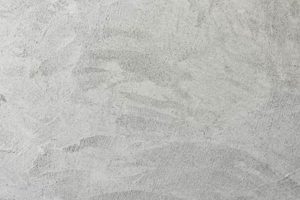
This decorative treatment creates a textured surface on freshly poured concrete. It involves using a trowel or similar tool to produce a series of overlapping arcs or semi-circles while the concrete is still plastic. The resulting pattern offers a visually appealing and non-slip texture, commonly applied to driveways, patios, and walkways.
The application of this surface treatment enhances the aesthetic value of concrete installations and contributes to improved safety. The textured surface provides increased traction, reducing the risk of slips and falls, especially in wet conditions. Historically, this technique has provided an economical and effective method of improving the visual and functional properties of concrete surfaces.
The subsequent sections will delve into the practical aspects of achieving this specific surface appearance, including preparation, application techniques, necessary tools, and considerations for long-term maintenance. Furthermore, variations and alternative decorative approaches will be explored, providing a comprehensive overview of decorative concrete finishing methods.
Achieving a Superior Swirl Finish
The following recommendations provide guidance for achieving a professional and durable outcome when implementing a decorative concrete surface treatment.
Tip 1: Concrete Mix Consistency: Ensure the concrete mix maintains a uniform consistency throughout the pour. Inconsistent hydration can lead to variations in workability and affect the pattern’s uniformity.
Tip 2: Timing is Critical: Begin the texturing process when the concrete has reached the correct stage of plasticity. Initiating the process too early results in smearing; too late, and the concrete becomes unworkable.
Tip 3: Tool Selection Matters: Use a clean, smooth trowel, typically a magnesium float. The size and shape of the tool influence the size and definition of the swirls.
Tip 4: Consistent Technique: Maintain a consistent arc and pressure when creating the pattern. Overlapping the arcs ensures a seamless and aesthetically pleasing result.
Tip 5: Edge Detailing: Pay close attention to the edges and corners of the concrete slab. Use an edging tool to create a clean and professional border.
Tip 6: Curing Practices: Proper curing is essential for concrete strength and durability. Implement a curing method, such as wet curing or the application of a curing compound, to prevent premature drying.
Tip 7: Control Joints: Integrate control joints into the concrete slab design to minimize cracking. The pattern can be continued across control joints for a uniform appearance.
Adhering to these guidelines will contribute to a visually appealing and long-lasting decorative concrete surface. Consistent material preparation, proper timing, and skillful execution are vital for a successful outcome.
The concluding section will address common challenges encountered during application and offer solutions for mitigating these issues.
1. Trowel Technique

The trowel technique is fundamentally linked to the successful execution of a decorative surface treatment on concrete. The method employed directly dictates the aesthetic outcome and uniformity of the finished surface. Improper manipulation of the trowel results in inconsistent swirl patterns, uneven depth, and potentially, compromised slip resistance. For example, if the trowel is held at an inconsistent angle or pressure is not uniformly applied, the resulting swirls will vary in size and definition, detracting from the desired appearance.
Furthermore, the type of trowel utilized influences the final surface. A worn or damaged trowel produces imperfections in the pattern, while a clean, smooth trowel facilitates the creation of defined and consistent arcs. The timing of the trowel application is equally critical; attempting to create the pattern when the concrete is too wet causes smearing and loss of definition. Conversely, waiting until the concrete is too dry makes it difficult to create the pattern, leading to a rough and uneven surface. Skilled artisans understand this delicate balance and adjust their technique to compensate for environmental factors like temperature and humidity.
In conclusion, mastering the trowel technique is paramount to achieving a professionally executed decorative concrete surface. Attention to detail, consistent pressure, appropriate timing, and the selection of quality tools contribute to a visually appealing, durable, and safe surface. The trowel is more than just a tool; it’s an instrument that transforms raw concrete into an aesthetic and functional surface.
2. Concrete plasticity

Concrete plasticity serves as the pivotal characteristic determining the feasibility and quality of imparting a decorative textured treatment to a concrete surface. The material’s capacity to be molded and retain its shape during this critical window dictates the success of the artistic implementation.
- Workability Window
The workability window defines the timeframe during which the concrete possesses the ideal consistency for creating a swirl pattern. If initiated too early, the concrete is overly fluid, resulting in a pattern that blurs and lacks definition. Conversely, initiating the texturing process too late, when the concrete has stiffened beyond its plastic state, makes it difficult to create a consistent pattern. The timing is highly dependent on environmental conditions such as temperature, humidity, and wind exposure.
- Hydration Influence
The ongoing hydration process of cement directly influences concrete plasticity. As cement hydrates, it gradually loses its plasticity. The rate of hydration, and therefore the rate of loss of plasticity, is affected by factors such as cement type, admixtures, and temperature. Understanding these influences is crucial for precisely timing the application of the surface pattern. Accelerators and retarders influence the speed.
- Mix Design Impact
The mix design, including the water-to-cement ratio, aggregate gradation, and the use of admixtures, has a substantial impact on plasticity. A mix with a high water-to-cement ratio increases workability but can also reduce the concrete’s strength and durability. An appropriately graded aggregate mix enhances workability without compromising structural integrity. Similarly, water reducers and plasticizers are frequently added to improve workability while maintaining a low water-to-cement ratio.
- Tooling Interaction
The level of concrete plasticity directly affects how tooling interacts with the surface. The ideal plastic state allows the texturing trowel to move smoothly across the surface, creating clean, well-defined arcs. When the concrete loses sufficient plasticity, the trowel encounters resistance, resulting in a rough or torn pattern. Proper preparation and tool selection contribute to maximizing the potential of this stage.
In essence, the material’s workability enables the artistic process. Successful decorative concrete surface treatments depend on precise control over concrete plasticity, achieved through careful mix design, vigilant monitoring of hydration, and expert timing of the texturing process. Control over plastic properties will decide the aesthetic quality of the project and durability.
3. Pattern consistency

Pattern consistency is a defining characteristic of a well-executed concrete surface treatment. The uniformity and repetition of the applied pattern contribute significantly to the overall aesthetic appeal and perceived quality of the finished surface.
- Tooling Uniformity
Consistent application of the trowel or other texturing tool is essential for achieving pattern uniformity. Variations in pressure, angle, or speed result in inconsistencies in the swirl pattern. For instance, if the trowel is lifted too abruptly, the arc will be incomplete, creating a disjointed visual effect. Professional applicators employ consistent techniques to ensure the pattern flows smoothly across the surface.
- Material Homogeneity
The homogeneity of the concrete mix directly impacts pattern consistency. Variations in aggregate distribution, cement hydration, or water content can lead to inconsistencies in the surface texture. Areas with higher cement content, for example, may exhibit a smoother, less defined swirl pattern compared to areas with a more aggregate-rich surface. Maintaining a consistent mix design and proper placement techniques are critical for minimizing these variations.
- Environmental Control
Environmental conditions, such as temperature and humidity, affect the drying rate of the concrete and, consequently, its workability. Rapid drying can cause the surface to stiffen prematurely, making it difficult to create a uniform pattern. In hot weather, applicators may need to adjust their techniques or use retarding admixtures to maintain workability and ensure pattern consistency. Conversely, excessive moisture can lead to a diluted surface texture.
- Joint Integration
The integration of control joints into the surface pattern requires careful planning and execution. Discontinuities in the pattern at control joints detract from the overall aesthetic. Skilled applicators align the swirl pattern across control joints to create a seamless transition, maintaining visual continuity. The layout of the joints needs careful consideration during the design phase to ensure minimal disruption of pattern flow.
Achieving consistent pattern execution across a concrete surface involves a holistic approach. Paying attention to tooling techniques, material properties, environmental influences, and joint integration is critical for achieving an aesthetically pleasing and professionally finished decorative concrete installation.
4. Slip resistance

The incorporation of a textured surface on concrete installations directly influences slip resistance, providing a safer walking surface, particularly when wet. A plain, smooth concrete surface offers minimal grip and poses a significant slip hazard, especially in areas exposed to moisture, oil, or other slippery substances. A decorative pattern enhances traction by creating a series of raised and recessed areas, increasing the contact area between footwear and the surface. This increased friction mitigates the risk of slips and falls. For example, consider the entranceway of a commercial building: a surface improves safety for customers and employees alike, reducing the potential for accidents and associated liabilities.
The effectiveness of this slip-resistant surface relies on several factors, including the depth and spacing of the texture, the material composition of the concrete, and the maintenance practices employed. A deeper, more pronounced pattern typically provides greater traction, but it can also be more difficult to clean. The use of aggregates with high frictional properties, such as silica sand, further enhances slip resistance. Regular cleaning is essential to maintain the effectiveness of the surface, as the accumulation of dirt, debris, or contaminants can reduce traction and compromise safety. For instance, patios or walkways near swimming pools frequently utilize a textured finish to minimize the risk of slips and falls in wet conditions.
In summary, the application of a surface treatment significantly improves slip resistance compared to smooth concrete. This enhanced safety feature is particularly crucial in areas prone to moisture or other slippery conditions. Proper design, material selection, and maintenance practices are essential for maximizing the effectiveness of the resulting traction and promoting a safer environment. Failure to address this aspect can lead to increased risks of injuries and legal liabilities, highlighting the importance of integrating surface treatments in appropriate locations.
5. Visual Appeal
The visual appeal of a concrete installation is significantly influenced by the application of surface treatments. This treatment transforms a utilitarian surface into an aesthetically pleasing element, contributing to the overall design and ambiance of a space. It elevates concrete from a purely functional material to an element of visual interest.
- Textural Interest
The application imparts a tactile and visual texture to an otherwise smooth concrete surface. The swirling patterns create subtle variations in light and shadow, adding depth and dimension. This textural interest prevents the surface from appearing monotonous and enhances its visual complexity. For example, a walkway leading to a residence gains character and curb appeal through the addition of the surface treatment.
- Customization Options
The application offers a degree of customization, allowing for variations in pattern size, depth, and direction. These variations enable designers to tailor the surface to complement the architectural style and surrounding landscape. A tightly swirled pattern creates a more formal, refined appearance, while a looser, more sweeping pattern conveys a more relaxed and natural aesthetic. The ability to adjust the pattern allows for a seamless integration with diverse design schemes.
- Camouflage of Imperfections
The presence of this pattern effectively camouflages minor imperfections that may arise during the concrete pouring and finishing process. Small variations in color, aggregate distribution, or surface level are less noticeable due to the distraction provided by the patterned texture. This camouflage effect contributes to a more uniform and visually appealing final product. The pattern provides a degree of forgiveness, minimizing the visual impact of minor construction flaws.
- Enhancement of Light Reflection
The undulations of the applied surface pattern alter the way light reflects from the concrete surface. The curved ridges and valleys scatter light, reducing glare and creating a softer, more diffused illumination. This effect is particularly beneficial in outdoor applications, where direct sunlight can create harsh reflections on smooth concrete. The textured surface promotes a more comfortable and visually pleasing environment. The surface variations play a vital role in shaping and softening light reflection.
The enhancement of visual appeal through the use of surface treatments transforms concrete from a purely utilitarian material into a design element. The combination of textural interest, customization options, camouflage of imperfections, and enhancement of light reflection demonstrates the significant impact a strategically applied surface treatment can have on the overall aesthetic impression of a concrete installation. The intentional application, therefore, is a critical consideration for designers seeking to maximize the visual impact of concrete surfaces.
6. Cost-effectiveness

The application of a textured surface to concrete represents a balance between aesthetic enhancement and economic considerations. Its widespread adoption stems, in part, from its relative affordability compared to more elaborate decorative concrete techniques. The analysis below details key facets contributing to the cost-effectiveness of this surface treatment.
- Material Costs
The primary materials involved consist of the concrete itself and, potentially, a curing compound. Unlike stamped concrete or epoxy coatings, a decorative surface treatment does not require specialized pigments, molds, or extensive surface preparation. This reduction in material requirements translates to lower upfront costs. The use of readily available materials contributes to its economic viability.
- Labor Requirements
The process involves a relatively straightforward application technique, typically performed by concrete finishers during the initial curing stages. Compared to complex decorative finishes, the labor hours required are generally lower, contributing to reduced labor costs. The efficiency of the process is a significant factor in its cost-effectiveness.
- Maintenance Expenses
A surface texture requires minimal maintenance beyond routine cleaning. Unlike surfaces prone to chipping or peeling, it is integral to the concrete slab, reducing the need for frequent repairs or replacements. The long-term durability and low maintenance demands contribute to its lifecycle cost-effectiveness.
- Installation Speed
The application of the pattern is typically completed within the same timeframe as the initial concrete pour and finishing. This eliminates the need for additional site visits or prolonged construction schedules. The streamlined installation process minimizes disruption and contributes to overall project efficiency and cost savings.
In summary, the cost-effectiveness of a textured surface treatment arises from its relatively low material costs, reduced labor requirements, minimal maintenance expenses, and streamlined installation process. These factors make it an attractive option for projects where both aesthetic appeal and budgetary constraints are primary considerations.
7. Curing importance

Proper curing is paramount for achieving optimal performance and longevity when integrating a decorative textured finish into concrete. The hydration process, crucial for developing concrete strength and durability, is significantly affected by curing practices. Inadequate curing compromises the integrity of both the concrete matrix and the surface pattern, potentially leading to aesthetic and structural deficiencies.
- Hydration Control
Curing maintains adequate moisture levels within the concrete, allowing the cement to fully hydrate. Premature drying inhibits hydration, resulting in reduced strength, increased permeability, and susceptibility to cracking. When the surface pattern treatment is poorly cured, it is particularly susceptible to surface crazing. Adequate moisture is crucial to the proper formation of hydration products within the cement paste, enhancing the mechanical properties of the concrete and preventing premature deterioration.
- Crack Mitigation
Proper curing minimizes tensile stresses that develop during drying shrinkage. These stresses, if left unchecked, can lead to surface cracking. The decorative pattern, because of its inherent variations in surface depth, can act as stress concentrator, making the concrete more vulnerable to cracking if curing is insufficient. Effective curing practices reduce the risk of shrinkage-induced cracking, preserving the aesthetic integrity of the pattern and the structural soundness of the concrete. Control joint implementation provides additional mitigation.
- Surface Hardness
Curing directly influences the surface hardness and abrasion resistance of the concrete. Insufficient curing results in a weaker surface layer, prone to dusting and wear. The surface of the decorative pattern, being the most exposed part of the concrete, requires adequate hydration to achieve optimal hardness. Proper curing practices ensure a durable and wear-resistant surface, maintaining the aesthetic appeal and functionality of the decorative pattern over time.
- Durability Enhancement
Effective curing improves the overall durability of concrete by reducing permeability and increasing resistance to chemical attack. Properly cured concrete is less susceptible to damage from freeze-thaw cycles, deicing salts, and other environmental factors. When the decorative pattern is properly cured, it is better equipped to withstand the damaging effects of environmental exposure, ensuring long-term durability and aesthetic performance. Curing compounds help.
The success of a textured concrete surface treatment hinges significantly on meticulous curing practices. Maintaining optimal moisture levels throughout the curing period promotes complete hydration, reduces cracking potential, enhances surface hardness, and improves overall durability. Failure to prioritize proper curing compromises the investment in the decorative finish and reduces the service life of the concrete installation. It is a critical step that cannot be overlooked.
Frequently Asked Questions
The following frequently asked questions address common inquiries and misconceptions regarding concrete surfaces with a circular pattern. The information aims to provide clarity on the practical aspects, maintenance, and longevity of this decorative treatment.
Question 1: Is a swirl finish on concrete slippery when wet?
The slip resistance of a surface is primarily determined by the depth and texture of the pattern. While any smooth surface can become slippery when wet, this decorative treatment typically offers improved traction compared to plain, smooth concrete due to the undulations created during application. The severity of the risk is directly related to the prominence of the swirl pattern.
Question 2: How is a swirl finish applied to concrete?
The pattern is achieved by using a trowel or similar tool to create overlapping arcs or semi-circles on the surface of freshly poured concrete while it is still plastic. The technique requires a skilled finisher to maintain consistent pressure and arc size, creating a uniform and aesthetically pleasing result.
Question 3: What is the typical lifespan of a swirl finish on concrete?
The longevity of the pattern is intrinsically linked to the quality of the concrete mix, the skill of the applicator, and the adherence to proper curing practices. With proper installation and maintenance, it can last for the service life of the concrete slab itself. However, wear and tear from traffic, weather, and deicing salts can gradually diminish the sharpness of the pattern over time.
Question 4: Can a swirl finish be applied to existing concrete?
Applying this treatment to existing concrete is generally not feasible. The process requires working with concrete in its plastic state. Alternatives for existing concrete include applying textured overlays or coatings that mimic the appearance of a finish.
Question 5: How should a swirl finish on concrete be cleaned and maintained?
Routine cleaning with water and a mild detergent is typically sufficient. Pressure washing can be used to remove stubborn dirt and grime. Avoid the use of harsh chemicals or abrasive cleaners that could damage the concrete surface or alter the appearance of the finish. Sealing the surface can provide added protection against stains and wear.
Question 6: Does a swirl finish on concrete increase the cost compared to a plain concrete slab?
While it does involve additional labor, the cost increase is relatively modest compared to more elaborate decorative concrete finishes. The added expense is primarily due to the time required to execute the pattern, making it a cost-effective way to enhance the appearance and safety of concrete surfaces.
The key takeaways from these questions emphasize the importance of proper installation, curing, and maintenance for maximizing the aesthetic appeal and longevity of concrete with this finish. The selection of a skilled concrete finisher is crucial for achieving a consistent and durable result.
The next section will delve into the common challenges encountered during the application process and offer practical solutions for mitigating these issues.
Swirl Finish on Concrete
This exploration has illuminated the multifaceted aspects of a decorative surface treatment. From the critical role of concrete plasticity and proper trowel technique to the importance of curing and its impact on long-term durability, it has become evident that this finish offers a balance of aesthetic enhancement and practical benefits. The pattern’s influence on slip resistance, visual appeal, and cost-effectiveness underscores its viability as a surface treatment option in various applications.
The integration of this knowledge into concrete design and construction practices can lead to more informed decisions, resulting in durable, safe, and visually appealing concrete surfaces. Further research and development in concrete mix designs and application techniques may refine the process, enhancing its aesthetic possibilities and long-term performance. Its continued adoption reflects the ongoing pursuit of functional and aesthetically pleasing concrete solutions.