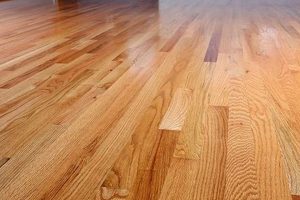
A protective coating applied to wooden surfaces provides durability and enhances aesthetic appeal. This coating shields the wood from wear, moisture, and staining. For example, polyurethane is a common selection due to its resistance to abrasion.
This protective layer is vital for preserving the integrity and longevity of wood surfaces. It safeguards against daily use impacts, reduces the need for frequent repairs or replacements, and maintains the visual attractiveness of the installation. Historically, natural oils and waxes were employed for this purpose, evolving to modern synthetic options offering superior performance characteristics.
The subsequent sections will detail different types of coatings, application methods, maintenance strategies, and considerations for choosing the appropriate product based on specific needs and environmental factors.
Essential Considerations for Hardwood Floor Protection
Proper selection and application of a surface treatment are crucial for maximizing the lifespan and beauty of wood floors. The following guidelines outline key considerations for achieving optimal results.
Tip 1: Understand Wood Species. Different wood types exhibit varying levels of hardness and porosity, influencing the absorption rate and performance of various coatings. Consulting with a professional ensures the compatibility between wood and protection.
Tip 2: Prepare Surface Meticulously. Proper sanding and cleaning are paramount. Removing existing imperfections and contaminants guarantees even adhesion and a uniform final appearance. A clean, smooth surface is critical for optimal results.
Tip 3: Select Appropriate Product Based on Use. High-traffic areas require durable, abrasion-resistant options, such as polyurethane. Low-traffic areas may benefit from penetrating oils that highlight the natural wood grain. Consider anticipated wear and tear when making a selection.
Tip 4: Apply Multiple Thin Coats. Multiple thin coats are preferable to a single thick coat. This technique promotes even drying, minimizes the risk of bubbling or cracking, and enhances overall durability. Adhere to manufacturer’s recommended application rates.
Tip 5: Control Environmental Conditions. Temperature and humidity significantly affect the drying process. Maintaining a consistent, moderate environment as specified by the manufacturer is crucial for proper curing and long-term performance. Monitor the environment during application and drying.
Tip 6: Allow Adequate Drying Time. Rushing the drying process can compromise the integrity of the coating. Allowing sufficient drying time between coats and before heavy use ensures full curing and optimal protection. Follow the manufacturer’s instructions for recommended drying times.
Tip 7: Maintain Regularly. Regular cleaning with appropriate products is essential for preserving the surface treatment’s integrity. Avoid harsh chemicals or abrasive cleaners that can damage or degrade the coating. Gentle, pH-neutral cleaners are recommended.
Implementing these guidelines provides enhanced protection, extending the life, and preserving the aesthetic appeal. Diligence in selection, preparation, application, and maintenance ensures a lasting investment.
The following sections will detail specific types, application techniques, and advanced troubleshooting.
1. Durability

Durability is a crucial factor in selecting a surface treatment for hardwood floors. It determines the longevity and resistance of the protective layer against various forms of wear and damage, thereby influencing the overall lifespan and maintenance requirements of the flooring.
- Abrasion Resistance
Abrasion resistance refers to the ability of the coating to withstand scratching and scuffing from foot traffic, furniture movement, and other abrasive forces. Polyurethane coatings, known for their high abrasion resistance, are often employed in high-traffic areas to minimize surface damage. The Taber Abraser test is commonly used to quantify this property.
- Impact Resistance
Impact resistance defines the capacity of the coating to withstand sudden blows or impacts without cracking or chipping. A durable coating with high impact resistance can protect the wood from damage caused by dropped objects or heavy impacts. Epoxy-based formulations often exhibit superior impact resistance compared to other coatings.
- Chemical Resistance
Chemical resistance signifies the coating’s ability to resist damage from spills, cleaning agents, and other chemical exposures. A coating with good chemical resistance prevents staining, discoloration, or degradation from common household chemicals. Pre-catalyzed lacquers are sometimes used in areas where frequent chemical exposure is anticipated.
- Water Resistance
Water resistance indicates the coating’s ability to prevent water penetration and subsequent damage to the wood. A water-resistant coating minimizes the risk of swelling, warping, or discoloration due to moisture exposure. Moisture-cured urethanes provide excellent water resistance for floors in kitchens and bathrooms.
The interplay of abrasion, impact, chemical, and water resistance collectively determines the overall durability of a floor coating. Selection of a coating with appropriate durability characteristics, based on anticipated use and environmental conditions, is essential for long-term performance and aesthetic preservation.
2. Appearance

The visual characteristics imparted by a surface treatment significantly influence the perceived quality and aesthetic value of hardwood floors. These attributes contribute to the overall ambience of a space and directly impact user satisfaction.
- Gloss Level
Gloss level refers to the degree of light reflection from the floor’s surface, ranging from matte to high-gloss. High-gloss coatings accentuate the wood’s grain and provide a sleek, modern aesthetic, while matte coatings offer a more subdued, natural appearance. The selection depends on the desired style and the level of light reflection preferred within the space. An excessively glossy surface may highlight imperfections, whereas a matte finish can conceal minor scratches.
- Color Enhancement
Certain coatings enhance the natural color of the wood, deepening the tones or highlighting the grain patterns. Oil-based treatments, for instance, often impart a warmer, richer hue to the wood compared to water-based options. The degree of color enhancement influences the overall character and visual impact of the flooring. Selecting a treatment that complements the wood species is crucial for achieving the desired aesthetic outcome.
- Clarity and Transparency
Clarity and transparency determine the extent to which the wood’s natural grain and figure are visible through the coating. A clear, transparent coating allows the wood’s inherent beauty to shine through, while a less transparent treatment may obscure the grain. Water-based products generally offer greater clarity compared to some solvent-based alternatives. The selection of an appropriate treatment impacts the overall definition and texture of the hardwood surface.
- Surface Texture
The surface texture can range from smooth to slightly textured, influencing both the visual and tactile experience of the floor. A smooth texture provides a sleek, contemporary feel, while a slightly textured surface can enhance slip resistance and offer a more natural aesthetic. Application techniques and the use of additives can further modify the surface texture. The chosen texture should align with the intended use and aesthetic goals of the space.
The interplay of gloss level, color enhancement, clarity, and surface texture determines the overall visual impression of a surface-treated floor. Thoughtful consideration of these factors ensures that the selected product complements the wood species, aligns with the desired aesthetic, and enhances the overall ambiance of the space.
3. Application

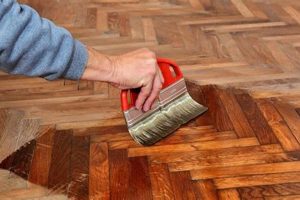
The method by which a protective coating is applied to hardwood floors significantly influences the product’s performance and longevity. Incorrect application can negate the benefits of even the highest-quality materials, leading to premature failure, aesthetic defects, and increased maintenance costs. For example, inadequate surface preparation, such as failing to properly sand or clean the floor, can result in poor adhesion and subsequent peeling or blistering. Similarly, applying an excessive amount of coating in a single layer can cause uneven drying, trapping solvents and creating a soft, vulnerable surface. The application process, therefore, is not merely a procedural step, but an integral component of the overall system designed to protect and enhance the wood.
Several factors contribute to successful application. Environmental conditions, including temperature and humidity, play a crucial role in the curing process. Elevated humidity levels can prolong drying times and compromise the formation of a durable film. The selection of appropriate application tools, such as brushes, rollers, or sprayers, directly affects the uniformity and smoothness of the coating. Moreover, the skill and experience of the applicator are paramount in achieving optimal results. A seasoned professional possesses the knowledge to assess the wood species, identify potential challenges, and adjust the application technique accordingly. This expertise minimizes the risk of errors and ensures a consistent, high-quality.
In conclusion, the process by which a protective layer is applied to hardwood flooring is inextricably linked to the coating’s effectiveness and the floor’s ultimate durability. Proper surface preparation, adherence to manufacturer’s instructions, careful control of environmental factors, and the utilization of skilled labor are all essential elements of a successful application. Neglecting any of these factors can compromise the integrity of the coating and reduce the lifespan of the floor. A comprehensive understanding of the correct application techniques is, therefore, critical for ensuring long-term performance and preserving the aesthetic value of hardwood flooring.
4. Maintenance

Proper maintenance is inextricably linked to the longevity and aesthetic preservation of floor coatings. The type of treatment and the frequency with which it is maintained directly impact the floor’s resistance to wear, moisture, and staining.
- Regular Cleaning
Consistent cleaning practices are essential for removing dirt, dust, and debris that can abrade or dull the surface. Abrasive particles can act as a sandpaper, gradually wearing away the protective coating. Sweeping, vacuuming, or using a microfiber mop regularly prevents the accumulation of these damaging substances. For instance, in a household with pets, more frequent cleaning is necessary to mitigate the effects of pet dander and tracked-in dirt.
- Appropriate Cleaning Products
The selection of cleaning agents directly affects the integrity. Harsh chemicals or abrasive cleaners can degrade or strip the coating, leading to premature wear and damage. Using pH-neutral cleaners specifically designed for hardwood floors is recommended. For example, avoid using vinegar or ammonia-based cleaners, as these can etch or dull the surface. Check the manufacturer’s recommendations for cleaning products compatible with the specific treatment applied.
- Moisture Control
Excessive moisture is detrimental to both the coating and the underlying wood. Spills should be cleaned immediately to prevent water from penetrating the surface. High humidity levels can cause wood to swell and contract, potentially leading to cracking or peeling of the coating. Maintaining consistent humidity levels through climate control or dehumidifiers can help protect the floors. As an example, placing mats at entryways minimizes the amount of moisture tracked into the house.
- Periodic Recoating
Even with diligent cleaning and care, the protective layer will eventually wear down over time. Periodic recoating is necessary to restore the coating’s protective properties and maintain the floor’s appearance. The frequency of recoating depends on the type of treatment, the level of traffic, and the extent of wear. Screening and re-application of a topcoat can revitalize the floor without requiring complete sanding and re of the entire surface. For instance, a floor in a commercial setting may require recoating every one to two years, while a residential floor may only need it every five to seven years.
Effective maintenance practices, encompassing regular cleaning, appropriate product selection, moisture control, and periodic recoating, are critical for maximizing the lifespan and aesthetic appeal. Consistent adherence to these practices ensures that the floor remains protected, durable, and visually appealing for years to come.
5. Cost
The financial implications of surface treatments for wood floors are a critical consideration for any installation or renovation project. Understanding the various factors influencing cost enables informed decision-making and effective budget allocation.
- Material Expenses
The initial outlay for the coating itself varies significantly based on type and quality. Polyurethane, known for its durability, often commands a higher price per gallon than simpler varnish options. Water-based formulations may present a different cost profile compared to solvent-based alternatives. The coverage area also dictates the total quantity required, directly impacting expenses.
- Labor Costs
Professional application represents a substantial portion of the overall expenditure. The complexity of the process, including surface preparation, multiple coat applications, and specialized techniques, influences labor rates. Geographic location and the contractor’s expertise also contribute to variations in labor costs. DIY application can reduce these expenses, but requires skill and carries the risk of suboptimal results.
- Equipment and Supplies
Beyond the coating and labor, ancillary expenses arise from the necessary tools and materials. Sandpaper, applicators (brushes, rollers, sprayers), safety gear, and cleaning supplies contribute to the total project cost. Rental or purchase of specialized equipment, such as floor sanders, adds further financial considerations.
- Long-Term Maintenance
The initial investment must be balanced against the anticipated long-term maintenance expenses. More durable coatings may incur higher upfront costs but reduce the frequency and expense of future repairs or recoating. Understanding the life-cycle cost of different options is crucial for making economically sound decisions. Cheaper options may require more frequent maintenance, ultimately increasing the total cost of ownership.
In summary, the financial aspects associated with wood floor treatments encompass material prices, labor charges, equipment expenses, and long-term maintenance. A comprehensive cost-benefit analysis, considering both initial outlay and ongoing expenses, enables informed selection and optimizes the overall value proposition.
6. Wood Species

The type of wood significantly influences the selection and performance of a protective surface layer. The inherent properties of different wood varieties, such as hardness, porosity, and natural oil content, directly impact the adhesion, penetration, and overall effectiveness of the protective treatment.
- Hardness
Wood hardness, typically measured by the Janka hardness scale, determines its resistance to indentation and abrasion. Harder wood species, such as Brazilian Cherry or Hickory, require more durable coatings capable of withstanding high traffic. Softer woods, like Pine, necessitate coatings with greater flexibility to accommodate potential movement and prevent cracking. The Janka rating informs the selection of an appropriately robust protective layer.
- Porosity
Porosity refers to the wood’s capacity to absorb liquids. Highly porous woods, such as Red Oak, tend to absorb coatings more readily, potentially requiring additional coats to achieve adequate protection and uniformity. Less porous woods, like Maple, may require specific surface preparation techniques to ensure proper adhesion. Understanding a wood’s porosity is critical for achieving the desired coverage and performance.
- Natural Oil Content
Certain wood species, such as Teak or Ipe, contain naturally occurring oils that can interfere with the adhesion of some coatings. These oils can prevent proper bonding, leading to premature failure of the protective layer. In such cases, specialized surface preparation methods or the selection of oil-compatible coatings are necessary to ensure long-term performance.
- Grain Pattern
The grain pattern of a wood species influences the aesthetic outcome. Certain coatings enhance the grain, while others may obscure it. For example, oil-based coatings often accentuate the natural grain of Oak, while water-based coatings may be preferred for Maple to maintain its light, consistent appearance. The interplay between the grain pattern and the protective treatment contributes significantly to the overall visual appeal of the finished floor.
The inherent characteristics of different wood species necessitate careful consideration when selecting a protective surface layer. Matching the coating to the specific properties of the wood ensures optimal adhesion, durability, and aesthetic results, ultimately contributing to the longevity and visual appeal of the floor.
Frequently Asked Questions About Hardwood Floor Protective Layers
This section addresses common inquiries regarding surface treatments applied to wooden floors, providing clarity on selection, application, and maintenance.
Question 1: What is the expected lifespan of a typical coating on a hardwood floor?
The lifespan varies depending on the type of treatment, traffic levels, and maintenance practices. Polyurethane coatings generally last 7-10 years in residential settings, while penetrating oils may require more frequent reapplication, typically every 2-3 years. Commercial environments with high foot traffic necessitate more frequent attention.
Question 2: How does humidity affect floor coatings?
Excessive humidity can cause wood to swell and contract, potentially leading to cracking or peeling. Maintaining consistent humidity levels (ideally between 30-50%) is essential for preserving the integrity of the coating. Dehumidifiers or humidifiers may be necessary to control indoor humidity.
Question 3: What are the key differences between oil-based and water-based protective treatments?
Oil-based coatings generally offer greater durability and richer color enhancement but emit higher levels of volatile organic compounds (VOCs) and require longer drying times. Water-based options are lower in VOCs, dry faster, and provide better clarity, but may not be as durable. The selection depends on balancing environmental concerns, desired aesthetics, and performance requirements.
Question 4: How can scratches on a coated floor be repaired?
Minor surface scratches can often be addressed with specialized scratch repair kits or by applying a touch-up finish. Deeper scratches may require sanding the affected area and applying a new coat. For extensive damage, professional refinishing may be necessary.
Question 5: Is it possible to apply a new type of coating over an existing one?
Applying a different type of treatment over an existing one can be problematic due to potential adhesion issues and incompatibility. Proper surface preparation, including thorough sanding to remove the old treatment, is crucial. In some cases, it may be necessary to apply a bonding agent to ensure proper adhesion.
Question 6: What are the common signs that a wood floor needs refinishing?
Common indicators include excessive wear, scratches, discoloration, peeling, and a dull appearance. If the protective layer is significantly damaged or worn, refinishing is necessary to restore the floor’s appearance and prevent further damage to the underlying wood.
Understanding these common questions and their answers will contribute to informed decision-making when it comes to maintaining your floors.
The following section will explore advanced maintenance strategies and troubleshooting techniques.
Conclusion
This article has explored critical aspects of finish for hardwood floors, emphasizing its role in protection, aesthetics, and longevity. The importance of selecting the appropriate type based on wood species, anticipated traffic, and environmental factors has been highlighted. Proper application and consistent maintenance were also underscored as essential for maximizing the investment in hardwood flooring.
Effective selection and upkeep are vital for ensuring the enduring beauty and structural integrity of wood floors. Continued diligence in these areas will safeguard this valuable asset for years to come.