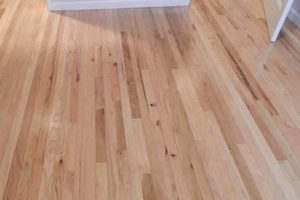
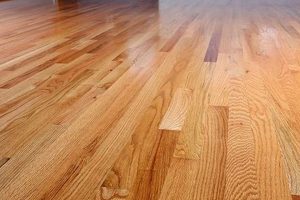
The spectrum of available surface treatments for oak flooring offers diverse aesthetic possibilities. These treatments not only protect the wood but also alter its appearance, resulting in a wide array of shades from light, natural tones to dark, rich hues. Examples range from clear, matte sealants that showcase the wood’s inherent grain and color to tinted stains that introduce specific color families, such as grays, browns, or even more unconventional colors.
The selection of appropriate surface treatments significantly impacts the ambiance of a space. The treatment influences perceived room size, light reflection, and the overall design scheme. Historically, choices in this realm were limited to natural oils and waxes; however, modern advancements have yielded durable, low-maintenance options that provide superior protection against wear and tear while allowing for customization. The benefits include enhanced longevity of the flooring and the ability to precisely match interior design preferences.
Subsequent sections will delve into specific types of treatments, examining their application processes, durability characteristics, and the resulting visual effects on oak floors. Detailed comparisons of oil-based, water-based, and polyurethane options will be presented, alongside explorations of staining techniques and the role of sealants in achieving the desired final appearance.
Guidance on Selecting Treatments for Oak Flooring
This section offers practical guidance to consider when choosing surface treatments, emphasizing informed decision-making for optimal results.
Tip 1: Assess Existing Lighting Conditions: Evaluate the natural and artificial light within the room. Lighter tones will reflect more light, enhancing brightness, while darker treatments absorb light, potentially making the space feel smaller.
Tip 2: Consider the Grain Pattern: The inherent grain of the oak will be accentuated or subdued depending on the chosen treatment. Select a treatment that complements, rather than obscures, the natural wood characteristics. A lightly tinted or clear finish will highlight the wood’s beauty.
Tip 3: Evaluate Foot Traffic: High-traffic areas necessitate durable, protective treatments. Polyurethane provides a resilient barrier against scratches and wear. For lighter use, oil-based finishes offer a more natural aesthetic with adequate protection.
Tip 4: Match Existing Decor: Harmonize the floor’s surface with existing furniture, wall colors, and overall design style. Consider sample applications to ensure a cohesive aesthetic.
Tip 5: Test Samples on Unused Boards: Before applying any treatment to the entire floor, test it on a representative piece of oak. This allows for accurate color assessment and ensures the desired effect is achieved.
Tip 6: Prioritize Surface Preparation: Proper sanding and cleaning are essential for optimal treatment adhesion and longevity. Ensure the floor is smooth and free of debris before applying any surface material.
Tip 7: Factor in Maintenance Requirements: Different treatments require varying levels of maintenance. Oil-based options may need periodic re-oiling, while polyurethane finishes generally require less frequent upkeep.
Careful consideration of lighting, traffic levels, decor, and maintenance requirements will lead to a choice that enhances the beauty and longevity of the oak flooring. Testing the treatment beforehand is crucial to confirm suitability.
The following segments provide detailed comparisons of specific types of treatments, offering deeper insights into their properties and application techniques.
1. Wood Species

The species of oak used for flooring profoundly influences the final appearance achieved with various surface treatments. Each oak variety possesses unique characteristics that interact differently with stains, sealants, and other protective layers. Understanding these nuances is crucial for predicting and controlling the resulting visual outcome.
- Grain Pattern and Porosity
Different oak species exhibit varying grain patterns and levels of porosity. White oak, for instance, typically has a tighter grain and closed pores, leading to a smoother surface when treated. Red oak, conversely, possesses a more open grain, potentially absorbing more surface material and resulting in a deeper, richer color with enhanced grain definition. The porosity affects how evenly the surface treatment is absorbed and how pronounced the grain becomes.
- Natural Color Variations
The inherent color of oak ranges from light, creamy tones to warmer, reddish hues. White oak generally presents a lighter, more neutral base, which can allow for greater flexibility in achieving a broader range of color outcomes. Red oak, with its pinkish undertones, may influence the final color, especially when using transparent or lightly tinted surface treatments. Consider the base color when selecting a treatment.
- Tannin Content
Oak contains tannins, which react with certain surface materials, potentially altering the final color. Some water-based surface treatments can cause tannins to leach to the surface, resulting in discoloration or staining. Understanding the tannin content of the specific oak species is essential for selecting compatible surface treatments that will not produce undesirable reactions.
- Hardness and Density
Oak species vary in hardness and density, impacting how well they accept and retain surface treatments. Harder oak species may require more sanding and preparation to ensure proper adhesion of the surface material, while denser varieties may be less porous, requiring longer drying times for the surface treatment to fully cure. The hardness and density of the oak influence the longevity of the surface treatment.
In conclusion, the choice of oak species is an initial and vital consideration in achieving the desired color and appearance of finished oak floors. Variations in grain, color, tannin content, and density significantly impact the interaction between the wood and the selected surface treatment, ultimately determining the final aesthetic outcome. Selecting the appropriate oak species is thus crucial for achieving a harmonious and lasting floor surface.
2. Color Palette
The selection of a suitable color palette is intrinsically linked to the final appearance of oak flooring. The inherent qualities of oak wood, combined with a chosen color scheme, will significantly influence the aesthetic of a space. This connection necessitates a thorough understanding of color theory and the specific characteristics of oak.
- Complementary Schemes and Oak Undertones
Complementary color schemes utilize colors opposite each other on the color wheel, creating visual contrast. When applied to oak, the natural undertones of the woodtypically warm yellows and orangesmust be considered. For example, a cool blue wall color can effectively complement oak, but the specific shade of blue must be chosen carefully to avoid clashing with the wood’s natural warmth. The balance between the color and the floor is the main point.
- Monochromatic Schemes and Variations in Oak
Monochromatic schemes employ variations of a single hue. For oak flooring, this might involve selecting different shades of brown, ranging from light tans to deep walnuts. The success of a monochromatic approach hinges on the subtle variations within the oak itselfthe grain pattern, natural color differences between boards, and the sheen of the finishto provide visual interest and prevent the space from feeling monotonous. The balance of the oak floor and the chosen treatment brings great impact.
- Analogous Schemes and Color Harmony with Oak
Analogous color schemes use colors that are adjacent to each other on the color wheel, creating a harmonious and cohesive look. With oak flooring, an analogous scheme might involve incorporating colors such as yellows, oranges, and reds. The natural warmth of the oak serves as a foundation for these hues, creating a unified and inviting atmosphere. Ensure balance and avoid overpowering the natural beauty of oak.
- Neutral Schemes and Oak as a Focal Point
Neutral color schemes, characterized by the absence of strong hues, often rely on texture and subtle variations in tone to create visual interest. With oak flooring, a neutral scheme allows the wood itself to become a focal point. The natural grain pattern, color variations, and sheen of the oak are accentuated, providing warmth and character to the space without competing with other design elements. The neutrality of the surroundings allows oak floor finishes colors to shine.
The interaction between a color palette and oak flooring is multifaceted. The selection of a color scheme is not merely about choosing aesthetically pleasing colors; it is about understanding how those colors will interact with the inherent properties of the wood, influencing the overall mood and style of the space. A thoughtful consideration of these factors is essential for creating a harmonious and visually appealing interior design.
3. Sheen Level

The degree of light reflectance, or sheen level, fundamentally alters the perceived color and texture of surface treatments on oak floors. The selection of sheen is therefore critical in achieving the desired aesthetic and functional characteristics of the flooring.
- Matte Finishes and Color Depth
Matte finishes, characterized by minimal light reflection, tend to mute the color of oak. This effect can enhance the natural grain and texture of the wood, creating a rustic or understated appearance. However, the lack of reflectivity can also make colors appear duller, particularly in low-light environments. Matte finishes are often selected for their ability to conceal scratches and imperfections, though they may require more frequent cleaning due to their porous nature. A dark color that is treated with matte will appears elegant.
- Satin Finishes and Balanced Aesthetics
Satin finishes provide a moderate level of light reflection, striking a balance between color vibrancy and durability. These finishes enhance the color of oak while maintaining a degree of subtlety, making them a versatile choice for a wide range of interior styles. Satin finishes are generally easier to clean than matte options and offer good resistance to scratches and wear. The color of satin surface treatment make the floor looks brighter.
- Semi-Gloss Finishes and Color Enhancement
Semi-gloss finishes reflect a significant amount of light, resulting in heightened color saturation and a more polished appearance. While these finishes can accentuate the beauty of oak and make colors appear richer, they also tend to highlight imperfections such as scratches and dents. Semi-gloss finishes are typically easier to clean than matte or satin options but may require more careful maintenance to preserve their luster. The semi-gloss bring beauty to the color surface treatments.
- High-Gloss Finishes and Dramatic Impact
High-gloss finishes offer the highest level of light reflection, creating a dramatic and reflective surface. These finishes intensify the color of oak and provide a luxurious appearance, but they are also the most susceptible to showing scratches, dirt, and footprints. High-gloss finishes require meticulous maintenance and are best suited for low-traffic areas or spaces where a formal and elegant aesthetic is desired. High-gloss finishes are typically used in special rooms.
The selection of sheen level is an integral component in determining the final appearance of oak flooring. Consideration of the interplay between light reflection, color saturation, and maintenance requirements is essential for achieving the desired aesthetic and functional performance of the finished floor.
4. Application Method

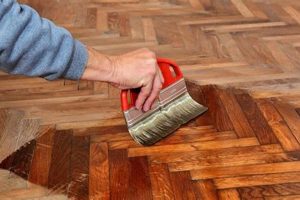
The method of applying surface treatments directly influences the final color achieved on oak flooring. Variations in technique, equipment, and environmental control contribute significantly to color uniformity, saturation, and overall aesthetic quality. For instance, improper application can lead to uneven color distribution, resulting in blotchy or inconsistent results. The choice of applicatorbrush, roller, or sprayerand the number of coats applied will alter the depth and intensity of the color. A poorly executed application diminishes the potential of even the highest-quality surface treatments.
Consider a scenario where two floors receive the same stain, but one is applied by an experienced professional using a consistent spraying technique, while the other is applied by a novice with a brush. The professionally sprayed floor will likely exhibit a uniform, rich color, while the brushed floor may show brush strokes, overlapping marks, and uneven color saturation. Environmental factors also play a role; temperature and humidity levels during application and drying can affect the color’s development and adhesion. Controlling these variables is essential for achieving predictable and repeatable results.
In summary, the application method is an indispensable component in the successful realization of desired surface tones on oak floors. Variations in technique, equipment, and environmental management directly impact the color’s uniformity, saturation, and overall aesthetic quality. Thorough surface preparation, proper applicator choice, controlled application environment and expertise in technique are crucial for achieving optimal and aesthetically pleasing results. This understanding is practically significant for both professionals and homeowners seeking to enhance the beauty and longevity of oak flooring.
5. Durability Rating

The durability rating of a surface treatment is inextricably linked to the long-term appearance and integrity of color on oak flooring. The inherent color of a surface treatment is only as effective as its ability to withstand daily wear and tear. A high durability rating signifies the surface treatment’s resistance to abrasion, scratching, impact, and chemical exposure, factors that directly impact the preservation of its initial color. For instance, a water-based polyurethane finish with a high abrasion resistance will retain its color longer in a high-traffic area compared to a wax finish, which is more susceptible to scratching and color alteration due to frequent cleaning and polishing. Selecting surface treatments with an insufficient durability rating for the intended use leads to premature color degradation, necessitating costly repairs or refinishing.
The practical significance of understanding this connection extends to informed decision-making in both residential and commercial settings. In a retail environment, where foot traffic is heavy, a durable, UV-resistant surface treatment is essential to prevent color fading and wear patterns. Conversely, in a residential space with minimal traffic, a less durable, more aesthetically focused surface treatment may suffice. Moreover, the choice of cleaning products interacts directly with the durability rating. Harsh chemicals can degrade even the most robust surface treatments, resulting in color changes and reduced lifespan. Using pH-neutral cleaning solutions appropriate for the specific surface treatment is crucial for preserving color integrity over time.
In conclusion, the durability rating is a critical component in evaluating the overall suitability of different surface treatments. The color of a chosen surface treatment, regardless of its initial aesthetic appeal, is contingent upon its ability to withstand the rigors of daily use. Prioritizing a high durability rating, commensurate with the expected traffic and environmental conditions, ensures the long-term preservation of color and overall floor integrity. This proactive approach translates to reduced maintenance costs, extended floor lifespan, and sustained aesthetic value.
6. Maintenance Needs

The maintenance demands of oak floor surface treatments are directly proportional to the selection of the tone and its protective finish. Light, natural shades often require meticulous upkeep to prevent staining from spills and dirt accumulation, potentially necessitating frequent cleaning with specialized products. Conversely, darker, more saturated tones may conceal minor imperfections and require less frequent cleaning, but are more prone to displaying scratches and dust accumulation. The protective finishwhether oil-based, water-based polyurethane, or waxdictates the intensity and type of maintenance required. For example, oil-based finishes necessitate periodic re-oiling to maintain their protective layer, while polyurethane finishes demand less frequent maintenance but require specialized cleaners to prevent clouding or damage. The interplay between color selection and finish type sets the cadence of maintenance obligations.
Routine maintenance strategies are heavily dependent upon color and finish choices. For floors with light surface treatments, immediate spill cleanup is paramount to prevent permanent staining. Abrasive cleaners should be strictly avoided, as they can compromise the finish and alter the intended hue. For darker floors, dust mopping is crucial to minimize the appearance of surface scratches, and the use of micro-fiber mops is recommended to prevent scratching. Specific cleaning protocols should always adhere to the manufacturer’s instructions for the chosen finish to avoid unintended consequences. A failure to follow recommendations will likely cause deterioration of the tone and reduce floor lifespan.
In conclusion, the maintenance needs are integral to the selection of both color and finish for oak flooring. An understanding of these factors, including color characteristics, surface finish properties, and cleaning protocols, is crucial for prolonging the life and preserving the aesthetic value of the floor. Challenges arise when maintenance requirements are underestimated or neglected, leading to color degradation, surface damage, and costly repairs. A proactive and informed approach to maintenance is essential for ensuring that the chosen oak floor’s tone consistently reflects the desired ambiance and aesthetic throughout its lifespan.
Frequently Asked Questions
This section addresses common inquiries regarding the selection, application, and maintenance of surface treatments for oak flooring, providing clarity on key considerations.
Question 1: How does the species of oak influence the final color achieved with a particular surface treatment?
Different oak species, such as red oak and white oak, possess varying grain patterns, porosities, and natural color undertones. These inherent characteristics influence how the wood absorbs surface treatments and how the final color is perceived. White oak generally provides a more neutral base, allowing for greater color versatility, while red oak’s pinkish undertones can influence the color outcome, particularly with transparent surface treatments.
Question 2: What are the primary factors to consider when selecting a sheen level for oak floor surface treatments?
The sheen level significantly impacts the perceived color depth, light reflection, and visibility of imperfections. Matte finishes minimize light reflection, emphasizing grain and texture but potentially dulling colors. Satin finishes offer a balance between color vibrancy and durability. Semi-gloss and high-gloss finishes enhance color saturation but highlight scratches and require meticulous maintenance.
Question 3: How does the method of application affect the uniformity of color achieved with oak floor surface treatments?
The application method, whether brushing, rolling, or spraying, directly influences color uniformity. Spraying, when executed correctly, typically provides the most consistent color distribution. Brushing and rolling can result in brush strokes or uneven layering, affecting color saturation. Proper surface preparation and environmental control during application are also critical.
Question 4: What role does the durability rating of a surface treatment play in preserving the long-term color of oak flooring?
The durability rating reflects the surface treatment’s resistance to abrasion, scratching, and chemical exposure. A higher rating indicates greater color longevity, particularly in high-traffic areas. Selecting a surface treatment with an insufficient durability rating can lead to premature color degradation and necessitate costly repairs or refinishing.
Question 5: What are the essential maintenance practices for preserving the intended color of oak floor surface treatments?
Maintenance needs vary based on the color and finish type. Light surface treatments require immediate spill cleanup and gentle cleaning to prevent staining. Darker surface treatments may conceal minor imperfections but require frequent dust mopping to minimize the appearance of scratches. Following the manufacturer’s recommended cleaning protocols is essential to avoid damaging the finish or altering the color.
Question 6: How does the selection of a color palette interact with the natural characteristics of oak flooring?
The natural undertones of oak wood (yellows and oranges) influence the overall effectiveness of the selected color palette. Complementary, monochromatic, analogous, or neutral color schemes must be carefully chosen to harmonize with the oak’s inherent warmth and grain pattern. A thoughtful consideration of these factors is essential for creating a visually cohesive and aesthetically pleasing interior design.
The interplay of oak species, sheen level, application method, durability, maintenance, and color palette selections underscores the complex nature of achieving desired aesthetic outcomes. A comprehensive understanding of these interconnected elements facilitates informed decisions and promotes successful, long-lasting results.
The subsequent sections will examine real-world case studies showcasing effective implementation of these principles, providing concrete examples of successful color selection and surface treatment application.
Conclusion
This exploration of oak floor finishes colors reveals the multifaceted nature of surface treatment selection. Factors ranging from the wood species and sheen level to application methods and durability ratings converge to determine the final aesthetic and longevity of the flooring. Successful outcomes hinge on a comprehensive understanding of these interconnected elements, moving beyond superficial preferences to informed, strategic decisions.
The pursuit of aesthetically pleasing oak floors demands careful consideration and diligent execution. Continued research and refinement of surface treatment technologies promise even greater control over color and durability in the future. Professionals and homeowners alike must prioritize knowledge acquisition and meticulous application to fully realize the inherent beauty and lasting value of oak flooring.