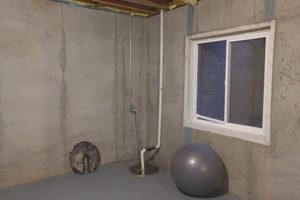
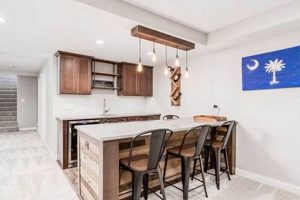
The process of transforming an unfinished lower level into a functional and aesthetically pleasing living space involves a series of well-defined actions. These actions encompass planning, construction, and finishing, each contributing to the creation of habitable square footage within a residential structure. For example, this might include framing walls, installing insulation, adding electrical and plumbing systems, and applying drywall and flooring.
Completing such a project offers several advantages, including an increase in property value and the creation of additional living area. Historically, this type of home improvement has allowed homeowners to adapt their residences to changing family needs and lifestyle preferences. Furthermore, properly executed work of this nature can contribute to improved energy efficiency and overall comfort within the home.
The subsequent discussion will delve into the key phases and considerations associated with realizing this type of home remodeling, outlining the essential elements necessary for a successful and code-compliant outcome. This will cover topics such as planning and permits, structural considerations, utility installation, and the application of interior finishes.
Essential Guidance for Basement Completion
Careful attention to detail throughout the undertaking of transforming a basement into a finished space is critical for a positive outcome. The following insights offer guidance on crucial aspects of the process.
Tip 1: Secure Necessary Permits. Prior to commencing any physical work, verify local building code requirements and obtain all required permits. Failure to do so can result in costly delays and potential rework.
Tip 2: Address Moisture Issues Proactively. Conduct a thorough assessment for any existing or potential moisture problems. Implement waterproofing solutions, such as exterior sealing or interior drainage systems, before beginning construction.
Tip 3: Plan Electrical and Plumbing Layouts Strategically. Design the electrical and plumbing systems with future needs in mind. Ensure adequate outlet placement and accessible plumbing access points for potential modifications or repairs.
Tip 4: Prioritize Insulation for Energy Efficiency. Utilize appropriate insulation materials and techniques to minimize heat loss and improve energy efficiency. This will contribute to lower utility bills and a more comfortable living environment.
Tip 5: Choose Moisture-Resistant Materials. Select building materials specifically designed for basement environments, such as moisture-resistant drywall and flooring. This will help prevent mold growth and structural damage.
Tip 6: Ensure Adequate Ventilation. Proper ventilation is crucial for maintaining air quality and preventing moisture buildup. Consider installing an exhaust fan in bathrooms and ensuring sufficient airflow throughout the finished space.
Tip 7: Consider Ceiling Height Limitations. Assess the existing ceiling height and plan the finished floor and ceiling accordingly to ensure compliance with local building codes and maintain a comfortable living space.
Tip 8: Soundproofing Considerations. If noise transmission is a concern, incorporate soundproofing materials into the wall and ceiling assemblies to minimize sound transfer between the basement and upper levels of the house.
Adhering to these points during the construction process will increase the likelihood of a successful project, resulting in a functional and valuable addition to the home.
With these guidelines in mind, proceed to the subsequent sections for a detailed exploration of the various stages involved in the aforementioned remodeling endeavor.
1. Planning and Permits

Planning and securing the necessary permits form the foundational stage in any undertaking to transform an unfinished basement into a finished living space. This initial phase directly influences the subsequent phases of construction, acting as a critical determinant for the project’s overall success and adherence to legal and safety standards. Neglecting proper planning and permit acquisition can lead to costly delays, potential fines, and even the requirement to dismantle completed work. The connection between this preliminary stage and the entire finishing endeavor is thus intrinsically intertwined.
For instance, local building codes often dictate specific requirements for ceiling height, egress windows, and fire safety measures in finished basements. Planning must account for these stipulations from the outset to ensure compliance. Similarly, electrical and plumbing installations are subject to rigorous standards that must be incorporated into the design. Failing to obtain permits implies a lack of oversight by building inspectors, potentially resulting in the installation of substandard or unsafe systems. A real-world example might involve a homeowner who finishes a basement without a permit, only to discover during a subsequent home sale that the unpermitted work violates building codes, necessitating expensive remediation.
In conclusion, comprehensive planning and meticulous permit acquisition represent the bedrock of a successful basement finishing project. These steps are not merely bureaucratic hurdles but integral components of ensuring a safe, code-compliant, and ultimately valuable addition to a residential property. Adherence to these initial measures mitigates risks, promotes quality construction, and contributes to the long-term enjoyment and functionality of the finished basement space. This stage ensures that the envisioned remodeling adheres to all regulatory requirements.
2. Moisture Mitigation

Moisture mitigation represents a critical prerequisite within the process of converting an unfinished basement into a habitable space. Its effectiveness directly impacts the longevity, health, and comfort of the completed project, rendering it a fundamental step, not an optional consideration.
- Exterior Waterproofing
Application of waterproof coatings or membranes to the exterior foundation walls serves as the first line of defense against groundwater infiltration. This often involves excavating around the foundation, applying the sealant, and installing a drainage system to redirect water away from the structure. Failure to implement adequate exterior waterproofing can lead to hydrostatic pressure buildup against the foundation, forcing moisture through porous concrete and resulting in persistent dampness.
- Interior Drainage Systems
In situations where exterior waterproofing is impractical or insufficient, interior drainage systems offer a viable solution. These systems typically consist of a perimeter channel installed along the basement floor, collecting water that seeps through the walls and directing it to a sump pump for removal. The effectiveness of an interior drainage system relies on proper installation and the reliable operation of the sump pump to prevent water accumulation.
- Vapor Barriers
Installation of a vapor barrier, typically a polyethylene sheet, on the interior walls provides a crucial layer of protection against moisture migration from the concrete foundation. The vapor barrier prevents water vapor from entering the wall cavity, reducing the risk of mold growth and structural damage. Proper sealing of the vapor barrier at seams and edges is essential to maintain its integrity.
- Dehumidification
Employing a dehumidifier in the finished basement contributes to maintaining a low humidity level, inhibiting mold growth and improving air quality. The size and capacity of the dehumidifier should be appropriate for the square footage of the space and the prevailing humidity conditions. Regular maintenance of the dehumidifier, including cleaning and filter replacement, is necessary to ensure its continued effectiveness.
These facets of moisture mitigation are interdependent and collectively contribute to creating a dry and healthy basement environment, directly enhancing the overall success of the finishing steps. Overlooking or inadequately addressing these issues can negate all subsequent efforts, ultimately undermining the value and usability of the finished space.
3. Structural Integrity

The maintenance of structural integrity constitutes a non-negotiable component within the broader context of a basement finishing project. Any alterations to the foundational structure, however seemingly minor, can initiate a cascade of adverse effects, potentially compromising the stability of the entire building. This aspect must be evaluated and addressed by qualified professionals before any other work commences.
Specifically, considerations regarding load-bearing walls, support columns, and the existing foundation walls are critical. Introduction of new openings for windows or doors, for example, necessitates careful engineering to ensure the load is redistributed effectively. Ignoring this aspect can result in wall cracking, floor sagging, or, in severe cases, structural collapse. An illustrative instance involves homeowners removing a section of a load-bearing wall without proper reinforcement, leading to significant structural damage and costly repairs. Adherence to building codes and consultation with structural engineers are essential preventative measures.
In conclusion, structural integrity underpins the safety and long-term viability of a finished basement. Rigorous assessment, professional consultation, and meticulous execution of any structural modifications are paramount. Neglecting these considerations carries substantial risks and underscores the importance of prioritizing structural stability throughout the entire project lifecycle. The finished basement must be both aesthetically pleasing and structurally sound to ensure its value and safety over time.
4. Utility Integration

Utility integration constitutes a pivotal element in the systematic approach to converting an unfinished basement into a functional living area. Its precise and code-compliant execution directly determines the habitability, safety, and overall value of the renovated space, thereby warranting meticulous planning and installation.
- Electrical Systems
The installation of electrical wiring, outlets, and lighting fixtures must adhere strictly to local electrical codes. Adequate circuit capacity, grounding, and proper wire gauge are essential for preventing overloads and electrical hazards. For example, a finished basement intended as a home theater requires dedicated circuits for high-powered audio and video equipment. Improper electrical work can result in fires, electrocution, and insurance complications.
- Plumbing Systems
The addition of bathrooms, wet bars, or laundry facilities necessitates the extension of plumbing lines for water supply and waste drainage. Proper pipe sizing, slope, and venting are crucial for preventing clogs, leaks, and sewer backups. A common scenario involves adding a basement bathroom, requiring the installation of a sewage ejector pump if the drain line is below the main sewer line. Faulty plumbing can lead to water damage, mold growth, and structural deterioration.
- HVAC Systems
Heating, ventilation, and air conditioning (HVAC) systems must be extended or supplemented to ensure adequate temperature control and air circulation in the finished basement. Ductwork extensions, supplemental heaters, or a dedicated HVAC zone may be necessary. Insufficient HVAC capacity can result in uncomfortable living conditions, increased energy costs, and poor air quality. Proper ventilation is also essential for mitigating moisture buildup.
- Data and Communication Lines
Integrating data and communication lines, such as Ethernet cables, coaxial cables, and telephone wiring, provides connectivity for internet access, television, and telephone services. Strategic placement of these lines ensures convenient access to communication infrastructure throughout the finished basement. Poor planning of data and communication lines can result in unsightly wiring, limited connectivity options, and reduced functionality.
These aspects of utility integration are interdependent and collectively contribute to creating a comfortable, safe, and functional finished basement. Their proper execution is paramount to maximizing the value and usability of the space, ensuring compliance with building codes, and preventing costly problems in the future. A thorough and comprehensive plan for utility integration is therefore essential to the overall success of any basement transformation project.
5. Interior Finishing

Interior finishing represents the culminating stage in the process of transforming an unfinished basement into a functional and aesthetically pleasing living space. It directly impacts the usability, comfort, and value of the completed project, acting as a visible representation of all prior efforts undertaken. This phase encompasses the application of wall coverings, flooring, ceilings, trim, and other decorative elements, effectively converting a bare shell into a habitable area. The selection of appropriate materials and techniques directly affects the long-term durability and maintenance requirements of the finished space.
The relationship between interior finishing and the preceding steps of basement completion is one of cause and effect. Proper planning, moisture mitigation, structural reinforcement, and utility integration all create the necessary foundation for successful interior finishing. For example, effective moisture mitigation prevents water damage to drywall and flooring, while properly installed electrical wiring allows for seamless integration of lighting and outlets. A real-world example would be the selection of moisture-resistant drywall and flooring materials in a basement prone to dampness, mitigating the risk of mold growth and structural deterioration. Adherence to building codes regarding fire safety and egress requirements also dictates specific aspects of interior finishing, such as the installation of smoke detectors and appropriate door hardware.
In summary, interior finishing is the visible manifestation of all preceding work performed during the construction effort. Careful material selection, adherence to codes, and meticulous execution are essential for achieving a durable, comfortable, and aesthetically pleasing finished basement. Overlooking these considerations negates the value of previous steps. The successful integration of these elements represents the final determinant of the project’s overall success, ensuring it fulfills its intended purpose as a valuable addition to the home.
Frequently Asked Questions
The following questions address common inquiries regarding the process of basement completion, providing clarity on essential aspects and potential challenges.
Question 1: What is the typical duration for completing the steps involved in this type of remodeling?
The duration varies significantly, influenced by factors such as the size of the basement, the complexity of the design, the availability of materials, and potential unforeseen issues. A realistic timeframe ranges from several weeks to several months.
Question 2: How does the cost typically break down across the various project stages?
Cost allocation varies based on design and scope. Generally, a significant portion is allocated to moisture mitigation and structural work if needed. Utility integration, including electrical and plumbing, also constitutes a substantial cost, followed by interior finishing materials and labor.
Question 3: Which permits are typically required, and what is the process for obtaining them?
Required permits vary by jurisdiction but commonly include building permits, electrical permits, and plumbing permits. The process generally involves submitting detailed plans to the local building department for review and approval, followed by inspections at various stages of construction.
Question 4: What are the common pitfalls to avoid during the steps?
Common pitfalls include neglecting moisture mitigation, failing to obtain necessary permits, underestimating the cost of materials and labor, and inadequately planning the layout of utilities. Thorough research and professional consultation can mitigate these risks.
Question 5: What is the role of a general contractor versus doing the work independently?
A general contractor manages the entire project, coordinating subcontractors, ensuring code compliance, and overseeing the budget. Independent execution requires the homeowner to manage all aspects, potentially saving money but demanding significant time and expertise. Engaging a professional can alleviate risks and ensure a high-quality outcome.
Question 6: What specific building codes are most relevant in the context of this type of project?
Relevant building codes typically address fire safety, egress requirements (e.g., emergency exits), ceiling height restrictions, electrical and plumbing standards, and structural load-bearing capacity. Local building departments can provide detailed information on applicable codes.
Prudent planning and adherence to building codes and safety regulations are paramount for a successful outcome.
Consider these insights to make informed decisions and proceed with confidence.
Conclusion
The foregoing discussion has elucidated the multifaceted nature of the endeavor concerning steps to finishing basement. Key considerations encompass meticulous planning, proactive moisture management, structural reinforcement, precise utility integration, and careful interior finishing. Successful execution across these domains ensures a safe, habitable, and valuable extension of the residential footprint.
Diligent adherence to building codes, professional consultation where necessary, and a comprehensive understanding of the processes involved are critical for achieving a satisfactory outcome. Homeowners embarking on such projects are encouraged to prioritize these elements, thereby maximizing the potential benefits and mitigating the inherent risks associated with this transformative undertaking.