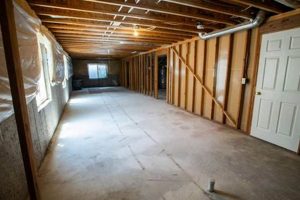
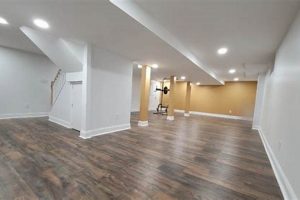
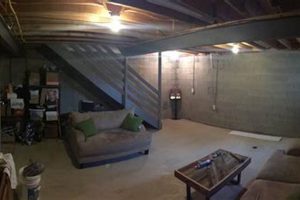
The element that often contributes most significantly to the overall cost of completing a basement renovation is mitigating moisture and ensuring proper structural integrity. This often involves addressing foundational issues, implementing comprehensive waterproofing measures, and installing appropriate drainage systems.
Addressing these issues is crucial because it protects the investment in the finished basement, prevents potential health hazards associated with mold and mildew, and maintains the structural integrity of the entire home. Historically, neglecting these preventative measures has led to costly repairs and decreased property value.
Therefore, understanding the factors that influence basement finishing expenses, including waterproofing and structural reinforcement, framing and drywall, electrical and plumbing work, and flooring and finishing, is paramount for effective budget planning and project management.
Mitigating the Highest Costs in Basement Finishing
Careful planning and strategic decision-making can help manage and potentially reduce the most substantial expenses associated with basement finishing projects.
Tip 1: Thoroughly Assess and Address Moisture Issues: Prioritize a comprehensive inspection to identify potential water intrusion sources. Invest in professional waterproofing solutions, such as exterior excavation and membrane application or interior drainage systems, to prevent costly future damage.
Tip 2: Obtain Multiple Quotes for Waterproofing and Structural Work: Secure bids from several qualified contractors specializing in foundation repair and waterproofing. Compare not only price but also the proposed methods, materials, and warranties offered.
Tip 3: Prioritize Essential Structural Repairs: Address any cracks in the foundation, bowing walls, or other structural deficiencies before commencing cosmetic improvements. Neglecting these issues can lead to more extensive and expensive repairs later.
Tip 4: Opt for Moisture-Resistant Materials: Select building materials specifically designed for basement environments, such as mold-resistant drywall, waterproof flooring, and closed-cell insulation. These materials help prevent moisture damage and prolong the lifespan of the finished basement.
Tip 5: Plan Electrical and Plumbing Strategically: Carefully consider the placement of electrical outlets, lighting fixtures, and plumbing fixtures to minimize the need for extensive and costly rerouting or additions. Work with licensed professionals to ensure code compliance and safety.
Tip 6: Explore DIY Options for Less Critical Tasks: Consider undertaking less specialized tasks, such as painting, installing trim, or laying flooring, to reduce labor costs. Ensure thorough research and adherence to manufacturer instructions for optimal results.
Tip 7: Phase the Project if Necessary: If budget constraints are a concern, consider completing the basement finishing project in phases. Prioritize essential work, such as waterproofing and structural repairs, followed by other improvements as funds become available.
Implementing these strategies can result in significant cost savings while ensuring a structurally sound and comfortable finished basement space.
By carefully managing the elements with the highest cost impact, homeowners can realize their basement finishing goals without exceeding their budget.
1. Waterproofing

Waterproofing frequently constitutes a significant portion of the expense in basement finishing projects. Its importance stems from the inherent susceptibility of basements to moisture intrusion, which, if left unaddressed, can lead to structural damage, mold growth, and health hazards. Thorough waterproofing measures are therefore essential, often representing a substantial financial investment.
- Excavation and Exterior Membrane Application
This method involves excavating around the foundation to apply a waterproof membrane. While highly effective, the excavation process necessitates specialized equipment and labor, resulting in considerable cost. The membrane material itself contributes to the expense, with options ranging from basic coatings to more robust and costly polymer-based materials.
- Interior Drainage Systems
Interior drainage systems, such as French drains, collect water seepage and redirect it to a sump pump for removal. Installation involves concrete cutting, plumbing modifications, and the purchase of a reliable sump pump system. The complexity of the installation and the quality of the materials directly influence the overall cost.
- Foundation Crack Repair
Cracks in the foundation provide pathways for water infiltration. Professional crack repair methods, such as epoxy injection or urethane injection, are necessary to seal these entry points effectively. The cost of repair depends on the extent and severity of the cracking, as well as the chosen repair technique.
- Vapor Barriers and Sealants
Applying vapor barriers and sealants to basement walls and floors helps prevent moisture migration. While the material costs are relatively low, proper installation requires meticulous surface preparation and application techniques, potentially increasing labor expenses. Moreover, selecting high-quality, durable materials is crucial for long-term effectiveness, adding to the initial investment.
The comprehensive nature of effective basement waterproofing, encompassing excavation, drainage, crack repair, and vapor barriers, solidifies its position as a key driver of project costs. Failing to address these issues adequately can lead to significantly more expensive repairs and remediation efforts in the future, underscoring the importance of prioritizing waterproofing as a critical investment in basement finishing.
2. Structural work

Structural work in basement finishing can represent a substantial cost, often positioning it as one of the most expensive project components. This stems from the potential need to address foundational issues that directly impact the stability and safety of the entire dwelling. The presence of bowing walls, significant cracking, or inadequate support columns necessitates intervention that demands specialized expertise and materials.
For instance, consider a basement with bowing foundation walls due to soil pressure. Corrective measures might involve installing carbon fiber reinforcement straps or even excavating and rebuilding sections of the foundation. These procedures require engineering assessments, adherence to building codes, and the involvement of experienced contractors, driving up expenses significantly. Similarly, inadequate support columns discovered during the planning phase would require reinforcement or replacement to meet structural load requirements, adding to the overall budget.
In conclusion, while cosmetic improvements contribute to the appeal of a finished basement, structural work addresses fundamental safety and stability concerns. Addressing these issues proactively, although expensive, is crucial to avoid far more costly and potentially catastrophic consequences in the future. Understanding this connection is vital for homeowners to prioritize structural integrity when budgeting for basement finishing projects.
3. Electrical

Electrical work in basement finishing can substantially contribute to the overall project cost, making it a significant component of what is often one of the most expensive aspects of the renovation. This is due to code requirements mandating specific wiring, outlets, and lighting configurations in finished basements, frequently necessitating the installation of new circuits and the upgrading of existing electrical panels to accommodate the increased load. For example, a new basement home theater requires dedicated circuits for the projector, sound system, and lighting, demanding a qualified electrician and potentially increasing the scope and cost of the project.
Furthermore, safety considerations in a potentially damp basement environment demand ground fault circuit interrupters (GFCIs) for all outlets, adding to material and labor expenses. Compliance with local building codes necessitates inspections at various stages of the electrical work, which may require adjustments and further expenditure. Consider the instance of a basement bathroom addition. Code stipulations require dedicated circuits for the lighting, exhaust fan, and any electrical outlets near water sources, increasing the electrical portion of the project’s expense. The cost can also rise due to additional lighting requests, new outlets, or code updates to the existing electric system.
Properly planned and executed electrical work is fundamental to a safe and functional finished basement. Adherence to code, the installation of safety devices, and the potential need for panel upgrades contribute to the electrical expenses, making it a key factor influencing the final cost. Consequently, accurate budgeting and careful planning with a licensed electrician are critical to managing this aspect of basement finishing effectively.
4. Plumbing
Plumbing installations and modifications can significantly influence the overall cost of finishing a basement, often emerging as one of the more expensive project elements. The complexity and expense derive from the potential need to extend existing water and drain lines, install new fixtures, and ensure compliance with local plumbing codes.
- Extending Existing Plumbing Lines
Adding a bathroom or wet bar to a basement necessitates extending existing water supply and drain lines. This process can involve breaking through concrete floors, rerouting pipes, and installing new connections to the main plumbing system. The labor-intensive nature of this work, coupled with the cost of materials such as pipes, fittings, and valves, contributes significantly to the overall expense. Careful planning is essential to minimize the extent of plumbing modifications, and cost.
- Installing New Fixtures and Appliances
The cost of plumbing fixtures, such as toilets, sinks, showers, and dishwashers, can vary widely depending on the quality, features, and brand. Selecting high-end fixtures can significantly increase the plumbing budget. Additionally, appliances like water heaters and washing machines require dedicated water and drain connections, adding to the complexity and cost of the installation. Selecting less expensive fixtures or appliances may reduce expenses, however, homeowners are incentivized to strike a balance between initial cost and long-term performance and efficiency.
- Sump Pump Installation
In many basements, a sump pump is necessary to remove groundwater and prevent flooding. Installing a sump pump requires excavation, plumbing connections, and electrical wiring. The cost of the sump pump itself, as well as the labor involved in installation, can add to the overall plumbing expenses. Furthermore, a backup sump pump system is recommended to provide protection in the event of a power outage, further increasing the investment. For the homeowner, proper installation is critical to maintain both long-term cost and safety.
- Compliance with Plumbing Codes
Plumbing work must comply with local building codes to ensure safety and proper functionality. Code compliance often requires specific materials, installation techniques, and inspections, adding to the overall cost. Hiring a licensed plumber is essential to ensure that all work meets code requirements and to obtain the necessary permits. Failure to comply with plumbing codes can result in costly fines and rework, emphasizing the importance of professional expertise.
Plumbing can be a high-cost item for a finished basement. The need for extending water lines, installing fixtures, installing a sump pump, and compliance with local codes make plumbing a crucial aspect of basement finishing.
5. HVAC

Heating, ventilation, and air conditioning (HVAC) systems significantly impact the cost of basement finishing, often contributing to expenses. Properly conditioning a basement frequently necessitates extending existing ductwork, installing additional units, or upgrading the entire HVAC system to handle the increased load. These modifications require professional assessment, skilled labor, and specialized equipment, leading to substantial costs. For example, consider a home where the existing furnace lacks the capacity to effectively heat and cool a newly finished basement. The homeowner must invest in a new, larger furnace or install a supplementary system, such as a ductless mini-split, to ensure comfortable temperatures and proper ventilation in the finished space. The expense of equipment and the complexity of installation underscore the significant financial commitment involved.
Furthermore, incorporating HVAC systems into the basement design presents logistical challenges. Ductwork requires careful planning to minimize headroom reduction, and strategic placement of vents is crucial for optimal air circulation. These considerations often necessitate custom ductwork modifications or the installation of drop ceilings to conceal the system, adding to both material and labor costs. Moreover, ensuring adequate ventilation is essential for preventing moisture buildup and maintaining air quality in the basement environment. This might involve installing exhaust fans in bathrooms or laundry areas, further increasing the complexity and expense of the HVAC component. The cost of maintaining air quality contributes to the overall effect that HVAC modifications make up a large portion of the high price tag for basement remodels.
In summary, the integration of HVAC systems into basement finishing projects can represent a considerable expense. The need for system upgrades, custom ductwork, and ensuring proper ventilation contributes to the overall cost. Homeowners should carefully assess their HVAC needs and obtain professional guidance to ensure efficient and cost-effective solutions, recognizing that proper climate control and air quality are integral to a comfortable and habitable finished basement.
6. Permits

The acquisition of permits, while not directly a physical component like materials or labor, significantly contributes to overall basement finishing expenses. These mandatory authorizations from local governing bodies ensure adherence to building codes, safety regulations, and zoning ordinances. Failure to obtain necessary permits can result in costly fines, project delays, and even mandatory demolition of unapproved work, ultimately inflating the initial budget. For instance, imagine a homeowner who bypasses the permit process to save money, only to discover later that the electrical wiring does not meet code. The subsequent required rewiring and inspection fees then exceed the initial cost of the permit.
The expense associated with permits arises from multiple factors. The permit application fees themselves vary depending on the project’s scope and complexity, often calculated as a percentage of the total estimated construction cost. More intricate projects involving structural modifications, plumbing, or extensive electrical work typically require more detailed reviews and inspections, resulting in higher permit fees. Furthermore, the process of obtaining permits can be time-consuming, requiring the submission of detailed plans, revisions based on feedback from inspectors, and multiple site visits. Delays in the permit approval process can extend the project timeline, leading to increased labor costs and potential scheduling conflicts with contractors.
In conclusion, while permits might seem like an ancillary cost, their impact on the overall expense of finishing a basement is substantial. The fees, potential for delays, and risk of non-compliance contribute to the financial burden. A comprehensive understanding of local permit requirements and proactive engagement with the permitting process are crucial for effective budget planning and successful project completion, mitigating the risk of unforeseen expenses. The integration of the permit process into the timeline has proven to be critical for many basement projects.
Frequently Asked Questions
The following addresses common inquiries regarding the cost drivers associated with basement finishing projects, providing factual and objective answers.
Question 1: Is moisture control truly the most significant cost factor in finishing a basement?
Yes, addressing existing or potential water intrusion is often the most substantial expense. Neglecting waterproofing can lead to structural damage, mold growth, and health hazards, resulting in far more costly remediation efforts later.
Question 2: Why does structural work contribute so significantly to the cost of a basement remodel?
Structural repairs, such as addressing bowing walls or foundation cracks, are critical for ensuring the safety and stability of the entire home. These repairs often require specialized expertise and materials, driving up expenses.
Question 3: How does electrical work escalate the overall cost of finishing a basement?
Electrical expenses stem from code requirements mandating specific wiring, outlets, and lighting configurations. New circuits, ground fault circuit interrupters (GFCIs), and potential electrical panel upgrades all contribute to the increased cost.
Question 4: What makes plumbing such a costly aspect of basement finishing projects?
Plumbing costs arise from the need to extend existing water and drain lines, install new fixtures, and comply with local plumbing codes. These modifications often involve breaking through concrete floors and rerouting pipes, increasing both labor and material expenses.
Question 5: In what ways does HVAC impact the cost of basement finishing?
HVAC systems require extending ductwork, installing additional units, or upgrading the entire system to handle the increased load. Careful planning is necessary to minimize headroom reduction and ensure proper air circulation, often necessitating custom modifications.
Question 6: Why are permits a cost factor in basement finishing?
Permit fees, delays in the approval process, and the risk of non-compliance can contribute significantly to the overall expense. Failure to obtain necessary permits can result in fines, project delays, and even mandatory demolition of unapproved work.
In conclusion, understanding the cost drivers discussed enables homeowners to make informed decisions, plan their budget accordingly, and prioritize critical aspects of their basement finishing projects. This understanding minimizes the potential for unforeseen expenses and ensures a successful outcome.
For further guidance on specific aspects of basement finishing, consider consulting with licensed contractors and experienced design professionals.
Determining the Primary Expense in Basement Finishing
The analysis demonstrates that mitigating moisture and ensuring structural integrity are typically the most significant cost drivers in basement finishing. Addressing foundational issues, implementing comprehensive waterproofing measures, and installing appropriate drainage systems often necessitate substantial financial investment. These costs are often higher than cosmetic upgrades due to the specialized labor and materials involved.
Prioritizing these foundational elements is essential for a successful and enduring basement renovation. Homeowners should carefully assess these factors to ensure a structurally sound and habitable space. Neglecting these critical areas can lead to costly repairs and health risks in the long term.