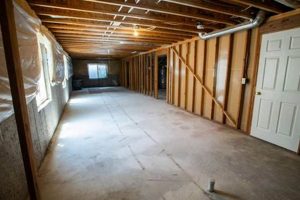
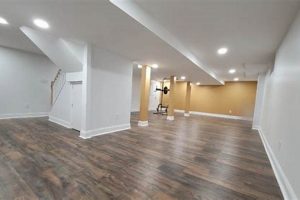
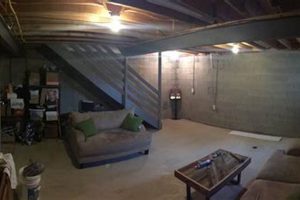
The correct sequencing of tasks is essential when undertaking a basement completion project. This involves strategically planning and executing each stage, from initial framing and insulation to final drywalling and flooring, in a manner that maximizes efficiency, minimizes rework, and ensures structural integrity. A logical progression would include addressing structural issues first, followed by mechanical, electrical, and plumbing (MEP) installations before concealing these systems with finishing materials.
Adhering to a carefully considered sequence offers several advantages. It reduces the likelihood of costly errors and delays, helps maintain budget control, and ensures the finished space meets all applicable building codes. Historically, haphazard approaches to basement finishing have resulted in problems such as moisture intrusion, inadequate insulation, and code violations, highlighting the value of a well-defined methodology. This organized approach leads to a more habitable and valuable living space.
The subsequent sections will delve into the specific tasks commonly associated with transforming an unfinished basement into a functional and aesthetically pleasing area, outlining the recommended sequence for their execution, and providing insights into best practices for each phase of the project. These stages address crucial elements from initial planning to final inspection.
Guidance on Strategic Sequencing for Basement Completion
The following recommendations provide insight into optimizing the sequence of events during a basement finishing project, helping to avoid complications and ensure a successful outcome.
Tip 1: Address Moisture Issues First: Prior to any cosmetic or structural work, conduct a thorough assessment for water intrusion. Implement waterproofing measures, such as exterior excavation and sealing, or interior drainage systems, before proceeding. Failure to mitigate moisture can lead to mold growth and structural damage.
Tip 2: Complete Framing Before MEP: Establish the wall layout and framing structure before installing mechanical, electrical, and plumbing systems. This allows for accurate placement of wiring, pipes, and ductwork within the framed cavities, minimizing interference and maximizing space utilization.
Tip 3: Insulate Before Installing Drywall: Proper insulation is crucial for energy efficiency and comfort. Install insulation in walls and ceilings prior to drywall to create a thermal barrier and reduce energy consumption. Ensure compliance with local building codes regarding insulation R-values.
Tip 4: Run Electrical Wiring and Plumbing Within Walls: Before wall finishes, conceal electrical wiring and plumbing within the wall cavities. This protects them from damage and improves the finished appearance. Adhere to electrical and plumbing codes for safe and compliant installations.
Tip 5: Consider Subfloor Installation: If the existing concrete floor is uneven or prone to moisture, consider installing a subfloor. This creates a level surface for flooring and provides a thermal break, enhancing comfort and reducing the risk of mold growth.
Tip 6: Sequence Drywalling and Taping: After insulation and MEP rough-in, proceed with drywall installation. Tape and mud the seams to create a smooth surface. Sanding should be performed before priming and painting to ensure a professional finish.
Tip 7: Install Doors and Trim After Painting: After painting the walls and ceiling, install doors and trim. This prevents damage to the trim during painting and allows for clean paint lines.
Following these sequencing guidelines contributes to a more efficient and cost-effective completion, minimizes potential issues, and results in a durable and comfortable living space.
The final section provides a concluding overview of the principles discussed, emphasizing the lasting benefits of a properly sequenced basement renovation.
1. Waterproofing assessment

A comprehensive waterproofing assessment is the foundational stage in any basement completion endeavor. Its position at the forefront of the sequence is critical, directly impacting the long-term viability and habitability of the finished space. Neglecting this initial evaluation can lead to significant and costly remediation efforts later in the project.
- Identification of Existing Moisture Sources
A thorough assessment involves identifying potential sources of water intrusion, such as cracks in the foundation, inadequate drainage, or hydrostatic pressure. For instance, observing efflorescence on basement walls indicates moisture migration through the concrete. Failure to address these sources prior to finishing will inevitably result in water damage to the finished materials, including mold growth, drywall deterioration, and flooring damage. Addressing the root cause early prevents future problems.
- Evaluation of Drainage Systems
The efficacy of existing drainage systems, including gutters, downspouts, and grading around the foundation, must be evaluated. Improper drainage can lead to water pooling near the foundation, increasing the risk of infiltration. Modifying or upgrading these systems may be necessary to ensure effective water diversion away from the basement. Without functional drainage, even minor water intrusion can escalate into major problems once the basement is finished.
- Hydrostatic Pressure Assessment
Assessing the level of hydrostatic pressure acting on the basement walls is crucial, particularly in areas with high water tables. High pressure can force water through even seemingly impenetrable concrete. Installing a pressure relief system, such as an interior drainage system with a sump pump, might be essential to mitigate this risk. Ignoring hydrostatic pressure can result in persistent dampness and structural damage to the foundation.
- Material Selection Based on Moisture Resistance
The findings of the assessment should influence the selection of materials used during the finishing process. Moisture-resistant drywall, closed-cell foam insulation, and waterproof flooring options are essential in mitigating the impact of any residual moisture. Choosing inappropriate materials without considering moisture risks can lead to premature deterioration and the need for costly replacements.
In conclusion, the information gleaned from the waterproofing assessment dictates subsequent steps in the basement completion process. It guides decisions on remediation strategies, material selection, and construction techniques, ensuring a durable and habitable finished space. Prioritizing this initial evaluation mitigates the risk of future water damage and maximizes the long-term value of the investment.
2. Structural Integrity

The assessment and reinforcement of structural elements are paramount in the established methodology for basement completion. Any pre-existing structural deficiencies, such as foundation cracks, bowing walls, or compromised support columns, directly influence the sequence and feasibility of subsequent finishing steps. Ignoring these issues can lead to significant problems, including structural failure, safety hazards, and diminished property value. For example, attempting to frame walls against a bowing foundation wall will exacerbate the issue, potentially leading to collapse. The proper sequence mandates addressing structural problems before any cosmetic or finishing work commences.
Reinforcement strategies depend on the nature and severity of the structural defects. Minor cracks can be sealed with epoxy injections, while more severe foundation damage may require underpinning or the installation of carbon fiber straps. Load-bearing walls might necessitate the insertion of additional support beams or columns. An understanding of structural engineering principles is essential for making informed decisions regarding these interventions. For instance, failing to properly support a load-bearing wall during renovation can cause the floor above to sag or even collapse. Engaging a qualified structural engineer is advisable for complex or uncertain situations.
Prioritizing structural integrity within the established workflow prevents future complications and ensures the long-term stability of the completed basement. Addressing these issues proactively avoids costly rework and provides a safe and functional living space. The sequence of tasks must reflect the criticality of structural remediation, placing it at the forefront of the project to ensure a durable and reliable foundation for all subsequent finishing activities.
3. MEP Rough-in

Mechanical, electrical, and plumbing (MEP) rough-in represents a pivotal phase within the defined task sequence for basement completion. This phase establishes the infrastructural framework required for a habitable living space. Proper execution and sequencing of MEP installations directly impact the efficiency and effectiveness of subsequent finishing stages. A miscalculation or premature closure of walls before MEP inspection, for instance, can lead to costly rework and code violations. The correct sequencing places MEP rough-in after framing and before insulation and drywall, ensuring accessibility for inspections and adjustments. This precise timing is critical.
The practical implications of adhering to this specific point in the schedule are significant. Early installation of electrical wiring, plumbing lines, and HVAC ductwork, before the walls are enclosed, allows for easy access for inspectors to verify compliance with local building codes. It also affords the opportunity to make necessary modifications or adjustments without disrupting finished surfaces. For example, if an electrical outlet is improperly placed, it can be easily moved during the rough-in phase. However, if discovered after drywall installation, correction necessitates demolition and re-installation, increasing costs and delaying the project. Similarly, running plumbing lines after framing allows for efficient routing and minimizes the risk of damaging structural elements.
In summary, MEP rough-in occupies a critical juncture within the basement finishing project timeline. Its successful execution, according to code and best practices, facilitates the smooth progression of subsequent stages. The potential challenges associated with improper sequencing underscore the importance of adhering to a predetermined and logical workflow, ensuring that all essential infrastructure is installed and inspected before the enclosure of walls and ceilings. This strategic sequencing not only mitigates risks but also promotes efficiency and cost-effectiveness, culminating in a well-functioning and code-compliant finished basement.
4. Insulation installation

Insulation installation, as a stage within the basement finishing workflow, plays a crucial role in determining energy efficiency, comfort, and indoor air quality. Its proper sequencing is dictated by preceding steps such as framing and MEP rough-in, and directly influences subsequent stages, most notably drywall installation. Specifically, insulation must be installed after the completion of framing and MEP rough-in, ensuring that all wiring, plumbing, and HVAC components are in place. Attempting to install insulation before these steps would necessitate its removal or modification to accommodate the MEP systems, resulting in wasted materials and labor. Conversely, installing insulation after drywall makes it impossible to achieve adequate thermal performance without demolition, incurring significant costs.
The practical significance of appropriate insulation execution extends beyond basic thermal management. For example, installing vapor barriers correctly, in conjunction with insulation, mitigates moisture intrusion into the wall cavities. Improperly installed vapor barriers, or their absence altogether, can lead to condensation and mold growth within the wall system, creating a hazardous environment and compromising structural integrity. In colder climates, effective insulation prevents heat loss through the basement walls and floor, reducing energy consumption and lowering heating bills. Furthermore, specialized insulation products, such as soundproofing insulation, can significantly reduce noise transmission between the basement and upper floors, improving overall living conditions.
In summary, Insulation installation is a critical phase that influences both short-term and long-term outcomes of a basement finishing project. Its place within the overall sequence must be carefully considered to maximize its effectiveness. The implications of improper insulation execution are substantial, ranging from reduced energy efficiency to compromised indoor air quality and structural damage. Attention to detail and adherence to best practices during this stage are essential for creating a comfortable, energy-efficient, and healthy finished basement.
5. Drywall application

Drywall application represents a critical juncture within the standard basement finishing process, directly influenced by preceding steps and fundamentally shaping subsequent finishing activities. Its placement in the construction sequence is strategically positioned after framing, MEP rough-in, and insulation, ensuring that structural, mechanical, and thermal considerations are addressed before the installation of wall surfaces. Deviation from this sequencing introduces complications. For instance, attempting drywall application before completing electrical wiring invites the need for costly and disruptive modifications after the fact. Therefore, adherence to the established sequence is not merely procedural but functionally necessary for efficient and code-compliant basement completion.
The connection between drywall application and the broader process extends beyond timing considerations. The quality of the preceding stages directly impacts the success of drywall installation. Imperfect framing, for example, results in uneven wall surfaces, complicating drywall fitting and requiring additional shimming and mudding. Insufficient insulation can lead to condensation behind the drywall, promoting mold growth. Thus, proper execution of prior steps is a prerequisite for achieving a professional-looking and durable drywall finish. The selection of drywall material itself, such as moisture-resistant drywall in potentially damp areas, constitutes a crucial decision within the overall planning and execution of the project.
The practical significance of understanding the relationship between drywall application and the overall finishing progression manifests in several ways. Efficient project management, reduced material waste, and minimization of rework are direct benefits of adhering to a logically ordered process. Furthermore, a thorough understanding of this relationship enables informed decision-making regarding material selection, construction techniques, and resource allocation, ultimately contributing to a successful and cost-effective basement completion project. Challenges such as unforeseen obstructions or material shortages can be effectively addressed through proactive planning and a clear understanding of the logical flow of the entire sequence.
6. Finishing touches

Finishing touches represent the final stage within the structured sequence of basement completion. These elements, encompassing painting, trim work, flooring installation, and hardware placement, are critically dependent upon the successful execution of all preceding steps. The sequence dictates that such tasks occur only after structural elements are addressed, MEP systems are installed and inspected, insulation is in place, and drywall is properly finished. Premature initiation of finishing touches, prior to the completion of essential underlying work, invariably leads to complications, rework, and compromised overall project quality. For instance, installing flooring before addressing moisture issues beneath the slab will result in eventual flooring failure due to water damage.
The impact of the previously completed phases is directly observed in the efficiency and quality of the finishing touches. Smooth, well-prepared drywall surfaces facilitate seamless painting and trim installation. Properly routed and accessible electrical and plumbing systems ensure fixtures can be installed without disrupting finished walls. A level and structurally sound subfloor allows for even and stable flooring installation. The absence of these prerequisites results in increased labor costs, compromised aesthetics, and potential long-term maintenance issues. The selection of materials and design choices during finishing touches must also align with the functional requirements and environmental conditions of the basement space.
In conclusion, finishing touches are not isolated activities but rather the culmination of a carefully orchestrated series of steps. Their success is contingent upon the adherence to a logical and well-defined project sequence. Ignoring the interdependencies within the “finishing basement order of operations” inevitably leads to compromised outcomes. Understanding this relationship is crucial for efficient project management, cost control, and the creation of a durable, aesthetically pleasing, and functional finished basement space. Challenges often arise from deviations to the established sequence, highlighting the importance of diligent planning and adherence to best practices.
7. Final inspection
Final inspection serves as the culminating verification within the defined parameters of basement completion sequence. This process confirms adherence to building codes, safety standards, and the approved project plans. The efficacy of the preceding steps dictates the outcome of this assessment. For example, improperly installed electrical wiring identified during final inspection necessitates costly and time-consuming rework, underscoring the direct connection between adherence to the established sequence and a successful inspection outcome. The absence of proper insulation or inadequate fire-stopping, discovered during this stage, similarly requires remedial action, highlighting the crucial role of final inspection in validating the integrity of the entire build.
The scope of final inspection typically encompasses structural elements, electrical systems, plumbing installations, HVAC functionality, and fire safety provisions. Inspectors verify that all work complies with relevant codes and regulations, ensuring the finished basement meets minimum safety and habitability standards. A failed inspection results in a list of deficiencies that must be rectified before occupancy is permitted. This rectification process can involve significant demolition, reconstruction, and re-inspection, emphasizing the economic and temporal benefits of meticulous adherence to the proper sequencing from the project’s outset. Real-world scenarios frequently reveal that shortcuts taken during earlier phases ultimately surface during final inspection, leading to project delays and increased costs.
In summary, final inspection is not merely a formality but an integral component of the organized process. It acts as a quality control checkpoint, validating the execution of each preceding step and ensuring the finished basement meets established standards for safety and functionality. The likelihood of a successful final inspection is directly proportional to the diligence with which each phase of the basement completion methodology is followed, highlighting the importance of proactive planning, meticulous execution, and consistent adherence to building codes and best practices.
Frequently Asked Questions Regarding Strategic Sequencing for Basement Completion
The following addresses common inquiries concerning the proper sequence of tasks when undertaking a basement finishing project. These questions and answers provide clarity on critical decisions and potential challenges.
Question 1: What is the most critical step in the overall process of finishing basement order of operations?
Addressing moisture issues is arguably the most crucial initial step. Failure to mitigate water intrusion can compromise the structural integrity and habitability of the finished space, leading to mold growth, material damage, and health concerns.
Question 2: Why is framing prioritized before MEP rough-in?
Establishing the framing structure before initiating mechanical, electrical, and plumbing installations allows for accurate placement of wiring, pipes, and ductwork within the wall cavities, minimizing interference and maximizing space utilization. This approach promotes efficiency and reduces the potential for rework.
Question 3: What are the consequences of installing insulation incorrectly?
Improper insulation installation can lead to energy inefficiency, increased heating and cooling costs, and potential moisture condensation within wall cavities, promoting mold growth. Adhering to recommended insulation techniques and R-values is essential for a comfortable and energy-efficient basement.
Question 4: What considerations should guide the selection of drywall for a basement?
Given the potential for moisture in basements, the use of moisture-resistant drywall is strongly advised, especially in areas prone to dampness. This type of drywall is designed to resist moisture absorption and inhibit mold growth, contributing to a healthier indoor environment.
Question 5: Why is a final inspection necessary?
A final inspection ensures that the finished basement complies with all applicable building codes and safety standards. It verifies that the work has been performed correctly and that the space is safe for occupancy. Failure to pass the final inspection necessitates remedial work, potentially incurring significant costs and delays.
Question 6: Can certain steps be performed out of order to expedite the project?
While some tasks may appear independent, altering the established sequence can lead to complications and increased costs. Adhering to the recommended sequence minimizes the risk of errors, rework, and code violations, ultimately promoting a more efficient and successful project outcome.
Strategic sequencing in basement completion is paramount. Addressing moisture, framing before MEP, proper insulation, code-compliant work, and passing final inspection, all contribute to efficiency, compliance, and lasting value.
The next section will provide a detailed checklist to aid in strategic sequencing of basement completion.
finishing basement order of operations
The information presented has detailed the necessity of a strategic approach to basement finishing. From initial waterproofing to final inspections, each phase requires adherence to a logical sequence. Deviations from this sequence can lead to increased costs, structural vulnerabilities, and code violations, ultimately compromising the long-term viability and safety of the finished space. Each task requires planning and knowledge about the step by step process.
Prudent adherence to the established workflow represents the most effective means of achieving a successful and enduring result. The investment in careful planning and execution mitigates risks and maximizes the value of the finished basement, ensuring a functional and compliant living space for years to come.