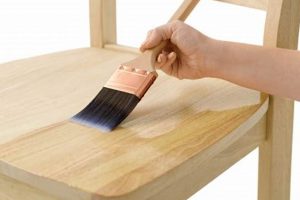
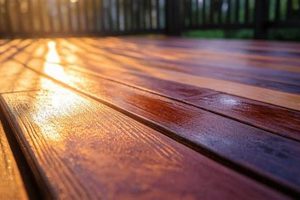
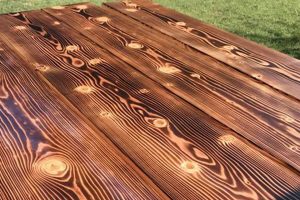
A coating applied to poplar lumber serves to protect and enhance the inherent qualities of the wood. This protective layer can be transparent, allowing the natural grain and color of the poplar to show through, or it can be pigmented to alter the wood’s appearance. For example, a clear polyurethane application highlights the subtle green and brown hues often found in poplar, while a dark stain can give the wood a richer, more formal look.
The implementation of a surface treatment offers several advantages, including increased resistance to moisture, scratches, and ultraviolet light. Historically, treatments were often based on natural oils and waxes; however, modern formulations provide superior durability and longevity. Utilizing a proper treatment significantly extends the lifespan of poplar wood products, making them suitable for a wider range of applications, from furniture to interior trim.
Understanding the characteristics of poplar wood and the various surface treatments available is crucial for achieving the desired aesthetic and functional outcome in woodworking projects. The subsequent sections will delve into specific types of surface treatments, their application methods, and best practices for ensuring a professional result.
Considerations for Surface Application on Poplar Wood
Achieving a professional and durable result when treating poplar lumber requires careful planning and execution. The following tips provide guidance on key aspects of the process.
Tip 1: Surface Preparation is Paramount: Prior to any application, ensure the poplar surface is smooth, clean, and free from imperfections. Sanding with progressively finer grits of sandpaper (e.g., 120, 180, 220) is essential. Remove all dust and debris with a tack cloth or vacuum.
Tip 2: Select the Appropriate Product: Choose a product specifically designed for wood. Consider the desired aesthetic (clear vs. pigmented), durability requirements, and environmental exposure. Oil-based products offer penetration and richness, while water-based options provide faster drying times and lower VOCs.
Tip 3: Conduct a Test Application: Before committing to the entire project, test the product on a small, inconspicuous area of the poplar. This allows for verification of color, adhesion, and compatibility with the wood.
Tip 4: Apply Thin, Even Coats: Multiple thin coats are preferable to a single thick coat. This prevents runs, drips, and uneven drying. Allow each coat to dry completely according to the manufacturer’s instructions before applying the next.
Tip 5: Sand Lightly Between Coats: After each coat has dried, lightly sand with fine-grit sandpaper (e.g., 320 or 400 grit) to remove any imperfections and create a smooth surface for the subsequent coat.
Tip 6: Consider a Sealer or Primer: A sealer or primer can improve adhesion and reduce the amount of topcoat required. This is particularly important when using pigmented products on poplar, as it can help to achieve a more uniform color.
Tip 7: Allow Adequate Drying Time: Ensure the treated poplar is allowed to dry completely before handling or using it. Insufficient drying can lead to surface damage and premature wear.
Adhering to these guidelines will enhance the appearance and longevity of the treated poplar, ensuring a professional and lasting finish.
The following sections will explore specific application techniques and troubleshooting tips to further optimize the process.
1. Surface Preparation

The attainment of a high-quality application on poplar wood is intrinsically linked to the thoroughness of the surface preparation. Inadequate preparation serves as a direct impediment to achieving a durable and aesthetically pleasing result. Contaminants, such as dust, grease, or remnants of previous treatments, interfere with adhesion, leading to premature peeling or blistering. An uneven surface, whether due to scratches, dents, or unsanded mill marks, becomes visually accentuated by the application, compromising the overall appearance. Therefore, meticulous surface preparation is not merely a preliminary step but an indispensable component of achieving a professional outcome. Consider, for instance, furniture restoration; failure to adequately remove old coatings and smooth imperfections invariably results in a substandard application, regardless of the quality of the materials employed.
The practical implications of proper surface preparation extend beyond mere aesthetics. A properly prepared surface maximizes the protective properties of the application. For example, a sealant applied to a meticulously sanded and cleaned surface forms a more robust barrier against moisture penetration, thereby reducing the risk of warping, cracking, and fungal growth. Furthermore, proper sanding opens the wood pores, allowing the applied material to penetrate deeper and form a stronger mechanical bond. This is particularly relevant in high-wear applications, such as flooring or countertops, where the durability of the application directly impacts the lifespan of the poplar wood product. Failing to prepare the surface adequately can lead to premature failure, necessitating costly repairs or replacements.
In summary, surface preparation is foundational to a successful outcome. Overlooking its importance inevitably leads to compromised aesthetics, diminished durability, and increased long-term costs. The time and effort invested in achieving a clean, smooth, and properly prepared surface are rewarded with a superior, longer-lasting result, highlighting the critical relationship between meticulous preparation and the overall quality of the application on poplar wood.
2. Product Selection
The selection of an appropriate product exerts a direct and significant influence on the final characteristics of a poplar wood finish. The chosen product determines not only the aesthetic qualities, such as color and sheen, but also the protective capabilities, encompassing resistance to moisture, abrasion, and ultraviolet radiation. A misjudgment in product selection can lead to unsatisfactory outcomes, ranging from cosmetic imperfections to premature degradation of the wood itself. For instance, utilizing an exterior-grade spar varnish on an interior project may result in an excessively glossy and potentially brittle surface, while applying an interior-grade lacquer to outdoor furniture would offer inadequate protection against the elements, leading to rapid deterioration.
The relationship between product selection and the ultimate effect on poplar wood extends to considerations beyond simple protection. The inherent characteristics of poplar wood, such as its relatively soft texture and tendency to absorb stains unevenly, necessitate careful matching of the product to the wood’s properties. For example, using a gel stain can mitigate the blotchy appearance often associated with staining poplar, while a sanding sealer can create a more uniform base for topcoats. Similarly, the choice between oil-based and water-based products impacts the drying time, VOC emissions, and ease of cleanup, all of which directly influence the overall project efficiency and environmental impact. Consider the scenario of a cabinet maker using poplar for painted cabinet doors; selecting a high-quality, self-leveling paint specifically formulated for wood ensures a smooth, professional finish with minimal brush strokes.
In conclusion, informed product selection represents a critical decision point in achieving a successful poplar wood finish. By carefully evaluating the specific requirements of the project, the inherent properties of poplar wood, and the performance characteristics of available products, one can optimize both the aesthetic appeal and the long-term durability of the finished piece. A comprehensive understanding of this relationship mitigates the risk of costly errors and ensures that the final product meets the desired standards of quality and longevity.
3. Application Technique
The application technique employed directly determines the quality and longevity of a poplar wood finish. A properly selected product, regardless of its inherent quality, will fail to achieve its intended purpose if applied incorrectly. Factors such as brush stroke direction, spray gun settings, and the evenness of each coat significantly impact the final appearance and protective properties. For example, applying a varnish with inconsistent brush strokes results in uneven gloss levels and visible texture, detracting from the aesthetic appeal. Similarly, improper spray gun settings can lead to orange peel texture or runs in the finish, compromising both appearance and durability. The thickness of each coat is also critical; applying excessively thick coats can lead to slow drying, sagging, and an increased risk of cracking, while applying excessively thin coats may not provide adequate protection against moisture and abrasion.
Different application methods are suitable for different products and project requirements. Brushing is often preferred for applying oil-based varnishes and polyurethanes, as it allows for good penetration and control over the thickness of the coat. However, brushing requires skill and patience to avoid brush marks and achieve a smooth finish. Spraying, on the other hand, is well-suited for applying lacquers and water-based finishes, as it provides a more uniform and even application with minimal texture. However, spraying requires specialized equipment and proper ventilation, and it can be more prone to overspray and waste. Furthermore, the proper preparation of the application tools themselves is essential. Clean brushes and spray guns are necessary to prevent contamination and ensure a smooth, consistent application. Consider the example of a furniture maker applying a stain to poplar; if the stain is applied unevenly or allowed to puddle in certain areas, the resulting color will be inconsistent and blotchy, detracting from the overall appearance of the piece.
In summary, the application technique is an indispensable component of a successful poplar wood finish. A thorough understanding of different application methods, the proper use of application tools, and the importance of even and consistent coats is essential for achieving both aesthetic appeal and long-term durability. Overlooking the importance of application technique can negate the benefits of high-quality products and proper surface preparation, resulting in a compromised finish that detracts from the value and lifespan of the poplar wood. Mastering these techniques, while challenging, is crucial for anyone seeking to achieve professional-grade results.
4. Drying Time

The period required for a poplar wood finish to fully cure represents a critical factor influencing the ultimate quality and longevity of the treated surface. Insufficient drying time can compromise the integrity of the finish, leading to a range of aesthetic and structural issues. The characteristics of the finish itself, environmental conditions, and application technique all play a role in determining the appropriate drying duration.
- Solvent Evaporation and Curing
The drying process involves the evaporation of solvents and the subsequent curing of the resin or binder within the finish. Solvent-based finishes typically require longer drying times to allow for complete evaporation, whereas water-based finishes generally dry more quickly. Premature handling or recoating before complete solvent evaporation can trap residual solvents, leading to a soft or tacky surface that is susceptible to damage. For example, applying a second coat of polyurethane before the first coat is fully dry can result in a cloudy or wrinkled appearance, necessitating a complete stripping and reapplication of the finish.
- Environmental Factors: Temperature and Humidity
Environmental conditions significantly influence the drying time of a poplar wood finish. Elevated temperatures generally accelerate the drying process, while low temperatures retard it. High humidity levels impede the evaporation of solvents, prolonging the drying time and potentially leading to a cloudy or hazy finish. Conversely, low humidity levels can cause the finish to dry too quickly, resulting in cracking or checking. Maintaining optimal temperature and humidity levels within the manufacturer’s recommended range is crucial for achieving a uniform and durable finish. A woodworking shop in a humid climate might require dehumidification to ensure proper drying of a lacquer finish on poplar cabinets.
- Impact on Finish Durability
Insufficient drying time directly impacts the durability of a poplar wood finish. A finish that has not fully cured is more susceptible to scratches, dents, and water damage. Premature exposure to heavy use or harsh cleaning agents can compromise the integrity of the finish, leading to premature wear and failure. For instance, placing heavy objects on a freshly finished poplar table before it has fully cured can leave permanent indentations in the surface. Ensuring adequate drying time allows the finish to achieve its maximum hardness and resistance to abrasion, extending the lifespan of the treated wood.
- Recoating Intervals
Adhering to the manufacturer’s recommended recoating intervals is essential for achieving proper adhesion between coats. Applying subsequent coats of finish before the previous coat has fully dried can lead to intercoat adhesion failure, resulting in peeling or delamination. Conversely, waiting too long between coats can result in poor adhesion due to surface contamination or oxidation. Lightly sanding between coats helps to promote adhesion by creating a mechanical bond between the layers. Properly observing recoating intervals ensures a strong and durable finish that is resistant to cracking and peeling. For example, a guitar maker applying multiple coats of lacquer to a poplar body must carefully observe the recommended recoating intervals to prevent adhesion problems and achieve a flawless finish.
These facets collectively underscore the importance of adhering to recommended drying times for poplar wood finishes. The interplay of solvent evaporation, environmental factors, finish durability, and recoating intervals emphasizes the need for careful planning and execution. Ignoring these considerations can lead to compromised aesthetic outcomes and significantly reduced lifespan of the finished product. Therefore, diligent attention to drying time remains a crucial element in achieving a high-quality and durable application.
5. Sanding Practices
Effective sanding practices are inextricably linked to the success of any poplar wood finish. Poplar, characterized by its relatively soft texture and closed grain, necessitates careful sanding techniques to achieve a smooth, uniform surface receptive to finishes. Inadequate sanding results in a finish that highlights imperfections, accentuates uneven grain patterns, and ultimately compromises the aesthetic appeal of the piece. For example, mill marks left unsanded on poplar lumber will become conspicuously visible after the application of a clear coat, regardless of the finish’s quality.
The process of sanding poplar involves a progression through increasingly finer grits of sandpaper, typically starting with a coarser grit (e.g., 120 or 150) to remove significant imperfections and transitioning to finer grits (e.g., 220 or 320) to refine the surface. Skipping grits or applying excessive pressure can lead to uneven sanding, creating swirls or scratches that become apparent after the finish is applied. Furthermore, proper sanding techniques involve sanding with the grain of the wood to avoid cross-grain scratches, which are difficult to remove and detract from the final appearance. Consider the restoration of antique furniture made from poplar; meticulous sanding, using appropriate grits and techniques, is essential to remove old finishes, repair blemishes, and prepare the surface for a new finish that restores the piece’s original beauty. The application of a sanding sealer after the initial sanding stages can also significantly improve the uniformity of the finish, particularly when staining poplar, which tends to absorb stain unevenly.
In conclusion, the relationship between sanding practices and poplar wood finish is one of direct cause and effect. Effective sanding, employing proper techniques and materials, is a prerequisite for achieving a high-quality, durable, and aesthetically pleasing finish. Conversely, inadequate sanding will inevitably lead to a compromised finish that detracts from the overall value and appearance of the poplar wood. Therefore, careful attention to sanding practices represents a critical investment in the success of any woodworking project involving poplar lumber.
6. Sealer/Primer Use
The application of sealers or primers is frequently a necessary step in achieving a professional and durable poplar wood finish. These preparatory coatings address the inherent properties of poplar wood that can hinder the attainment of an even and long-lasting finish, laying a foundation for subsequent topcoats.
- Minimizing Blotching
Poplar’s variable density can lead to uneven stain absorption, resulting in a blotchy appearance. Sealers mitigate this by creating a uniform surface, reducing the wood’s absorbency and promoting consistent stain penetration. Consider cabinet making where a uniform stain color is critical; applying a sealer before staining poplar doors ensures color consistency across the entire surface.
- Enhancing Adhesion
Primers provide a surface with improved adhesion characteristics for topcoats, particularly when using paints or other film-forming finishes. This is especially important with poplar, as its smooth surface can sometimes hinder the mechanical bonding of certain finishes. On trim work, a primer ensures the paint adheres properly, preventing peeling or chipping over time.
- Sealing Wood Pores
Sealers fill the pores of the wood, creating a smoother surface for the application of topcoats. This reduces the amount of topcoat required and improves the overall appearance of the finish. When finishing poplar furniture, a sealer fills the pores, resulting in a smooth, glass-like surface after the final coat is applied.
- Blocking Tannin Bleed
While poplar is low in tannins, some boards may exhibit slight tannin bleed-through, particularly when using water-based finishes. Primers act as a barrier, preventing these tannins from migrating to the surface and discoloring the finish. This is particularly important when painting poplar a light color; a primer prevents the tannins from bleeding through and staining the paint.
The strategic use of sealers and primers addresses the inherent challenges posed by poplar wood, resulting in enhanced adhesion, improved color uniformity, and a more durable final finish. Proper selection and application of these preparatory coatings are integral to achieving a professional result.
7. Protection

The primary purpose of a finish applied to poplar wood is to provide protection against environmental factors and physical wear. Unfinished poplar is susceptible to moisture absorption, which can lead to warping, swelling, and fungal decay. A protective finish acts as a barrier, limiting moisture ingress and preserving the dimensional stability of the wood. Similarly, a properly applied finish enhances the wood’s resistance to scratches, dents, and abrasions, extending its lifespan and maintaining its aesthetic appeal. Consider exterior applications of poplar, such as siding or trim; without adequate protection, these elements would rapidly deteriorate, requiring frequent repairs or replacements. The selection of a finish must therefore prioritize the specific protective needs of the application.
The level of protection required varies depending on the intended use of the poplar wood. Interior applications, such as furniture or cabinetry, typically require finishes that offer resistance to scratches, spills, and household chemicals. Exterior applications, on the other hand, demand finishes that provide superior resistance to moisture, ultraviolet radiation, and temperature fluctuations. Furthermore, the type of finish selected influences the ease of maintenance. Some finishes, such as polyurethane, create a durable, water-resistant surface that is easily cleaned, while others, such as waxes, require more frequent reapplication to maintain their protective properties. A properly protected poplar surface not only enhances its aesthetic appeal but also reduces the long-term cost of maintenance and repair. For example, a water-resistant coating on a poplar countertop protects the wood from spills and stains, preserving its appearance and preventing bacterial growth.
In summary, protection is an indispensable component of a successful poplar wood finish. The application of a suitable finish safeguards the wood against environmental damage and physical wear, extending its lifespan and preserving its aesthetic value. A thorough understanding of the protective requirements of the intended application is essential for selecting the appropriate finish and ensuring the long-term durability of the poplar wood. Neglecting this aspect will inevitably lead to premature degradation and increased maintenance costs, highlighting the critical role of protection in achieving a lasting and satisfactory result.
Frequently Asked Questions About Poplar Wood Finish
The following questions address common concerns and misconceptions regarding the treatment and finishing of poplar lumber.
Question 1: Does poplar wood require a finish?
Poplar, while relatively stable, benefits significantly from a protective coating. An appropriate finish guards against moisture absorption, reducing the risk of warping, cracking, and fungal growth.
Question 2: What is the best type of finish for poplar wood?
The optimal choice depends on the intended use. Polyurethane provides excellent durability for high-wear surfaces, while lacquer offers a smooth, elegant finish for furniture. Oil-based finishes penetrate deeply, enhancing the wood’s natural grain.
Question 3: How can blotching be prevented when staining poplar?
Applying a sanding sealer prior to staining helps to create a more uniform surface, reducing the wood’s absorbency and minimizing blotching. Gel stains also offer improved control over color penetration.
Question 4: Is priming necessary before painting poplar wood?
Priming is highly recommended, as it enhances adhesion, seals the wood pores, and prevents tannin bleed-through, ensuring a smooth and durable painted surface.
Question 5: How long should poplar wood be allowed to dry after applying a finish?
The drying time varies depending on the type of finish, ambient temperature, and humidity. Always follow the manufacturer’s recommendations and allow ample time for the finish to fully cure before handling or using the treated wood.
Question 6: Can poplar wood be finished to resemble other wood species?
Yes, poplar’s neutral color makes it an excellent candidate for staining. With careful selection of stains and application techniques, poplar can be made to mimic the appearance of more expensive hardwoods, such as cherry or walnut.
Proper preparation, product selection, and application techniques are paramount to achieving a high-quality poplar wood finish.
The next section will explore specific finishing techniques and troubleshooting tips to further optimize the process.
Poplar Wood Finish
This exposition has detailed the critical aspects of a suitable layer applied to poplar, encompassing surface preparation, product selection, application technique, drying considerations, sanding practices, sealer/primer utilization, and protective measures. Each facet significantly influences the resulting aesthetic and functional properties of the treated wood. A thorough understanding of these elements is paramount for achieving a durable, visually appealing, and long-lasting result.
The successful implementation of a “poplar wood finish” represents not merely an aesthetic enhancement, but a strategic investment in the longevity and value of the underlying material. Further research and adherence to best practices remain crucial for optimizing the utilization of this versatile and readily available resource. The careful application of knowledge ensures enduring quality.