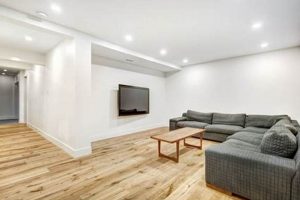
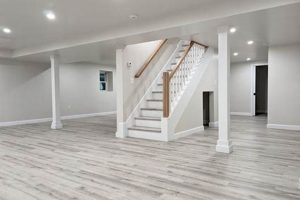
Detailed architectural plans for transforming an unfinished lower level into a functional and aesthetically pleasing living space are crucial. These plans typically include layouts, dimensions, construction details, and specifications for elements such as walls, flooring, electrical systems, plumbing, and HVAC. A comprehensive example might include specifications for framing, insulation type and placement, lighting fixture locations, and drain locations.
Accurate and well-developed plans are fundamental for successful completion of a basement finishing project. They provide a roadmap for contractors, ensuring that the finished space meets building codes, safety standards, and homeowner expectations. Historically, rudimentary sketches sufficed; however, modern construction demands precise documentation for permitting, cost estimation, and efficient project execution. This detailed planning minimizes potential errors, rework, and cost overruns.
The subsequent sections will address essential considerations for developing these crucial documents, including design principles, code compliance, structural integrity, and options for maximizing the utility and value of the converted space. Attention will also be given to the role of professional architects and designers in creating these necessary project outlines.
Guidance for Basement Finishing Plans
The following guidelines offer crucial insight into the planning stages of a basement renovation, providing a framework for a successful and code-compliant transformation.
Tip 1: Assess Existing Conditions: A thorough evaluation of the basement’s current state is paramount. This includes identifying any existing moisture issues, structural concerns (e.g., foundation cracks), and the location of essential utilities (e.g., plumbing stacks, electrical panels). Document these existing conditions in the initial planning stages.
Tip 2: Define Space Utilization: Clearly determine the intended purpose of the finished space. Will it be a home theater, a recreational room, an in-law suite, or a combination thereof? This definition dictates the required square footage for each designated zone, influencing the overall layout.
Tip 3: Adhere to Local Building Codes: Strict adherence to local building codes is non-negotiable. This encompasses requirements for egress windows, ceiling heights, fire-rated materials, and proper ventilation. Consult with local building authorities to ensure full compliance.
Tip 4: Prioritize Moisture Management: Implement comprehensive moisture mitigation strategies to prevent mold growth and water damage. This may involve installing a vapor barrier, improving exterior drainage, and selecting moisture-resistant materials.
Tip 5: Plan for Adequate Lighting and Ventilation: Insufficient lighting and ventilation can lead to a dreary and unhealthy basement environment. Incorporate a combination of natural and artificial light sources. Ensure proper ventilation through windows, exhaust fans, and HVAC systems.
Tip 6: Consider Structural Load-Bearing Elements: The existing structural support system, including load-bearing walls and columns, must be carefully considered. Alterations to these elements require consultation with a structural engineer to ensure the structural integrity of the entire building.
Tip 7: Develop Detailed Electrical and Plumbing Plans: A comprehensive electrical plan should specify the location of outlets, switches, and lighting fixtures, adhering to electrical codes. The plumbing plan should address water supply lines, drain lines, and the location of plumbing fixtures if a bathroom or wet bar is included.
Careful attention to these recommendations can contribute significantly to a well-planned and executed basement finishing project, resulting in a valuable and functional addition to the property.
The subsequent section will examine case studies demonstrating the application of these principals.
1. Spatial Optimization

Spatial optimization, in the context of architectural plans for transformed lower levels, involves strategically allocating and arranging interior space to maximize functionality, usability, and aesthetic appeal. This process is critical for achieving the desired outcomes for finished basements.
- Layout Efficiency
Layout efficiency concerns arranging rooms and pathways to minimize wasted space and ensure smooth circulation. Examples include open-concept designs integrating living and recreational areas, strategic placement of storage solutions, and optimized hallway widths. In efficient finished basement blueprints, circulation pathways are minimized, and each area is designed for maximum utility based on the intended function.
- Zoning and Functionality
Zoning separates distinct areas within the basement, such as entertainment zones, home offices, or guest suites, according to their specific function. Clear zoning enhances usability and minimizes noise transfer between zones. Blueprints that effectively implement zoning techniques ensure that different basement activities can occur concurrently without disrupting each other. This may involve soundproofing measures or strategic placement of walls.
- Vertical Space Utilization
Vertical space utilization is vital in basements where ceiling height may be limited. Strategies include installing recessed lighting, selecting low-profile furniture, and incorporating vertical storage solutions such as shelving units that extend to the ceiling. The effective designs maximize the perception of height and avoid creating a cramped atmosphere.
- Multipurpose Design
Multipurpose design integrates flexibility into the space, allowing areas to serve multiple functions. Examples include incorporating a guest bedroom that doubles as a home office or designing a recreational area that can convert into a home theater. Blueprints that prioritize multipurpose design enhance the versatility and value of the finished basement, adapting the space to the changing needs of the occupants.
These facets of spatial optimization are integral components of successful basement blueprints. By carefully considering layout efficiency, zoning, vertical space, and multipurpose functionality, designers can create transformed basements that are both aesthetically pleasing and highly functional. Integration of these concepts improves the overall quality and utility of the finished space.
2. Code Adherence

Compliance with building codes is paramount in the development and execution of architectural plans for basement transformations. Code adherence ensures structural safety, fire protection, and accessibility, directly influencing the legality and insurability of the finished space. Failure to comply with relevant codes can result in costly rework, legal penalties, and compromised occupant safety.
- Egress Requirements
Egress mandates the provision of safe and readily accessible exit routes in case of emergencies. In basements, this often necessitates the installation of egress windows or doors of specified dimensions, ensuring occupants can escape safely and that emergency responders can enter. The absence of proper egress in architectural plans is a critical code violation, potentially rendering the space uninhabitable.
- Fire Safety Standards
Fire safety standards dictate the use of fire-resistant materials, the installation of smoke detectors and carbon monoxide detectors, and the provision of adequate fire separation between the basement and other areas of the building. Architectural designs must specify the appropriate fire-rated drywall, fire-stopping measures, and the proper placement of detection devices. Failure to adhere to these standards increases the risk of fire-related injuries and property damage.
- Ceiling Height Regulations
Minimum ceiling height regulations specify the required vertical clearance in habitable basement spaces. These regulations aim to ensure comfortable living conditions and prevent physical hazards. Architectural plans must accurately depict the ceiling height and address any potential discrepancies through structural modifications or design adjustments. Insufficient ceiling height can render the space non-compliant and unusable.
- Electrical and Plumbing Codes
Electrical and plumbing codes govern the safe installation and operation of electrical and plumbing systems within the finished basement. This includes requirements for grounding, wiring methods, pipe sizing, and fixture placement. Architectural plans must include detailed electrical and plumbing layouts that adhere to these codes, minimizing the risk of electrical shock, fire, and water damage. Non-compliance can result in system failures and safety hazards.
These facets of code adherence are intrinsically linked to the production and implementation of reliable basement finishing blueprints. Strict compliance with egress, fire safety, ceiling height, and utility regulations is essential for creating habitable, safe, and legally compliant basement spaces. Architects and designers must prioritize code considerations throughout the planning and construction phases to mitigate potential risks and ensure a successful transformation.
3. Structural Integrity

The preservation of a building’s structural integrity is of paramount importance when developing designs for a finished lower level. These plans must address existing conditions and ensure that any modifications do not compromise the building’s load-bearing capacity or stability.
- Foundation Walls and Load Transfer
Foundation walls are primary load-bearing elements, transferring the weight of the building to the ground. Designs for basement finishing must account for any impact on these walls, such as added lateral loads from framing or alterations that might affect their stability. For example, the addition of a large media room with heavy equipment could add significant load, necessitating reinforcement measures detailed within the blueprints.
- Support Columns and Beams
Support columns and beams distribute weight across the structure. Finishing the basement must not obstruct access to these elements for inspection or maintenance. Furthermore, designs must not compromise their structural function through improper modifications. An architectural blueprint should clearly illustrate any proposed alterations near these supports and provide engineering specifications to maintain their load-bearing capacity.
- Moisture Management and Prevention of Deterioration
Moisture intrusion can severely compromise structural elements, leading to rot, corrosion, and weakening of materials. Designs must incorporate measures to prevent moisture from affecting structural components. Detailing proper drainage, vapor barriers, and ventilation systems within blueprints is crucial to mitigate long-term structural damage.
- Compliance with Building Codes and Regulations
Building codes and regulations dictate minimum standards for structural safety. Designs must adhere to these standards, including requirements for seismic resistance, wind load, and material specifications. Adherence to these codes is essential for ensuring the safety and longevity of the finished basement and the entire building.
Considerations for structural integrity form an integral part of producing functional plans. Addressing load transfer, support structures, moisture management, and code compliance guarantees that the finished space is both safe and sustainable. Ignoring these considerations can lead to significant structural issues, jeopardizing the investment and safety of the building occupants.
4. Utility Integration

Utility integration, within the framework of architectural plans for transformed lower levels, encompasses the strategic planning and coordinated installation of essential building systems. This facet is critical for ensuring the functionality, comfort, and safety of a finished basement, necessitating meticulous attention within the initial planning phases.
- Electrical Systems and Power Distribution
The electrical system design within the blueprints must detail the precise location of outlets, switches, lighting fixtures, and dedicated circuits to meet the power demands of the finished space. Consideration should be given to the amperage requirements of appliances, entertainment systems, and other equipment. Inadequate electrical planning can result in overloaded circuits, safety hazards, and limited functionality within the completed space. For example, a home theater requires a dedicated circuit to handle high-powered audio and video equipment.
- Plumbing Systems and Water Management
Plumbing integration necessitates the careful planning of water supply lines, drain lines, and waste removal systems, particularly if the designs include a bathroom, wet bar, or laundry area. Blueprints should specify the pipe materials, dimensions, and routing to ensure efficient water flow and prevent leaks or backups. Proper ventilation of plumbing fixtures is also essential to prevent the buildup of harmful gases. An example is planning the layout of a new basement bathroom, which requires careful consideration of existing main drain lines and water supply points.
- HVAC (Heating, Ventilation, and Air Conditioning) Systems
HVAC integration involves extending or modifying the existing heating and cooling systems to adequately serve the finished basement. Blueprints should depict the location of supply and return air ducts, thermostats, and any necessary zoning dampers to maintain consistent temperature control and air quality. Inadequate HVAC planning can lead to temperature imbalances, poor air circulation, and increased energy consumption. For instance, a design might call for a separate thermostat and zoning damper in the basement to allow for independent temperature control.
- Data and Communication Networks
Integration of data and communication networks necessitates the planning of wiring for internet, telephone, and cable television services. Blueprints should specify the location of network jacks, wiring pathways, and any necessary distribution panels to ensure seamless connectivity throughout the finished basement. This is particularly important for home offices, entertainment areas, and smart home applications. As an illustration, incorporating structured wiring and central distribution points can create a robust and adaptable network infrastructure within the finished basement.
These facets of utility integration are intrinsically linked to the overall success of a transformed lower level. Careful attention to electrical, plumbing, HVAC, and data systems ensures that the finished space is not only aesthetically pleasing but also functional, comfortable, and compliant with relevant building codes. Thoughtful and meticulous planning of these utilities is essential for maximizing the value and usability of the renovated space.
5. Material Selection

Material selection constitutes a critical component of designs for finished basements, directly influencing the long-term performance, durability, and overall comfort of the space. Informed material choices mitigate potential risks associated with moisture, temperature fluctuations, and structural considerations inherent in below-grade environments. The type of flooring selected, for instance, directly impacts the basement’s resistance to moisture damage and its overall thermal comfort. Choosing moisture-resistant drywall is vital to inhibit mold growth, whereas selecting energy-efficient insulation contributes to temperature regulation and reduces energy costs.
The integration of appropriate materials can either exacerbate or alleviate common basement issues. For example, porous materials like standard carpet can trap moisture, promoting mold growth and necessitating costly remediation. Conversely, utilizing closed-cell spray foam insulation can create a robust moisture barrier, preventing condensation and significantly reducing the risk of mold. Similarly, selecting subfloor systems that promote air circulation beneath flooring materials helps prevent moisture buildup and associated damage. Consideration must also be given to fire-resistant properties of chosen materials, ensuring compliance with local building codes and enhancing safety.
In summary, material selection is not merely an aesthetic consideration but a functional imperative within designs for finished basements. Thoughtful decisions regarding moisture resistance, durability, thermal performance, and fire safety directly influence the long-term viability and habitability of the space. Therefore, integrating comprehensive material specifications within basement finishing blueprints is crucial for minimizing risks, maximizing value, and creating a comfortable and sustainable living environment.
Frequently Asked Questions
This section addresses common inquiries regarding designs for transforming unfinished basements, providing essential information for homeowners and contractors.
Question 1: What level of detail is typically included in a standard set of basement finishing plans?
A comprehensive set of plans generally includes detailed floor plans, elevations, cross-sections, electrical layouts, plumbing schematics, and HVAC diagrams. It will also incorporate information pertaining to structural modifications, egress window specifications, and material schedules. Code compliance details and permitting requirements are usually included as well.
Question 2: Is it necessary to engage a licensed architect or engineer for creating plans, or can a general contractor suffice?
While a general contractor may possess experience in basement finishing, engaging a licensed architect or engineer is advisable, particularly for projects involving structural alterations, complex layouts, or adherence to stringent building codes. These professionals provide the necessary expertise to ensure structural integrity and code compliance, mitigating potential risks and liabilities.
Question 3: How are potential moisture problems addressed within the framework of these documents?
Plans should specify moisture management techniques, including vapor barrier installation, exterior waterproofing methods, and appropriate drainage solutions. Material selection for flooring, walls, and insulation must also consider moisture resistance to prevent mold growth and structural damage. Proper ventilation strategies must be integrated into the design to remove humidity.
Question 4: What are the key considerations for ensuring adequate egress in a finished basement, as reflected in these crucial construction documents?
Egress windows or doors are essential for safe escape in case of emergencies. Plans must accurately depict the size, location, and operability of egress points, ensuring compliance with local building codes. The clear opening dimensions, sill height, and access pathways must meet minimum requirements outlined in the relevant codes.
Question 5: How do these important construction documents address the integration of existing utilities, such as plumbing, electrical, and HVAC systems?
Plans should provide detailed schematics of existing utility locations and proposed modifications or extensions. This includes specifying pipe sizes, wire gauges, conduit routing, and ductwork layouts. Compliance with relevant codes and safety standards is essential for all utility connections and alterations.
Question 6: What steps should be taken to ensure that the basement finishing design complies with local building codes and permitting requirements?
The initial step involves consulting with local building authorities to ascertain specific code requirements and permitting procedures. Designs must adhere to all applicable codes, including those pertaining to structural safety, fire protection, electrical systems, plumbing, and egress. Submitting complete and accurate plans to the local permitting office is crucial for obtaining necessary approvals prior to commencing construction.
These answers highlight the significance of accurate, detailed, and code-compliant designs for successful transformations. Consulting with qualified professionals and adhering to local regulations are paramount.
The subsequent section will summarize key takeaways and provide concluding thoughts.
Conclusion
This article has provided a comprehensive overview of the planning required for basement finishing projects. Key aspects, including spatial optimization, code adherence, structural integrity, utility integration, and material selection, have been addressed. The importance of detailed and accurate architectural representations for transforming unfinished lower levels into functional living spaces cannot be overstated. These documents serve as the foundation for successful project execution, ensuring compliance with regulations and mitigating potential risks.
Therefore, a meticulous approach to developing complete construction documents is essential for homeowners and contractors alike. The investment in professional expertise during the planning phase yields significant returns in terms of project efficiency, code compliance, and long-term value. Prioritizing careful planning leads to the creation of safe, comfortable, and valuable additions to residential properties.
![Define: What Does Finished Basement Mean? [Explained] | Best Final Touch: Elevate Your Projects with Professional Finishing](https://bestfinaltouch.com/wp-content/uploads/2026/05/th-167-300x200.jpg "Define: What Does Finished Basement Mean? [Explained] Best Final Touch: Elevate Your Projects with Professional Finishing")