![Define: What Does Finished Basement Mean? [Explained]](data:image/svg+xml;base64,PHN2ZyB4bWxucz0iaHR0cDovL3d3dy53My5vcmcvMjAwMC9zdmciIHdpZHRoPSI0NzQiIGhlaWdodD0iNTYiIHZpZXdCb3g9IjAgMCA0NzQgNTYiPjxyZWN0IHdpZHRoPSIxMDAlIiBoZWlnaHQ9IjEwMCUiIHN0eWxlPSJmaWxsOiNjZmQ0ZGI7ZmlsbC1vcGFjaXR5OiAwLjE7Ii8+PC9zdmc+ "Define: What Does Finished Basement Mean? [Explained] Best Final Touch: Elevate Your Projects with Professional Finishing")
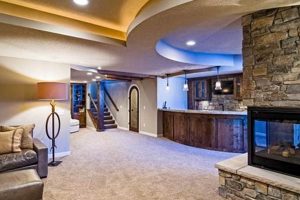
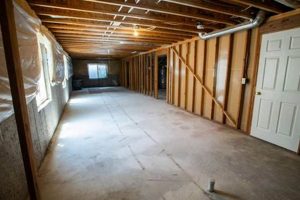
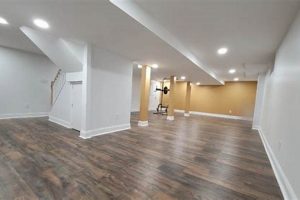
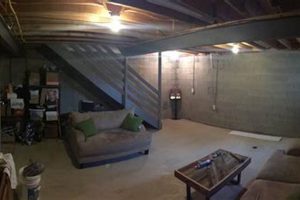
A basement described as ‘finished’ signifies that the space has been transformed from a basic, utilitarian area into a livable part of the home. This typically involves the addition of walls, flooring, ceilings, insulation, and often, functional elements such as lighting, heating, and sometimes plumbing for bathrooms or kitchenettes. For example, a once-damp, concrete-floored area used solely for storage could be converted into a family room, home office, or guest suite, thereby becoming a fully integrated and aesthetically pleasing extension of the house.
The enhancement of an unfinished subterranean level into a usable room significantly boosts a property’s value and appeal. It provides additional square footage for various purposes, addressing the evolving needs of homeowners without the expense and disruption of building an addition. Historically, basements were primarily intended for functional purposes like housing utilities. However, the trend towards habitable subterranean spaces has grown as homeowners seek to maximize their living area and improve overall quality of life within their residences. Such improvements offer increased comfort, functionality, and potential rental income.
Understanding the defining characteristics of a completed basement and its implications for home value and lifestyle is essential. Therefore, this discussion will further elaborate on the specific elements that contribute to the completion of a basement, exploring considerations such as building codes, moisture control, and design choices to ensure a functional, safe, and enjoyable living space.
Considerations for a Completed Subterranean Space
The transformation of an unfinished subterranean area into a habitable space requires careful planning and execution. The following guidelines provide essential considerations for ensuring a functional, safe, and valuable improvement.
Tip 1: Moisture Mitigation: Prioritize waterproofing the foundation to prevent water intrusion and subsequent mold growth. Employ strategies such as exterior foundation coatings, interior sealants, and proper drainage to maintain a dry environment.
Tip 2: Code Compliance: Adhere to local building codes and regulations, particularly regarding ceiling height, egress windows, and fire safety measures. Obtain necessary permits and inspections to ensure compliance and avoid future complications.
Tip 3: Insulation Installation: Implement proper insulation to regulate temperature, reduce energy costs, and enhance comfort. Choose moisture-resistant insulation materials suitable for subterranean environments.
Tip 4: Electrical Planning: Design an electrical system that meets the demands of the intended use, incorporating sufficient outlets, lighting fixtures, and circuit breakers. Engage a qualified electrician to ensure safety and code compliance.
Tip 5: HVAC Integration: Integrate the subterranean space into the existing HVAC system or install a separate system to ensure adequate heating and cooling. Consider energy-efficient options to minimize operating costs.
Tip 6: Egress Strategy: Ensure code compliance with proper exit strategy in the event of fire. Egress windows are key to code compliance and safety.
Tip 7: Flooring Choice: Select flooring materials that are moisture-resistant, durable, and suitable for subterranean environments. Options include engineered wood, tile, vinyl, and epoxy coatings.
Effective preparation, adherence to codes, and attention to detail are crucial for achieving a successful outcome. These guidelines provide a foundation for transforming an unfinished area into a functional and valuable asset.
The subsequent sections of this discussion will delve deeper into specific aspects of completing a subterranean space, including design considerations and the impact on property value.
1. Habitable living area

The concept of a habitable living area is central to the definition of “what does finished basement mean.” A space transitions from unfinished storage to a valuable extension of the home when it achieves the status of being truly habitable, offering comfort, functionality, and aesthetic appeal comparable to the above-ground living spaces.
- Compliance with Building Codes
Habitability necessitates adherence to local building codes that govern minimum ceiling heights, egress requirements (such as accessible windows or doors for emergency exits), ventilation standards, and fire safety regulations. These codes are in place to ensure the health and safety of occupants, directly affecting the legality and value of the renovated space.
- Comfort and Climate Control
A habitable space requires effective climate control, which includes proper insulation, heating, and cooling systems. Insulation helps maintain stable temperatures, reducing energy consumption and preventing moisture issues, while HVAC systems provide consistent comfort throughout the year. This ensures that the space is not only usable but also enjoyable in all seasons.
- Functional Design and Aesthetics
A habitable living area is designed to be both functional and aesthetically pleasing. This involves considerations such as layout, lighting, flooring, and wall finishes. The design should cater to the intended use of the space, whether it’s a family room, home office, or bedroom, while also creating a comfortable and inviting atmosphere.
- Safety and Accessibility
Safety is paramount in a habitable space. This includes ensuring proper electrical wiring, adequate lighting to prevent accidents, and the absence of hazards such as exposed pipes or uneven flooring. Accessibility is also crucial, particularly for individuals with mobility issues. Features like wider doorways, ramps, or stairlifts may be necessary to ensure that the space is accessible to all residents.
The transformation of a subterranean space into a habitable living area goes beyond simple cosmetic improvements. It requires careful planning, code compliance, and attention to detail to create a safe, comfortable, and functional extension of the home. This transformation is what truly defines “what does finished basement mean,” turning an unfinished area into a valuable asset that enhances the quality of life and adds significant value to the property.
2. Improved property value

The enhancement of property value is intrinsically linked to the concept of a completed subterranean space. It moves beyond simple upgrades, instead representing an investment that significantly increases the market worth and homeowner equity.
- Increased Living Space
The addition of functional square footage directly impacts a property’s valuation. Real estate appraisals often consider total finished square footage as a primary factor. Converting an unused space into a family room, home office, or additional bedroom can lead to a substantial increase in the assessed value and market desirability of the residence. For instance, a home with a completed subterranean area may command a higher selling price compared to a similar property without such a feature.
- Enhanced Market Appeal
A completed subterranean space enhances the appeal of the home to potential buyers. Many buyers appreciate the flexibility and additional living space, making the property more attractive compared to similar homes on the market. This can lead to faster sales and potentially higher offers. Homes that include unique features like a home theater, gym, or in-law suite attract a wider range of buyers and stand out in competitive real estate markets.
- Return on Investment
While the costs associated with completing a subterranean space can be significant, the return on investment is often substantial. The increased property value frequently exceeds the renovation expenses, particularly in areas where living space is at a premium. Additionally, the investment can provide immediate lifestyle benefits, further enhancing the overall value of the property to the homeowner.
- Competitive Advantage
In a competitive real estate market, homes with completed subterranean areas possess a distinct advantage. Such upgrades can differentiate a property from others, drawing more attention from potential buyers and potentially commanding a higher price. This competitive edge can be especially important in markets where buyers have numerous options.
In conclusion, the improvements in a home’s financial value significantly contribute to the understanding of what a completed subterranean space signifies. By adding functional square footage, increasing market appeal, providing a return on investment, and creating a competitive advantage, the transformation of a raw area into a finished area adds substantial value to the property and enhances its attractiveness to potential buyers.
3. Code compliant construction

Code compliant construction is an indispensable element of a habitable subterranean space. Adherence to established building codes directly dictates whether a basement is accurately termed finished, transitioning it from mere storage to functional living area. A finished basement represents more than aesthetic upgrades; it signifies a legally habitable space that meets safety and structural standards. For example, local codes specify minimum ceiling heights, egress window dimensions, and fire-resistance ratings for walls. Failure to comply with these regulations not only renders the space non-compliant but also poses significant safety risks to occupants, undermining the very purpose of the upgrade.
The importance of code compliance extends beyond immediate safety concerns to long-term value and insurability. Non-compliant structures may face legal repercussions, including fines or mandated alterations, impacting resale potential. Moreover, insurance companies might deny coverage for damages or injuries sustained in non-compliant areas. Consider the instance of a basement bedroom lacking an appropriate egress window: in the event of a fire, occupants may be unable to escape safely, leading to legal liabilities for the homeowner and invalidating insurance claims. The cost savings from circumventing code requirements are significantly outweighed by these potential consequences.
In summation, code compliant construction is fundamentally linked to the essence of a habitable subterranean area. It guarantees safety, ensures legal compliance, protects property value, and facilitates insurability. A seemingly finished subterranean space that lacks code adherence remains unfinished in the eyes of the law and building professionals, failing to meet the necessary criteria to legitimately be regarded as a finished basement.
4. Climate-controlled environment

A climate-controlled environment is a critical determinant in defining a subterranean space as finished. Achieving this control involves more than simply adding a heating or cooling unit; it entails a comprehensive system that regulates temperature and humidity to ensure comfort and prevent structural degradation.
- Insulation Effectiveness
Effective insulation is paramount in maintaining a stable climate in a completed subterranean area. Without proper insulation, temperature fluctuations can lead to condensation, fostering mold growth and compromising air quality. For instance, fiberglass batts or spray foam insulation applied to walls and ceilings minimize heat transfer, keeping the space warm in winter and cool in summer. The level of insulation should meet or exceed local building codes to ensure energy efficiency and prevent temperature extremes.
- HVAC System Integration
Integration of a heating, ventilation, and air conditioning (HVAC) system is essential for a climate-controlled subterranean space. This may involve extending the existing HVAC system to include the subterranean area or installing a separate, dedicated system. A properly sized HVAC system regulates temperature and humidity levels, contributing to a comfortable living environment. For example, a ductless mini-split system offers localized climate control and can be an efficient solution for spaces not easily integrated into a central HVAC system.
- Moisture Management
Moisture management is an integral part of climate control in subterranean environments. High humidity levels can promote mold and mildew growth, leading to health problems and structural damage. Dehumidifiers can be used to reduce humidity, while vapor barriers prevent moisture from penetrating walls and floors. Proper ventilation also aids in moisture control by allowing air to circulate and prevent the buildup of stagnant, humid air. For example, installing an exhaust fan in a subterranean bathroom can remove excess moisture and prevent mold growth.
- Air Quality Considerations
Maintaining good air quality is a key aspect of climate control. Subterranean environments are susceptible to poor air quality due to limited ventilation and the potential for radon gas infiltration. Air purifiers can remove pollutants and allergens from the air, while radon mitigation systems prevent radon gas from entering the space. Proper ventilation ensures that fresh air is circulated, reducing the concentration of indoor pollutants. For example, installing a radon mitigation system can significantly reduce radon levels, creating a safer and healthier living environment.
In conclusion, a climate-controlled environment significantly contributes to the functional and habitable nature of a completed subterranean area. Insulation, HVAC systems, moisture management, and air quality control work synergistically to create a space that is comfortable, safe, and structurally sound, ultimately defining what it means to have a finished subterranean area.
5. Functional space utilization

The capacity to effectively use subterranean square footage directly determines if a basement is indeed finished. A basement’s transformation from an unfinished state is incomplete without practical functionality. Functional space utilization transcends mere aesthetic improvements; it focuses on how effectively the area serves specific purposes aligned with the occupants’ needs and lifestyle. Consider a scenario where a subterranean area receives new flooring, lighting, and drywall but lacks a clear purpose, such as serving as a disorganized storage area. This area, despite appearing finished, lacks functional space utilization. Conversely, a transformed area designed and equipped as a home office, a recreational room, or an additional bedroom exemplifies this principle. This approach requires careful consideration of layout, accessibility, and integration of appropriate amenities.
Functional space utilization addresses the challenge of optimizing limited square footage. Homeowners often seek to maximize the value of their property by creating multipurpose areas within the subterranean level. A single room can serve as both a guest bedroom and a home gym, or a family room may incorporate a dedicated workspace. The selection of furniture, storage solutions, and room dividers plays a critical role in achieving this dual functionality. The arrangement of these elements must also consider factors like natural light, ventilation, and soundproofing to ensure a comfortable and productive environment. A lack of attention to these considerations can lead to a space that is visually appealing but impractical for daily use, thereby diminishing its status as a properly completed subterranean area.
In conclusion, functional space utilization is a cornerstone of a fully upgraded subterranean area. It transforms a potential liability into a valuable asset by aligning the space with specific needs and improving the overall quality of life within the home. This element underscores the significance of careful planning, thoughtful design, and practical implementation in achieving a truly finished state, going beyond superficial aesthetic changes to create an area that is both visually appealing and highly functional, maximizing its utility and contributing to the property’s overall value.
Frequently Asked Questions About What Does Finished Basement Mean
The following questions and answers address common inquiries and misconceptions regarding the completion of subterranean spaces, providing clarity on the defining characteristics and implications of such renovations.
Question 1: How does a completed subterranean level impact property taxes?
The addition of a finished subterranean space typically results in an increase in property taxes due to the increased assessed value of the home. Local tax assessors will re-evaluate the property to reflect the added square footage and improvements, leading to a higher tax burden. It is advisable to consult with local tax authorities to understand the specific impact on property taxes in a given jurisdiction.
Question 2: What permits are typically required for completing a subterranean area?
Completing a subterranean space generally necessitates obtaining building permits from local authorities. Common permits include those for electrical work, plumbing, HVAC systems, and structural modifications. Failure to obtain the required permits can result in fines, legal complications, and difficulty selling the property in the future. Consult with local building departments to determine the specific permit requirements in a particular area.
Question 3: What are the common pitfalls to avoid when finishing a subterranean level?
Common pitfalls include inadequate moisture control, non-compliance with building codes, improper insulation, poor ventilation, and insufficient lighting. These issues can lead to mold growth, structural damage, safety hazards, and an uncomfortable living environment. It is crucial to address these factors during the planning and construction phases to ensure a successful outcome.
Question 4: How does the presence of a finished subterranean level affect homeowners insurance?
The presence of a finished subterranean level may affect homeowners insurance premiums and coverage. Insurers typically require disclosure of finished basements to accurately assess risk. Flood insurance may be necessary if the property is located in a flood zone. It is advisable to review the insurance policy and consult with an insurance provider to ensure adequate coverage for the finished space.
Question 5: What are the common design considerations for a completed subterranean area?
Common design considerations include maximizing natural light, incorporating proper ventilation, selecting moisture-resistant materials, optimizing layout for functionality, and ensuring adequate soundproofing. Effective design can enhance the comfort, usability, and aesthetic appeal of the finished space. Thoughtful planning is essential to create a space that meets the specific needs of the occupants.
Question 6: How can one mitigate moisture issues in a subterranean space?
Mitigating moisture issues involves implementing measures such as exterior waterproofing, interior sealants, proper drainage systems, vapor barriers, and dehumidifiers. Addressing moisture problems is crucial to prevent mold growth, structural damage, and health hazards. Regular inspections and maintenance are necessary to ensure the long-term effectiveness of these measures.
These frequently asked questions highlight the importance of careful planning, code compliance, and attention to detail when undertaking a subterranean space renovation. Addressing these concerns can ensure a safe, functional, and valuable addition to the property.
The following section provides a detailed checklist for prospective subterranean renovations.
Conclusion
This exploration has illuminated the multifaceted definition of “what does finished basement mean.” It is a transformation characterized not merely by aesthetic enhancements but by fundamental changes encompassing habitability, code compliance, climate control, and functional utility. The addition of square footage alone is insufficient; the subterranean level must demonstrably meet building standards, ensure a safe and comfortable environment, and serve a practical purpose for the occupants.
The decision to undertake a subterranean finishing project demands careful consideration of the inherent complexities. Rigorous planning, adherence to regulations, and commitment to quality construction are essential to achieve a truly completed space and maximize the investment. Neglecting these critical aspects risks diminishing property value and compromising the safety and well-being of its inhabitants.