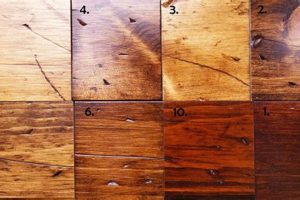
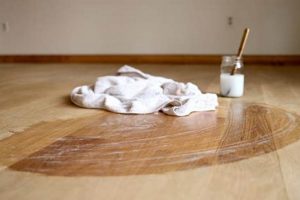
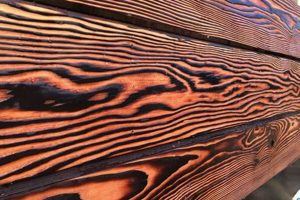
The process of removing existing coatings from wooden surfaces is a common practice in restoration and refinishing. This involves the careful application of chemical solvents or the use of mechanical techniques to eliminate layers of paint, varnish, lacquer, or other protective materials. For example, when an antique table exhibits a cracked and yellowed topcoat, the aforementioned process is often employed to prepare the wood for a fresh, aesthetically pleasing, and protective application.
Undertaking this procedure offers numerous advantages. It allows for the revealing of the original wood grain, enhancing the natural beauty of the material. Furthermore, eliminating deteriorated finishes enables proper adhesion of new coatings, ensuring longevity and protection. Historically, this practice has been crucial in preserving valuable wooden artifacts and furniture, allowing for their continued use and appreciation across generations. This method plays an important role in furniture restoration, renewing surfaces for future refinishing.
The selection of appropriate methods and materials is critical for success. Factors such as the type of existing finish, the species of wood, and environmental considerations significantly influence the chosen approach. Subsequent sections will explore various techniques, safety precautions, and best practices to ensure effective and safe implementation.
Essential Considerations for Coating Removal
Successful removal of old coatings from wooden surfaces requires careful planning and execution. The following tips offer guidance for optimal results.
Tip 1: Identify the Existing Finish. Accurately determine the type of coating present (e.g., varnish, lacquer, polyurethane). This identification dictates the appropriate removal method and chemical solutions.
Tip 2: Prioritize Safety. Work in a well-ventilated area and wear appropriate personal protective equipment, including gloves, eye protection, and a respirator. These precautions minimize exposure to potentially harmful chemicals.
Tip 3: Test a Small Area. Before applying any solution to the entire surface, test it on an inconspicuous area. This test reveals potential adverse reactions or damage to the wood.
Tip 4: Follow Product Instructions. Adhere strictly to the manufacturer’s instructions for any chemical solutions used. Deviating from these instructions can lead to ineffective removal or damage to the substrate.
Tip 5: Use the Appropriate Tools. Select tools designed for the task, such as plastic scrapers or soft-bristled brushes. Avoid abrasive tools that could scratch or gouge the wood.
Tip 6: Neutralize the Surface. After chemical removal, neutralize the wood surface according to the chemical manufacturer’s recommendations. This step ensures proper adhesion of subsequent coatings.
Tip 7: Dispose of Waste Properly. Dispose of used chemical solutions and soiled materials according to local regulations. This responsible disposal minimizes environmental impact.
By adhering to these guidelines, the removal process can be performed safely and effectively, preparing the wood surface for subsequent refinishing.
The next section details specific methodologies for achieving desired outcomes.
1. Chemical Composition

The chemical composition of coating removers directly influences their efficacy in eliminating existing finishes from wood. These removers typically contain solvents designed to dissolve or soften the coating, facilitating its removal. The selection of appropriate chemicals is crucial, as certain formulations are more effective on specific finish types, such as lacquer, varnish, or polyurethane. An incorrect chemical composition may result in incomplete removal, damage to the wood substrate, or the generation of hazardous byproducts. For example, using a remover formulated for water-based paints on a solvent-based lacquer finish will likely yield unsatisfactory results, requiring multiple applications and potentially damaging the wood.
Furthermore, the presence of additives within the chemical formulation plays a significant role. Activators enhance the solvent’s dissolving power, while inhibitors prevent corrosion or damage to the wood itself. The concentration of these components must be carefully balanced to achieve optimal performance without compromising the integrity of the substrate. A real-world application of this principle is evident in the restoration of antique furniture, where specialized removers with controlled chemical compositions are employed to protect delicate wood veneers and intricate detailing. Failure to consider these factors can lead to irreversible damage and diminish the value of the artifact.
In conclusion, a thorough understanding of chemical compositions is paramount to achieving successful coating removal from wooden surfaces. The selection of appropriate solvents, additives, and concentrations directly impacts the outcome, influencing both the efficiency of the process and the preservation of the wood’s integrity. Challenges arise from the variability in finish formulations and wood species, necessitating careful testing and informed decision-making. This understanding is fundamental to the broader theme of wood restoration and refinishing, highlighting the importance of informed application of chemical principles.
2. Wood Species

The species of wood significantly influences the process of coating removal due to variations in density, porosity, and chemical composition. Hardwoods, such as oak and maple, possess tighter grain patterns and greater density compared to softwoods like pine and cedar. This difference affects the rate at which chemical removers penetrate the wood. For instance, a strong chemical remover applied to a softwood may aggressively absorb, leading to potential swelling, discoloration, or damage to the wood fibers. Conversely, the same remover applied to a dense hardwood may require prolonged exposure to achieve adequate removal. This interaction necessitates careful consideration of the wood species when selecting the appropriate removal method and chemical formulation.
Further complicating matters is the presence of natural oils and resins in certain wood species. Woods like teak and rosewood contain oils that can impede the penetration of removers, requiring more aggressive techniques or specialized chemical solutions. In historical restoration, identifying the wood species is a critical first step before any coating removal is attempted. Incorrect identification could lead to irreversible damage, such as dissolving delicate veneers or altering the wood’s natural color. A practical example lies in the restoration of antique mahogany furniture. Improper remover selection can strip the wood of its characteristic reddish hue, diminishing its value and historical accuracy. This demonstrates the necessity of understanding the wood’s inherent properties for preserving its integrity.
In summary, the characteristics of different wood species directly impact the effectiveness and safety of coating removal procedures. Density, porosity, and the presence of natural oils all influence the rate of penetration and the potential for damage. Proper identification of the wood species, followed by the careful selection of appropriate removal methods and chemical formulations, is essential for achieving successful outcomes and preserving the material’s inherent qualities. This awareness is a fundamental aspect of wood restoration and refinishing, ensuring that the process enhances, rather than detracts from, the wood’s natural beauty and longevity.
3. Tool Selection
The selection of appropriate tools exerts a direct influence on the efficacy and safety of removing coatings from wooden surfaces. Tools serve as the physical interface between the operator, the chemical remover (if applicable), and the wood itself, dictating the precision, control, and potential for damage during the process. For example, employing a coarse abrasive pad on delicate veneer can result in irreversible scratching and loss of detail, whereas a plastic scraper designed for the task minimizes the risk of gouging. The choice, therefore, is not arbitrary but a critical component of achieving a desirable outcome. The correct implementation of tool selection plays a key role in safely and efficiently stripping finish from wood.
Consider the removal of paint from intricate wood carvings. Stiff-bristled brushes facilitate the application of chemical removers into crevices, while specialized detail scrapers allow for the precise removal of softened paint without compromising the underlying wood. Conversely, using a heat gun without proper technique and the appropriate nozzle attachment can cause scorching, warping, or even combustion of the wood. The use of improper tools leads to unsatisfactory results, increasing the time spent, and potentially causing lasting damage. These specific examples highlight the necessity of considering the task at hand, the properties of the finish being removed, and the characteristics of the wood when selecting tools.
In conclusion, the effectiveness of coating removal from wood is directly linked to the thoughtful selection of tools. The appropriate choice minimizes the risk of damage, enhances control, and improves the overall efficiency of the process. Challenges lie in the diversity of finishes, wood types, and the intricate geometries encountered in woodworking. However, a clear understanding of the function and limitations of each tool, coupled with careful technique, is essential for achieving successful and professional results. The importance of tool selection extends beyond mere convenience, playing a pivotal role in the preservation and restoration of wooden objects.
4. Safety Protocols

Adherence to established safety protocols is paramount when removing coatings from wood, given the potential for exposure to hazardous chemicals and the risk of physical injury. These protocols are designed to minimize risks and ensure the well-being of the individual performing the work, as well as to protect the surrounding environment. Neglecting these precautions can lead to severe health consequences and environmental contamination.
- Ventilation and Respiratory Protection
Proper ventilation is crucial to minimize inhalation of volatile organic compounds released during chemical stripping. Insufficient ventilation can lead to respiratory irritation, headaches, and long-term health effects. Respiratory protection, such as a properly fitted respirator with appropriate cartridges, provides a barrier against harmful vapors. Failure to ensure adequate ventilation and respiratory protection poses a direct threat to the respiratory system and overall health.
- Skin and Eye Protection
Chemical removers can cause severe skin irritation, burns, and allergic reactions. Direct contact with eyes can result in permanent damage. Wearing chemical-resistant gloves and eye protection, such as safety goggles or a face shield, prevents direct exposure. This protection is particularly important when handling concentrated removers or when performing tasks that may cause splashes or spills. Neglecting skin and eye protection can lead to immediate and long-term health complications.
- Fire Hazard Mitigation
Many chemical removers are flammable and pose a significant fire hazard if not handled properly. Working in a well-ventilated area reduces the concentration of flammable vapors. Eliminating ignition sources, such as open flames, sparks, and static electricity, is essential. Proper storage of removers in approved containers away from heat and ignition sources further minimizes the risk of fire. Failure to mitigate fire hazards can result in property damage, serious injury, or death.
- Proper Waste Disposal
Used chemical removers, contaminated rags, and other waste materials must be disposed of according to local regulations. Improper disposal can contaminate soil and water sources, posing a threat to the environment and public health. Collecting waste in sealed containers and transporting it to designated disposal facilities prevents accidental spills and environmental contamination. Adherence to proper waste disposal protocols is essential for environmental stewardship and regulatory compliance.
In conclusion, the strict adherence to safety protocols is not merely a precautionary measure but a fundamental requirement for removing coatings from wood safely and responsibly. Prioritizing ventilation, protective equipment, fire hazard mitigation, and proper waste disposal minimizes risks to individual health and the environment, ensuring a successful outcome without compromising safety.
5. Residue Removal

Residue removal is an inextricable component of effectively removing coatings from wooden surfaces. Following the application of chemical strippers or mechanical abrasion, a layer of dissolved finish, along with the chemicals used in the process, invariably remains on the wood. This residual material can inhibit the adhesion of subsequent coatings, compromise the appearance of the refinished surface, and, in some cases, continue to react with the wood, leading to long-term degradation. Complete coating removal necessitates the thorough elimination of all such residue. The success of stripping finish from wood largely depends on this subsequent cleanup.
Methods for residue removal vary depending on the nature of the coating that was removed and the type of stripping agent used. Solvents, such as mineral spirits or denatured alcohol, are frequently employed to neutralize and dissolve any remaining chemical stripper. Scrubbing with a stiff brush or using a solvent-soaked cloth helps to lift the residue from the wood’s pores. In instances where water-based strippers have been used, clean water may suffice, followed by careful drying. A failure to properly remove residue is exemplified in refinishing antique furniture; if old varnish residue remains, the new finish may bubble, peel, or develop an uneven sheen over time. Residue removal also prevents ongoing chemical reactions.
In summary, the proper execution of residue removal is essential to ensure the long-term integrity and aesthetic quality of a refinished wooden surface. It addresses the immediate problem of leftover chemicals or softened coatings, as well as future issues of improper coating adhesion or substrate degradation. Overlooking this step can lead to premature finish failure, necessitating costly and time-consuming repairs. As such, meticulous residue removal is an integral aspect of any successful coating removal project, emphasizing the importance of a comprehensive approach to wood refinishing.
6. Surface Preparation

Surface preparation is a critical antecedent to any successful coating application following the removal of old finishes from wood. It directly influences the adhesion, durability, and aesthetic quality of the new finish. Adequate preparation ensures that the wood surface is receptive to the new coating, free from contaminants, and properly textured to promote optimal bonding. Without meticulous surface preparation, even the highest-quality finish may fail prematurely, leading to costly rework and diminished results. Surface preparation is a required step during stripping finish from wood to ensure a beautiful outcome.
- Cleaning and Degreasing
Cleaning and degreasing eliminate residual dirt, oils, waxes, and other contaminants that can inhibit finish adhesion. These contaminants prevent the new coating from properly bonding with the wood, resulting in fisheyes, peeling, or uneven color. For example, on kitchen cabinets, grease buildup from cooking is a common issue. Failing to thoroughly clean and degrease these cabinets before refinishing will result in a compromised finish that is prone to early failure.
- Sanding and Smoothing
Sanding and smoothing create a uniform surface texture that enhances finish adhesion and aesthetic appeal. Sanding removes imperfections, such as scratches, dents, and raised grain, providing a smooth canvas for the new coating. The choice of sandpaper grit depends on the wood species and the desired finish. Overly aggressive sanding can damage the wood, while insufficient sanding can leave imperfections visible beneath the new finish. The creation of proper canvas is a crucial element for high-quality stripping finish from wood.
- Repairing Imperfections
Addressing imperfections, such as cracks, holes, and veneer damage, is essential for achieving a professional-quality finish. These imperfections can compromise the structural integrity of the wood and detract from the overall appearance. Wood fillers, epoxy resins, and veneer patches can be used to repair these defects, creating a seamless surface for refinishing. The proper selection and application of repair materials are critical for ensuring a durable and aesthetically pleasing repair.
- Dust Removal
Thorough dust removal is an indispensable final step in surface preparation. Sanding and other preparation processes generate significant amounts of dust that can contaminate the surface and interfere with finish adhesion. Vacuuming, wiping with tack cloths, and using compressed air are effective methods for removing dust. Failure to remove all dust particles will result in a gritty or uneven finish, undermining the quality of the entire project. Leaving dust particles on the surface is detrimental to the new finish.
These facets of surface preparation are inextricably linked to the success of any coating application following the stripping of old finishes from wood. Each step plays a crucial role in creating a receptive surface that promotes optimal adhesion, durability, and aesthetic appeal. Thorough cleaning, sanding, repairing, and dust removal are essential for achieving a professional-quality finish that will stand the test of time. By addressing these aspects diligently, one ensures that the efforts expended in stripping the old finish are rewarded with a beautiful and long-lasting result. This is what makes high-quality stripping finish from wood.
Frequently Asked Questions About Coating Removal from Wood
The following addresses common inquiries regarding the process of removing existing finishes from wooden surfaces. Understanding these answers is vital for achieving safe and satisfactory results.
Question 1: Is it always necessary to remove the existing finish before applying a new coating?
The necessity of complete finish removal depends on several factors, including the condition of the existing finish, the type of new coating being applied, and the desired aesthetic outcome. If the existing finish is peeling, cracking, or otherwise compromised, removal is generally recommended to ensure proper adhesion of the new coating. Additionally, if the new coating is incompatible with the existing finish, removal is required to prevent adverse reactions and premature failure. A sound existing finish that is compatible with the new coating may only require light sanding for adequate adhesion.
Question 2: What are the primary methods for removing coatings from wood?
The primary methods include chemical stripping, mechanical abrasion (sanding), and heat application. Chemical stripping involves the use of solvents to soften or dissolve the existing finish. Mechanical abrasion employs sandpaper or other abrasive materials to physically remove the finish. Heat application uses heat guns or other devices to soften the finish for easier removal. The choice of method depends on the type of finish, the wood species, and the desired level of control.
Question 3: What safety precautions should be taken when using chemical strippers?
Chemical strippers often contain hazardous solvents that can pose risks to health and safety. Proper safety precautions include working in a well-ventilated area, wearing chemical-resistant gloves and eye protection, and using a respirator with appropriate cartridges. Additionally, it is essential to avoid contact with skin and clothing, and to properly dispose of used strippers and contaminated materials according to local regulations.
Question 4: How does the wood species influence the selection of a removal method?
Different wood species exhibit varying levels of density, porosity, and sensitivity to chemicals and heat. Softwoods, such as pine, are more susceptible to damage from aggressive stripping methods compared to hardwoods like oak or maple. Open-grained woods may absorb chemical strippers more readily, requiring thorough residue removal. Knowledge of the wood species is critical for selecting a method that is both effective and safe.
Question 5: What is the best way to neutralize wood after using a chemical stripper?
Neutralization is essential to remove residual stripper and prepare the wood for a new finish. The appropriate neutralizing agent depends on the type of stripper used. Mineral spirits or denatured alcohol are commonly used to neutralize solvent-based strippers, while water may be sufficient for water-based strippers. The wood should be thoroughly rinsed or wiped down with the neutralizing agent, followed by careful drying to prevent moisture damage.
Question 6: What are the common signs of incomplete residue removal after stripping a finish?
Common signs include tackiness, discoloration, and the inability of new finishes to adhere properly. The presence of residue can also lead to bubbling, peeling, or uneven sheen in the new finish. In some cases, residual chemicals may continue to react with the wood, causing long-term degradation. Thorough inspection and testing are essential to ensure complete residue removal before applying a new coating.
The core message from these questions is that thorough planning, informed method selection, and strict adherence to safety protocols are necessary for successful surface refinishing.
Subsequent discussion will examine specific case studies and advanced techniques to further refine surface preparation capabilities.
Conclusion
The preceding discussion has thoroughly examined the multifaceted process of removing coatings from wooden surfaces. It is evident that successfully stripping finish from wood requires careful consideration of several interwoven factors: the composition of the remover, the specific wood species, the appropriate tools, stringent safety protocols, thorough residue removal, and meticulous surface preparation. Each element plays a critical role in ensuring not only the effective removal of the existing finish but also the long-term integrity and aesthetic quality of the refinished wood.
Given the complexities and potential hazards involved, those undertaking coating removal should prioritize diligent research, informed decision-making, and unwavering adherence to established best practices. The preservation and restoration of wooden objects represent a significant investment, and the effort expended in proper preparation directly correlates with the longevity and beauty of the final result. Only through a commitment to thoroughness and precision can individuals confidently achieve professional-quality results and safeguard the value of their wooden investments.