This technique, known traditionally as shou sugi ban, involves charring wood, typically cedar, to create a distinctive textured surface. The process enhances the material’s natural grain while imparting a darkened, often iridescent, aesthetic. One common application involves exterior siding, where the modified wood offers enhanced resistance to fire, pests, and decay.
The practice boasts a rich history rooted in Japanese architecture and craftsmanship. Its benefits extend beyond mere visual appeal. The charring process creates a protective layer, significantly extending the wood’s lifespan and reducing maintenance requirements. This method provides a sustainable alternative to chemical treatments, aligning with environmentally conscious building practices. The resulting surface texture also adds a unique tactile dimension to architectural designs.
Subsequent sections will delve into the specific steps involved in the charring process, explore various application techniques for both interior and exterior design, and consider modern adaptations of this ancient craft. The following discussion will also address the selection of appropriate wood species and provide guidance on achieving desired aesthetic outcomes.
Key Considerations for Charred Wood Applications
Effective implementation of this technique requires careful planning and execution. The following guidelines offer practical advice for achieving optimal results.
Tip 1: Wood Species Selection: Cedar remains the traditional choice due to its natural properties and aesthetic appeal. However, other species such as cypress or pine can also be utilized, each offering unique characteristics and grain patterns upon charring. Perform tests on sample pieces before committing to a specific wood type.
Tip 2: Controlled Charring Process: Consistent heat application is crucial. Avoid over-charring, which can weaken the wood structure. Use a controlled heat source, such as a propane torch, and maintain a uniform distance and speed during the charring process. Visual monitoring is essential.
Tip 3: Cooling and Cleaning: After charring, allow the wood to cool completely before proceeding. Thoroughly brush the surface to remove loose char and ash. This step reveals the underlying grain and enhances the final appearance. A wire brush is typically recommended.
Tip 4: Sealing and Finishing: Applying a sealant or finish is recommended to protect the charred surface and enhance its longevity. Choose a sealant specifically designed for exterior wood applications and consider the desired level of gloss or matte finish. Test the sealant on a small area first to ensure compatibility.
Tip 5: Installation Considerations: Proper installation techniques are critical for ensuring the durability and performance of charred wood siding or cladding. Employ appropriate fastening methods and ensure adequate ventilation to prevent moisture buildup behind the wood. Consult local building codes for specific requirements.
Tip 6: Safety Precautions: Charring wood generates smoke and potentially hazardous fumes. Always work in a well-ventilated area and wear appropriate personal protective equipment, including a respirator, gloves, and eye protection. Have a fire extinguisher readily available.
Achieving successful outcomes with this technique hinges on attention to detail and adherence to established best practices. Careful wood selection, precise charring, and appropriate finishing are essential elements for creating durable and aesthetically pleasing results.
The subsequent section will delve into contemporary applications of charred wood in architectural and design projects, showcasing innovative uses and creative design solutions.
1. Preservation

The connection between preservation and the Japanese burned wood finish, known as shou sugi ban, is fundamental. The intentional charring of the wood surface directly contributes to the material’s increased resistance to decay, insect infestation, and fire. This protective effect arises from the carbonized layer formed during the burning process, which acts as a barrier against moisture and microorganisms. The result is a significant extension of the wood’s lifespan, reducing the need for frequent replacements and lowering long-term maintenance costs. A prime example of this can be observed in traditional Japanese homes and structures that have utilized this technique for centuries, showcasing remarkable longevity compared to untreated wood exposed to the elements. This preservation aspect is not merely a secondary benefit, but an integral component that has historically driven the adoption of shou sugi ban as a sustainable building practice.
The preservative properties of charred wood also have practical significance in modern applications. In exterior cladding, the charred surface prevents water from penetrating the wood fibers, thus inhibiting rot and fungal growth. Furthermore, the carbonized layer is less susceptible to termite and other insect damage. This inherent resistance reduces the reliance on chemical treatments, making it an environmentally responsible choice. Moreover, the fire-retardant qualities of the charred surface provide an additional layer of protection, potentially slowing the spread of flames in the event of a fire. Examples of contemporary buildings employing shou sugi ban demonstrate its functional benefits in diverse climates and environmental conditions, highlighting its suitability for both residential and commercial construction.
In summary, the preservation aspect of shou sugi ban is a critical factor in its enduring appeal. The charring process directly enhances the wood’s durability and resistance to degradation, resulting in a longer service life and reduced environmental impact. While challenges such as achieving consistent charring and proper installation techniques remain, the fundamental connection between charring and wood preservation underscores the technique’s practical value and its potential for wider adoption in sustainable building practices. This connection is crucial for maintaining the historical integrity of traditional structures while promoting innovative applications in contemporary architecture.
2. Aesthetics

The aesthetic dimension of the Japanese burned wood finish, or shou sugi ban, is paramount to its enduring popularity and contemporary resurgence. The visual transformation imparted by the charring process goes beyond mere surface treatment; it profoundly alters the wood’s character and imbues it with unique textural and chromatic qualities.
- Surface Texture and Relief
The burning process selectively erodes the softer grain of the wood, leaving the harder grain more prominent, creating a pronounced tactile surface. The depth and intensity of this relief vary based on wood species and charring duration, offering designers a wide range of textural possibilities. The interplay of light and shadow across this uneven surface enhances visual interest and adds a layer of complexity not found in conventionally finished wood. For example, heavily charred cedar exhibits a deep, almost sculptural quality that transforms a flat surface into a dynamic and engaging element.
- Color Transformation and Depth
The application of fire transforms the wood’s natural color, resulting in a spectrum of hues ranging from deep charcoal black to subtle shades of brown and silver, depending on the intensity and duration of the charring. This range allows for controlled manipulation of the final color palette. The depth of color created by the charring process is also significant. Unlike stains or paints that merely coat the surface, charring penetrates the wood, creating a rich, multi-layered coloration that exhibits a distinctive depth and luminosity. This inherent depth enhances the visual richness and makes the wood appear more substantial and enduring.
- Enhancement of Natural Grain Patterns
Charring accentuates the inherent grain patterns of the wood. The burning process highlights the contrast between the earlywood and latewood, effectively etching the grain into sharper relief. This effect transforms the wood grain from a subtle characteristic into a dominant visual feature. The enhanced grain patterns, combined with the textured surface, create a distinctive aesthetic that celebrates the natural beauty of the wood while imparting a sense of age and refinement. Examples include using it to highlight the grain on wood sidings or furniture.
- Juxtaposition of Tradition and Modernity
The aesthetic appeal also lies in its inherent tension between tradition and modernity. While the technique itself is centuries old, the resulting aesthetic can be surprisingly contemporary. The charred surface, with its darkened tones and pronounced texture, pairs well with minimalist designs and modern architectural styles. This juxtaposition allows for a seamless integration of traditional craftsmanship with cutting-edge design principles. The surface can be brushed and sealed to varying degrees, influencing the amount of shine and darkness of the wood.
Ultimately, the aesthetic qualities of shou sugi ban are a result of the deliberate and controlled manipulation of fire to transform the wood. The interplay of texture, color, and enhanced grain patterns creates a visually compelling and tactile surface that transcends mere decoration. The method’s capacity to harmonize tradition and modernity further contributes to its widespread appeal, making it a versatile and enduring aesthetic choice for a wide range of design applications.
3. Technique

The successful application of shou sugi ban relies heavily on a precise and controlled technique. Variations in the execution of this technique directly influence the wood’s final appearance, durability, and overall performance. Mastery of the method requires understanding each stage of the process and the factors that can affect the outcome.
- Wood Preparation and Selection
The initial phase involves selecting the appropriate wood species and ensuring proper preparation. While cedar is traditional, other species can be used, but wood should be dried properly. The moisture content of the wood significantly affects the charring process; excessively wet wood will resist burning, while overly dry wood may ignite too quickly. The surface should be clean and free of any coatings or treatments that could interfere with the charring process. Improper wood preparation can lead to uneven charring, compromising the aesthetic result and protective qualities. For example, using wood with a high resin content can result in uncontrolled flare-ups and an inconsistent surface.
- Controlled Charring Process
The core of the technique lies in the controlled application of heat. Propane torches are commonly used to char the wood surface, maintaining a consistent distance and speed is critical. The goal is to create a uniform layer of char without excessively burning or damaging the wood structure. Over-charring weakens the wood and can result in cracking or crumbling, while under-charring provides insufficient protection and aesthetic effect. The charring process requires constant visual monitoring to adjust the flame intensity and application speed to achieve the desired level of carbonization. Some craftsman use open fire, adding additional control for a more artisan approach to the craft. Skilled practitioners develop a keen eye for recognizing the optimal point at which to stop charring, based on the wood’s color, texture, and reaction to the flame.
- Cooling and Cleaning Procedures
After charring, the wood must be allowed to cool completely before any further processing. This prevents continued burning and warping. Once cooled, the charred surface is cleaned to remove loose ash and debris. This is typically done with a wire brush, which also helps to accentuate the wood grain. The cleaning process reveals the charred surface’s texture and color, allowing the craftsman to assess the results of the charring process. Inadequate cleaning can leave a residue that detracts from the final appearance and may affect the adhesion of any subsequent sealants or finishes. Different brushing styles are employed to achieve varying textures.
- Sealing and Finishing Applications
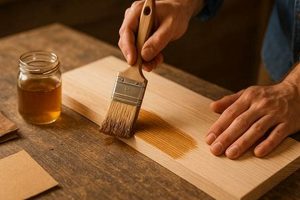
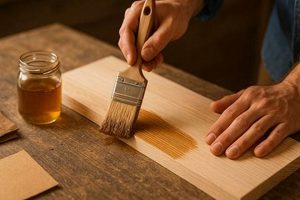
The final stage involves applying a sealant or finish to protect the charred surface and enhance its durability. The choice of sealant depends on the intended application and desired aesthetic. For exterior applications, penetrating oil-based sealants are often preferred to provide water resistance and UV protection. For interior applications, a wider range of finishes can be used, including waxes, varnishes, and lacquers. The sealant should be applied evenly and allowed to cure properly to ensure optimal protection. Skipping this step can result in the charred surface deteriorating over time, losing its aesthetic appeal and protective qualities.
The effectiveness of shou sugi ban is directly tied to the skill and precision with which these techniques are executed. Each step, from wood preparation to final sealing, plays a critical role in determining the quality and longevity of the finished product. While the basic principles of the technique are relatively straightforward, achieving consistently excellent results requires experience, attention to detail, and a thorough understanding of the materials and processes involved. For example, failure to properly seal the wood can significantly reduce its lifespan and diminish its resistance to weathering.
4. Sustainability

The connection between sustainability and the Japanese burned wood finish, shou sugi ban, stems from the technique’s inherent resource efficiency and environmental responsibility. Charring wood, specifically cedar, enhances its durability, extending its lifespan and reducing the need for frequent replacements. This longevity translates directly into decreased demand for new timber, conserving forest resources and mitigating deforestation. The practice serves as an alternative to chemical preservatives, which often contain harmful substances that leach into the environment and pose risks to human health. The reduced reliance on these chemicals positions shou sugi ban as a more ecologically sound approach to wood preservation. Traditional applications in Japanese architecture, where structures have endured for centuries, exemplify the long-term sustainability benefits of this method. This technique can contribute to lower carbon footprints in building projects.
The selection of sustainably harvested wood further amplifies the ecological advantages of shou sugi ban. Using timber sourced from responsibly managed forests ensures that wood harvesting does not contribute to deforestation, habitat loss, or biodiversity decline. Combining sustainably sourced timber with the shou sugi ban technique results in a building material with a minimal environmental impact. Furthermore, the charring process can potentially utilize wood waste or byproducts from other forestry operations, reducing the amount of biomass that would otherwise be discarded or burned inefficiently. Modern adaptations of shou sugi ban also incorporate innovative techniques to minimize smoke emissions during the charring process, further reducing its environmental footprint.
In summary, the sustainable nature of shou sugi ban arises from its ability to extend wood lifespan, reduce reliance on chemical treatments, and potentially utilize sustainably harvested timber and wood waste. The technique aligns with principles of resource conservation, pollution prevention, and long-term ecological stewardship. While challenges related to scaling up production and ensuring consistent quality remain, the fundamental link between shou sugi ban and sustainability underscores its relevance in contemporary efforts to promote environmentally responsible building practices. Its growing adoption in modern architecture reflects a broader trend towards prioritizing sustainable materials and construction methods.
5. Durability

The enhanced durability imparted by the Japanese burned wood finish, or shou sugi ban, represents a primary benefit of this traditional technique. The process of charring the wood surface alters its physical and chemical properties, resulting in increased resistance to various forms of degradation. This section will examine specific facets of this enhanced durability.
- Fire Resistance
The charred layer created by shou sugi ban acts as a natural fire retardant. The carbonized surface is less susceptible to ignition and slows the spread of flames. This effect is due to the reduced availability of combustible material on the surface. While it does not render the wood completely fireproof, it significantly increases its resistance to ignition and slows the rate at which the wood burns. This can provide crucial extra time in the event of a fire. For example, using this in dense urban areas can prevent the spread of fire in a faster manner.
- Resistance to Decay and Rot
The charring process creates a surface that is less susceptible to moisture absorption, a primary cause of wood decay and rot. The carbonized layer acts as a barrier, preventing water from penetrating the wood fibers and creating an environment unsuitable for fungal growth. This resistance to moisture and decay extends the lifespan of the wood, particularly in exterior applications where exposure to the elements is constant. Examples show a higher degree of resistance in humid and wet climates.
- Pest Deterrence
The altered surface chemistry resulting from the charring process deters many common wood-boring insects and pests. The carbonized layer is less palatable and more difficult to penetrate, discouraging insects from attacking the wood. This natural pest resistance reduces the need for chemical treatments, offering a more environmentally friendly approach to wood preservation. Using a torch can make it hard for termites and pests to settle in.
- Weathering Resistance
The charred surface provides enhanced resistance to weathering elements such as sunlight, rain, and wind. The carbonized layer acts as a UV protectant, shielding the underlying wood from the damaging effects of ultraviolet radiation, which can cause discoloration, cracking, and degradation. The textured surface also provides some protection against abrasion from wind and rain. This enhanced weathering resistance helps maintain the aesthetic appearance and structural integrity of the wood over time. Examples of this can be found in Japan structures, where the wood lasted 100 years because it was charred.
These facets of enhanced durability contribute to the overall longevity and performance of wood treated with shou sugi ban. The increased resistance to fire, decay, pests, and weathering makes it a viable and sustainable building material. While proper application and maintenance are essential to maximize these benefits, the fundamental enhancement of durability remains a key advantage of this traditional technique. This increased durability reduces the lifecycle costs of the wood, making it a cost-effective option.
Frequently Asked Questions About Japanese Burned Wood Finish
The following questions address common inquiries and misconceptions surrounding the Japanese burned wood finish technique, known as shou sugi ban. The aim is to provide clarity and accurate information.
Question 1: Is the Japanese burned wood finish truly fireproof?
The charring process enhances fire resistance but does not render wood completely fireproof. The carbonized layer slows ignition and flame spread, providing a degree of protection.
Question 2: Does this charred wood finish attract insects?
The altered surface created through charring deters many common wood-boring insects, acting as a natural repellent. The charred layer is less palatable and harder to penetrate.
Question 3: Does Japanese burned wood finish require regular maintenance?
While it is more durable than untreated wood, periodic maintenance is still recommended. Applying a sealant or finish can extend its lifespan and preserve its aesthetic appeal.
Question 4: Is the charred wood finish environmentally friendly?
The technique can be sustainable if responsibly sourced wood is used and the charring process is managed to minimize emissions. It reduces reliance on chemical preservatives.
Question 5: What wood types are suitable for the charred wood finish?
Cedar is the traditional choice, but other species like cypress and pine can also be used. Wood selection impacts the final aesthetic and performance.
Question 6: Can this method be applied to interior wood surfaces?
Yes, the technique can be adapted for interior applications. However, precautions should be taken to control smoke and ensure proper ventilation during the charring process.
In summary, Japanese burned wood finish offers increased durability, pest resistance, and fire resistance, making it a viable and sustainable option for various applications. The benefits need proper execution and maintenance.
The following sections will address the cost comparison of charred wood finish versus other traditional finishing techniques.
Japanese Burned Wood Finish
This exploration has detailed the essence of the Japanese burned wood finish, shou sugi ban, encompassing its creation, diverse applications, and the reasons behind its persistent appeal. The analysis covered preservation aspects, aesthetic qualities, technical execution, sustainability considerations, and the inherent durability conferred by the process. These elements combined to reveal a technique deeply rooted in tradition yet dynamically adaptable to modern architectural and design contexts. The FAQ further addressed common misconceptions and provided clarifications to ensure a comprehensive understanding of this unique wood treatment method.
As environmental consciousness grows and the demand for durable, aesthetically pleasing materials increases, the significance of shou sugi ban is poised to expand. Its proven longevity, fire resistance, and sustainable nature position it as a relevant and responsible choice for discerning builders and designers. Continued research and innovation in charring techniques, sealant technologies, and wood sourcing practices promise to further enhance the performance and environmental profile of this ancient craft. The continued adoption of this technique will likely contribute to a more sustainable and aesthetically rich built environment.
![Buy Premium Walnut Finished Wood [Deals Inside] | Best Final Touch: Elevate Your Projects with Professional Finishing](https://bestfinaltouch.com/wp-content/uploads/2026/05/th-405-300x200.jpg "Buy Premium Walnut Finished Wood [Deals Inside] Best Final Touch: Elevate Your Projects with Professional Finishing")