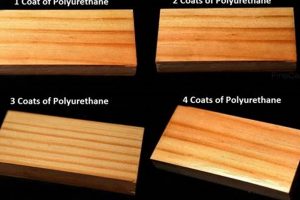
A coating or treatment applied to birch wood, typically furniture or cabinetry, enhances its aesthetic appeal and protects the underlying material. This process often involves sanding the raw wood surface smooth, applying a stain or sealant to highlight the grain, and then applying a topcoat for durability. For example, a clear coat can be used to preserve the light color of the wood, while a darker stain can be applied to give it a richer tone.
The application of a protective layer to this type of wood improves its resistance to scratches, moisture, and UV damage. This prolongs the lifespan of the object and reduces the need for frequent maintenance. Historically, various oils and waxes were used for this purpose; modern methods employ synthetic varnishes, lacquers, and polyurethanes which provide superior protection and a wider range of aesthetic options. The practice contributes significantly to the value and longevity of items constructed from this wood.
Understanding the properties and preparation of this specific woodworking material is essential for achieving a high-quality, long-lasting result. The subsequent sections will delve into the different types of coating available, the proper application techniques, and the factors to consider when selecting the appropriate method for a given project. This knowledge is crucial for both professional woodworkers and enthusiasts alike.
Finishing Birch
Achieving a flawless and durable surface on birch wood requires careful attention to detail. The following tips provide practical guidance for enhancing the aesthetic and protective qualities of this material.
Tip 1: Sand Thoroughly: Proper surface preparation is paramount. Sand birch wood progressively, starting with a coarser grit (e.g., 120-grit) and finishing with a finer grit (e.g., 220-grit). This ensures a smooth, even surface for optimal adhesion of subsequent coatings.
Tip 2: Use a Sealer or Conditioner: Birch can be prone to blotching, especially when stained. Applying a wood sealer or conditioner prior to staining helps to create a more uniform absorption rate, resulting in a more even color.
Tip 3: Choose the Right Stain: Select a stain formulated for hardwoods. Test the stain on a scrap piece of birch to ensure the desired color and penetration are achieved before applying it to the entire project.
Tip 4: Apply Thin Coats: Multiple thin coats of varnish, lacquer, or polyurethane are preferable to a single thick coat. This minimizes the risk of drips, runs, and uneven drying, and allows for better control over the final appearance.
Tip 5: Sand Between Coats: Lightly sand between coats of the protective layer with fine-grit sandpaper (e.g., 320-grit) to remove any imperfections and promote better adhesion of subsequent coats.
Tip 6: Control Environmental Conditions: Apply the coating in a well-ventilated area with minimal dust and consistent temperature and humidity. These conditions affect drying time and overall quality of the the applied layer.
Tip 7: Consider Water-Based Options: Water-based varnishes and polyurethanes offer lower VOC emissions and easier cleanup compared to oil-based alternatives. They also tend to yellow less over time, preserving the natural color of birch.
By adhering to these guidelines, one can ensure a professionally completed coating of birch wood, yielding a beautiful and durable surface. The choice of specific products and techniques should be tailored to the desired aesthetic and functional requirements of the project.
The subsequent section will examine various protective coatings and their specific applications, ensuring a comprehensive understanding of the process.
1. Surface preparation

Effective surface preparation is paramount to a successful coating outcome on birch wood. This initial stage significantly impacts the adhesion, appearance, and longevity of any subsequently applied layers.
- Sanding and Smoothing
Sanding removes imperfections, such as scratches, dents, and raised grain, creating a uniform base. Progressively finer grits are essential for achieving a smooth surface, optimizing the adhesion of stains, sealers, and protective coatings. Inadequate sanding leads to uneven absorption and visible flaws beneath the final layer.
- Cleaning and Degreasing
The removal of dust, oils, and contaminants ensures proper bonding of the coating to the wood. Residual substances can impede adhesion, causing peeling, bubbling, or discoloration over time. A clean surface is critical for achieving a consistent and durable outcome.
- Addressing Defects and Repairs
Prior to the coating process, any defects, such as knots, cracks, or voids, must be addressed with appropriate wood fillers or patching compounds. Failure to do so will result in an aesthetically compromised appearance and may compromise the structural integrity of the surface.
- Moisture Content Management
Controlling the moisture content of the birch wood is crucial. Excessive moisture can lead to dimensional instability, resulting in cracking or warping of the coating. Allowing the wood to acclimate to the environment in which it will be coated minimizes these risks.
These preparatory steps are not merely preliminary; they are integral to achieving a professional and enduring layer on birch wood. Neglecting these aspects will invariably compromise the final result, regardless of the quality of materials used thereafter. Comprehensive surface preparation provides a solid foundation for enhancing the inherent beauty and durability of birch.
2. Sealer application

The application of a sealer is a critical step in achieving a high-quality coating on birch wood. Sealers prepare the surface for subsequent layers, enhancing their performance and the overall aesthetic. This stage directly influences the uniformity, adhesion, and longevity of the final product.
- Minimizing Blotching
Birch wood exhibits varying densities across its surface, leading to uneven stain absorption, known as blotching. Sealers create a uniform barrier, controlling the rate at which stains penetrate the wood. This ensures a consistent and even color distribution, preventing the undesirable mottled appearance often associated with improperly prepared birch.
- Improving Adhesion
Sealants improve the mechanical bond between the wood and any subsequent layers. Sealers create a uniform surface that promotes the proper adhesion of stains, varnishes, and topcoats. Improved adhesion reduces the likelihood of peeling, chipping, or cracking, ensuring a durable and long-lasting product.
- Preventing Grain Raising
Water-based stains and finishes can cause the grain of birch wood to raise, resulting in a rough surface. Sealers mitigate this effect by partially sealing the wood fibers, preventing excessive moisture absorption. This reduces the need for extensive sanding between coats and contributes to a smoother final layer.
- Enhancing Color Depth
Certain sealers can enhance the color and clarity of the selected stain. By creating a reflective base, they allow the color to appear richer and more vibrant. This can be particularly beneficial when aiming for a deep, lustrous appearance on birch surfaces.
The strategic application of sealers fundamentally alters the properties of the birch surface, optimizing it for subsequent treatments. A properly sealed surface contributes directly to the overall quality and durability, making it an indispensable component in achieving a professional and aesthetically pleasing coating on this type of wood.
3. Stain selection

Stain selection is a critical determinant in achieving the desired aesthetic outcome when a wood coating is applied to birch. The inherent light color and tight grain of birch wood provide a neutral canvas, rendering the final color highly dependent on the chosen stain. Improper stain selection can result in an undesirable or uneven color distribution, negatively impacting the overall appearance. For instance, a dark, heavily pigmented stain applied to birch without proper preparation may accentuate grain inconsistencies, leading to a blotchy effect. Conversely, a lightly tinted stain may fail to adequately enhance the wood’s natural beauty, resulting in a washed-out appearance. The practical significance of understanding this relationship lies in the ability to predict and control the final color expression of birch wood.
Consider the specific requirements of the project when selecting a stain. For modern, minimalist designs, a clear coat or a light-toned stain may be appropriate to preserve the wood’s natural hue. In contrast, traditional or rustic applications might benefit from a richer, darker stain to emulate the appearance of aged or more valuable wood species. Experimentation on sample pieces of birch is essential before committing to a particular stain. This allows for assessing color saturation, penetration, and the overall aesthetic effect on the specific piece of wood being used. Furthermore, understanding the chemical composition of different stains and their compatibility with birch is crucial. Oil-based stains tend to penetrate deeper, while water-based stains offer lower VOC emissions and may be preferable in certain environments.
In conclusion, stain selection is inextricably linked to the success of coating birch wood. A thorough understanding of the wood’s properties, the characteristics of various stains, and the desired aesthetic goals is essential for achieving a professional and visually appealing result. Challenges may arise from variations in birch wood grain patterns and density, necessitating careful experimentation and potentially the use of pre-stain conditioners. Ultimately, informed stain selection contributes significantly to the overall quality and value of products utilizing a coating on birch.
4. Coat thickness
Coat thickness is a crucial determinant of the final appearance, durability, and protective qualities achieved when coating birch wood. Insufficient thickness compromises protection against moisture, scratches, and UV damage, rendering the coating functionally inadequate. Excessive thickness, conversely, can lead to aesthetic issues such as runs, drips, or an uneven surface texture. The optimal coat thickness represents a balance, providing adequate protection without compromising the aesthetic appeal of the birch finish. For example, a thin coat of polyurethane on a birch tabletop may quickly wear through under normal use, while a thick coat may obscure the wood grain and create an artificial appearance. Achieving the correct thickness is thus essential for maximizing the benefits of the coating process.
Different coating materials necessitate varying thickness ranges to achieve their intended effects. Lacquers, typically applied in thin coats, build up to achieve the desired protection and sheen. Polyurethanes, known for their durability, can tolerate slightly thicker applications. The correct coat thickness is contingent not only on the material used but also on the method of application. Spray application allows for more uniform and controlled coat thickness compared to brush application. Moreover, the characteristics of the birch wood itself, such as its grain pattern and porosity, can influence the ideal thickness. Denser birch wood might require slightly thinner applications to prevent pooling or uneven absorption.
In summary, coat thickness directly affects the performance and visual characteristics of any coating applied to birch wood. Careful consideration of the coating material, application technique, and wood properties is essential to achieving the optimal balance. Correct application minimizes the risk of premature failure, maximizes the protective qualities of the coating, and enhances the natural beauty of the birch. This understanding is vital for both professional woodworkers and DIY enthusiasts seeking to achieve high-quality, long-lasting finishes on birch.
5. Sanding technique
Sanding technique is an inextricable component of successful surface coating of birch wood. The quality of the sanded surface directly influences the adhesion, uniformity, and appearance of any subsequent coating layers. Inadequate sanding results in visible imperfections, compromised adhesion, and a diminished aesthetic outcome. Conversely, meticulous sanding provides a smooth, uniform substrate, enabling the coating to bond effectively and exhibit its intended characteristics. As an example, failure to remove scratches or milling marks through proper sanding will result in these imperfections being magnified by the coating, detracting from the overall visual quality. The importance of appropriate sanding technique cannot be overstated in the context of achieving a professional and durable finish on birch.
Specific sanding strategies are required to address the unique characteristics of birch wood. Birch, being a closed-grain hardwood, often requires a multi-step sanding process using progressively finer grits. Starting with coarser grits (e.g., 120-grit) to remove imperfections and level the surface, followed by finer grits (e.g., 220-grit or higher) to refine the surface and minimize scratching. The use of sanding blocks or power sanders with appropriate techniques helps to maintain a flat, even surface and prevents the creation of swirl marks. A final hand-sanding step, often with the grain, can further enhance smoothness and prepare the wood for coating. Furthermore, the sanding process should include careful attention to edges and corners to ensure a consistent and uniform surface profile.
In summary, sanding technique is not merely a preliminary step but an integral element of achieving a high-quality and lasting application on birch wood. A thorough understanding of proper sanding methods, grit progressions, and surface preparation techniques is essential for both professional woodworkers and DIY enthusiasts. Challenges may include variations in wood density and grain direction, necessitating adaptive sanding approaches. However, the investment in time and effort to execute effective sanding techniques yields significant dividends in the final appearance, durability, and overall value of any item utilizing coated birch wood.
6. Environmental control

Environmental control plays a crucial, often understated, role in achieving a high-quality coating of birch wood. Ambient conditions, specifically temperature, humidity, and air quality, directly influence the application, drying, and curing processes of varnishes, lacquers, and other protective layers. Fluctuations outside optimal ranges can lead to a range of defects, including blistering, cracking, and improper adhesion. For example, high humidity levels can inhibit the evaporation of solvents from coatings, leading to extended drying times and potentially causing a cloudy or uneven finish. In contrast, excessively dry conditions may cause rapid evaporation, resulting in poor flow and brush marks. Understanding and managing these environmental factors is therefore essential for successful surface treatment.
Practical application of environmental control principles in woodworking involves several key measures. Maintaining a consistent temperature within a specified range, typically between 65F and 75F (18C to 24C), promotes uniform drying and curing. Monitoring and adjusting humidity levels to fall within the recommended range for the specific coating being used prevents moisture-related defects. Ensuring adequate ventilation, while minimizing dust and airborne contaminants, creates an optimal environment for application and curing. Professional finishing shops often employ climate-controlled spray booths to achieve these conditions. However, even in smaller-scale operations, careful monitoring and the use of dehumidifiers or humidifiers can significantly improve the quality of the coating.
In conclusion, environmental control is an indispensable component of any successful coating of birch wood. Temperature, humidity, and air quality exert significant influence over the properties and performance of surface treatments. While achieving perfect environmental control may pose challenges in certain settings, diligent monitoring and proactive adjustments are essential for minimizing defects and maximizing the longevity and aesthetic appeal of the surface treatments. Failing to address these factors can compromise the quality and durability of the result, regardless of the skill of the applicator or the quality of the materials employed.
7. Water-based options

Water-based coating systems represent a significant alternative to traditional solvent-based products for coating birch wood. Their adoption is driven by regulatory pressures, environmental concerns, and advancements in coating technology. The characteristics and performance of these options warrant careful consideration in the context of achieving durable and aesthetically pleasing layer on this wood.
- Reduced Volatile Organic Compounds (VOCs)
Water-based options inherently contain significantly lower levels of VOCs compared to their solvent-based counterparts. This reduction minimizes air pollution during application and drying, contributing to a healthier work environment and compliance with increasingly stringent environmental regulations. Lower VOC content translates to reduced health risks for applicators and end-users. An example is the use of water-based polyurethanes in furniture manufacturing to meet indoor air quality standards.
- Lower Odor and Easier Cleanup
These coating systems exhibit substantially reduced odor, improving the working conditions for those applying the layer. Furthermore, cleanup is simplified, requiring only water and soap, rather than harsh solvents. This ease of cleanup translates to reduced labor costs and disposal requirements. This is particularly advantageous in environments where solvent odors are problematic, such as residential settings.
- Non-Yellowing Characteristics
Many traditional solvent-based varnishes and lacquers tend to yellow over time, altering the original color of the wood. Water-based options typically exhibit excellent color stability and resistance to yellowing, preserving the natural appearance of birch wood. This feature is particularly important when aiming to maintain the light, natural tone of birch, as it prevents the ambering effect common with traditional finishes.
- Durability and Performance Considerations
While early water-based coatings were often perceived as less durable than solvent-based options, advancements in resin technology have significantly improved their performance. Modern water-based varnishes and polyurethanes offer comparable scratch resistance, water resistance, and overall durability. However, proper surface preparation and application techniques remain critical to achieving optimal performance. Furthermore, specific formulations should be carefully selected based on the intended use and exposure conditions.
The integration of water-based coatings into birch finishing practices represents a multifaceted decision, balancing environmental responsibility, user health, and performance requirements. While some applications may still favor traditional solvent-based systems due to specific performance needs, the ongoing advancements in water-based technology continue to expand their suitability and adoption in a wide range of contexts. The careful selection and application of these options remain critical for maximizing their benefits and achieving lasting, aesthetically pleasing results on birch wood.
Frequently Asked Questions About Coating Birch
This section addresses common inquiries and misconceptions regarding the surface coating of birch wood. The information provided aims to offer clarity and guidance for achieving optimal results.
Question 1: Is surface coating necessary for birch wood?
While birch wood possesses inherent aesthetic qualities, coating is essential for protection against moisture, scratches, and UV damage, thereby extending its lifespan and preserving its appearance.
Question 2: What is the best type of surface layer for birch?
The optimal surface treatment depends on the intended use and desired aesthetic. Polyurethane offers excellent durability, while lacquer provides a smoother, more refined finish. Water-based options are favored for their low VOC content and ease of cleanup.
Question 3: How can blotching be prevented when staining birch?
Blotching, or uneven stain absorption, can be minimized by applying a wood sealer or conditioner prior to staining. This creates a more uniform surface, promoting even penetration of the stain.
Question 4: What sanding grit is recommended for preparing birch for coating?
A multi-step sanding process is recommended, starting with a coarser grit (e.g., 120-grit) to remove imperfections, followed by progressively finer grits (e.g., 220-grit or higher) to refine the surface.
Question 5: How does humidity affect the coating process?
High humidity can inhibit the evaporation of solvents from coatings, leading to extended drying times and potential defects. Maintaining a controlled humidity level is crucial for achieving a smooth, even finish.
Question 6: Are water-based coating systems as durable as solvent-based systems?
Modern water-based coatings offer comparable durability to solvent-based systems. However, proper surface preparation and application techniques are essential to achieving optimal performance.
In summary, the successful application of a protective layer to birch wood requires careful attention to surface preparation, material selection, and environmental control. Adherence to best practices will ensure a durable and aesthetically pleasing outcome.
The following section will delve into the troubleshooting of common problems encountered during the coating process, providing practical solutions for overcoming these challenges.
Conclusion
This exploration has thoroughly examined the multifaceted process of applying a surface coating to birch wood. Key aspects, including surface preparation, sealer application, stain selection, coat thickness, sanding technique, environmental control, and the consideration of water-based options, have been detailed. The impact of each element on the aesthetic outcome, durability, and longevity of the finished surface has been emphasized. The nuances of achieving a professional result, minimizing defects, and maximizing the inherent qualities of the wood have been addressed. “Finish birch,” therefore, is not a singular action, but a comprehensive undertaking requiring knowledge and careful execution.
The effective coating of birch represents a commitment to both preserving and enhancing a valuable material. Continued adherence to established best practices and a willingness to adapt to emerging technologies will ensure the enduring quality and beauty of items employing birch wood. The informed application of coating techniques provides not only aesthetic value, but also functional longevity, solidifying the importance of this process in woodworking and related industries.
![Get Flawless: Smashbox Photo Finish Smooth [Primer] | Best Final Touch: Elevate Your Projects with Professional Finishing](https://bestfinaltouch.com/wp-content/uploads/2026/05/th-503-300x200.jpg "Get Flawless: Smashbox Photo Finish Smooth [Primer] Best Final Touch: Elevate Your Projects with Professional Finishing")