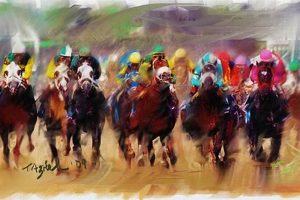
These coatings offer a vibrant, reflective surface achieved through a high concentration of resin particles that level smoothly during drying. The result is a durable layer exhibiting significant light reflection, making colors appear richer and more intense. As an example, a landscape painting using these materials can capture the shimmering effect of sunlight on water or the sheen of polished leaves.
The adoption of these mediums provides advantages in both aesthetic appeal and functional performance. Historically, artists and craftsmen have sought methods to enhance the luminosity and resilience of their work. This type of paint offers both, contributing to artwork that is visually striking and resistant to wear, cleaning, and environmental factors. Its use extends beyond traditional art applications to include decorative projects requiring a resilient, high-shine surface.
This detailed analysis will further examine the properties, applications, and techniques associated with achieving optimal results with these reflective coatings. The exploration will cover surface preparation, application methods, and strategies for preserving the long-term integrity and appearance of surfaces treated with such a product.
Tips for Optimal Application of High-Sheen Acrylic Coatings
Achieving a flawless, reflective surface with these types of coatings requires careful attention to detail throughout the application process. The following tips will help ensure a professional and durable result.
Tip 1: Surface Preparation is Paramount: Prior to application, the surface must be meticulously cleaned and free of dust, grease, and any loose particles. A properly prepared surface ensures optimal adhesion and prevents imperfections from being visible in the final finish. Sanding may be necessary to create a smooth, even substrate.
Tip 2: Employ Multiple Thin Coats: Applying several thin coats, rather than one thick coat, is crucial to avoid drips, runs, and uneven drying. Allow each coat to dry completely before applying the next. This technique promotes uniform leveling and reduces the likelihood of surface imperfections.
Tip 3: Select the Appropriate Brush or Sprayer: The choice of applicator depends on the size and complexity of the project. High-quality synthetic brushes are generally recommended for achieving a smooth, even application. For larger areas, a spray gun may provide a more consistent and efficient finish. Ensure the equipment is clean and properly maintained.
Tip 4: Control Environmental Conditions: Temperature and humidity can significantly impact the drying time and overall finish. Avoid applying this type of coating in excessively hot, cold, or humid environments. Ideal conditions typically range between 65-75F (18-24C) with moderate humidity.
Tip 5: Consider Using a Self-Leveling Medium: Incorporating a self-leveling medium can further enhance the smoothness and reflectivity of the final finish. These mediums reduce brushstrokes and create a more uniform surface. Follow the manufacturer’s instructions for proper mixing ratios and application techniques.
Tip 6: Avoid Overbrushing: Excessive brushing can disrupt the paint’s leveling properties and introduce air bubbles, resulting in an uneven finish. Apply the coating with smooth, even strokes, and avoid going back over areas that have already been painted.
Tip 7: Allow Adequate Drying Time: Ensure the coated surface is allowed to dry completely before handling or applying subsequent layers. Rushing the drying process can compromise the integrity and appearance of the finish.
By adhering to these guidelines, users can maximize the aesthetic appeal and durability of surfaces treated with high-sheen acrylic coatings. Proper preparation, application, and environmental control are essential for achieving a professional and long-lasting result.
The subsequent sections will delve into specific application scenarios and provide further insights into troubleshooting common issues encountered when working with these reflective paint types.
1. High Reflectivity

High reflectivity is a defining characteristic directly associated with glossy finish acrylic paint. It dictates the degree to which light is reflected from the painted surface, significantly influencing its visual appearance and perceived quality. Understanding the nuances of this property is crucial for achieving desired aesthetic and functional outcomes.
- Specular Reflection
Specular reflection, often referred to as mirror-like reflection, is the dominant type of reflection exhibited by these coatings. It occurs when light rays bounce off the surface at an angle equal to the angle of incidence, creating a sharp, distinct reflection. This type of reflection is what gives the paint its characteristic shine and contributes to the perception of depth and richness of color. For example, a newly painted glossy surface will reflect light in a concentrated manner, highlighting the smoothness and evenness of the coating.
- Surface Smoothness
The degree of surface smoothness directly correlates with the level of reflectivity. A smoother surface allows for more uniform specular reflection, resulting in a higher gloss value. Conversely, a rough or textured surface will scatter light in multiple directions (diffuse reflection), reducing the overall gloss. The manufacturing process and application techniques are critical in achieving the desired level of surface smoothness. Any imperfections or contaminants present during application will negatively impact reflectivity.
- Resin Composition
The type and concentration of resin used in the paint formulation play a pivotal role in determining its reflective properties. Certain resins inherently exhibit higher gloss characteristics than others. Furthermore, a higher resin content generally leads to a smoother, more reflective surface. Manufacturers carefully select and blend resins to optimize the paint’s gloss level while maintaining other desirable properties, such as durability and adhesion.
- Light Perception and Color Accuracy
High reflectivity impacts how colors are perceived. The intense reflection of light can make colors appear more vibrant and saturated. However, it can also introduce glare and highlight imperfections in the surface. It is essential to consider the lighting conditions under which the painted surface will be viewed to ensure accurate color representation. Under direct light, the reflection might alter the perceived color, an effect that should be accounted for in the design stage.
In summary, high reflectivity in glossy finish acrylic paint is a complex property influenced by several factors, including the type of reflection, surface smoothness, resin composition, and lighting conditions. Careful consideration of these factors is essential for achieving the desired aesthetic and functional performance.
2. Durable Coating
The formulation of glossy finish acrylic paint inherently prioritizes the creation of a durable coating. Acrylic polymers, the primary binding agents, form a robust film upon drying, imparting resistance to a range of environmental and physical stressors. This durability is not merely a secondary attribute but a critical functional component, affecting the long-term visual appeal and protective capabilities of the painted surface. For instance, exterior applications of this paint type benefit significantly from this resistance, withstanding UV radiation, temperature fluctuations, and moisture exposure that would degrade less durable coatings. The selection of specific acrylic resins and additives is carefully calibrated to optimize this protective function.
The correlation between the glossy finish and durability is multifaceted. The smooth, non-porous surface characteristic of a high-gloss finish reduces the ability of dirt, grime, and other contaminants to penetrate the coating. This ease of cleaning directly contributes to the coating’s longevity by minimizing the need for abrasive cleaning methods that could otherwise compromise the integrity of the paint film. In industrial settings, for example, equipment coated with this paint can endure frequent cleaning cycles while maintaining its aesthetic appearance and protective barrier against corrosion or chemical exposure. Furthermore, the increased reflectivity can reduce heat absorption, minimizing thermal stress on the underlying substrate.
In conclusion, the durable coating offered by glossy finish acrylic paint is not simply an inherent property but a strategically engineered attribute that ensures long-term performance. The selection of acrylic polymers, the resulting smooth surface, and the paint’s resistance to environmental factors all contribute to this durability. Understanding this connection is crucial for selecting appropriate coatings for applications demanding both aesthetic appeal and robust protection, thereby extending the service life and reducing maintenance requirements of coated objects or structures.
3. Smooth Surface

The attainment of a smooth surface is paramount in the context of glossy finish acrylic paint. It directly influences the coating’s reflective properties, aesthetic quality, and overall performance, necessitating a comprehensive understanding of its contributing factors.
- Leveling Properties of the Paint
The inherent leveling capabilities of the paint formulation dictate the extent to which brushstrokes or application marks dissipate during the drying process. Paints with superior leveling characteristics spread uniformly, creating a smooth, even film that maximizes light reflection and minimizes surface imperfections. The selection of appropriate rheology modifiers and additives is crucial in achieving optimal leveling.
- Substrate Preparation
The condition of the underlying surface directly impacts the final smoothness of the painted layer. Imperfections such as scratches, dents, or uneven textures will telegraph through the coating, compromising its reflective qualities. Thorough surface preparation, including sanding, filling, and priming, is essential to create a smooth and uniform substrate.
- Application Technique
Proper application techniques play a significant role in minimizing surface irregularities. Techniques such as using high-quality brushes or rollers, applying thin coats, and avoiding excessive pressure can contribute to a smoother finish. The use of spray equipment may also be considered for achieving a uniform and texture-free application.
- Environmental Conditions
Ambient temperature, humidity, and airflow can affect the drying rate and leveling properties of the paint. Extreme conditions, such as high humidity or rapid temperature changes, can disrupt the formation of a smooth film, leading to imperfections or uneven drying. Maintaining a controlled environment during application is crucial for achieving optimal results.
In summary, achieving a smooth surface with glossy finish acrylic paint is a multifaceted process involving the interplay of paint formulation, substrate preparation, application technique, and environmental conditions. Careful attention to each of these factors is essential for maximizing the coating’s reflective properties and achieving the desired aesthetic outcome.
4. Color Intensity
Color intensity, within the context of glossy finish acrylic paint, refers to the saturation or purity of a color, dictating its vibrancy and impact. This characteristic is significantly influenced by the paint’s formulation, application, and the reflective nature of the glossy surface. Its proper understanding is essential for achieving desired aesthetic effects in artistic and industrial applications.
- Pigment Concentration and Quality
The concentration and quality of pigments directly affect color intensity. Higher concentrations of high-quality pigments result in more saturated and vibrant colors. Pigment selection considers factors such as lightfastness and chemical stability, ensuring long-term color retention and resistance to fading or discoloration. For example, a paint with a high concentration of phthalo blue pigment will exhibit a significantly more intense blue than one with a lower concentration or a less pure pigment.
- Gloss Finish and Light Reflection
The glossy finish enhances color intensity through increased light reflection. The smooth, reflective surface redirects light back to the observer, amplifying the perceived saturation of the color. This effect is particularly noticeable with darker colors, which can appear richer and deeper when applied with a gloss finish. Conversely, matte finishes tend to diffuse light, resulting in a less intense color perception. A car painted with a glossy red finish will appear more vibrant than the same car painted with a matte red finish.
- Binder Composition and Transparency
The binder, or resin, used in the paint formulation influences color intensity by affecting the pigment’s dispersion and the paint’s transparency. A clear, non-yellowing binder allows for maximum light transmission through the paint film, enabling the pigment to express its full color potential. Binders with poor transparency or a tendency to yellow can diminish color intensity and alter the perceived hue. Modern acrylic polymers are designed to provide high transparency and long-term color stability.
- Underlying Surface and Priming
The color and condition of the underlying surface impact the final perceived color intensity. A dark or uneven surface can reduce the vibrancy of the applied paint, while a properly primed surface provides a uniform and reflective base that enhances color expression. Priming with a neutral white or gray primer is often recommended to ensure accurate color representation and maximize color intensity. This is particularly important when painting light colors over dark surfaces.
The interplay of pigment properties, light reflection, binder composition, and surface preparation collectively determines the color intensity achieved with glossy finish acrylic paint. Careful attention to these factors is crucial for artists, designers, and manufacturers seeking to create visually striking and durable coatings with optimal color performance. The selection of materials and application techniques should be tailored to the specific requirements of the project, taking into account the desired level of color intensity and the intended viewing conditions.
5. Water Resistance
Water resistance is a crucial property of glossy finish acrylic paint, influencing its longevity and suitability for various applications, particularly in environments exposed to moisture. The inherent nature of acrylic polymers and the creation of a smooth, non-porous film contribute significantly to this resistance. Its presence protects the underlying substrate from water damage, preventing issues like corrosion, mildew growth, and structural degradation.
- Acrylic Polymer Composition
The core water resistance of this paint stems from the hydrophobic nature of acrylic polymers. These polymers form a tightly bound network as the paint dries, creating a barrier that impedes water penetration. The specific type of acrylic resin used and its molecular weight influence the degree of water resistance. For example, paints formulated with cross-linking acrylic polymers exhibit enhanced resistance due to their more tightly interlocked structure, which restricts water absorption.
- Film Formation and Porosity
The process of film formation is critical in determining the ultimate water resistance of the coating. A well-formed, continuous film lacks pores and micro-cracks that could serve as pathways for water ingress. Glossy finishes, due to their smooth and level surface, inherently exhibit lower porosity than matte finishes. Application techniques that promote even film formation, such as using multiple thin coats, are essential for maximizing water resistance. The presence of surfactants or other additives in the paint can, however, compromise the film’s integrity and reduce its water resistance if not carefully controlled.
- Additives for Enhanced Water Resistance
Manufacturers incorporate specific additives to further bolster water resistance. These additives can include hydrophobic agents, which repel water, and crosslinking agents, which enhance the polymer network’s density. For instance, the addition of silicone-based additives can significantly improve the coating’s ability to shed water. The selection and concentration of these additives are critical, as excessive amounts can negatively impact other properties such as adhesion or gloss.
- Environmental Factors and Durability
The long-term water resistance of the paint is affected by environmental factors such as UV exposure, temperature fluctuations, and the presence of pollutants. Prolonged exposure to these conditions can degrade the polymer network, leading to a reduction in water resistance and potential blistering or peeling. Paints formulated with UV absorbers and stabilizers exhibit improved durability in outdoor applications. Regular maintenance, including cleaning and re-coating, can help extend the lifespan of the coating and maintain its protective properties.
In conclusion, the water resistance of glossy finish acrylic paint is a complex property determined by the interplay of polymer composition, film formation, additive technology, and environmental factors. This property is essential for ensuring the coating’s long-term performance and protecting the underlying substrate from moisture-related damage, making it a critical consideration for applications in humid or wet environments. The choice of specific product and application technique must align with the anticipated exposure conditions to optimize durability and protection.
6. Versatile Applications
The term “versatile applications” directly reflects a significant advantage offered by glossy finish acrylic paint. This adaptability stems from the inherent properties of the paint, including its durable coating, water resistance, and aesthetic appeal, enabling its use across a broad spectrum of projects and environments. The cause-and-effect relationship is clear: the paint’s composition and characteristics cause it to be suitable for diverse uses. This versatility is not merely a desirable attribute but a core component that enhances the paint’s value and utility. For example, its resistance to moisture makes it suitable for painting bathroom walls, while its durability and gloss make it ideal for refinishing furniture. Without this versatility, the paint’s overall applicability would be significantly limited.
Further demonstrating its adaptability, glossy finish acrylic paint finds extensive use in artistic endeavors, industrial coatings, and decorative finishes. In art, the paint facilitates vibrant and durable artworks, from canvas paintings to murals. Its quick-drying properties and ease of layering allow artists to achieve varied textures and effects. Industrially, the paint serves as a protective coating for machinery and equipment, providing resistance to corrosion and wear. In decorative applications, it enhances the aesthetic appeal of interior spaces and exterior surfaces, providing a durable and easy-to-clean finish. These diverse applications showcase the paint’s ability to meet a wide range of needs, highlighting its practical significance.
In conclusion, the versatile applications of glossy finish acrylic paint arise from a combination of factors: its inherent properties, ease of use, and adaptability to different surfaces and environments. This adaptability presents both opportunities and challenges. While its broad applicability makes it a popular choice, selecting the right formulation and application technique for each specific use remains crucial. Understanding the paint’s limitations and advantages for different applications is key to achieving optimal results and ensuring long-term durability. Ultimately, the versatility of this paint underscores its importance as a valuable resource in various sectors.
Frequently Asked Questions About Glossy Finish Acrylic Paint
This section addresses common inquiries regarding the properties, applications, and performance of glossy finish acrylic paint. The information provided aims to clarify misconceptions and offer practical guidance for achieving optimal results.
Question 1: Is glossy finish acrylic paint suitable for exterior applications?
The suitability of glossy finish acrylic paint for exterior applications depends on the specific formulation. While acrylic polymers generally offer good UV resistance, paints intended for exterior use should contain UV absorbers and stabilizers. Additionally, ensure the paint is rated for exterior conditions and properly applied to a prepared surface.
Question 2: How does glossy finish acrylic paint compare to other sheens, such as matte or satin?
Glossy finish acrylic paint exhibits the highest level of light reflection compared to matte or satin finishes. This results in a more vibrant color and a smoother, easier-to-clean surface. However, glossy finishes also highlight imperfections more readily than lower sheens.
Question 3: What surface preparation is required before applying glossy finish acrylic paint?
Proper surface preparation is crucial for achieving optimal adhesion and a smooth finish. The surface should be clean, dry, and free of loose particles, grease, or other contaminants. Sanding may be necessary to create a uniform substrate, and priming is recommended for porous or uneven surfaces.
Question 4: How can brushstrokes be minimized when applying glossy finish acrylic paint?
To minimize brushstrokes, use high-quality synthetic brushes designed for acrylic paints. Apply thin, even coats, allowing each coat to dry completely before applying the next. Consider adding a self-leveling medium to the paint to enhance its flow and reduce brush marks.
Question 5: Is glossy finish acrylic paint durable and resistant to scratches?
While acrylic polymers provide a durable coating, the scratch resistance of glossy finish acrylic paint can vary depending on the formulation. Paints with higher resin content and additives designed to enhance hardness offer greater scratch resistance. However, all painted surfaces are susceptible to scratches, and care should be taken to avoid abrasive cleaning methods.
Question 6: How should surfaces painted with glossy finish acrylic paint be cleaned?
Surfaces painted with glossy finish acrylic paint are generally easy to clean due to their smooth, non-porous surface. Use a soft cloth or sponge and a mild detergent to remove dirt and grime. Avoid using abrasive cleaners or scouring pads, which can scratch the surface and dull the gloss.
In summary, glossy finish acrylic paint offers numerous advantages, including vibrant color, ease of cleaning, and durability. However, proper surface preparation, application techniques, and maintenance are essential for achieving optimal results. Consideration should be given to the specific formulation and intended use to ensure long-term performance.
The subsequent section will explore advanced techniques and troubleshooting tips for working with reflective acrylic coatings, providing insights for achieving professional-quality finishes.
Conclusion
This exploration has illuminated the multifaceted nature of glossy finish acrylic paint, encompassing its properties, applications, and best practices. Key points include its high reflectivity, durability, the importance of a smooth surface, color intensity enhancement, water resistance, and versatile use cases. Proper understanding and application of these principles are crucial for achieving desired outcomes.
The ongoing development of acrylic polymer technology promises further advancements in the performance and sustainability of these coatings. Continued research and adherence to recommended application techniques will maximize the potential of glossy finish acrylic paint, ensuring lasting aesthetic and functional value across diverse industries and artistic endeavors.