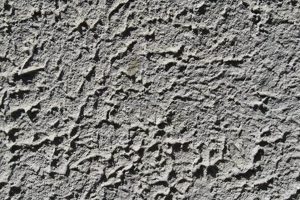
A common surface treatment for hardened cement, this method emphasizes the inherent characteristics of the material itself. It involves minimal alteration after the concrete has cured, leaving the surface largely as it was after the initial placement and finishing operations. For example, a floor in a warehouse, after being leveled and smoothed, might be left as is, without further coatings or treatments.
The appeal of this approach lies in its economy, durability, and raw aesthetic. It offers a cost-effective solution for surfaces requiring resilience and low maintenance. Historically, its utilization has been prevalent in utilitarian structures and spaces where functionality takes precedence. Its inherent strength allows it to withstand heavy loads and resist abrasion, making it suitable for industrial and commercial applications.
Understanding the properties and applications of this foundational treatment is crucial for making informed decisions regarding construction projects. Subsequent sections will delve into specific techniques for achieving desired appearances, explore various protective measures, and outline best practices for long-term maintenance.
Achieving Optimal Results
The following guidelines offer insights into ensuring a satisfactory outcome when implementing this specific surface treatment.
Tip 1: Proper Mix Design: A well-proportioned concrete mix, tailored to the intended application, is paramount. Consider factors such as aggregate size, cement type, and water-cement ratio to achieve the desired strength and workability.
Tip 2: Consistent Placement Techniques: Employ uniform placement methods to minimize variations in the final surface. Avoid cold joints and ensure thorough consolidation to eliminate voids and air pockets.
Tip 3: Timely Finishing: Commence finishing operations at the appropriate stage of the concrete’s setting process. Finishing too early can lead to surface defects, while delaying can result in difficulty achieving a smooth, even texture.
Tip 4: Curing Considerations: Proper curing is critical for strength development and crack prevention. Maintain adequate moisture levels for the specified curing duration using methods such as wet burlap, plastic sheeting, or curing compounds.
Tip 5: Surface Protection: Protect the newly finished surface from damage during the initial curing period. Prevent foot traffic, impact loads, and exposure to harsh weather conditions that could compromise the final result.
Tip 6: Joint Planning: Strategic placement of control joints and expansion joints is essential to accommodate anticipated movement due to thermal expansion and contraction. Proper joint detailing minimizes cracking and prolongs the lifespan of the installation.
Tip 7: Evaluate Environmental Conditions: Consider temperature, humidity, and wind conditions during placement and curing. These factors significantly influence the rate of hydration and can impact the final surface appearance and performance.
Adhering to these recommendations will help ensure a durable, aesthetically pleasing, and long-lasting surface.
The subsequent sections will address advanced techniques, problem-solving, and long-term maintenance strategies.
1. Durability

The inherent robustness of hardened cement paste significantly contributes to the longevity of surfaces treated in this manner. Resistance to abrasion, impact, and weathering are hallmarks of its structural integrity. This durability stems from the hydration process of cement, which creates a dense, interlocking matrix. For instance, warehouse floors subjected to constant forklift traffic exemplify its capacity to withstand heavy loads and physical stress without significant degradation. Without additional coatings or treatments, the fundamental material properties are what provide the longevity.
The durability of plain concrete results in reduced life-cycle costs due to less frequent repairs and replacements. This is particularly advantageous in industrial and public infrastructure applications, such as sidewalks and roadways. The initial investment in a properly proportioned and placed mixture translates into long-term savings. The absence of surface coatings eliminates the need for their periodic reapplication, further minimizing upkeep expenses. Its inherent resistance to chemical attack from mild acids and alkalis also enhances its suitability for demanding environments.
Ultimately, understanding the link between the material’s composition and its resilience is crucial for optimizing its performance. While the finish may not offer the aesthetic appeal of more elaborate treatments, its inherent durability remains a key advantage. Addressing potential vulnerabilities, such as cracking due to improper curing, is essential to maximize its service life and maintain its structural integrity. The ability to withstand various forms of environmental and physical stress solidifies its role as a reliable and enduring construction material.
2. Cost-effectiveness
The economic advantages of a basic hardened cement surface are significant, making it a prevalent choice in various construction projects. Its cost-effectiveness stems from several key facets, which collectively contribute to reduced initial expenses and minimized long-term financial burden.
- Reduced Material Costs
The absence of specialized coatings, overlays, or decorative treatments translates to lower material expenditures. The primary cost is associated with the concrete mix itself, which, compared to alternative flooring or surface materials, can be substantially less. This is particularly evident in large-scale projects, where material savings accumulate rapidly. For example, in a warehouse setting, opting for a bare surface over epoxy coatings or polished concrete can yield considerable reductions in upfront costs.
- Simplified Labor Requirements
Installation labor is significantly reduced because of the straightforward application process. The surface requires only basic finishing techniques, such as leveling, smoothing, and curing, eliminating the need for specialized trades or intricate installation procedures. This simplification streamlines construction schedules and lowers overall labor costs. A basic surface finish compared to more elaborate flooring options reduces the time and labor involved, contributing to significant cost savings.
- Lower Maintenance Expenses
The minimal maintenance requirements of a basic hardened cement surface contribute to long-term cost savings. Unlike surfaces that require regular waxing, polishing, or sealing, a bare finish generally only needs routine cleaning. This translates to reduced expenditures on cleaning supplies, equipment, and labor. In high-traffic areas, the resistance to wear and tear further minimizes the need for frequent repairs or replacements.
- Extended Lifespan
The inherent durability of hardened cement results in an extended service life, further enhancing its cost-effectiveness. Its resistance to abrasion, impact, and weathering reduces the need for early repairs or replacements, minimizing lifecycle costs. This longevity is especially beneficial in commercial and industrial settings, where surfaces are subjected to constant use and potential abuse. The longer service life of this option offsets the need for premature repairs or replacements.
In summary, a basic hardened cement surface’s cost-effectiveness is derived from reduced material costs, simplified labor requirements, lower maintenance expenses, and an extended lifespan. These factors collectively make it an economically viable option for projects prioritizing functionality and budgetary constraints. The absence of intricate treatments or specialized materials does not compromise its performance, making it a practical and affordable solution for a wide range of applications.
3. Minimal maintenance
The reduced upkeep demands are a substantial advantage associated with a basic hardened cement surface, contributing significantly to its long-term appeal and overall life-cycle cost reductions. The inherent properties of the material and the absence of applied coatings minimize the need for specialized cleaning procedures or periodic maintenance interventions.
- Absence of Coatings
The lack of surface coatings, such as waxes, sealants, or epoxy resins, eliminates the need for their periodic reapplication. Coated surfaces typically require regular maintenance to preserve their aesthetic qualities and protective functions. The absence of these coatings simplifies cleaning processes, reduces material expenses, and minimizes labor requirements.
- Inherent Durability
The inherent strength and abrasion resistance of hardened cement reduces the likelihood of surface damage from routine use. The surface withstands typical wear and tear without requiring extensive repairs or resurfacing. For instance, in high-traffic areas, a hardened cement surface resists scratches, dents, and staining, reducing the need for corrective maintenance measures.
- Simplified Cleaning Procedures
Routine cleaning typically involves basic methods such as sweeping, mopping, or occasional scrubbing with mild detergents. The surface’s density and non-porous nature prevent the deep penetration of dirt and stains, facilitating easy removal of contaminants. Unlike surfaces requiring specialized cleaning agents or equipment, a basic hardened cement surface can be maintained with readily available and cost-effective cleaning supplies.
- Resistance to Environmental Factors
The inherent properties of concrete can mitigate the impact of environmental elements on the surface. Plain concrete is designed to withstand the effects of UV exposure, temperature fluctuations, and moisture, reducing the likelihood of degradation and minimizing the requirement for protective measures. Consequently, the long-term effects of environmental factors on surface integrity are minimized.
The combined effect of these factors underscores the inherent relationship between a basic hardened cement surface and reduced maintenance demands. This characteristic enhances its suitability for applications where minimal intervention is desired or required, leading to long-term cost savings and enhanced operational efficiency. The durability of the surface contributes to the longevity of the structure, reinforcing its value as a practical and sustainable solution.
4. Slip resistance

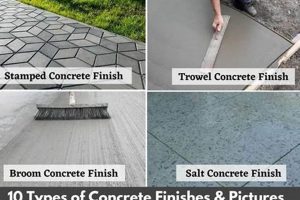
The characteristic of slip resistance is integral to evaluating the safety and practicality of hardened cement surfaces. The nature of the surface treatment directly impacts its ability to provide adequate traction, particularly in environments susceptible to moisture or contamination. A smooth surface, while aesthetically pleasing, inherently presents a higher risk of slips and falls. Conversely, a textured surface improves traction, minimizing potential hazards. The method of finishing and curing directly influences the resulting texture and, consequently, the surfaces slip resistance. Consider a public sidewalk; a properly finished sidewalk will include a broom finish or similar technique, creating a slightly abrasive texture that enhances grip under wet conditions. A poorly finished, overly smooth sidewalk increases the risk of pedestrian accidents.
The significance of surface traction extends across various applications, ranging from industrial floors to residential patios. In industrial settings, where spills of oil or other lubricants are common, a surface with inadequate slip resistance can lead to workplace accidents and injuries. Similarly, around swimming pools or in bathrooms, where water is frequently present, maintaining adequate traction is crucial for preventing slips and falls. The inclusion of aggregates in the cement mix, or the application of texturing techniques during finishing, can markedly improve its safety profile in these environments. Proper design and execution of the surface treatment play a vital role in mitigating these risks.
Ultimately, the interplay between surface finishing and slip resistance is a critical aspect of design and construction. While aesthetic preferences often influence decisions regarding surface treatments, prioritizing safety through appropriate texturing techniques is essential, particularly in areas prone to moisture or contamination. Standards and regulations often specify minimum slip resistance values for surfaces in public spaces, reflecting the importance of this characteristic. Maintaining adequate slip resistance is not merely a matter of compliance but a fundamental aspect of ensuring the safety and well-being of those who utilize the space.
5. Thermal mass

Thermal mass, referring to a material’s capacity to absorb, store, and release heat, is intrinsically linked to hardened cement surfaces. The inherent properties of concrete render it an effective medium for thermal regulation, influencing the energy efficiency and comfort of buildings.
- Heat Absorption and Storage
Hardenend cement exhibits a significant capacity to absorb and store thermal energy. As the ambient temperature rises, the surface absorbs heat, mitigating temperature spikes within the structure. This characteristic is particularly valuable in climates with substantial diurnal temperature fluctuations. For example, a hardened cement floor in a passively heated home absorbs solar energy during the day, subsequently releasing it during the cooler evening hours, reducing reliance on supplemental heating systems.
- Temperature Regulation
The capacity for thermal storage contributes to improved temperature stability within a building. By absorbing heat during warmer periods and releasing it during cooler periods, hardened cement surfaces moderate temperature swings. This regulation creates a more consistent and comfortable indoor environment, reducing the need for active heating and cooling systems. Buildings constructed with concrete walls and floors benefit from this moderating effect, resulting in improved energy efficiency and reduced energy consumption.
- Energy Efficiency
The utilization of hardened cement surfaces to harness thermal mass reduces reliance on mechanical heating and cooling systems, leading to lower energy consumption. By passively regulating indoor temperatures, these surfaces decrease the demand for active climate control, resulting in lower utility bills and reduced carbon emissions. A well-designed building incorporating thermal mass principles can achieve significant energy savings compared to a conventional structure lacking these features.
- Passive Design Strategies
Plain concrete serves as an integral component of passive heating and cooling strategies. Its ability to absorb, store, and release heat complements other passive design elements, such as solar orientation, shading, and natural ventilation. Integrating hardened cement floors or walls into the building design allows for the effective utilization of thermal mass to regulate indoor temperatures and improve energy efficiency. The strategic placement of these surfaces is essential to maximize the benefits of thermal mass in passive design.
The interplay between hardened cement surfaces and thermal mass presents a significant opportunity to enhance the energy performance and environmental sustainability of buildings. By leveraging the inherent thermal properties of concrete, designers can create more comfortable and efficient indoor environments, reducing reliance on conventional heating and cooling systems and minimizing environmental impact. Understanding these connections is critical for designing sustainable buildings.
6. Design Versatility

The design versatility inherent in a basic hardened cement surface stems from its adaptability as a foundation for subsequent treatments and its capacity to integrate with diverse architectural styles. While initially appearing utilitarian, a basic concrete application serves as a blank canvas, permitting a wide array of aesthetic enhancements that can significantly alter its final appearance. This adaptability offers designers flexibility in achieving desired visual outcomes without compromising structural integrity. The ability to accept stains, dyes, and various surface treatments expands design options considerably. Examples range from polished concrete floors in contemporary residential spaces to integrally colored walkways in commercial landscapes, demonstrating how the fundamental material can be transformed to suit varied design intentions. The practical significance lies in its cost-effective adaptability, enabling aesthetic upgrades without extensive structural modifications.
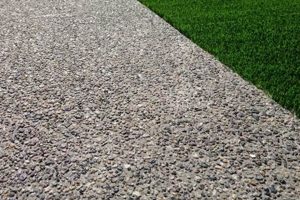
Furthermore, the application of stencils, scoring techniques, and aggregate exposure methods adds layers of design complexity. Stenciled patterns and decorative scoring introduce visual interest, transforming a simple surface into a textured design element. Aggregate exposure, achieved through techniques such as grinding or acid washing, reveals the underlying aggregate, adding natural texture and color variations. Consider a museum setting where a plain floor is scored to create a geometric pattern that complements the exhibits. Or envision a public plaza where exposed aggregate adds visual interest and enhances slip resistance. These examples highlight the material’s inherent design versatility, showcasing its capacity to adapt to different aesthetic and functional needs. The design versatility of a concrete slab enhances any construction project.
In conclusion, the relationship between design versatility and a basic hardened cement surface is characterized by a symbiotic blend of foundational simplicity and adaptive potential. This combination offers designers a broad spectrum of creative possibilities while maintaining structural integrity and cost-effectiveness. Although challenges may arise in controlling color consistency or achieving precise textural outcomes, understanding and leveraging these inherent characteristics enables the creation of durable, aesthetically pleasing, and functionally diverse surfaces. The adaptability and long-term performance make it a valuable asset in modern construction. Future innovations may focus on improved color consistency and increased options for sustainable material choices, further expanding the design possibilities of this foundational construction material.
Frequently Asked Questions
The following addresses common inquiries regarding this surface treatment, providing clear and concise information.
Question 1: Is a plain concrete finish prone to cracking?
Cracking is a potential concern with all cement-based materials. Proper mix design, placement techniques, and curing practices are crucial in minimizing the risk of cracking. Control joints are also essential to accommodate anticipated movement due to thermal expansion and contraction. Addressing these factors reduces the likelihood of cracking.
Question 2: What is the typical lifespan of a plain concrete finish?
The lifespan depends on factors such as traffic volume, environmental conditions, and maintenance practices. With proper installation and minimal maintenance, a plain concrete surface can last for several decades. Regular cleaning and timely repairs contribute to its longevity.
Question 3: Can a plain concrete finish be used in residential applications?
Yes, it can be used effectively in residential settings. While often associated with industrial or commercial spaces, its durability and cost-effectiveness make it a viable option for basements, garages, and other utility areas. Surface treatments can also enhance its aesthetic appeal for living spaces.
Question 4: How does a plain concrete finish compare to polished concrete?
While both involve concrete, they differ in their surface treatment. A plain surface is left largely as it is after initial finishing, whereas polished concrete undergoes extensive grinding and polishing to achieve a smooth, glossy appearance. Polished concrete requires more labor and equipment, resulting in a higher cost.
Question 5: Is a plain concrete finish environmentally friendly?
Concrete production contributes to carbon emissions. However, its durability and long lifespan reduce the need for frequent replacements, minimizing its environmental impact. Using recycled aggregates in the mix can further enhance its sustainability.
Question 6: What are the common problems encountered with a plain concrete finish?
Common problems include cracking, dusting, and staining. Cracking can be addressed through proper construction practices. Dusting, caused by a weak surface layer, can be mitigated with a concrete hardener. Applying a sealer can minimize staining.
In summary, a basic understanding of the properties and potential challenges associated with a plain concrete surface is essential for informed decision-making.
The following section addresses protective measures and long-term maintenance strategies.
Conclusion
This exploration of plain concrete finish has illuminated its inherent characteristics, advantages, and limitations. Its durability, cost-effectiveness, and minimal maintenance requirements position it as a viable solution for diverse applications. Achieving optimal results necessitates adherence to proper mix design, placement techniques, and curing practices. While challenges such as cracking and staining exist, they can be mitigated through preventative measures and appropriate maintenance protocols.
The informed application of plain concrete finish contributes to resilient and sustainable infrastructure. Continued research and development in concrete technology will undoubtedly enhance its performance and expand its application in the built environment. Understanding and strategically utilizing this foundational material remains crucial for successful construction projects.