Selecting a suitable protective coating is a crucial decision when installing wooden work surfaces in kitchens. The ideal product safeguards the wood against moisture, stains, and scratches while maintaining food safety and aesthetic appeal. This choice significantly impacts the countertop’s longevity and hygiene.
The appropriate sealant preserves the wood’s natural beauty and enhances its durability, extending its service life by preventing warping, cracking, and bacterial growth. A well-protected surface reduces maintenance needs and contributes to a healthier food preparation environment. Historically, oils and waxes were used, but modern formulations offer improved protection and ease of application.
The subsequent discussion will delve into various types of coatings, examining their respective properties, application methods, and suitability for different uses. Factors such as drying time, VOC content, and maintenance requirements will be evaluated to provide a comprehensive overview of available options.
Application and Maintenance Guidance
Ensuring optimal performance from a wooden countertop surface requires adherence to specific application techniques and diligent maintenance practices. The following guidelines aim to maximize the lifespan and preserve the integrity of the chosen protective layer.
Tip 1: Preparation is Paramount: The surface must be meticulously sanded, progressing through increasingly finer grits, to achieve a smooth and even texture. Remove all dust and debris prior to coating application. Imperfections at this stage will be magnified by the finish.
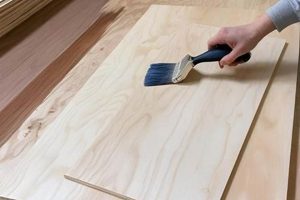
Tip 2: Multiple Thin Coats are Preferable: Apply several thin coats rather than one thick coat. This approach promotes even drying, minimizes the risk of drips or pooling, and results in a more durable and visually appealing surface.
Tip 3: Adhere to Manufacturer’s Instructions: Strictly follow the manufacturer’s recommendations regarding drying times, application methods, and environmental conditions. Deviations can compromise the integrity and performance of the protective barrier.
Tip 4: Utilize Appropriate Application Tools: The selection of brushes, rollers, or cloths should be based on the specific product being used. Employ high-quality tools designed for fine finishing to minimize streaking and ensure uniform coverage.
Tip 5: Regular Cleaning is Essential: Clean the surface regularly with a mild soap and water solution. Avoid harsh chemicals, abrasive cleaners, and excessive moisture, which can damage the finish and penetrate the wood.
Tip 6: Periodic Reapplication is Necessary: Depending on usage frequency and environmental factors, the protective coating will require periodic reapplication. Monitor the surface for signs of wear, such as dullness, scratches, or water penetration, and reapply as needed.
Tip 7: Immediate Spill Cleanup: Promptly address spills, particularly acidic or staining substances, to prevent penetration into the wood. Wipe up spills immediately with a clean, damp cloth and dry thoroughly.
Proper application and consistent upkeep are vital for maintaining the protective qualities and aesthetic appeal of the wooden work surface. These measures contribute to its longevity, hygiene, and overall value.
The subsequent sections will explore specific coating options and their respective suitability for various applications and maintenance requirements.
1. Durability

The longevity of a wooden work surface in a kitchen environment is inextricably linked to the protective coating’s ability to withstand daily wear and tear. A durable coating effectively shields the underlying wood from physical damage, including scratches, dents, and abrasions resulting from the use of knives, cookware, and other kitchen implements. Furthermore, a resistant barrier mitigates the impact of heat exposure from hot pots and pans, preventing scorching and discoloration.
The selection of a coating with appropriate durability characteristics significantly reduces the need for frequent repairs or replacements. For instance, a worktop coated with a high-quality polyurethane finish exhibits greater resistance to scratching compared to one treated with mineral oil alone. This enhanced protection translates to lower maintenance costs and a prolonged service life. A more robust coating also diminishes the likelihood of water damage by preventing moisture from penetrating the wood, thereby inhibiting the growth of mold and bacteria.
In conclusion, the role of durability in determining the ideal coating is paramount. The ability to withstand physical damage, heat exposure, and moisture penetration directly impacts the worktop’s longevity and hygiene. Prioritizing durability in the selection process yields a more resilient and cost-effective solution that contributes to a safer and more functional kitchen environment.
2. Food Safety
The intersection of surface coating and food safety represents a critical consideration in kitchen design, particularly with wooden work surfaces. Certain coatings, while offering durability, may contain volatile organic compounds or other chemicals that can leach into food products. The ramifications extend beyond potential taste alterations to include risks of ingesting harmful substances. Selecting a food-safe finish becomes paramount to prevent contamination and ensure compliance with health regulations.
Examples of approved surface coatings include those certified by relevant food safety organizations. These certifications validate that the product has undergone rigorous testing to confirm the absence of hazardous chemicals. The use of food-grade mineral oil represents one approach, providing a barrier against moisture while remaining inert and non-toxic. However, it requires frequent reapplication. Alternative options such as beeswax or specialized epoxy resins offer improved durability and longevity while maintaining food-safe properties. Failure to adopt a suitable finish can lead to bacterial growth within the wood, posing a risk of foodborne illnesses.
In summary, achieving adequate food safety on wooden work surfaces necessitates careful selection of a compatible protective product. The risks associated with unsuitable surface treatments include chemical leaching and bacterial contamination. The benefits of a food-safe choice encompass the assurance of safe food preparation and compliance with health standards. Prioritizing this consideration is essential for promoting a hygienic and healthy kitchen environment.
3. Water Resistance

Water resistance is a fundamental characteristic to consider when selecting the most suitable coating for wooden work surfaces. Its ability to prevent moisture penetration directly affects the wood’s structural integrity, hygiene, and overall lifespan. The consequences of inadequate moisture protection range from superficial staining to irreversible damage.
- Prevention of Warping and Cracking
Wood is a hygroscopic material, meaning it absorbs and releases moisture from its surrounding environment. Fluctuations in moisture content cause wood to expand and contract, leading to warping, bowing, and cracking. A waterproof barrier minimizes moisture absorption, stabilizing the wood’s dimensions and preventing these structural issues. For example, consistent exposure to water around a sink without proper protection invariably causes deformation of the wood over time.
- Inhibition of Mold and Bacterial Growth
Damp wood provides an ideal environment for the proliferation of mold, mildew, and bacteria. These microorganisms not only compromise the wood’s integrity but also pose a significant health risk in food preparation areas. A moisture-resistant film creates an inhospitable environment for these organisms, maintaining a sanitary surface. Consider the difference between a regularly oiled surface, which can still harbor moisture, and a properly sealed surface that effectively repels water.
- Stain Resistance and Ease of Cleaning
Water acts as a vehicle for stains, carrying pigments from spilled liquids deep into the wood fibers. A waterproof layer prevents liquids from penetrating the surface, thereby simplifying cleaning and preventing permanent discoloration. Red wine or coffee spills, for instance, can be easily wiped away from a water-resistant surface without leaving a trace, whereas an unprotected surface readily absorbs these stains.
- Longevity and Reduced Maintenance
By mitigating the risks of warping, cracking, microbial growth, and staining, a water-resistant coating significantly extends the service life of the wooden work surface. This reduces the need for frequent repairs, refinishing, or replacements, resulting in long-term cost savings. Routine cleaning becomes more effective and less time-consuming, further contributing to the ease of maintenance. Surfaces with good water resistance tend to last longer overall.
The attributes discussed underscore the critical importance of water resistance when choosing a protective product for wooden countertops. Coatings offering superior moisture protection contribute to a more durable, hygienic, and aesthetically pleasing kitchen environment, while simultaneously reducing maintenance requirements and prolonging the work surface’s lifespan.
4. Ease of Application

The practicality of a protective coating for wooden countertops is significantly influenced by its ease of application. A user-friendly product minimizes the potential for errors during the coating process, reducing both time investment and the need for professional assistance. This factor directly impacts the overall cost-effectiveness and accessibility of the chosen finish.
- Viscosity and Spreadability
The viscosity of the product dictates how easily it spreads across the surface. A low-viscosity coating flows smoothly, minimizing brush strokes and ensuring uniform coverage. Conversely, a highly viscous product requires more effort to apply evenly and may result in an uneven finish. Water-based polyurethanes, for instance, often exhibit lower viscosity compared to oil-based alternatives, simplifying their application. This attribute reduces the likelihood of imperfections and contributes to a more professional-looking result.
- Drying Time and Recoating Intervals
The drying time between coats and the overall curing period are crucial considerations. Products with extended drying times prolong the application process, increasing the potential for dust contamination and delaying the countertop’s usability. Quick-drying coatings, while more convenient, may require careful application to avoid imperfections. The recommended recoating intervals also influence the overall time investment required to achieve optimal protection. Mineral oil, while easy to apply, requires frequent reapplication compared to more durable, longer-lasting finishes.
- Tool Requirements and Cleanup
The necessary tools and cleanup procedures affect the overall convenience of the application process. Some coatings require specialized equipment, such as sprayers or specific types of brushes, while others can be applied with common household tools. The ease of cleaning the application tools is also a factor. Water-based finishes typically offer easier cleanup compared to oil-based alternatives, which require solvents for proper tool maintenance. The availability and cost of required tools and cleaning supplies must be factored into the overall assessment of a coating’s ease of application.
- Surface Preparation Demands
The degree of surface preparation required before application impacts the overall effort involved. Some coatings necessitate extensive sanding and cleaning to ensure proper adhesion, while others are more forgiving and can be applied to surfaces with minor imperfections. Insufficient surface preparation can lead to poor adhesion, resulting in peeling, blistering, or other finish failures. Streamlined surface preparation protocols contribute to a more efficient and user-friendly application process.
The aforementioned factors underscore the importance of considering ease of application when choosing a surface treatment for wooden worktops. The complexities involved directly influence the time investment, potential for errors, and overall cost-effectiveness. Prioritizing this aspect leads to a more manageable and satisfactory outcome, irrespective of whether the application is performed by a professional or a homeowner.
5. Aesthetic Qualities

The selection of a protective coating for wooden work surfaces extends beyond mere functional considerations, fundamentally impacting the surface’s visual appeal. The chosen finish significantly influences the wood’s color, sheen, and texture, thereby affecting the overall aesthetic of the kitchen. Thus, the aesthetic qualities of a coating are an integral component of what constitutes a desirable solution. The appropriate finish enhances the wood’s natural grain patterns and complements the surrounding dcor, whereas an unsuitable choice can detract from the kitchen’s overall design.
For instance, a matte finish can impart a rustic or understated elegance, preserving the wood’s natural texture. Conversely, a high-gloss finish can create a more modern and reflective surface, emphasizing the wood’s color. Tinted or stained coatings offer the opportunity to customize the wood’s color, allowing for integration with existing cabinetry or design elements. However, excessive pigmentation can obscure the wood’s natural grain, diminishing its aesthetic value. The choice of coating also impacts the surface’s light-reflecting properties. A poorly chosen finish may exhibit undesirable glare or cause the wood to appear dull and lifeless. The aesthetic effect depends largely on the chosen finish. Mineral oil, for example, provides a natural, low-sheen finish but requires frequent reapplication to maintain its visual appeal. Polyurethane, while durable, can create a plastic-like appearance if applied improperly.
Ultimately, a well-considered coating not only protects the wooden work surface but also enhances its aesthetic qualities, contributing to a more visually pleasing and harmonious kitchen environment. Striking a balance between functional performance and visual appeal is essential to achieving a result that satisfies both practical needs and aesthetic preferences. Failure to account for the coating’s impact on the wood’s appearance can compromise the kitchen’s overall design, even if the chosen finish provides adequate protection.
Frequently Asked Questions
The following section addresses common inquiries concerning the selection and application of protective finishes for wooden countertops. The answers provided aim to offer clarity and guidance based on current best practices.
Question 1: What is the single most important factor in selecting a coating for wooden countertops?
While multiple factors contribute to the decision, food safety warrants paramount consideration. A product certified as food-safe minimizes the risk of harmful chemicals leaching into food prepared on the surface.
Question 2: How frequently should mineral oil be reapplied to wooden work surfaces?
Mineral oil’s protective properties are relatively short-lived. Reapplication is generally recommended every few weeks, or more frequently depending on usage intensity and cleaning practices.
Question 3: Can polyurethane be used on wooden worktops intended for food preparation?
While polyurethane offers excellent durability and water resistance, standard formulations are typically not food-safe. Specialized food-grade polyurethane products are available, but verification of their certification is essential.
Question 4: What constitutes proper surface preparation prior to applying a protective coating?
Thorough sanding to a smooth, even texture is critical. This process typically involves progressing through multiple grits of sandpaper. Removal of all dust and debris is equally important to ensure proper adhesion.
Question 5: How does humidity impact the performance of a coating on wooden countertops?
High humidity levels can extend the drying time of certain coatings and may compromise their adhesion to the wood. Maintaining a stable and controlled environment during application is advisable.
Question 6: Is it possible to repair scratches on a coated wooden work surface?
The feasibility of scratch repair depends on the depth and severity of the damage, as well as the type of coating used. Minor scratches can sometimes be buffed out with specialized products, while deeper scratches may require refinishing the affected area.
In conclusion, selecting a suitable coating for wooden work surfaces requires careful evaluation of various attributes, including food safety, durability, and ease of application. Consistent maintenance and adherence to manufacturer’s instructions are vital for preserving the integrity and extending the lifespan of the chosen product.
The following section presents a concise summary of the key considerations discussed throughout this article.
Conclusion
The preceding discussion has explored critical factors relevant to “best finish for butcher block countertops”, emphasizing durability, food safety, water resistance, application ease, and aesthetics. The selection process necessitates a comprehensive evaluation of available options, weighing the trade-offs between different attributes to align with specific needs. The optimal choice safeguards the wood, promotes hygiene, and enhances the kitchen’s overall design.
Effective implementation of suitable practices is vital for sustained performance. Diligent adherence to application guidelines and maintenance protocols can significantly extend the service life and preserve the inherent beauty of wooden work surfaces. Prioritizing thoughtful selection and conscientious care results in a more resilient, hygienic, and aesthetically pleasing culinary environment.