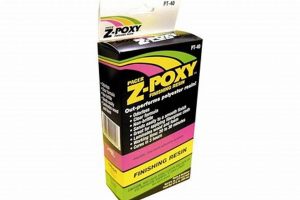
The application of a deliberately fractured topcoat on a guitar, revealing the base coat beneath, creates a visually striking surface texture. This textured effect, often achieved through the use of specific lacquer formulations and application techniques, results in a network of fine lines or more pronounced fissures across the instrument’s body. A notable example can be seen in instruments aiming for a vintage or distressed aesthetic.
This method enhances a guitar’s perceived character and individuality, providing a unique visual appeal distinct from standard, uniform finishes. Historically, this decorative approach served to emulate the aging process, suggesting years of use and imparting a sense of well-worn authenticity. The resulting surface can add to the instrument’s collectibility and resale value among enthusiasts seeking distinctive aesthetics.
Understanding the methods of achieving such effects, along with the types of materials best suited for the process, is crucial for guitar builders and refinishers. Furthermore, familiarity with the challenges associated with its application and long-term maintenance provides valuable insights for both professionals and owners. Subsequent sections will delve into these aspects in greater detail.
Application Considerations
Achieving a quality effect requires careful planning and execution. The following tips provide guidance on optimizing the process and ensuring the longevity of the result.
Tip 1: Surface Preparation is Critical: Ensure the base coat is completely cured and flawlessly smooth. Imperfections will be amplified by the subsequent layers, negatively impacting the final aesthetic. Thorough sanding and appropriate sealing are essential steps.
Tip 2: Select Compatible Products: The base coat, top coat, and any sealants must be chemically compatible. Incompatible materials may result in adhesion failures, discoloration, or unwanted reactions that compromise the integrity of the finish.
Tip 3: Control Environmental Conditions: Temperature and humidity significantly impact the drying and fracturing process. Extremes can lead to uneven cracking or prevent the desired effect from occurring. Maintaining a stable environment is crucial for predictable results.
Tip 4: Apply Coats Evenly: Consistent application of each layer, particularly the top coat, is necessary for uniform results. Uneven layers can produce inconsistent cracking patterns and visually unbalanced areas across the guitar’s surface.
Tip 5: Understand Layer Thickness: The thickness of the top coat directly influences the size and density of the resulting fractures. Experimentation with varying layer thicknesses on test pieces is recommended to determine the optimal application for the desired aesthetic.
Tip 6: Consider a Protective Clear Coat: Applying a durable clear coat over the fractured layer protects the delicate surface and enhances its longevity. This also provides a smoother feel and simplifies cleaning and maintenance.
Effective execution of these guidelines leads to a superior visual outcome, enhances the durability, and extends the lifespan of the instrument’s aesthetic qualities. Proper technique prevents premature deterioration and maintains the value of the instrument.
The final sections will focus on specific application techniques and the necessary tools for achieving professional-grade results.
1. Lacquer Compatibility

Lacquer compatibility is paramount to achieving a stable and aesthetically pleasing surface effect on a guitar. The fracturing process relies on differential shrinkage rates between lacquer layers. If incompatible lacquers are used, the intended fracturing may not occur, or worse, the finish may delaminate, resulting in a structurally unsound and visually undesirable outcome. The choice of lacquer types, therefore, directly influences the success of the desired aesthetic. Examples include using a brittle lacquer over a more flexible base; this ensures the top layer fractures under stress as it dries.
Specific examples illustrate the importance of material selection. Applying nitrocellulose lacquer over an acrylic base coat can lead to adhesion issues and prevent the desired cracking pattern. Conversely, using compatible nitrocellulose lacquers from different manufacturers can also introduce problems if their formulations and drying times vary significantly. Proper research and testing of lacquer combinations before application are thus critical steps in achieving predictable and lasting results. Refinishing projects gone awry due to ignoring lacquer compatibility serve as stark reminders of its importance.
In conclusion, lacquer compatibility is not merely a detail but a foundational principle in achieving a quality surface. Understanding the chemical properties and interactions of different lacquer types, and diligently testing combinations beforehand, mitigates the risk of finish failures. The benefits of meticulous material selection extend beyond immediate aesthetics to long-term structural integrity and the overall value of the instrument.
2. Environmental Control

Environmental control represents a crucial, often underestimated, factor in achieving a successful surface on a guitar. Temperature and humidity directly influence the drying rate and resulting stress within the lacquer layers. The deliberate fracturing effect relies on the differential shrinkage between these layers; uncontrolled environmental variables can disrupt this delicate balance, leading to unpredictable or undesirable outcomes. For instance, high humidity can slow the drying process, reducing the stress differential and preventing the intended cracks from forming. Conversely, excessively dry conditions may cause premature or overly aggressive fracturing, resulting in an uneven or unattractive texture.
Consider a scenario where a guitar is coated in a humid environment. The top layer lacquer absorbs moisture from the air, retarding its drying time. When subsequently moved to a drier environment, the sudden moisture loss can cause extreme stress, potentially lifting the entire finish instead of creating the desired subtle breaks. Conversely, applying in a low humidity environment might lead to instant cracking and a spider-web effect, rather than the larger, more defined cracks preferred in certain visual patterns. The practical significance of understanding this connection lies in consistently managing the environment during the finishing process.
In summary, achieving predictable and desirable results necessitates meticulous environmental control. Maintaining consistent temperature and humidity levels within the recommended ranges for the specific lacquer system being used is paramount. Failure to address this critical element can lead to project failures, increased material costs, and ultimately, a compromised aesthetic. The ability to regulate the environment is therefore not merely a matter of convenience but an essential skill for anyone seeking to create a high-quality and visually striking surface on a guitar.
3. Base Coat Preparation

The quality of the underlying coat is inextricably linked to the ultimate visual effect. The base serves as the canvas upon which the fractures manifest; imperfections in the foundation become amplified within the patterned layer. Inadequate sanding, for example, leaves behind microscopic ridges and valleys that translate into uneven cracking patterns, disrupting the intended aesthetic. Similarly, incomplete sealing can result in solvent absorption from subsequent coats, leading to discoloration or adhesion failures beneath the fracturing layer. These imperfections detract significantly from the overall presentation. The preparation of this foundational layer cannot be overstated; it represents the cornerstone of success.
Consider a situation where a guitar body is coated with a base coat applied directly to bare wood without proper sealing. The wood’s porous nature absorbs the solvent from the lacquer, causing the finish to sink and appear uneven. Subsequently, the deliberate cracking will accentuate this unevenness, creating an undesirable mottled effect. In contrast, a properly sealed and leveled surface provides a uniform foundation for the applied layers to fracture predictably, resulting in a consistent pattern and enhancing the visual depth. This step ensures the desired cracking pattern uniformly emerges across the instrument’s surface, avoiding visual inconsistencies.
In summary, meticulous base coat preparation is not merely a preliminary step but a critical determinant of the final effect. Ensuring a smooth, level, and properly sealed surface is essential for achieving a high-quality, visually appealing effect. The consequences of neglecting this foundation can range from minor imperfections to complete finish failures, underscoring the necessity of thoroughness and attention to detail. By prioritizing proper preparation, builders and refinishers mitigate risks and maximize the potential for a superior and lasting visual outcome.
4. Top Coat Thickness

The thickness of the top coat directly influences the characteristics of the fracturing effect. Thicker applications tend to produce larger, more pronounced fractures, while thinner applications result in finer, more delicate cracking patterns. This relationship arises from the increased internal stress within a thicker layer as it dries and shrinks, leading to more significant breaks in the surface. Conversely, a thin layer experiences less internal stress, yielding a network of smaller fissures. Therefore, top coat thickness serves as a primary means of controlling the visual texture and overall aesthetic. An excessively thick layer, however, may exhibit adhesion problems or excessive cracking, leading to finish failure. Striking a balance is critical for achieving the desired visual effect without compromising structural integrity.
For instance, consider two identical guitars receiving identical base coats and environmental conditions. One receives a top coat applied at a moderate thickness (e.g., 4 mils), resulting in a visually balanced array of medium-sized cracks. The other receives a considerably thicker top coat (e.g., 8 mils). The second guitar will likely exhibit larger, more dramatic cracks, potentially revealing more of the base coat underneath. If the thickness is excessive (e.g., 12+ mils), large chunks of the finish may separate entirely. This illustrative example highlights the sensitivity of the process to this variable, demonstrating its practical significance for achieving a specific aesthetic outcome. Experienced finishers often use shims or measuring tools to ensure the even application of the top coat.
In summary, the thickness of the top coat is a critical factor in determining the size and density of the fracturing pattern. By carefully controlling this variable, guitar builders and refinishers can precisely tailor the appearance of the surface to meet their desired aesthetic goals. However, it is essential to remain cognizant of the potential for adhesion issues or finish failure associated with excessively thick applications. A thorough understanding of the interplay between top coat thickness, environmental conditions, and lacquer compatibility is essential for consistently producing high-quality and visually appealing results.
5. Fracture Pattern Variation
Fracture pattern variation is an intrinsic characteristic of a surface, arising from a confluence of factors during the application process. The resulting pattern is never precisely repeatable, making each instrument inherently unique. These variations, ranging from fine, hairline cracks to broad, irregular fissures, are influenced by lacquer formulation, application technique, environmental conditions (temperature and humidity), and substrate properties. The desired surface hinges on the ability to control these variables within acceptable parameters; uncontrolled fluctuations yield unpredictable and potentially undesirable results. Each style evokes different historical periods or aesthetic preferences.
The manipulation of fracture pattern variation allows for the creation of specific visual styles. For example, simulating the appearance of a well-worn vintage instrument typically involves larger, more pronounced cracks, often achieved through thicker top coat applications and controlled temperature fluctuations. Conversely, a more subtle, contemporary look might utilize finer cracks achieved through thinner coats and stable environmental conditions. Consider the contrasting aesthetics of a heavily relic’d guitar versus a modern instrument designed with a subtle, barely perceptible network of cracks. The former aims to replicate the aging process through exaggerated pattern variation, while the latter seeks a more refined and understated visual texture. The level of variation significantly impacts the instrument’s market appeal and perceived value. The skill lies in intentionally guiding variation to suit a specific visual goal.
Understanding and managing fracture pattern variation is essential for achieving consistent and predictable results. The ability to control these variables empowers guitar builders and refinishers to create instruments with specific aesthetic characteristics, enhancing their value and appeal. Conversely, a lack of control can lead to inconsistent finishes, increased material waste, and ultimately, a compromised product. The challenges lie in the complex interplay of factors influencing fracture pattern formation, demanding a thorough understanding of the process and meticulous attention to detail. The ability to strategically leverage fracture pattern variation transforms a potentially unpredictable process into a creative tool for artistic expression and value creation.
6. Clear Coat Protection

The application of a clear coat over a surface serves as a critical protective layer, ensuring the longevity and aesthetic integrity of the underlying effect. Its role extends beyond mere visual enhancement, providing essential physical and chemical defense for the intentionally fractured layer. Understanding the nuanced interaction between the clear coat and the effect is paramount to preserving the instrument’s visual characteristics.
- Abrasion Resistance
The primary function of a clear coat is to shield the fragile surface from physical wear and tear. Without this protective barrier, the elevated edges of the cracks are vulnerable to abrasion from handling, polishing, and environmental contact. The clear coat provides a smooth, durable surface that absorbs these impacts, preventing the degradation of the underlying fissures. For example, repeated wiping with a cleaning cloth can gradually erode the delicate edges of the cracks, diminishing the visual effect over time. A resilient clear coat mitigates this effect, preserving the original aesthetic for an extended period.
- Chemical Resistance
Solvents, oils, and other chemicals present in cleaning agents or environmental pollutants can compromise the integrity of the fracturing layer. The porous nature of a surface, with its network of minute cracks, makes it particularly susceptible to chemical intrusion. A well-applied clear coat acts as a barrier, preventing these substances from penetrating the surface and causing discoloration, softening, or even delamination of the layers beneath. Exposure to common guitar polishes, for instance, can cause the top coat to soften and lose its sharpness, compromising the overall visual texture. The clear coat protects the fractured surface from chemical degradation.
- UV Protection
Exposure to ultraviolet (UV) radiation can cause fading, yellowing, and embrittlement of the top coat, especially in nitrocellulose lacquers. The clear coat, ideally formulated with UV inhibitors, shields the underlying colors and surface treatment from these damaging effects. Prolonged exposure to sunlight, for example, can cause a nitrocellulose to yellow, altering the intended color of the instrument and diminishing the sharpness of the cracks. A clear coat with UV protection slows down this degradation process, maintaining the instrument’s original appearance for a longer duration.
- Enhanced Gloss and Depth
While primarily functional, a clear coat also contributes to the overall aesthetic appeal. It enhances the gloss and depth of the finish, accentuating the visual texture and creating a more visually striking appearance. The clear coat fills in the micro-crevices of the surface, creating a smoother, more reflective surface that enhances the contrast between the cracked layer and the base coat. Multiple coats of clear lacquer increase the impression of depth and protection.
These facets of clear coat application are integral to preserving the aesthetic and structural integrity. The strategic selection and application of a compatible clear coat are vital for optimizing the long-term visual appeal and resilience of the instrument, demonstrating the clear coat’s invaluable protective benefits.
7. Aging Simulation

The application of a deliberately fractured topcoat on a guitar often serves as a method of aging simulation, attempting to replicate the visual characteristics of instruments that have undergone years of natural wear and environmental exposure. Understanding the nuances of this simulation process is essential for achieving a convincing and aesthetically pleasing result.
- Replicating Lacquer Degradation
One primary facet of aging simulation involves replicating the natural degradation of lacquer over time. This includes simulating the subtle crazing, yellowing, and checking patterns that develop due to environmental factors such as temperature fluctuations and UV exposure. For instance, vintage guitars often exhibit fine, hairline cracks in the finish, caused by the expansion and contraction of the wood and lacquer. The intentional fracturing mimics this effect, aiming to reproduce the authentic appearance of a well-worn instrument. A key component is to apply an amber-tinted topcoat, replicating the color change caused by decades of exposure to light and air.
- Simulating Wear Patterns
Another facet focuses on simulating the wear patterns that typically occur on areas of frequent contact, such as around the strumming area, edges of the body, and back of the neck. This involves techniques such as sanding through the topcoat to expose the underlying layers, creating the impression of prolonged use and handling. The location and severity of these wear patterns are carefully considered to reflect realistic playing habits. For example, creating wear spots near the volume and tone controls emulates the typical wear caused by the player’s hand movements during performance.
- Introducing Dirt and Grime
Many aging simulation techniques involve introducing simulated dirt and grime into the cracks and crevices of the surface, enhancing the visual depth and authenticity of the effect. This can be achieved through the application of tinted waxes or pigments that settle into the fractured areas, accentuating the cracks and simulating the accumulation of years of environmental exposure. The choice of color and application technique are carefully considered to match the type of dirt and grime typically found on vintage instruments. For instance, using a dark brown pigment to simulate sweat and oil accumulation around the bridge replicates a common characteristic of older guitars.
- Reproducing Hardware Patina
The aging simulation process extends beyond the finish itself to encompass the hardware components, such as the tuning machines, bridge, and control knobs. Replicating the natural patina that develops on metal surfaces over time contributes to the overall authenticity of the aging effect. This can involve chemical treatments, sanding, or the application of tinted clear coats to simulate the oxidation and corrosion that occur with prolonged exposure to air and moisture. Creating rust spots around screw holes on the tuning machines adds another layer of realism to the aged appearance.
These combined techniques endeavor to realistically reflect visual history. The success of aging simulation relies on a meticulous attention to detail and a thorough understanding of how natural aging processes affect various materials. When executed effectively, this approach transforms a new instrument into a compelling representation of a well-loved and historically significant guitar.
Frequently Asked Questions
The following addresses common inquiries and misconceptions regarding the application, maintenance, and characteristics of surfaces exhibiting deliberate fracturing.
Question 1: Is a crackle guitar finish inherently more fragile than a standard finish?
A crackle guitar finish, while visually distinctive, does not necessarily imply increased fragility. The durability largely depends on the quality of the materials used, the application techniques employed, and the presence of a protective clear coat. However, the network of cracks inherently creates more edges and surface area susceptible to minor damage compared to a completely smooth finish. Proper maintenance is crucial.
Question 2: Can any guitar be given a crackle guitar finish?
Theoretically, any guitar body can receive this surface treatment. However, the suitability depends on the existing finish, the type of wood, and the desired aesthetic. Guitars with thick, incompatible finishes may require complete stripping before application. Certain wood types may react unpredictably to the solvents used in the process. Professional assessment is recommended to determine feasibility.
Question 3: Does a crackle guitar finish affect the instrument’s tone?
The impact on tone is generally considered negligible. The finish layer is relatively thin, and its contribution to the instrument’s overall resonance is minimal compared to factors such as wood type, body construction, and hardware. However, extremely thick or poorly applied finishes could potentially dampen vibrations, but this is not specific to surfaces exhibiting cracking.
Question 4: How should a crackle guitar finish be cleaned and maintained?
Cleaning should be performed with a soft, dry cloth to avoid trapping dust or debris within the cracks. Avoid harsh chemicals or abrasive polishes, as these can damage the finish or cause discoloration. Periodic application of a high-quality guitar polish specifically designed for delicate finishes is recommended to maintain luster and protect the surface.
Question 5: Can a crackle guitar finish be repaired if damaged?
Repairing a crackle guitar finish can be challenging, especially if the damage is extensive. Minor scratches or blemishes may be addressed with careful touch-up techniques. However, significant damage often requires stripping and reapplication of the entire finish. Professional refinishing is generally advised for complex repairs to ensure consistent results.
Question 6: Will a crackle guitar finish continue to crack and change over time?
While the initial cracking pattern is deliberate, subtle changes may occur over time due to environmental factors such as temperature and humidity fluctuations. This is particularly true for finishes utilizing nitrocellulose lacquer. However, a properly applied and maintained surface should remain relatively stable, with minimal additional cracking. Excessive environmental exposure can accelerate the aging process.
Understanding the nuances of this specialized finish allows owners to make informed decisions regarding care and maintenance, ensuring the long-term preservation of their instrument’s unique aesthetic.
The following section will delve into the potential applications and future trends within the realm of guitar finishes.
Conclusion
This exploration has illuminated the multifaceted nature of the surface treatment for guitars. From material compatibility to environmental controls and pattern variation, achieving a visually compelling and structurally sound finish necessitates a comprehensive understanding of the underlying principles. The fragility and long-term maintenance also warrant careful consideration.
While the immediate aesthetic appeal of this effect is undeniable, continued advancements in lacquer technology and application techniques promise even greater control and durability. Guitar builders and refinishers must remain abreast of these developments to fully realize the potential of this distinctive and enduring decorative effect. The future of surface treatments for guitars lies in the intersection of artistic vision and scientific understanding.