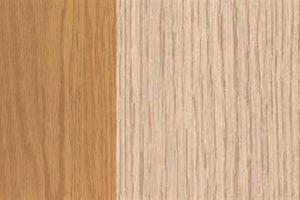
The process of applying a protective and aesthetically pleasing coating to a wooden countertop crafted from multiple pieces of wood joined together is a critical step in its creation and longevity. This procedure enhances the surface’s resistance to moisture, stains, and scratches, all while accentuating the wood’s natural grain and color. An example of this would be the application of food-safe oil to a newly installed maple countertop designed for food preparation.
Proper surface treatment is essential for both the hygiene and durability of wooden countertops. It prevents the absorption of liquids and bacteria, thus safeguarding against potential health risks. Historically, various methods have been employed, ranging from simple oiling to more complex varnish applications, reflecting evolving knowledge and product availability. The advantages of a well-executed treatment include increased lifespan, ease of cleaning, and enhanced visual appeal.
The subsequent sections will detail the preparatory steps involved in ensuring a smooth and receptive surface, explore the range of suitable coating materials available, and outline the techniques for their effective application. Finally, guidance will be provided on maintaining the treated surface to maximize its performance and aesthetic qualities over time.
Guidance for Butcher Block Surface Treatment
The following provides essential advice for achieving optimal results when undertaking the finishing of wooden countertops. Adherence to these principles contributes to a surface that is both durable and aesthetically pleasing.
Tip 1: Acclimation Prior to Treatment: Allow the countertop to acclimatize to the ambient humidity and temperature of the installation environment for a minimum of 72 hours before commencing any surface treatment. This minimizes the likelihood of warping or cracking post-treatment.
Tip 2: Surface Preparation is Paramount: Sand the surface progressively, starting with a coarser grit (e.g., 80-grit) and advancing to finer grits (e.g., 220-grit). This ensures a uniform and smooth substrate, facilitating optimal coating adhesion and a refined finish.
Tip 3: Dust Removal Rigorously: Vacuum the countertop thoroughly after each sanding stage, followed by wiping with a tack cloth. Residual dust compromises the integrity of the coating and creates imperfections in the final finish.
Tip 4: Selection of Appropriate Coating: Choose a coating specifically formulated for wooden countertops that are intended for food preparation. Options include food-safe mineral oil, beeswax blends, or specialized countertop finishes that comply with relevant safety standards.
Tip 5: Apply Thin, Even Coats: Avoid applying the coating too thickly. Multiple thin coats, allowed to dry completely between applications, yield a more durable and consistent finish than a single heavy coat.
Tip 6: Proper Curing Time: Adhere strictly to the manufacturer’s recommended curing time for the selected coating. Premature use of the countertop before complete curing can damage the finish and compromise its protective qualities.
Tip 7: Consistent Maintenance: Regular cleaning with appropriate cleaning solutions, followed by periodic re-application of the coating, preserves the integrity and appearance of the treated surface over extended periods.
Following these guidelines ensures a robust and attractive surface, maximizing the lifespan and functionality of the installed countertop.
The ensuing section addresses common issues encountered during the treatment process and provides effective solutions for their resolution.
1. Surface Preparation

The initial step, surface preparation, bears a direct and profound influence on the ultimate success when the intended result is a well-protected and aesthetically pleasing butcher block surface. Deficiencies in this phase invariably translate into compromised results. For instance, inadequate sanding leads to uneven coating absorption and a coarse final texture. Contaminants left on the surface, such as dust or grease, impede proper adhesion, potentially causing peeling or blistering of the protective layer. A failure to properly address existing imperfections, like scratches or dents, will only serve to highlight these flaws through the subsequent finishing process.
Effective surface preparation for butcher block invariably involves a multi-stage sanding process, progressing from coarser grits to finer grits to achieve a uniformly smooth substrate. This process not only eliminates surface imperfections but also opens the wood pores, facilitating optimal penetration and bonding of the chosen protective coating. Following sanding, meticulous cleaning is paramount, typically involving vacuuming followed by wiping with a tack cloth to remove any residual dust particles. Only a scrupulously clean and smooth surface provides the ideal foundation for a durable and visually appealing outcome.
In summary, meticulous surface preparation is not merely a preliminary step, but an integral component of the entire butcher block finishing process. Its effectiveness dictates the quality, durability, and longevity of the treated surface. Overlooking or underestimating the importance of thorough sanding and cleaning will inevitably compromise the end result, diminishing both the protective qualities and the aesthetic appeal of the finished butcher block.
2. Product Selection

The choice of finishing product directly and significantly influences the outcome and long-term performance of a treated butcher block. It is not simply a matter of aesthetic preference, but a critical decision with ramifications for hygiene, durability, and food safety.
- Food-Safe Certification
A primary consideration is whether the selected product possesses appropriate food-safe certifications. Butcher blocks are frequently used for direct food preparation, necessitating finishes approved for contact with consumables. Failure to select a certified product can introduce harmful chemicals into food, posing a health risk. Mineral oil and beeswax blends are common examples of food-safe options.
- Penetrating vs. Film-Forming Finishes
Finishes can be broadly categorized as penetrating or film-forming. Penetrating oils, such as mineral oil, soak into the wood fibers, providing protection from within. Film-forming finishes, like varnish or polyurethane, create a protective layer on the surface. The choice depends on the desired level of protection and aesthetic. Film-forming finishes offer greater resistance to scratches and stains but may not be suitable for direct food contact unless specifically formulated as food-safe.
- Durability and Maintenance Requirements
Different finishes offer varying levels of durability and require different maintenance regimes. For instance, mineral oil requires regular reapplication to maintain its protective qualities. Film-forming finishes, while more durable, may require occasional refinishing if damaged. The frequency of use and the level of expected wear and tear should guide the selection process.
- VOC Content
Volatile Organic Compounds (VOCs) are emitted by some finishes and can pose environmental and health risks. Selecting low-VOC or zero-VOC products minimizes these risks, promoting a healthier indoor environment. Water-based finishes often have lower VOC content than solvent-based options. Prioritizing low-VOC finishes demonstrates environmental responsibility and safeguards the health of the user.
The interplay between these considerations ultimately determines the suitability of a product for finishing a butcher block. A carefully selected finish will not only enhance the aesthetic appeal of the wood but also provide a safe, durable, and long-lasting surface for food preparation. Conversely, a poorly chosen product can compromise these qualities, resulting in a surface that is both unattractive and potentially hazardous.
3. Application Technique

The manner in which a finish is applied to a butcher block countertop exerts a substantial influence on the resultant surface characteristics, including durability, aesthetic appeal, and protective efficacy. Deviations from recommended application protocols directly correlate with diminished performance and potential structural compromise of the wood. For example, the excessive application of penetrating oil may result in a perpetually tacky surface due to incomplete absorption. Conversely, an insufficient quantity of coating may leave the wood vulnerable to moisture intrusion and staining. Uniformity in application is paramount; streaks or uneven areas not only detract from the visual quality but also represent zones of increased susceptibility to wear and tear.
Proper application necessitates the employment of appropriate tools and techniques. The use of high-quality brushes or lint-free cloths is essential to prevent contamination of the finish and ensure a smooth, consistent layer. Multiple thin coats, rather than a single thick coat, are generally recommended to promote optimal penetration and curing. Each coat should be allowed to dry completely before the subsequent application, following the manufacturer’s specified drying times. The direction of application should align with the wood grain to enhance absorption and minimize the appearance of brush strokes. In situations where spray application is preferred, appropriate safety measures, including adequate ventilation and respiratory protection, must be implemented.
In conclusion, the effectiveness of any chosen finishing product is contingent upon meticulous application. Adherence to established best practices, including the use of proper tools, the application of thin, even coats, and strict adherence to drying times, are critical factors in achieving a durable, aesthetically pleasing, and protective surface for a butcher block countertop. Neglecting these considerations inevitably results in a substandard finish, ultimately diminishing the lifespan and functionality of the wood.
4. Curing Process

The curing process is an indispensable component of surface treatment, directly impacting the durability and performance characteristics of a butcher block countertop. This phase involves the complete hardening and stabilization of the applied finish, transforming it from a liquid or semi-liquid state into a solid, protective barrier. Inadequate curing compromises the finish’s resistance to moisture, heat, and physical abrasions. For instance, prematurely placing hot cookware on an insufficiently cured surface can result in irreversible staining or damage to the finish. Similarly, exposure to excessive moisture before complete curing can cause clouding or peeling, necessitating costly repairs or complete re-application.
The duration and specific conditions required for proper curing vary significantly depending on the type of finish employed. Penetrating oils, such as mineral oil, typically require a shorter curing time compared to film-forming finishes like polyurethane. Environmental factors, including temperature and humidity, also play a crucial role. Elevated humidity levels can impede the curing process, prolonging the time required for the finish to fully harden. Conversely, excessively high temperatures can cause the finish to cure too rapidly, potentially leading to cracking or bubbling. Strict adherence to the manufacturer’s recommended curing times and environmental conditions is, therefore, paramount. Examples include maintaining consistent room temperature and ensuring adequate ventilation to facilitate the evaporation of solvents within the finish.
In summation, the curing process is not merely a passive waiting period but an active and critical step in achieving a successful butcher block finish. Understanding the specific requirements of the chosen finish and meticulously controlling the environmental conditions during curing are essential for maximizing the protective qualities and extending the lifespan of the treated surface. Failure to prioritize this phase undermines the entire surface treatment effort, resulting in a finish that is both aesthetically compromised and functionally deficient, requiring premature re-application or repair.
5. Regular Maintenance

Regular maintenance is intrinsically linked to the overall efficacy and longevity of any surface treatment applied to a butcher block. It serves as the ongoing stewardship necessary to preserve the protective and aesthetic qualities achieved through the initial finishing process. Without consistent care, even the most meticulously applied finish will inevitably degrade, exposing the wood to potential damage and diminishing its visual appeal. The initial finishing procedure sets the stage, but regular maintenance determines the long-term performance.
- Routine Cleaning Protocols
Daily or near-daily cleaning with appropriate, non-abrasive cleaning agents is paramount. This practice prevents the accumulation of food particles, grease, and other contaminants that can degrade the finish and promote bacterial growth. Harsh chemicals or abrasive scrubbers can damage the finish, negating its protective properties. Gentle dish soap diluted in water is often sufficient for routine cleaning. Consistent adherence to gentle cleaning protocols preserves the integrity of the treated surface.
- Periodic Re-application of Finish
Depending on the type of finish applied (e.g., mineral oil, wax blend), periodic re-application is essential to replenish the protective layer. Penetrating oils, in particular, require regular re-application as they are gradually absorbed by the wood or removed through cleaning. The frequency of re-application depends on usage intensity and environmental conditions. Signs of dryness, discoloration, or increased water absorption indicate the need for re-application. Regular replenishment of the finish safeguards against moisture damage and maintains the surface’s luster.
- Prompt Addressing of Stains and Scratches
Immediate attention to stains and minor scratches prevents them from becoming permanent blemishes. Stains should be addressed with appropriate cleaning solutions or mild abrasives, depending on the nature of the staining agent and the type of finish. Minor scratches can often be buffed out or concealed with a fresh application of finish. Delaying treatment allows these imperfections to worsen, potentially requiring more extensive repairs or refinishing. Proactive intervention preserves the visual appeal of the butcher block.
- Environmental Control Considerations
Maintaining stable environmental conditions, particularly humidity levels, contributes to the long-term stability of both the butcher block and its finish. Excessive humidity can promote warping or cracking of the wood, while extremely dry conditions can cause the wood to shrink and the finish to become brittle. Employing humidifiers or dehumidifiers to regulate indoor humidity can mitigate these effects. Shielding the butcher block from direct sunlight can also prevent fading or discoloration of the finish. Careful environmental control enhances the longevity of the finished surface.
These facets of regular maintenance collectively ensure the sustained performance and aesthetic quality of a treated butcher block. Each element contributes to preserving the initial investment in both the butcher block itself and the time and effort expended in its finishing. Neglecting regular maintenance undermines the protective properties of the finish, reduces the lifespan of the butcher block, and ultimately necessitates more frequent and costly repairs or replacements. Therefore, consistent and conscientious maintenance practices are integral to maximizing the value and utility of a finished butcher block countertop.
Frequently Asked Questions
The following addresses common inquiries and misconceptions regarding the process of surface treating butcher block countertops. The intent is to provide clear, concise answers to facilitate informed decision-making.
Question 1: Is surface treatment mandatory for butcher block countertops?
Surface treatment is highly recommended to protect the wood from moisture, stains, and bacteria. Untreated butcher block is susceptible to warping, cracking, and harboring harmful microorganisms, compromising its structural integrity and hygiene.
Question 2: What constitutes a food-safe finish for butcher block?
A food-safe finish is one that has been tested and certified to be safe for direct contact with food. Examples include mineral oil, beeswax blends, and certain specialized countertop finishes that comply with relevant safety standards. Verification of food-safe certification is crucial.
Question 3: How frequently should mineral oil be reapplied to a butcher block countertop?
The frequency of mineral oil reapplication depends on usage intensity and environmental factors. Typically, reapplication is recommended every 3-6 months, or more frequently if the surface appears dry or shows signs of water absorption.
Question 4: Can polyurethane be used to finish a butcher block intended for food preparation?
Standard polyurethane finishes are generally not considered food-safe. However, specialized food-grade polyurethane products are available, though their suitability for direct food contact should be verified with the manufacturer’s specifications.
Question 5: How can scratches be removed from a finished butcher block surface?
Minor scratches can often be removed by lightly sanding the affected area with fine-grit sandpaper and re-applying the finish. Deeper scratches may require more extensive sanding and refinishing.
Question 6: What are the signs that a butcher block finish needs to be reapplied or repaired?
Signs include dryness, discoloration, increased water absorption, peeling, cracking, or the presence of stains that cannot be removed with routine cleaning. Any of these indicators warrant prompt attention to prevent further damage to the wood.
The information provided serves as a general guide. Specific product instructions and professional advice should always be consulted to ensure optimal results.
The following section provides a concluding summary of the key principles of butcher block surface treatment.
Conclusion
The preceding discourse has explored the multifaceted nature of properly treating wooden countertops. From meticulous surface preparation and judicious product selection to precise application techniques, the described processes serve as critical determinants of the finished product’s durability, hygiene, and aesthetic qualities. Adherence to recommended curing protocols and consistent maintenance practices further contribute to the prolonged performance and visual appeal of the treated surface. The intent has been to underscore the importance of a systematic approach to achieving a long-lasting and functional wooden countertop surface.
The information presented provides a foundation for understanding the essential principles involved in obtaining superior surface treatment outcomes. Continued diligence in following established guidelines and adapting to evolving product innovations will remain paramount for maximizing the value and longevity of wooden countertops. Attention to detail and a commitment to best practices represent the enduring pathways toward achieving consistently successful results.