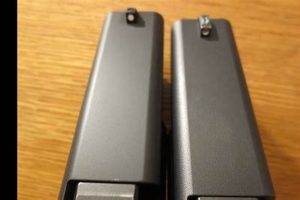
A textured surface treatment imparted to aluminum gives the material a distinctive look. This process involves abrading the metal with brushes or abrasive pads, leaving fine, parallel lines on its surface. The resulting appearance diffuses light, creating a matte sheen that is visually appealing and helps to conceal minor imperfections.
This surface modification enhances aesthetic value and functionality. The textured surface reduces glare and fingerprints, improving the product’s appearance and ease of maintenance. Historically, this technique has been utilized to mimic more expensive materials or provide a modern, industrial aesthetic to various applications, ranging from consumer electronics to architectural elements.
The subsequent sections will delve into the specific methods of achieving this characteristic texture, the applications where it is commonly employed, and the factors to consider when selecting this finishing option for aluminum components.
Considerations for Aluminum with a Brushed Surface
Proper selection and maintenance are essential to maximize the benefits of an aluminum component prepared with a brushed surface. The following points outline key considerations for optimal outcomes.
Tip 1: Alloy Selection. The underlying aluminum alloy significantly impacts the final aesthetic and performance. Softer alloys may exhibit more pronounced brush lines, while harder alloys may require more aggressive techniques. Proper alloy selection is critical based on the application requirements.
Tip 2: Grit Selection. The abrasive grit size used during the brushing process determines the texture’s coarseness. Finer grits create a smoother, more subtle texture, while coarser grits produce a more pronounced, industrial aesthetic. Selecting the appropriate grit ensures the desired appearance is achieved.
Tip 3: Directionality. Maintaining consistent brush direction is crucial for visual uniformity. Variations in directionality can lead to an inconsistent appearance, which may detract from the desired aesthetic. Attention to detail during the finishing process is paramount.
Tip 4: Protective Coatings. Applying a clear coat or anodized layer over the textured surface enhances durability and corrosion resistance. This protective layer shields the aluminum from environmental factors, preserving its appearance over time.
Tip 5: Cleaning Procedures. Abrasive cleaners should be avoided, as they can damage the surface texture. Gentle cleaning with a mild detergent and a soft cloth is recommended to maintain the integrity of the finish.
Tip 6: Application Environment. Consider the intended application environment when specifying this type of finish. In high-wear environments, a more durable protective coating may be necessary to prevent scratches and abrasions.
These considerations are essential for ensuring the longevity and aesthetic appeal of aluminum featuring a brushed surface. Careful attention to these details will result in a product that meets both functional and aesthetic requirements.
The concluding section will summarize the key benefits and applications and offer further insights into industry best practices.
1. Aesthetic Appearance

The aesthetic properties of aluminum modified with a brushed surface are a primary driver of its selection across various industries. The finish significantly influences the perceived value and appeal of the final product. The consistent, linear texture transforms a standard metallic surface into one that is visually interesting and sophisticated.
- Perceived Value Enhancement
The application of this finish elevates the perceived value of a product. The subtle sheen and tactile feel often convey a sense of quality and attention to detail, associating the product with premium design and craftsmanship. This is particularly relevant in consumer electronics, where visual appeal directly impacts purchasing decisions.
- Concealment of Imperfections
The textured nature effectively masks minor surface imperfections, such as scratches or dents, that may occur during manufacturing or use. This functionality extends the product’s lifespan, maintaining its visual integrity even after exposure to wear and tear. This advantage is critical in high-traffic environments, such as architectural applications.
- Modern and Industrial Aesthetic
The finish provides a modern, industrial aesthetic. The clean lines and matte surface offer a contemporary look that aligns with current design trends. This makes it suitable for applications where a minimalist or utilitarian design is desired, such as in furniture or interior design elements.
- Tactile Experience
The brushed surface provides a unique tactile experience. The slight texture offers a pleasant feel, enhancing the user’s interaction with the product. This is particularly important in applications where the product is frequently handled, such as in handles, knobs, or enclosures.
In conclusion, the aesthetic considerations surrounding aluminum with a brushed surface are integral to its wide adoption. The ability to enhance perceived value, conceal imperfections, project a modern aesthetic, and provide a pleasant tactile experience are all key factors contributing to its widespread use and appeal.
2. Surface Texture

Surface texture, in the context of aluminum with a brushed surface, directly defines the tactile and visual characteristics of the material. It is not merely an aesthetic element but a key functional aspect that influences light reflection, wear resistance, and perceived quality.
- Roughness Average (Ra) and its Impact
The Roughness Average (Ra) measures the average height of peaks and valleys on the surface. In aluminum with a brushed surface, Ra dictates the perceived smoothness and the degree of light diffusion. A lower Ra value indicates a smoother surface with more specular reflection, while a higher Ra value signifies a rougher surface with greater light diffusion. Controlled Ra values are essential for achieving specific visual effects and tactile experiences.
- Brush Directionality and Anisotropy
The brushed surface exhibits directionality, meaning its properties vary depending on the direction of measurement. This anisotropy affects light reflection, causing a subtle shimmer or directional sheen. Control over brush directionality is critical for achieving a uniform aesthetic across the entire surface of the aluminum component.
- Surface Area Increase and Adhesion
The brushing process increases the overall surface area of the aluminum. This increase enhances the adhesion of subsequent coatings, such as paints or protective layers. The textured surface provides a mechanical key for these coatings, improving their durability and resistance to delamination.
- Influence on Cleanability and Maintenance
The surface texture affects the ease of cleaning and maintaining the appearance of the finish. Rougher surfaces tend to trap dirt and contaminants more readily, requiring more aggressive cleaning methods. Smoother surfaces, while easier to clean, may exhibit fingerprints more prominently. The optimal surface texture balances aesthetic appeal with practical maintenance considerations.
In summation, surface texture is an integral part of aluminum with a brushed surface, impacting visual appeal, coating adhesion, and maintenance requirements. The specific texture parameters must be carefully controlled to achieve the desired aesthetic and functional properties of the finished product.
3. Alloy Dependent

The selection of aluminum alloy fundamentally dictates the outcome of the brushed finish process. The inherent mechanical properties of different alloys influence the achievable surface texture, the longevity of the finish, and the overall aesthetic appeal. Harder alloys, for instance, necessitate more aggressive abrasion techniques to achieve a pronounced brushed effect, while softer alloys may yield readily to the process but exhibit greater susceptibility to scratching and deformation post-finishing. A mismatch between alloy and brushing technique can result in an inconsistent finish, diminished corrosion resistance, or premature wear. As an example, the 5000 series alloys, known for their high magnesium content, offer excellent corrosion resistance after the brushing process, making them suitable for marine applications. Conversely, the 2000 series alloys, which possess higher strength due to copper additions, require careful handling during brushing to prevent surface defects that could compromise their integrity.
Furthermore, the alloy’s composition influences the rate and extent of oxidation, a critical factor in the long-term performance of the brushed finish. Alloys with higher silicon content, for example, tend to form a more robust oxide layer after brushing, enhancing their resistance to atmospheric corrosion. This consideration is particularly relevant in architectural applications, where aluminum components are exposed to fluctuating environmental conditions. Proper alloy selection also impacts the effectiveness of subsequent surface treatments, such as anodizing or clear coating, which are often applied to enhance the durability and aesthetic appeal of the brushed finish. The interaction between the alloy’s chemical properties and the applied coating determines the overall resistance to corrosion, UV degradation, and abrasion. Case studies in the automotive industry demonstrate that careful alloy selection, coupled with optimized brushing and coating processes, can significantly extend the lifespan and maintain the aesthetic quality of aluminum trim components.
In summary, understanding the alloy-dependent nature of the brushed finish is crucial for achieving optimal results. The proper selection of aluminum alloy, in conjunction with tailored brushing techniques and appropriate surface treatments, ensures the long-term performance and aesthetic integrity of the finished product. Ignoring this interplay can lead to premature failure, compromised appearance, and increased maintenance costs, highlighting the practical significance of a comprehensive understanding of alloy characteristics in the context of the brushing process.
4. Light Reflection

The surface characteristics resulting from brushing aluminum directly influence light reflection properties. Unlike polished aluminum, which exhibits specular reflection (mirror-like), brushed aluminum diffuses light. The fine, parallel lines created during the brushing process scatter incident light, resulting in a matte or satin-like appearance. This diffusion reduces glare and minimizes the visibility of fingerprints and smudges, making it a desirable finish for applications where visual clarity and ease of maintenance are paramount. For example, architectural panels with a brushed finish are often selected for building facades to minimize distracting reflections and maintain a consistent appearance under varying lighting conditions. The degree of light diffusion is directly correlated to the grit size used in the brushing process; finer grits produce a smoother surface with less diffusion, while coarser grits create a more pronounced texture and greater light scattering.
The control of light reflection through the application of a brushed finish is a critical design consideration across diverse industries. In consumer electronics, a brushed aluminum casing on laptops or smartphones reduces glare from ambient light sources, enhancing screen visibility and user comfort. The automotive industry employs brushed aluminum trim to minimize distracting reflections within the cabin, improving driver safety. Furthermore, the ability to manipulate light reflection through surface finishing allows for the creation of visually appealing contrasts and textures within a design. By juxtaposing brushed aluminum with polished or anodized surfaces, designers can create dynamic visual effects that enhance the overall aesthetic of a product.
In summary, the relationship between brushed aluminum and light reflection is one of controlled diffusion. The brushing process transforms the reflective properties of aluminum from specular to diffuse, reducing glare, minimizing fingerprints, and enhancing aesthetic appeal. This controlled diffusion is a critical design element that contributes to the functionality and visual appeal of products across various sectors, highlighting the practical significance of understanding and manipulating light reflection in surface finishing.
5. Maintenance Needs
Maintaining aluminum with a brushed surface requires specific attention to preserve its aesthetic qualities and prevent degradation. The textured nature of this finish necessitates tailored cleaning and protection strategies to ensure longevity and visual appeal.
- Contaminant Removal and Prevention
The brushed surface can trap dirt, fingerprints, and other contaminants within its textured grooves. Regular cleaning with a mild, non-abrasive detergent and a soft cloth is essential to prevent the buildup of these substances, which can dull the finish and potentially lead to corrosion. Protective coatings, such as clear lacquers or waxes, can minimize contaminant adhesion and simplify cleaning procedures.
- Scratch Prevention and Repair
While the brushed finish effectively conceals minor imperfections, it is still susceptible to scratching. Abrasive cleaning products or harsh scrubbing can further mar the surface, exacerbating existing scratches or creating new ones. Scratches can be minimized by avoiding abrasive contact and applying specialized aluminum polishes designed for brushed surfaces. Deep scratches may require professional refinishing to restore the original texture.
- Corrosion Mitigation
Although aluminum is inherently corrosion-resistant, the brushed finish can disrupt the protective oxide layer, making it vulnerable to localized corrosion, particularly in environments with high humidity or exposure to corrosive substances like salt spray. Regular inspection for signs of corrosion and the application of corrosion inhibitors can mitigate this risk. Anodizing the brushed surface provides enhanced corrosion protection.
- Preservation of Uniformity
Maintaining a consistent appearance across the brushed surface is crucial for aesthetic integrity. Uneven cleaning or the use of improper cleaning agents can lead to discoloration or variations in texture. Uniform cleaning techniques and the application of consistent protective coatings are essential to preserve the overall visual harmony of the finish. Over time, exposure to UV radiation can also cause fading or discoloration, necessitating periodic reapplication of protective treatments.
The long-term maintenance of aluminum featuring a brushed surface involves a proactive approach, combining regular cleaning, scratch prevention, corrosion mitigation, and preservation of uniformity. Adherence to these maintenance practices will ensure the sustained aesthetic appeal and durability of the finish, extending its lifespan and maximizing its value in various applications.
6. Manufacturing Process
The creation of an aluminum brushed finish is inextricably linked to the manufacturing process. This process dictates the final aesthetic, the surface’s functional properties, and the overall durability of the material. The brushing technique, equipment used, and control parameters implemented during production are primary determinants of the resulting surface texture. For example, using automated brushing machines ensures consistency in the direction and pressure applied to the aluminum, resulting in a uniform brushed appearance. Conversely, manual methods, while offering greater flexibility for intricate designs, may introduce variations in the finish. The selection of abrasive materials, such as nylon brushes impregnated with aluminum oxide, directly influences the coarseness and reflectivity of the surface. Similarly, the speed of the brushing equipment and the number of passes across the aluminum surface impact the depth and prominence of the brushed lines. In essence, the manufacturing process acts as the cause, with the specific characteristics of the brushed finish being the effect.
A crucial aspect of the manufacturing process is controlling potential defects that can arise during brushing. These defects include inconsistencies in the brush pattern, scratches, and embedded abrasive particles. Implementing quality control measures, such as regular inspections and adjustments to equipment settings, is vital for mitigating these issues. For instance, utilizing filtration systems in wet brushing processes prevents the recirculation of abrasive particles that could scratch the aluminum surface. Furthermore, pre-treatment of the aluminum, such as degreasing and cleaning, ensures optimal adhesion of the brushed finish and minimizes the risk of contamination. Post-treatment processes, such as anodizing or clear coating, enhance the corrosion resistance and durability of the brushed finish, extending its lifespan and maintaining its aesthetic appeal. Consider the production of high-end electronic devices; precise control over the manufacturing process is paramount to achieving the desired premium look and feel of the aluminum casing, thereby influencing the perceived value and market acceptance of the product.
In summary, the manufacturing process is an intrinsic component of achieving a high-quality aluminum brushed finish. The techniques employed, the equipment utilized, and the control measures implemented directly influence the surface texture, durability, and overall aesthetic appeal. While challenges exist in maintaining consistency and preventing defects, a thorough understanding of the manufacturing process and the implementation of robust quality control measures are essential for realizing the full potential of this surface treatment. The ability to consistently produce a visually appealing and durable brushed finish significantly impacts the value and marketability of aluminum products across various industries.
Frequently Asked Questions
The following section addresses common inquiries regarding aluminum with a brushed surface, aiming to clarify misconceptions and provide detailed insights into its properties and applications.
Question 1: Does a brushed surface on aluminum increase its susceptibility to corrosion?
The brushing process itself can, in some instances, disrupt the natural oxide layer on aluminum, potentially increasing susceptibility to corrosion. However, this risk can be mitigated through anodization or the application of protective coatings following the brushing process. Alloy selection also plays a crucial role, with certain alloys exhibiting greater inherent corrosion resistance even after surface modification.
Question 2: How does the grit size used in brushing affect the final appearance of aluminum?
Grit size directly impacts the texture and reflectivity of the brushed surface. Finer grits (higher numbers) create a smoother finish with less pronounced brush lines and greater reflectivity. Coarser grits (lower numbers) produce a more textured surface with more visible brush lines and a matte appearance. The selection of grit size should align with the desired aesthetic and functional requirements of the application.
Question 3: Can a brushed finish be applied to any aluminum alloy?
While a brushed finish can technically be applied to most aluminum alloys, the resulting appearance and durability will vary depending on the alloy’s composition and mechanical properties. Softer alloys may be more prone to scratching during the brushing process, while harder alloys may require more aggressive techniques to achieve the desired texture. Careful alloy selection is therefore essential for optimal results.
Question 4: Is it possible to repair scratches on a brushed aluminum surface?
Minor scratches on a brushed aluminum surface can often be concealed or minimized using specialized aluminum polishes designed for this purpose. However, deeper scratches may require professional refinishing to restore the original texture and appearance. The effectiveness of scratch repair depends on the severity of the damage and the technique employed.
Question 5: Does the brushing direction influence the perceived appearance of the aluminum?
Yes, the brushing direction significantly impacts the perceived appearance. Consistent and uniform brushing direction is crucial for achieving a visually appealing and cohesive finish. Variations in direction can create an uneven or inconsistent appearance, detracting from the overall aesthetic. Careful attention to brushing direction is therefore paramount during the manufacturing process.
Question 6: How does a brushed finish affect the cleanability of aluminum?
The textured surface of brushed aluminum can trap dirt and contaminants more readily than a smooth surface. However, regular cleaning with a mild detergent and a soft cloth is typically sufficient to maintain its appearance. Abrasive cleaners should be avoided, as they can damage the brushed texture and potentially scratch the surface. Protective coatings can also simplify cleaning and prevent the buildup of contaminants.
In conclusion, aluminum with a brushed surface offers a distinct aesthetic and functional appeal. However, its long-term performance depends on careful alloy selection, proper manufacturing techniques, and appropriate maintenance practices.
The subsequent section will present a case study illustrating the practical applications and benefits of aluminum featuring a brushed surface in a real-world scenario.
Conclusion
The preceding exploration has illuminated key facets of aluminum brushed finish. This surface treatment, characterized by fine, parallel lines imparted through abrasion, serves both aesthetic and functional purposes. Alloy selection, grit size, brush directionality, and protective coatings are critical determinants of the final outcome. Proper maintenance is essential for preserving the finish’s visual appeal and mitigating corrosion risk. The manufacturing process fundamentally shapes the quality and consistency of the brushed surface.
Further research and development in brushing techniques and protective coatings are warranted to enhance the durability and expand the application possibilities of aluminum brushed finish. A comprehensive understanding of its properties and limitations is paramount for engineers, designers, and manufacturers seeking to leverage this versatile surface treatment effectively. The continued pursuit of knowledge and innovation in this area will undoubtedly lead to advancements in material science and design.

![Get Finisher's Journal 3.0 PDF Free Download? [Guide] | Best Final Touch: Elevate Your Projects with Professional Finishing](https://bestfinaltouch.com/wp-content/uploads/2026/04/th-248-300x200.jpg "Get Finisher's Journal 3.0 PDF Free Download? [Guide] Best Final Touch: Elevate Your Projects with Professional Finishing")