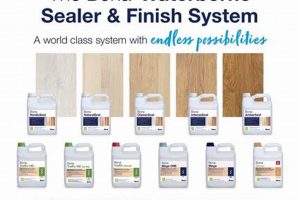
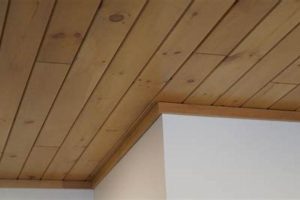
The outermost layer applied to cabinetry serves both an aesthetic and protective purpose. It defines the visual character of the installation, contributing significantly to the overall style of the kitchen. This layer also guards the underlying material from moisture, stains, scratches, and the general wear and tear of daily use. Examples include paint, stain, varnish, lacquer, and specialized coatings formulated for durability.
The selection of this layer is crucial because it impacts not only the appearance but also the longevity and ease of maintenance of the cabinetry. A well-chosen and properly applied layer can extend the lifespan of the cabinets, prevent costly repairs, and simplify cleaning. Historically, choices were limited to simpler stains and varnishes, but advancements in technology have led to a wide array of options offering diverse looks and performance characteristics.
Subsequent sections will delve into the various types available, their properties, the application methods involved, and factors to consider when choosing the most suitable option for specific needs and aesthetic preferences.
Selecting Cabinetry Surface Treatments
Considerations for selecting suitable cabinetry surface treatments can seem complex. The following tips offer practical advice to assist in making informed decisions.
Tip 1: Assess Environmental Factors: Evaluate the kitchen’s moisture levels and exposure to sunlight. Excessive humidity or direct sunlight can degrade certain treatments, leading to premature failure. For instance, avoid water-based products in extremely humid environments.
Tip 2: Determine Durability Requirements: High-traffic kitchens demand more durable treatments. Consider catalyzed varnishes or polyurethane coatings for superior resistance to scratches, stains, and impacts. Less durable treatments might suffice in infrequently used kitchens.
Tip 3: Match the Finish to the Cabinet Material: Different materials require different surface treatments. Solid wood benefits from treatments that enhance its natural grain, whereas MDF or laminate may require treatments that provide a smooth, uniform surface. Consult manufacturer recommendations for optimal results.
Tip 4: Understand the Sheen Level: Sheen levels impact both aesthetics and maintenance. High-gloss treatments are easier to clean but reveal imperfections more readily. Matte treatments conceal imperfections better but may require more effort to clean.
Tip 5: Consider the Application Method: The chosen application method influences the final outcome. Spraying typically yields a smoother, more uniform surface than brushing or rolling. However, spraying often requires specialized equipment and expertise.
Tip 6: Prioritize Proper Surface Preparation: Regardless of the chosen treatment, proper surface preparation is essential. This includes cleaning, sanding, and priming the cabinetry to ensure optimal adhesion and a flawless appearance. Failure to adequately prepare the surface can result in peeling, cracking, or uneven color.
Tip 7: Factor in Long-Term Maintenance: Different treatments require different maintenance routines. Some may necessitate periodic re-application, while others may only require routine cleaning. Select treatments that align with available time and resources for maintenance.
Adhering to these guidelines leads to a durable and aesthetically pleasing result, enhancing the kitchen’s appearance and value. Selecting the appropriate cabinetry surface treatment involves careful consideration of various factors beyond initial aesthetics.
The subsequent section will cover specific product recommendations and case studies, demonstrating the application of these principles in real-world scenarios.
1. Durability

Durability, in the context of kitchen cabinetry surface treatments, refers to the capacity of the applied layer to withstand the rigors of daily use and environmental factors without significant degradation. This characteristic is paramount, impacting the long-term appearance and functionality of the installed cabinetry. Selection hinges on a balance between aesthetic preferences and the ability to resist common kitchen hazards.
- Abrasion Resistance
Abrasion resistance refers to the ability of a surface treatment to withstand scratching, scuffing, and general wear from physical contact. Kitchens are high-traffic areas, and cabinet surfaces are frequently subjected to contact with cookware, utensils, and cleaning implements. Treatments with poor abrasion resistance will show signs of wear quickly, diminishing their aesthetic appeal and potentially exposing the underlying material to damage. Catalyzed varnishes and specific polyurethane formulations are known for their superior abrasion resistance.
- Chemical Resistance
Chemical resistance denotes the ability of the surface treatment to withstand exposure to common household chemicals, such as cleaning agents, spills, and food substances. Many cleaning products contain solvents or acids that can degrade or discolor less resistant treatments. Similarly, spills from acidic foods like vinegar or citrus can leave permanent marks. Epoxies and certain pre-catalyzed lacquers demonstrate exceptional chemical resistance.
- Moisture Resistance
Moisture resistance refers to the capacity of the surface treatment to prevent water penetration and subsequent damage to the underlying cabinet material. Kitchens are inherently humid environments, and exposure to water from spills, cleaning, and dishwashing is unavoidable. Water penetration can lead to swelling, warping, and delamination of the cabinet substrate. Conversion varnishes and marine-grade coatings are often employed to provide superior moisture resistance.
- UV Resistance
UV resistance indicates the ability of the surface treatment to withstand prolonged exposure to ultraviolet (UV) radiation from sunlight without fading, yellowing, or cracking. Cabinets located near windows are particularly susceptible to UV damage. Certain pigments and additives can enhance UV resistance, preventing premature degradation of the surface treatment. Acrylic lacquers and UV-cured coatings often exhibit good UV resistance properties.
The interplay of these factors defines the overall durability of the surface. A treatment may excel in one area but falter in another. Therefore, careful consideration of the specific demands of the kitchen environment is essential when selecting a suitable treatment. Failure to account for these durability aspects can lead to costly repairs or premature replacement of the cabinetry.
2. Aesthetics
The aesthetic dimension of kitchen cabinetry surface treatments profoundly influences the perceived quality and style of the entire space. The selected treatment dictates the visual character, impacting the overall ambiance and reflecting the homeowner’s preferences. Careful consideration of aesthetic factors is essential for achieving a cohesive and visually pleasing kitchen design.
- Color and Tone
The color and tone of the cabinetry surface treatment establish the dominant visual theme of the kitchen. Light colors can create a sense of spaciousness and airiness, while darker tones evoke a feeling of warmth and sophistication. For example, a pale gray or white finish can modernize a traditional kitchen, while a deep walnut stain lends a more classic and formal appearance. Color choices should complement the existing decor and lighting conditions to create a harmonious and inviting atmosphere.
- Sheen Level
The sheen level, ranging from matte to high-gloss, significantly affects how light interacts with the cabinet surface. Matte treatments diffuse light, concealing imperfections and creating a soft, understated look. High-gloss treatments reflect light, enhancing brightness and creating a sleek, contemporary aesthetic. However, high-gloss treatments also tend to highlight surface imperfections more readily. Semi-gloss or satin finishes strike a balance between reflectivity and concealment, making them versatile choices for various kitchen styles.
- Texture and Pattern
The texture and pattern, whether inherent to the wood grain or introduced through decorative techniques, add visual interest and tactile dimension to the cabinetry. Smooth, uniform surfaces create a clean and modern look, while textured or distressed surfaces add character and a sense of history. Wood grain patterns can be emphasized with staining techniques or concealed with opaque paints. The choice of texture and pattern should align with the overall design concept and personal preferences.
- Hardware Integration
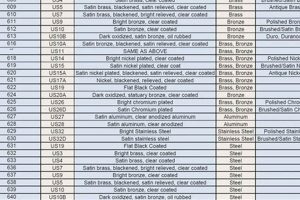
The integration of hardware, such as knobs, pulls, and hinges, with the surface treatment enhances the overall aesthetic coherence. The hardware should complement the color, sheen, and style of the cabinets. For example, brushed nickel hardware pairs well with light-colored shaker cabinets, while oil-rubbed bronze hardware complements darker, more traditional styles. Coordinating hardware creates a unified and polished look, elevating the overall aesthetic appeal of the kitchen.
These aesthetic elements, in concert, determine the final impression of the cabinetry. From creating a bright, modern space to evoking a cozy, traditional atmosphere, the careful selection of surface treatments is paramount in achieving the desired aesthetic outcome. Ignoring these considerations can result in a disjointed or unappealing kitchen design, underscoring the importance of a holistic approach.
3. Application

The application process is inextricably linked to the final quality and performance of surface treatments on kitchen cabinetry. The method of application directly influences the uniformity, adhesion, and overall appearance of the treatment. Inadequate application techniques negate the potential benefits of even the highest-quality materials. For instance, a premium conversion varnish, if improperly applied with uneven coverage, will provide insufficient protection and exhibit visual defects such as runs or sags. The selection of an appropriate application method, therefore, is as crucial as the selection of the treatment itself.
Different surface treatments necessitate specific application methods to achieve optimal results. Spraying, whether with conventional air spray, airless spray, or HVLP (High Volume Low Pressure) systems, is often preferred for achieving a smooth, even finish, particularly with paints and lacquers. This method allows for consistent film thickness and minimizes brush strokes or roller marks. However, spraying requires controlled environments and specialized equipment to prevent overspray and ensure proper ventilation. Brushing and rolling, while simpler and requiring less specialized equipment, demand considerable skill to avoid visible brush strokes or roller textures. These methods are often suitable for stains and certain varnishes where a slight texture is acceptable or even desirable. Furthermore, the preparation of the cabinet surface prior to application is paramount. Proper cleaning, sanding, and priming ensure adequate adhesion and prevent defects from telegraphing through the treatment layer. A failure to properly prepare the surface inevitably leads to premature failure of the surface treatment, regardless of the application method employed.
In conclusion, the application of surface treatments for kitchen cabinetry is not merely a superficial step but an integral component of achieving a durable, aesthetically pleasing, and long-lasting result. The selection of the appropriate application method, coupled with meticulous surface preparation and skillful execution, is essential for realizing the full potential of the chosen surface treatment. Neglecting the significance of proper application undermines the investment in materials and compromises the overall quality of the kitchen design.
4. Maintenance

Maintenance is a critical consideration directly influencing the long-term appearance and functionality of kitchen cabinetry. The selected surface treatment dictates the necessary maintenance procedures and frequency, impacting the homeowner’s ongoing responsibilities and the cabinet’s sustained visual appeal.
- Cleaning Procedures
Different surface treatments necessitate varying cleaning procedures. High-gloss finishes, while aesthetically appealing, often require frequent cleaning to remove fingerprints and smudges, employing gentle, non-abrasive cleaners to prevent scratching. Matte finishes, conversely, are more forgiving regarding fingerprints but may require more vigorous cleaning to remove stubborn stains. The selected cleaning agents must be compatible with the specific surface treatment to avoid discoloration or damage. Neglecting proper cleaning protocols leads to a gradual degradation of the finish and a diminished appearance over time.
- Repair Protocols
The ease and feasibility of repairing damage to kitchen cabinet surface treatments vary considerably. Minor scratches or chips in painted surfaces can often be concealed with touch-up paint. However, repairing damage to stained or lacquered surfaces may require more extensive refinishing, potentially involving professional services. Some surface treatments, such as those with specialized textures or patterns, are difficult to match precisely during repair, leading to noticeable inconsistencies. Understanding the repair protocols associated with a specific surface treatment is essential for managing long-term maintenance and mitigating the impact of accidental damage.
- Environmental Factors
Environmental factors, such as humidity and sunlight exposure, influence the maintenance requirements of kitchen cabinet surface treatments. Excessive humidity can cause swelling and warping in certain wood finishes, necessitating climate control measures and periodic inspections. Prolonged exposure to direct sunlight can lead to fading or discoloration, requiring UV-resistant coatings and strategic shading. Monitoring and mitigating these environmental factors prolongs the lifespan of the surface treatment and reduces the need for frequent maintenance.
- Reapplication and Refinishing
Some kitchen cabinet surface treatments require periodic reapplication or refinishing to maintain their protective properties and aesthetic appeal. Varnishes and waxes, for instance, may need to be reapplied every few years to maintain their moisture resistance and sheen. Refinishing, involving the complete removal and replacement of the surface treatment, is typically required for more extensive damage or wear. Understanding the reapplication and refinishing requirements of a chosen surface treatment is essential for budgeting long-term maintenance costs and planning for periodic upkeep.
The selection of a kitchen cabinet surface treatment directly impacts the ongoing maintenance burden. Factors such as ease of cleaning, repair protocols, susceptibility to environmental factors, and the need for reapplication or refinishing must be carefully considered. Choosing a surface treatment that aligns with the homeowner’s lifestyle and maintenance capabilities ensures the long-term preservation of both the cabinets’ functionality and their visual appeal.
5. Material Compatibility

Material compatibility, in the context of cabinetry surface treatments, is the degree to which a given coating or finish is chemically and physically suited to adhere to and perform effectively on a particular substrate material. The selection of a surface treatment without due consideration for material compatibility can lead to premature failure, compromised aesthetics, and increased maintenance costs.
- Wood Species and Grain
Different wood species possess varying densities, porosities, and oil contents, directly affecting the absorption and adhesion of surface treatments. For example, open-grained woods like oak require pore fillers prior to the application of smooth coatings to prevent an uneven finish. Resinous woods, such as pine, may require specialized primers to prevent resin bleed-through. Failure to account for these variations can result in inconsistent color, poor adhesion, and an unsatisfactory final appearance.
- Engineered Wood Products
Engineered wood products, such as MDF (Medium Density Fiberboard) and plywood, present unique challenges for surface treatments. MDF, due to its smooth, non-porous surface, requires specialized primers to ensure adequate adhesion. Plywood, with its alternating grain direction, may be susceptible to telegraphing, where the grain pattern shows through the applied finish. The type of adhesive used in the manufacture of the engineered wood product can also influence the compatibility of certain surface treatments.
- Existing Finishes and Coatings
When refinishing kitchen cabinets, the compatibility of the new surface treatment with any existing finishes or coatings is paramount. Applying a water-based finish over an oil-based finish, or vice versa, without proper preparation can lead to delamination and adhesion failure. Thorough sanding and the use of appropriate bonding primers are often necessary to ensure compatibility between different types of finishes.
- Environmental Considerations
Environmental factors, such as temperature and humidity, can influence the compatibility of surface treatments with different materials. Extreme temperature fluctuations can cause expansion and contraction in both the cabinet substrate and the applied finish, leading to cracking or peeling. High humidity levels can affect the curing process of certain coatings, resulting in a soft or tacky finish. Selecting surface treatments that are compatible with the expected environmental conditions is crucial for long-term durability.
The interplay of these factors underscores the importance of a comprehensive understanding of material properties when selecting surface treatments for kitchen cabinets. A mismatch between the treatment and the underlying material not only compromises the aesthetic outcome but also jeopardizes the structural integrity and longevity of the cabinetry. Therefore, careful consideration of material compatibility is an indispensable element of successful kitchen design and renovation projects.
Frequently Asked Questions
This section addresses frequently encountered inquiries concerning the selection, application, and maintenance of surface treatments for kitchen cabinetry. The following questions aim to clarify common points of confusion and provide practical guidance for homeowners and professionals alike.
Question 1: What factors influence the durability of kitchen cabinets finishes?
The durability of surface treatments is affected by several factors, including abrasion resistance, chemical resistance, moisture resistance, and UV resistance. Environments with high levels of humidity or exposure to direct sunlight require finishes with enhanced protective properties. Furthermore, the frequency of use and potential for spills or impacts necessitates a finish capable of withstanding such stresses.
Question 2: How does sheen level impact the aesthetics and maintenance of a finish?
Sheen level significantly influences the visual appearance and ease of maintenance. High-gloss finishes offer a reflective, modern aesthetic but require more frequent cleaning to remove fingerprints and smudges. Matte finishes conceal imperfections better but may necessitate more intensive cleaning to remove stubborn stains. The selection of sheen level depends on the desired aesthetic and the homeowner’s tolerance for maintenance.
Question 3: What are the key considerations for preparing cabinet surfaces before applying finishes?
Proper surface preparation is essential for ensuring optimal adhesion and a flawless appearance. This includes thoroughly cleaning the surfaces to remove dirt, grease, and contaminants. Sanding is necessary to create a smooth, uniform surface and to provide a mechanical key for the finish to adhere to. Priming is recommended to seal the surface, block stains, and improve adhesion. Neglecting proper surface preparation can lead to peeling, cracking, or uneven color.
Question 4: What are the common application methods for kitchen cabinets finishes, and when is each appropriate?
Spraying, brushing, and rolling are common application methods. Spraying is preferred for achieving a smooth, even finish, particularly with paints and lacquers, but requires specialized equipment and controlled environments. Brushing and rolling are suitable for stains and certain varnishes, but demand skill to avoid visible brush strokes or roller textures. The appropriate method depends on the type of finish, the desired aesthetic, and the available equipment and expertise.
Question 5: How should one address minor damage, such as scratches or chips, to kitchen cabinets finishes?
Minor scratches or chips can often be addressed with touch-up paint or specialized repair kits. The repair method depends on the type and severity of the damage. For painted surfaces, touch-up paint that matches the original color can be applied carefully to conceal the imperfection. For stained or lacquered surfaces, specialized repair kits containing fillers and colorants may be required. More extensive damage may necessitate professional refinishing.
Question 6: What factors influence the long-term maintenance requirements of kitchen cabinets finishes?
Long-term maintenance requirements are influenced by the type of finish, the environmental conditions, and the level of use. Finishes that are more resistant to abrasion, chemicals, and moisture require less frequent maintenance. Environmental factors, such as humidity and sunlight exposure, can accelerate the degradation of certain finishes. Regular cleaning and periodic inspections are essential for identifying and addressing potential problems early on.
In summary, informed decisions regarding cabinetry surface treatments require a comprehensive understanding of durability, aesthetics, application techniques, and maintenance requirements. Addressing these considerations proactively ensures a long-lasting and visually appealing kitchen.
The subsequent section will offer case studies illustrating the application of these principles in diverse kitchen settings.
Conclusion
This exploration of kitchen cabinets finishes has emphasized the critical role they play in both the aesthetic and functional longevity of kitchen cabinetry. From durability and maintenance to material compatibility and application techniques, a nuanced understanding of these elements is essential for informed decision-making. The selection of appropriate surface treatments is not merely a cosmetic consideration but a fundamental aspect of kitchen design that directly impacts the long-term value and usability of the space.
The ongoing evolution of materials and application technologies ensures a continued expansion of available options. Prudent consideration of the information presented herein will empower homeowners and professionals to navigate these choices effectively, ensuring that their investment in kitchen cabinetry yields lasting satisfaction. Thoughtful planning and execution remain paramount in achieving the desired outcome.