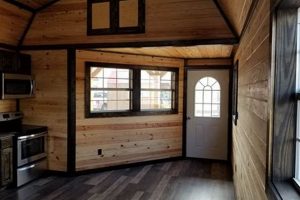
The process of preparing an unfinished storage area for regular use is a home improvement project undertaken by many property owners. This preparation commonly involves insulating walls, installing drywall or other wall coverings, adding electrical outlets and lighting, and potentially incorporating heating or cooling systems. These alterations transform a raw, often utilitarian space into a functional extension of the home. For example, an unfinished space primarily used for parking vehicles and storing tools can be converted into a workshop, a home office, or an additional living area.
Completing this type of home renovation can significantly increase property value and expand usable living space. Historically, garages were primarily intended for vehicle storage; however, modern needs often require more flexible and adaptable spaces within a home. Transforming this area allows homeowners to maximize their property’s potential, addressing needs such as hobby space, home-based businesses, or growing families. Furthermore, properly executed renovations can improve energy efficiency and create a more comfortable environment throughout the year.
Understanding the steps involved, potential challenges, and cost considerations are crucial before embarking on such a project. The following sections will detail the typical phases of the conversion process, from initial planning and permitting to final inspections and occupancy.
Essential Considerations
Proper planning and execution are paramount for a successful outcome. Adhering to established best practices can minimize complications and ensure a valuable enhancement to the property.
Tip 1: Secure Necessary Permits: Compliance with local building codes is mandatory. Obtaining the appropriate permits ensures that the work meets safety standards and avoids potential legal issues later.
Tip 2: Prioritize Insulation: Adequate insulation is crucial for temperature regulation and energy efficiency. Insulating walls, ceilings, and doors will create a comfortable environment year-round and reduce energy costs.
Tip 3: Plan Electrical Wiring Carefully: The electrical system should be designed to accommodate current and future needs. Consult with a qualified electrician to ensure proper wiring, sufficient outlets, and adequate lighting.
Tip 4: Consider Moisture Control: Addressing potential moisture issues is essential for preventing mold growth and structural damage. Install a vapor barrier and ensure proper ventilation.
Tip 5: Choose Durable Flooring: The flooring should be chosen based on intended use and durability. Epoxy coatings or concrete sealers are popular choices for their resilience and ease of maintenance.
Tip 6: Install Adequate Lighting: Sufficient lighting is critical for functionality and safety. Consider a combination of ambient, task, and accent lighting to create a well-lit and versatile space.
Tip 7: Ensure Proper Ventilation: Adequate ventilation is crucial to prevent the buildup of fumes, odors, and moisture. Consider installing an exhaust fan or a ventilation system, especially if the space will be used as a workshop or for activities that generate pollutants.
Tip 8: Plan for Storage Solutions: Incorporate storage solutions to maximize space utilization. Install shelving, cabinets, or overhead storage systems to keep the area organized and clutter-free.
Implementing these suggestions enhances the practicality, comfort, and value of the remodeled area, creating a more functional and appealing space.
The subsequent discussion will address common challenges encountered during the renovation process and offer solutions for overcoming them.
1. Permitting Compliance

Securing the necessary permits represents a foundational element in the process of transforming an unfinished area. This compliance ensures the project aligns with established municipal and regional building codes, thereby protecting both the homeowner and the community.
- Zoning Regulations
Zoning regulations dictate the allowable uses of a property. Converting an area for uses beyond vehicle storage, such as a residential living space or a commercial workshop, may require adherence to specific zoning ordinances. Failure to comply can result in fines, legal action, and the potential forced reversal of the project to its original state. For instance, operating a business from the remodeled space in a residential zone might violate zoning restrictions.
- Building Codes and Safety Standards
Building codes establish minimum safety standards for structural integrity, electrical systems, plumbing, and fire safety. Permits ensure that the planned work adheres to these codes, reducing the risk of hazards. Examples include using appropriate wiring gauges, installing fire-rated drywall, and ensuring proper ventilation. Compliance with these standards protects occupants from potential risks such as electrical fires, structural collapses, and carbon monoxide poisoning.
- Inspection Processes
The permitting process typically involves inspections at various stages of construction. These inspections verify that the work conforms to the approved plans and building codes. Inspectors may examine the framing, electrical wiring, plumbing, and insulation. Failing an inspection can result in delays and the need for corrective actions, adding to the project’s cost and timeline. These inspections serve as quality control measures, ensuring the completed work meets the required standards.
- Impact on Property Value and Insurance
Permitted and inspected renovations typically increase property value and facilitate insurance coverage. Unpermitted work may not be recognized by appraisers or insurance companies, potentially reducing the resale value of the home and creating challenges in obtaining homeowners’ insurance. Insurance claims related to unpermitted work may be denied, leaving the homeowner responsible for repair costs. Demonstrating compliance with building codes provides assurance of a safe and structurally sound renovation.
Adhering to permitting requirements is not merely a bureaucratic formality but an integral step in ensuring a safe, legal, and valuable transformation. Proper adherence minimizes future liabilities, increases property value, and provides peace of mind that the renovation meets established safety and quality standards.
2. Structural Integrity

The structural soundness of the existing building is paramount before commencing any renovation. Ensuring the framework can support the intended modifications is critical for both safety and long-term stability. Assessment and reinforcement, if necessary, must precede interior modifications.
- Foundation Assessment
The foundation provides the base support for the entire structure. A thorough examination for cracks, settling, or water damage is essential. Issues like hairline cracks may be superficial, but significant cracking or shifting necessitates professional evaluation. Untreated foundation problems can propagate upwards, compromising the entire structure. In some instances, underpinning or other reinforcement methods may be required before proceeding.
- Wall and Framing Evaluation
The walls and framing bear the loads transferred from the roof and upper levels. Inspecting for signs of rot, insect infestation, or structural damage is crucial. Replacing compromised studs, reinforcing load-bearing walls, or adding additional supports may be necessary. Furthermore, alterations like adding windows or doors require careful attention to load distribution to prevent weakening the structure.
- Roof Support Capability
The roof structure must be capable of withstanding anticipated snow loads, wind forces, and the weight of roofing materials. Inspecting for sagging, damaged rafters, or compromised sheathing is critical. Reinforcing the roof structure may be necessary, especially if considering adding a second story or heavier roofing materials. Proper roof support is fundamental to the overall structural integrity of the building.
- Load-Bearing Considerations
Any intended modifications must account for load-bearing capacity. Changing wall configurations, adding heavy equipment, or altering the roofline can significantly impact the structure’s ability to bear weight. Consulting with a structural engineer is advisable when undertaking substantial modifications to ensure the design adequately addresses load distribution and meets safety standards. Failure to account for load-bearing considerations can lead to structural failure.
Therefore, evaluating and, if necessary, reinforcing the existing building constitutes a fundamental prerequisite before initiating interior work. Addressing any structural deficiencies proactively prevents future problems and ensures the long-term viability of the renovated space.
3. Electrical Capacity

Adequate electrical capacity is an essential consideration when preparing an unfinished structure for expanded use. Insufficient electrical infrastructure can limit the functionality of the renovated space and pose safety hazards. A thorough assessment of existing capacity and planned electrical needs is crucial for a successful and safe transformation.
- Load Calculation and Service Panel Assessment
Determining the total electrical load requires calculating the power consumption of all anticipated appliances, lighting, and equipment. The existing service panel must be assessed to determine if it can handle the increased load. Overloading the panel can result in tripped breakers, damaged equipment, and potential fire hazards. Upgrading the service panel may be necessary to accommodate increased power demands, ensuring safe and reliable electrical supply.
- Wiring and Circuit Planning
Proper wiring and circuit planning are essential for distributing electricity safely and efficiently throughout the space. Each circuit should be designed to handle a specific load, and wiring should conform to local electrical codes. Utilizing appropriate wire gauges and grounding techniques is paramount to prevent overheating and electrical shock. The placement of outlets and switches should be carefully planned to maximize convenience and functionality.
- Dedicated Circuits for High-Power Appliances
High-power appliances such as heaters, air conditioners, power tools, and welders require dedicated circuits to prevent overloading existing circuits. Running a dedicated circuit ensures that these appliances receive adequate power without interfering with the operation of other electrical devices. Failure to provide dedicated circuits can lead to tripped breakers, voltage drops, and potential damage to the appliances themselves. This consideration is particularly important if the space is intended for use as a workshop or hobby area.
- Grounding and Safety Measures
Proper grounding is essential for preventing electrical shock and protecting against power surges. All electrical outlets and equipment should be properly grounded. Ground Fault Circuit Interrupters (GFCIs) should be installed in areas where moisture is present, such as near sinks or in damp locations. GFCIs can quickly detect ground faults and shut off power, preventing electrical shock. Implementing these safety measures minimizes the risk of electrical accidents and ensures a safe environment.
Therefore, comprehensive evaluation and strategic upgrading of electrical capacity is not merely an adjunct to the renovation process, but a fundamental requirement for functionality and safety. Appropriate electrical infrastructure supports the intended use of the transformed space and protects occupants from potential electrical hazards.
4. Climate Control
Maintaining a stable and comfortable environment is a key objective when converting an unfinished area into a functional space. Climate control directly influences usability, preventing temperature extremes and mitigating moisture-related issues. Effective strategies are integral to maximizing the value and habitability of the transformed area.
- Insulation Implementation
Insulation forms the foundation of effective climate control. Proper insulation minimizes heat transfer, reducing energy consumption and stabilizing temperatures. Common materials include fiberglass batts, spray foam, and rigid foam boards. The choice of insulation depends on the climate, budget, and desired R-value. For example, colder climates necessitate higher R-values in walls and ceilings to prevent heat loss. Conversely, warmer climates benefit from insulation that resists heat gain, keeping the space cooler. Adequate insulation also reduces condensation, preventing moisture-related problems like mold and mildew.
- Heating and Cooling Systems Selection
Selecting appropriate heating and cooling systems is crucial for maintaining consistent temperatures. Options range from ductless mini-split systems to forced-air furnaces and air conditioners. Ductless systems offer targeted heating and cooling without requiring extensive ductwork, making them suitable for smaller spaces. Forced-air systems provide centralized heating and cooling, but they require existing ductwork or the installation of new ducts. The choice depends on the size of the area, insulation levels, and personal preferences. Energy-efficient systems can significantly reduce utility bills and environmental impact.
- Ventilation Strategies
Proper ventilation is essential for controlling moisture and maintaining air quality. Ventilation systems remove stale air and introduce fresh air, preventing the buildup of pollutants and humidity. Options include exhaust fans, whole-house ventilation systems, and passive ventilation strategies. Exhaust fans are effective for removing moisture from bathrooms and kitchens, while whole-house systems provide continuous ventilation throughout the space. Passive ventilation involves strategically placed windows and vents that allow for natural airflow. Adequate ventilation reduces the risk of mold growth, improves indoor air quality, and enhances overall comfort.
- Moisture Management Techniques
Moisture management is critical for preventing water damage and maintaining a healthy environment. Techniques include installing vapor barriers, sealing cracks and gaps, and ensuring proper drainage. Vapor barriers prevent moisture from migrating through walls and ceilings, reducing the risk of condensation. Sealing cracks and gaps prevents water infiltration and air leaks. Proper drainage ensures that water flows away from the foundation, preventing water damage to the structure. Effective moisture management protects the investment and ensures the long-term durability of the renovation.
Implementing these climate control strategies enhances the usability, comfort, and value of the remodeled area. Insulation, heating/cooling systems, ventilation, and moisture management work together to create a stable and healthy environment, maximizing the potential of the transformed space. Prioritizing these elements is essential for a successful and sustainable renovation.
5. Functional Layout

The strategic arrangement of space within a finished structure directly influences its utility and user experience. In the context of a converted storage area, a well-conceived layout maximizes usability, optimizes workflow, and ensures the space meets its intended purpose, whether it be for recreational activities, a home-based business, or supplemental living space.
- Zoning and Activity Segregation
Effective layout planning involves dividing the area into distinct zones based on function. For example, a workshop might allocate separate areas for woodworking, metalworking, and assembly. A home office could include a dedicated workspace, a client meeting area, and storage solutions. Zoning prevents activity overlap, minimizes distractions, and enhances overall efficiency. Strategic placement of these zones minimizes disruption and promotes focused activity within each designated area.
- Traffic Flow and Accessibility
Optimizing traffic flow ensures ease of movement throughout the converted area. Clear pathways prevent congestion and minimize the risk of accidents. Doorways, hallways, and furniture placement should facilitate unimpeded access to all areas. Consider the accessibility needs of all potential users, incorporating wider doorways or ramps if necessary. A well-planned traffic pattern enhances the usability and safety of the space.
- Storage Solutions and Space Utilization
Integrating effective storage solutions is critical for maximizing usable space. Utilizing vertical storage options, such as shelving and cabinets, minimizes floor clutter and enhances organization. Overhead storage systems can effectively utilize unused ceiling space. Built-in storage solutions can blend seamlessly into the overall design. Thoughtful storage planning ensures that tools, equipment, and materials are readily accessible yet neatly stored, contributing to a more functional and aesthetically pleasing environment.
- Lighting and Electrical Considerations
The layout should incorporate strategic lighting and electrical placement to support the intended activities. Task lighting should be provided in work areas, while ambient lighting creates a comfortable atmosphere. Outlets should be conveniently located to power equipment and appliances without the need for extension cords. The layout should ensure that lighting and electrical systems are safe, accessible, and meet the specific needs of each zone within the space. This integration enhances functionality and safety.
Therefore, meticulous attention to functional layout constitutes a cornerstone of successful renovations. Careful consideration of zoning, traffic flow, storage solutions, and lighting optimizes space utilization and enhances the overall usability and value of the transformed structure.
6. Material Selection

The selection of appropriate materials is a decisive factor in the success and longevity of converting an unfinished area. The materials chosen directly influence durability, maintenance requirements, aesthetic appeal, and overall cost-effectiveness of the project. Informed decision-making regarding materials is essential to achieve desired outcomes and maximize the investment.
- Flooring Durability and Suitability
The choice of flooring impacts the functionality and longevity of the renovated space. Concrete, epoxy coatings, and interlocking tiles are common options, each with distinct characteristics. Concrete, while durable, may require sealing to prevent dust and moisture infiltration. Epoxy coatings offer chemical resistance and ease of cleaning, making them suitable for workshops. Interlocking tiles provide cushioning and are often used in recreational areas. The selected flooring must withstand anticipated traffic, resist damage from potential spills or impacts, and offer ease of maintenance to ensure long-term performance.
- Wall Covering Options and Performance
Wall coverings contribute significantly to the aesthetics and functionality of the renovated space. Drywall is a common choice, providing a smooth surface for painting or wallpaper. Plywood offers increased durability and is often used in workshops or areas requiring greater impact resistance. Insulated panels provide both insulation and a finished surface, simplifying the construction process. The chosen wall covering must resist moisture, withstand potential impacts, and contribute to the overall thermal performance of the area.
- Insulation Types and Thermal Efficiency
Selecting appropriate insulation is crucial for climate control and energy efficiency. Fiberglass batts, spray foam, and rigid foam boards are common insulation materials, each with varying R-values and installation requirements. Fiberglass batts are cost-effective but require careful installation to prevent gaps. Spray foam provides excellent insulation and air sealing but is more expensive. Rigid foam boards offer high R-values and are often used for exterior walls. The chosen insulation must effectively resist heat transfer, prevent moisture condensation, and contribute to a comfortable and energy-efficient environment.
- Lighting Fixtures and Energy Consumption
The selection of lighting fixtures directly impacts the functionality and energy consumption of the renovated space. LED fixtures offer energy efficiency and long lifespan, making them a cost-effective choice. Fluorescent fixtures provide bright illumination but may consume more energy. Incandescent fixtures offer warm lighting but are less energy-efficient. The chosen lighting fixtures must provide adequate illumination for the intended activities, minimize energy consumption, and contribute to a comfortable and visually appealing environment.
The careful selection of flooring, wall coverings, insulation, and lighting, therefore, constitutes an important aspect of successful renovations. Balancing durability, functionality, aesthetics, and cost-effectiveness ensures the renovated space meets its intended purpose and provides long-term value to the property owner.
Frequently Asked Questions
This section addresses common inquiries and concerns related to converting an unfinished storage area into a functional living or working space.
Question 1: Is obtaining a permit truly necessary, even for seemingly minor alterations?
Yes, compliance with local building codes is essential, regardless of the perceived scope of the project. Permitting ensures adherence to safety standards, protects property value, and prevents potential legal issues or fines.
Question 2: What are the potential long-term consequences of neglecting proper insulation?
Inadequate insulation results in increased energy consumption, temperature fluctuations, and potential moisture problems leading to mold growth. This impacts comfort and can degrade structural components over time.
Question 3: How critical is it to consult a qualified electrician during the planning phase?
Consultation with a certified electrician is crucial for safe and compliant electrical wiring. It ensures adequate capacity, proper circuit planning, and adherence to electrical codes, minimizing the risk of fire or electrical hazards.
Question 4: Why is moisture control such a frequently emphasized aspect of this type of project?
Controlling moisture is paramount to prevent structural damage and mold growth. Proper ventilation, vapor barriers, and effective drainage mechanisms mitigate the risk of moisture-related problems, ensuring a healthier and more durable space.
Question 5: What factors should be considered when selecting flooring materials for a converted garage space?
Flooring selection should account for intended usage, durability requirements, and ease of maintenance. For instance, epoxy coatings are suitable for workshops due to their chemical resistance, while interlocking tiles offer cushioning for recreational areas.
Question 6: Are there specific lighting considerations unique to these types of conversions?
Lighting should be strategically planned to support specific activities within the transformed area. Task lighting is necessary for work areas, while ambient lighting contributes to overall comfort. Energy-efficient LED fixtures are generally recommended for their longevity and cost-effectiveness.
Proper planning and execution, along with adherence to building codes and safety guidelines, are essential for transforming an unfinished storage area into a valuable extension of the home.
The next section will provide a summary of key considerations and potential pitfalls to avoid during the conversion process.
Concluding Remarks
The preceding exploration has delineated essential aspects of the undertaking. Careful planning, adherence to regulations, and appropriate material selection are critical determinants of success. Mitigating structural deficiencies, ensuring adequate electrical capacity, and implementing effective climate control measures are paramount for safety and long-term value. A thoughtfully designed layout optimizes usability and enhances the functionality of the newly transformed space. Neglecting these facets can result in costly remediation and diminished property value.
Thorough consideration of the discussed principles enables informed decision-making and facilitates the successful conversion of an underutilized area into a valuable asset. Diligence and foresight are vital to realizing the full potential of the project and ensuring a beneficial outcome for all stakeholders. The process should be approached with a focus on quality, safety, and compliance, resulting in a durable and functional addition to the property.