Cosmetic products promising a flawless and refined appearance are gaining traction in the beauty industry. These formulations often aim to minimize the visibility of imperfections such as pores, fine lines, and uneven skin tone. For instance, a primer with light-diffusing particles can create a smoother canvas for subsequent makeup application, resulting in a more polished look.
The appeal of these products lies in their potential to enhance the user’s natural features while simultaneously providing a confidence boost. Historically, individuals have sought methods to improve their appearance, and contemporary formulations represent an evolution of this pursuit. The advantages can range from improving self-esteem to projecting a professional image.
The following sections will delve into the specific types of these refining cosmetics, their application techniques, and considerations for different skin types to achieve optimal results.
Achieving a Refined Complexion
The following guidelines provide insights into utilizing cosmetic products designed to create a flawless complexion. Emphasis is placed on techniques that maximize the effectiveness of these formulations for a polished appearance.
Tip 1: Priming is Essential: Application of a primer before foundation is crucial. Primers fill in pores and fine lines, providing a smooth base for even makeup distribution. Silicone-based primers are particularly effective for this purpose.
Tip 2: Employ Light-Diffusing Technology: Products containing light-diffusing particles can blur imperfections and create a soft-focus effect. These are often found in powders and foundations.
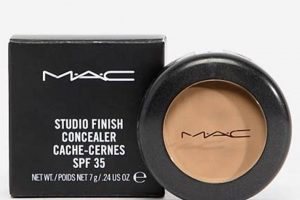
Tip 3: Strategic Concealer Placement: Concealer should be applied sparingly only to areas requiring additional coverage, such as under the eyes or blemishes. Overuse can lead to a cakey appearance.
Tip 4: Opt for Buildable Coverage: Products with buildable coverage allow for customized application. Begin with a thin layer and gradually add more to areas that need it. This prevents a heavy look.
Tip 5: Setting with a Translucent Powder: A light dusting of translucent powder sets makeup and prevents creasing. Focus on the T-zone where oil production is typically higher.
Tip 6: Hydration is Key: Proper skin hydration is paramount. Well-hydrated skin responds better to makeup application and contributes to a natural-looking finish.
Tip 7: Blend Thoroughly: Careful blending is vital to ensure a seamless transition between products. Use a damp makeup sponge or a blending brush for optimal results.
Adhering to these recommendations promotes a refined and sophisticated aesthetic by enhancing the skin’s natural appearance and minimizing visible imperfections.
The subsequent section will discuss specific product recommendations and application techniques tailored to individual skin types.
1. Smoothness

Smoothness is a foundational component of the sought-after aesthetic achieved through refining cosmetic products. The presence of surface irregularities such as enlarged pores, fine lines, and uneven texture detracts from the desired polished appearance. Therefore, the application of products designed to create a smooth canvas is crucial to realizing the intended effect. An example is the use of silicone-based primers, which fill in these imperfections, thereby minimizing their visibility. This provides an even surface for subsequent application of foundation and other makeup products.
The causal relationship between a smooth skin surface and the appearance of flawless makeup is direct. Without a smooth base, makeup tends to settle into imperfections, accentuating rather than concealing them. For instance, foundation applied to skin with enlarged pores may appear uneven and cakey, negating the intended purpose of enhancing the complexion. The practical significance of understanding this relationship lies in the ability to select and utilize appropriate products and techniques to effectively mitigate these surface irregularities.
In conclusion, achieving a refined and perfected makeup look is intrinsically linked to the smoothness of the underlying skin surface. While challenges such as deeply rooted wrinkles or severe scarring may require professional intervention, the judicious use of products designed to create a smooth base is a fundamental step in attaining a “magic finish.” This principle is critical for makeup artists and consumers alike in navigating the vast array of cosmetic offerings and selecting those most likely to deliver the desired outcome.
2. Blurring
Blurring, within the context of achieving a refined aesthetic through cosmetic application, denotes the strategic minimization of visual imperfections. This process is integral to formulations promising a flawless or ‘magic finish’, as it addresses the often-unavoidable realities of skin texture, including pores, fine lines, and minor blemishes. The efficacy of blurring agents contributes significantly to the perceived quality and effectiveness of these cosmetic products.
- Light Diffusion Technology
Light diffusion involves the incorporation of particles that scatter light in multiple directions. These particles, often composed of silica or polymers, reduce the prominence of shadows cast by skin imperfections. For example, a primer containing light-diffusing particles can create a soft-focus effect, making pores appear less noticeable. This manipulation of light is a key component in achieving a smoother, more uniform complexion in photographs and in person.
- Soft-Focus Ingredients
Certain ingredients are specifically formulated to impart a ‘soft-focus’ effect. These components, such as finely milled powders or specialized emollients, contribute to a subtle blurring of the skin’s surface. An illustration is the use of a translucent powder to set foundation; the powder not only mattifies the skin but also softens the appearance of fine lines, resulting in a more youthful visage.
- Color Correction
Color correction principles play a role in blurring through the neutralization of discoloration. For instance, a green-tinted primer can visually diminish redness caused by rosacea or acne. By counteracting unwanted hues, color correction creates a more even-toned canvas, thereby contributing to the overall blurring effect and a seemingly flawless finish.
- Texture Enhancement
Blurring also encompasses the improvement of skin texture itself. Products containing ingredients such as hyaluronic acid can hydrate the skin, plumping up fine lines and reducing their visibility. Similarly, gentle exfoliants can remove dead skin cells, resulting in a smoother surface that reflects light more evenly. This texture refinement is essential for optimizing the effectiveness of other blurring techniques.
In summary, blurring is a multi-faceted process within the realm of cosmetic application aimed at achieving a ‘magic finish’. It relies on light diffusion, soft-focus ingredients, color correction, and texture enhancement working synergistically to diminish the visibility of imperfections and create the illusion of a smooth, flawless complexion. The effectiveness of these techniques is crucial in fulfilling the promise of a refined and perfected aesthetic through cosmetic products.
3. Radiance

The concept of radiance is integral to achieving what is often termed a “magic finish” in makeup application. It transcends mere luminosity, encompassing a holistic effect of vitality and health projected through the skin. This section will delineate the facets contributing to the attainment of this radiant quality.
- Optimal Hydration and Skin Health
The foundational element of radiance is intrinsic skin health, primarily maintained through adequate hydration. Dehydrated skin appears dull and lacks the ability to reflect light effectively. A well-hydrated epidermis exhibits a natural plumpness, facilitating a smooth light reflection and contributing significantly to a radiant appearance. For instance, incorporating hydrating serums or moisturizers containing hyaluronic acid in a skincare routine can enhance the skin’s inherent luminosity, forming the base for a “magic finish.”
- Strategic Illumination
Strategic application of illuminating products enhances specific facial features, further contributing to radiance. Highlighters containing light-reflecting particles, when applied to the high points of the face (cheekbones, brow bone, cupid’s bow), create the illusion of heightened bone structure and a youthful glow. However, judicious application is crucial; excessive or inappropriate highlighter placement can result in an artificial or unnatural appearance, detracting from the intended effect. An example of effective strategic illumination involves using a subtle champagne-toned highlighter on the cheekbones to catch and reflect light, imparting a healthy radiance.
- Minimizing Light Absorption
Radiance is enhanced by minimizing factors that absorb light, such as uneven skin tone and surface texture. Products designed to even out skin tone, such as color-correcting primers or foundations, create a more uniform canvas for light reflection. Similarly, addressing texture irregularities through exfoliation or the use of pore-filling primers ensures a smoother surface, minimizing shadows and maximizing light reflection. The removal of dead skin cells via gentle exfoliation, for instance, reveals a brighter, more radiant complexion by reducing light absorption.
- Internal Illumination
While cosmetic products play a significant role, the concept of “internal illumination” is also relevant. A healthy diet, adequate sleep, and stress management contribute to overall well-being, manifesting as a natural radiance. Conversely, factors such as smoking, excessive alcohol consumption, and chronic stress can diminish skin vitality and luminosity. This underscores the importance of holistic lifestyle choices in achieving and maintaining a radiant complexion that can be further enhanced by cosmetic application, contributing to the desired “magic finish.”
In conclusion, achieving a radiant “magic finish” is a multifaceted endeavor encompassing intrinsic skin health, strategic product application, and lifestyle considerations. Radiance isn’t solely about shimmer or glitter but a reflection of healthy, well-cared-for skin that interacts optimally with light. The integration of these principles enables the user to create a complexion that appears both flawless and naturally luminous.
4. Longevity

Longevity, in the context of refining cosmetic application, refers to the duration a makeup application maintains its intended appearance throughout a period of activity. Its relevance to achieving a refined or ‘magic finish’ lies in ensuring the initial polished effect is not merely transient, but rather endures over time, providing sustained confidence and aesthetic consistency.
- Proper Skin Preparation
The foundation for extended makeup wear lies in diligent skin preparation. This encompasses cleansing, exfoliation, and hydration tailored to individual skin types. Cleansing removes surface oils and debris that can interfere with product adhesion. Exfoliation eliminates dead skin cells, creating a smoother canvas and preventing product buildup. Hydration ensures skin is supple and receptive to makeup application, preventing dehydration-related breakdown of products throughout the day. Neglecting these steps can lead to premature wear, creasing, and an overall degradation of the ‘magic finish’.
- Strategic Product Layering
The sequence and technique of product application are pivotal for longevity. Primers, for example, create a barrier between skin and subsequent makeup layers, improving adhesion and preventing oil breakthrough. Lightweight, buildable formulations allow for customization without overwhelming the skin, reducing the likelihood of caking or shifting. Setting sprays, often containing polymers, form a protective film that minimizes transfer and enhances wear time. Employing these layering strategies ensures the ‘magic finish’ remains intact for an extended duration.
- Environmental Factors and Mitigation
Environmental elements such as humidity, temperature fluctuations, and physical contact can significantly impact makeup longevity. Humidity can cause products to break down and migrate, while temperature extremes can alter their consistency and adhesion. Minimizing exposure to these factors, such as using blotting papers to control shine or avoiding excessive touching of the face, can preserve the ‘magic finish’. Additionally, selecting water-resistant or waterproof formulations provides added protection against moisture-related deterioration.
- Touch-Up Techniques
Despite meticulous preparation and application, some degree of touch-up may be necessary to maintain the ‘magic finish’ throughout the day. Carrying blotting papers to control oil, a compact powder for minimizing shine, and a lip product for reapplication are essential for quick and discreet maintenance. These touch-ups should be performed sparingly, focusing only on areas exhibiting wear or shine, to avoid over-application and a heavy appearance.
The interplay of these elementsthorough preparation, strategic layering, environmental awareness, and appropriate touch-up techniquescollectively contribute to the longevity of a makeup application and, consequently, the sustained realization of the sought-after ‘magic finish’. The endurance of this refined aesthetic enhances the overall effect, solidifying the perception of polished, lasting beauty.
5. Coverage

The term “coverage,” when associated with cosmetics purporting to deliver a “magic finish makeup,” refers to the degree to which a product conceals or diminishes the visibility of skin imperfections. These imperfections may include blemishes, hyperpigmentation, uneven skin tone, and vascular irregularities. The level of coverage achieved is a critical determinant of the final aesthetic outcome; insufficient coverage fails to adequately address the underlying concerns, while excessive coverage can create an unnatural or mask-like appearance. The ideal level of coverage strikes a balance, effectively minimizing imperfections while maintaining a degree of natural skin texture and translucency. As a practical example, consider an individual with mild rosacea. A product offering sheer coverage would likely not effectively neutralize the redness, thus failing to achieve a “magic finish.” Conversely, a heavy, full-coverage foundation could successfully conceal the rosacea but might simultaneously obscure natural skin features, resulting in an artificial look. Therefore, selecting a medium-coverage foundation with a green-toned primer, specifically formulated to counteract redness, offers a more nuanced approach.
The practical application of this understanding requires a careful assessment of individual skin needs and preferences. Factors such as skin type, severity of imperfections, and desired level of makeup intensity must be considered. For example, individuals with oily skin may benefit from matte formulations that offer buildable coverage, allowing for customized application in areas requiring additional concealment. Those with dry skin may opt for hydrating foundations with light to medium coverage to avoid accentuating dryness or texture. Furthermore, the selection of application tools and techniques significantly influences the final result. The use of a damp makeup sponge can sheer out the coverage of a product, creating a more natural finish, while a dense brush can provide more concentrated coverage. The interaction of product formulation, application technique, and individual skin characteristics collectively dictates the final level of coverage and its contribution to the overall “magic finish.”
In summary, “coverage” is an indispensable element in the pursuit of a refined cosmetic aesthetic. It represents the targeted concealment of imperfections while striving for a balance between flawlessness and naturalness. Challenges lie in accurately assessing individual needs and selecting appropriate products and techniques to achieve the desired level of coverage. A comprehensive understanding of these factors is crucial for effectively harnessing the potential of cosmetics to deliver a truly “magic finish,” one that enhances natural beauty rather than masking it.
6. Refinement

Refinement, in the context of achieving a magic finish makeup look, is the culminating process of perfecting the overall aesthetic. It represents the meticulous attention to detail required to transform a basic makeup application into a polished and seemingly effortless appearance. This stage encompasses techniques that smooth transitions, minimize imperfections that might have been overlooked during initial application, and enhance the overall harmony of the final composition. The absence of refinement can undermine the effectiveness of even the most skillful application, resulting in a look that, while potentially well-executed in its individual components, lacks the cohesion necessary to be considered truly “magic.” As an example, consider a makeup application where the foundation perfectly matches the skin tone and the eyeshadow is expertly blended. However, if the edges of the contour are harsh or the highlight is applied too heavily, the overall effect will lack refinement and appear less polished. In contrast, a refined application would feature seamlessly blended contour, a subtly placed highlight, and a general impression of natural enhancement.
The practical significance of understanding refinement lies in its ability to elevate a makeup application from ordinary to extraordinary. This process involves several key elements. Firstly, blending is paramount. This extends beyond the initial blending of individual products; it requires a critical assessment of the entire face to ensure that all transitions are smooth and undetectable. Secondly, attention must be paid to small details, such as stray hairs, uneven eyeliner, or lipstick that has bled beyond the lip line. These seemingly minor imperfections can significantly detract from the overall refined effect. Thirdly, a final assessment of the makeup in various lighting conditions is crucial. What appears flawless in one lighting environment may reveal imperfections in another. Therefore, ensuring that the makeup looks polished in natural light, artificial light, and flash photography is essential for achieving a truly “magic finish.”
In summary, refinement is not merely an optional step in makeup application, but rather an indispensable component of achieving a truly polished and “magic finish” look. It encompasses the meticulous attention to detail, strategic blending, and critical assessment necessary to elevate a makeup application from basic to flawless. While individual elements such as foundation, contour, and eyeshadow are important, it is the refinement process that ties them together, creating a seamless and effortlessly beautiful result. This necessitates a commitment to precision and a keen eye for detail, transforming the final application into more than the sum of its parts.
Frequently Asked Questions
The following questions address common inquiries and misconceptions surrounding the application and understanding of cosmetics designed to achieve a refined and flawless appearance.
Question 1: What distinguishes a “magic finish makeup” product from conventional cosmetics?
Products marketed as providing a “magic finish” typically incorporate advanced formulations and technologies aimed at minimizing visible imperfections such as pores, fine lines, and uneven skin tone. These often include light-diffusing particles, silicone polymers, and specialized pigments designed to create a smoother, more even complexion than standard cosmetics may offer.
Question 2: Is a “magic finish makeup” application suitable for all skin types?
While products targeting a flawless finish are generally formulated to be versatile, individual skin types may require specific considerations. Oily skin may necessitate oil-free or mattifying formulations to prevent shine, while dry skin may benefit from hydrating products to avoid caking or flaking. Patch testing is recommended to assess compatibility with individual skin conditions.
Question 3: Does achieving a “magic finish” require professional makeup artistry skills?
While professional artistry can undoubtedly enhance the outcome, achieving a refined aesthetic is attainable with proper product selection, application techniques, and attention to detail. Numerous resources, including tutorials and guides, are available to assist individuals in mastering these techniques.
Question 4: Can a “magic finish” makeup application completely eliminate the need for skincare?
Cosmetics designed to create a flawless finish should not be considered a substitute for a comprehensive skincare routine. Proper cleansing, exfoliation, and hydration are essential for maintaining skin health and creating a favorable canvas for makeup application. Cosmetics primarily enhance appearance, while skincare addresses underlying skin conditions.
Question 5: Are “magic finish makeup” products typically more expensive than regular makeup?
Products promising a refined or flawless finish may incur a higher cost due to advanced formulations, specialized ingredients, and marketing efforts. However, achieving the desired effect is not solely dependent on product price. Effective application techniques and a focus on key products can yield comparable results with less expensive options.
Question 6: How does lighting impact the appearance of “magic finish makeup”?
Lighting significantly affects the perceived appearance of makeup. Different lighting conditions can accentuate or minimize certain features and imperfections. Assessing makeup in natural light, artificial light, and flash photography is crucial to ensure a consistent and refined finish across various environments.
In conclusion, achieving a polished and flawless makeup application requires a comprehensive understanding of product formulations, application techniques, and individual skin characteristics. While products promising a “magic finish” can be effective, their success hinges on informed selection and skillful execution.
The subsequent section will explore specific product recommendations tailored to various skin types and concerns.
Conclusion
This exploration of “magic finish makeup” has elucidated the multifaceted nature of achieving a refined cosmetic aesthetic. It encompasses strategic blending, and critical attention to detail. Its reliance on smooth skin, proper hydration, and quality products requires skillful execution. The techniques that promise longevity is also vital in the products.
As the beauty industry evolves, consumers must prioritize informed choices and responsible application to derive genuine benefit from refining cosmetic products. The pursuit of a flawless appearance should complement, rather than supplant, genuine self-acceptance and well-being. Future advancements are likely to focus on increased customization and enhanced integration with skincare, further blurring the lines between cosmetic enhancement and fundamental skin health.