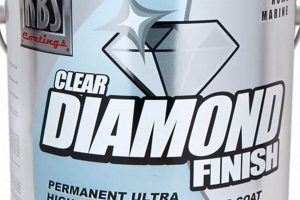
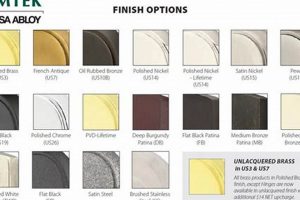
A protective or decorative coating applied to the surface of a table is crucial for both its aesthetic appeal and functional longevity. This layer shields the underlying material from damage caused by spills, scratches, heat, and general wear and tear. Examples include varnish, lacquer, polyurethane, oil-based treatments, and even specialized paints, each offering varying levels of protection and visual characteristics.
The selection of this coating directly impacts the durability and maintainability of the table. A well-chosen and properly applied surface treatment enhances the grain and natural beauty of wood, while providing a barrier against moisture and environmental factors. Historically, natural oils and waxes were used. Modern formulations offer improved resistance and easier application processes, signifying a marked advancement.
The remainder of this article will delve into the specific types of coatings, their application methods, and considerations for selecting the optimal solution based on the table’s material and intended use. Further sections will address surface preparation, safety precautions, and troubleshooting common application issues.
Surface Coating Best Practices
Optimal results during surface coating application rely on adhering to established best practices. These guidelines ensure both the longevity and aesthetic quality of the table.
Tip 1: Surface Preparation is Paramount: Thoroughly sand the table surface to create a smooth and even substrate. Remove all dust and debris with a tack cloth prior to application. Failure to prepare the surface adequately will compromise adhesion and result in an uneven appearance.
Tip 2: Select an Appropriate Coating: Consider the table’s material, intended use, and desired aesthetic. Polyurethane offers excellent durability for high-traffic surfaces, while oil-based coatings enhance the natural grain of wood. Choosing the wrong coating can lead to premature failure or an undesirable appearance.
Tip 3: Apply Thin, Even Coats: Multiple thin coats are preferable to a single thick coat. Thin coats allow for proper curing and minimize the risk of drips, runs, and bubbles. Use a high-quality brush or spray gun for even distribution.
Tip 4: Maintain a Controlled Environment: Apply the surface coating in a well-ventilated area with a stable temperature and humidity. Extreme temperatures or high humidity can affect the curing process and lead to imperfections.
Tip 5: Allow Adequate Drying Time: Follow the manufacturer’s recommended drying times between coats and before placing the table into service. Rushing the drying process can result in a soft, tacky surface that is susceptible to damage.
Tip 6: Consider a Sanding Sealer: Applying a sanding sealer before the final protective layer can help to fill pores in the wood, creating a smoother and more uniform surface. This is particularly important for open-grained woods.
Tip 7: Practice Proper Application Techniques: Learn and use appropriate application techniques, such as brushing with the grain of the wood and maintaining a consistent spray pattern. Inconsistent application can lead to visible imperfections.
Adhering to these practices will significantly enhance the quality and longevity of any surface-coating project, ensuring both functional protection and aesthetic appeal.
The subsequent sections will provide in-depth information on troubleshooting and maintenance, contributing to a comprehensive understanding of surface coating applications.
1. Durability

The longevity of a tabletop is directly contingent upon the durability of its surface coating. A robust coating withstands the rigors of daily use, resisting scratches, abrasions, liquid penetration, and heat damage. The absence of adequate durability in a surface treatment invariably leads to premature wear, necessitating repairs or complete refinishing. For example, a dining table subjected to frequent use requires a more resilient coating, such as a catalyzed varnish or two-part epoxy, compared to a seldom-used side table.
The connection between a surface treatment’s composition and its performance under stress is a crucial determinant of its overall value. Polyurethane coatings, known for their hardness and resistance to chemical solvents, are often preferred for commercial environments or households with young children. Conversely, traditional oil-based finishes, while aesthetically pleasing, offer less physical protection and require more frequent maintenance. The selection process, therefore, should prioritize the expected level of wear and tear and the desired lifespan of the tabletop.
Ultimately, the durability of a surface treatment directly impacts the life cycle cost of a table. While initially less expensive options may exist, their lack of resilience often results in more frequent repairs and eventual replacement. Investing in a durable, high-quality coating, therefore, represents a long-term strategy for preserving the integrity and value of the furniture. This proactive approach minimizes maintenance requirements and ensures the continued aesthetic appeal and functional utility of the tabletop.
2. Appearance

The aesthetic quality of a table is inextricably linked to its surface treatment. The chosen coating significantly influences the visual characteristics of the wood or substrate, impacting the overall perception and value of the furniture.
- Gloss Level
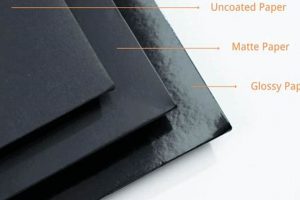
The degree of reflectivity, ranging from matte to high gloss, dictates the perceived formality and light interaction with the surface. A matte surface minimizes glare and highlights the wood grain, while a high-gloss surface creates a sleek, modern aesthetic. The selection must align with the intended style and use of the table. For example, a formal dining table may benefit from a higher gloss, while a rustic coffee table might be better suited to a matte finish.
- Color and Clarity
The chosen surface can enhance, alter, or obscure the natural color and grain of the underlying material. Clear coatings accentuate the wood’s inherent beauty, while tinted or opaque coatings can introduce new colors or mask imperfections. Some coatings may exhibit a slight ambering effect over time, deepening the color of the wood. This factor should be considered when selecting a coating to achieve the desired long-term aesthetic.
- Texture and Smoothness
The tactile sensation and visual uniformity of the surface contribute to its overall appeal. A flawlessly smooth coating provides a luxurious feel and reflects light evenly, while a textured surface can add character and conceal minor imperfections. The application technique and sanding process significantly impact the final texture. Coatings with self-leveling properties can help to achieve a smoother finish with minimal effort.
- Grain Enhancement
Certain coatings accentuate the wood grain, creating a more visually dynamic surface. Oil-based finishes, for instance, tend to penetrate the wood and highlight its natural patterns. The degree of grain enhancement depends on the coating’s composition and application method. Careful consideration should be given to whether the goal is to emphasize or minimize the wood’s natural grain.
The interplay of these factors ultimately determines the aesthetic impact of a surface treatment. The correct selection, therefore, requires a thorough understanding of the available options and their potential effects on the overall appearance of the table. Failure to consider these nuances can result in a surface that detracts from the furniture’s value, while a well-chosen coating can enhance its beauty and create a lasting impression.
3. Protection

The safeguarding of a table’s surface is a primary function of any applied treatment. This protective barrier directly influences the table’s resistance to damage and its overall longevity. The selection of a specific protective measure must align with the table’s intended use and the environmental factors to which it will be exposed.
- Resistance to Liquids
A critical aspect of surface defense is the ability to repel liquids. Spills from water, beverages, and cleaning agents can cause staining, warping, or degradation of the underlying material if the coating is inadequate. Protective formulations, such as polyurethane or epoxy, create an impervious barrier, preventing liquid penetration and preserving the table’s integrity. Conversely, less resistant coatings may require immediate cleaning to avoid permanent damage. The choice of material should reflect the likelihood and type of liquid exposure anticipated.
- Scratch and Abrasion Resistance
Daily use inevitably leads to the potential for scratches and abrasions. The protective layer must possess sufficient hardness and resilience to withstand contact with objects placed on the table’s surface. Certain coatings, like those containing ceramic particles or UV-cured acrylics, offer superior scratch resistance compared to softer alternatives. The Mohs hardness scale provides a relative measure of a material’s resistance to scratching; higher-rated coatings provide greater protection against common household abrasives.
- Heat Resistance
Exposure to elevated temperatures can damage certain surface coatings. Hot dishes, cups, or appliances can leave marks or cause blistering and discoloration. Heat-resistant coatings, typically formulated with thermosetting resins, provide a barrier against thermal degradation. The specific heat tolerance varies depending on the coating’s composition; higher-temperature applications require specialized formulations designed to withstand extreme conditions. Consideration of potential heat sources is essential when selecting a protective layer for a table.
- UV Protection
Prolonged exposure to ultraviolet (UV) radiation from sunlight can cause fading, discoloration, and deterioration of the coating. UV-resistant coatings contain additives that absorb or reflect UV radiation, preventing damage to the underlying material and preserving the table’s original color and appearance. This protection is particularly important for tables located near windows or in outdoor settings. The level of UV protection should be a key consideration when selecting a surface treatment for sun-exposed furniture.
The selection of a surface treatment with appropriate defensive properties is paramount for ensuring the long-term preservation of a table. These protective measures directly mitigate the effects of daily use and environmental factors, extending the table’s lifespan and maintaining its aesthetic appeal. The investment in a high-quality, protective coating represents a proactive approach to safeguarding the furniture’s value and functionality.
4. Application
The process of applying a surface treatment is inextricably linked to the final quality and performance of that treatment. The most durable and aesthetically pleasing protective layer will fail if improperly applied. The skill and method employed during application directly influence adhesion, uniformity, and the overall protective qualities of the surface. For example, a catalyzed lacquer, valued for its hardness and clarity, requires specific spray equipment and precise mixing ratios. Deviation from these requirements results in inadequate curing, poor adhesion, and an ultimately compromised surface.
Moreover, surface preparation plays a critical role in the application’s success. Contaminants, uneven sanding, or residual moisture can impede adhesion and create visual defects. A practical example is the application of an oil-based polyurethane coating to a poorly sanded surface. The resulting surface will exhibit uneven gloss, trapped air bubbles, and diminished resistance to wear. This highlights the importance of meticulous surface preparation as an integral component of the application process. Furthermore, environmental conditions during application, such as temperature and humidity, directly impact the curing process and the final surface integrity.
In conclusion, the application phase is not merely a procedural step but a critical determinant of the surface coating’s effectiveness. Understanding the intricacies of surface preparation, material compatibility, and appropriate application techniques is essential for achieving a durable, aesthetically pleasing, and long-lasting result. The challenges inherent in achieving perfect application necessitate continuous learning and adherence to best practices within the finishing trade. The effectiveness of any surface treatment is directly proportional to the quality of its application.
5. Maintenance

Surface treatment preservation is directly tied to the implementation of consistent and appropriate maintenance routines. The longevity and aesthetic appeal of a surface coating are contingent upon regular cleaning and preventative measures. Neglecting proper maintenance can lead to premature degradation of the protective layer, necessitating costly repairs or complete refinishing. The relationship between the treatment and ongoing upkeep is one of cause and effect: the surface treatment provides initial protection, while maintenance actions determine the duration and effectiveness of that protection.
The selection of cleaning agents and techniques must align with the specific type of applied coating. Abrasive cleaners can scratch or dull certain formulations, such as lacquers or varnishes, while solvent-based cleaners can damage oil-based finishes. Conversely, a gentle soap solution and a soft cloth are generally suitable for routine cleaning of most surfaces. Regular dusting prevents the buildup of abrasive particles that can cause microscopic scratches over time. Immediate removal of spills prevents staining and potential damage to the underlying wood. Consider the practical example of a polyurethane-coated dining table: frequent spills are likely, thus prompt cleaning with appropriate cleaners is critical to prevent long term permanent stains.
Ultimately, the effectiveness of any protective treatment is maximized through a proactive maintenance strategy. Understanding the specific care requirements of the chosen coating ensures its long-term performance and minimizes the need for extensive repairs or refinishing. Consistent, appropriate maintenance preserves the integrity of the treatment and safeguards the table’s aesthetic and functional value. Addressing maintenance requirements early in the decision-making process will extend the life of your chosen surface treatment
6. Material Compatibility

The interaction between a tabletop’s substrate and the applied surface treatment is a critical determinant of the finish’s performance and longevity. Incompatibility between the material of the table and the protective coating can lead to adhesion failures, discoloration, and premature deterioration, negating the intended benefits of the treatment.
- Wood Porosity and Coating Penetration
Different wood species exhibit varying degrees of porosity, affecting the absorption and adhesion of surface treatments. Open-grained woods, such as oak and ash, require specialized filling or sealing before applying a finish to prevent excessive absorption and ensure a smooth surface. Failure to address the porosity can result in an uneven appearance, inadequate protection, and eventual peeling or cracking of the coating. In contrast, dense, closed-grained woods, like maple and cherry, may require less preparation but necessitate careful selection of coatings to ensure proper adhesion.
- Adhesive Properties and Substrate Composition
The chemical composition of both the tabletop material and the surface coating dictates the strength of the adhesive bond between them. Some coatings may react adversely with certain wood extractives or existing treatments, resulting in poor adhesion or discoloration. For example, applying a water-based finish over an oil-based stain without proper preparation can lead to adhesion failures. Similarly, coatings containing strong solvents can damage or dissolve certain plastic or laminate tabletops. Compatibility charts and test applications are essential for verifying the adhesive properties and preventing adverse reactions.
- Expansion and Contraction Rates
Wood and other tabletop materials expand and contract with changes in temperature and humidity. The surface coating must possess sufficient flexibility to accommodate these dimensional changes without cracking or peeling. Rigid coatings applied to substrates with high expansion rates are prone to failure, particularly in environments with fluctuating temperature and humidity. Flexible coatings, such as certain polyurethanes or acrylics, are better suited for these applications. Understanding the expansion and contraction properties of both the tabletop material and the surface coating is crucial for selecting a compatible system.
- Chemical Reactivity and Surface Sensitivity
Certain tabletop materials are sensitive to specific chemicals found in surface treatments. For example, some acids can etch or stain marble or other natural stone tabletops, while strong solvents can dissolve or damage plastic laminates. The chosen coating must be chemically inert and non-reactive with the substrate to prevent discoloration, etching, or other forms of damage. Material Safety Data Sheets (MSDS) provide information on the chemical composition and potential hazards of coatings, allowing for informed selection and application.
These considerations underscore the importance of assessing material compatibility prior to applying any surface treatment. A mismatched combination can compromise the aesthetic appeal, protective qualities, and longevity of the tabletop. Careful selection and testing are essential for ensuring a successful and durable finish.
7. Cost-effectiveness
The selection of a surface treatment requires a thorough evaluation of its cost relative to its long-term performance and aesthetic value. This evaluation extends beyond the initial purchase price to encompass application costs, maintenance requirements, and expected lifespan. A comprehensive understanding of these factors is essential for achieving true cost-effectiveness.
- Initial Material Costs and Coverage
The upfront cost of surface treatments varies significantly based on composition, brand, and volume. Higher-quality coatings often command a premium price but may offer greater coverage per unit, reducing the overall material cost. For instance, a less expensive varnish may require multiple coats to achieve adequate protection, while a single coat of a more costly polyurethane might provide superior results. Cost comparisons should consider the area to be covered and the number of coats required to achieve the desired level of protection and aesthetic appeal.
- Application Labor and Skill Requirements
The complexity of application affects labor costs, whether the work is performed by a professional or a DIY enthusiast. Some coatings, such as spray lacquers, necessitate specialized equipment and expertise, increasing the labor component. Simpler coatings, like wipe-on oils, can be applied with minimal skill and equipment, reducing overall costs. The skill requirements also impact the likelihood of errors and rework, which can add to the total expense. Therefore, the choice of surface treatment should align with the available skill set and budget for labor.
- Maintenance Frequency and Expense
Surface treatments differ significantly in their maintenance requirements. Some coatings, like catalyzed varnishes, offer excellent durability and require minimal upkeep, while others, such as waxes, necessitate frequent reapplication. The cost of cleaning supplies, reapplication materials, and labor associated with maintenance should be factored into the long-term cost analysis. Coatings that require minimal maintenance offer a significant cost advantage over time, reducing the overall expense and effort associated with maintaining the tabletop’s appearance.
- Lifespan and Repair Costs
The expected lifespan of a surface treatment directly impacts its cost-effectiveness. A durable coating that resists scratches, stains, and wear extends the life of the tabletop, reducing the need for repairs or refinishing. Coatings that are prone to damage require more frequent repairs, which can be costly and time-consuming. The potential for repairs or refinishing should be considered when selecting a surface treatment, with an emphasis on choosing options that offer long-term durability and minimize the need for costly interventions.
These factors collectively influence the true cost-effectiveness of a surface treatment. A low initial price does not necessarily equate to a cost-effective solution if the coating requires frequent maintenance, is difficult to apply, or has a short lifespan. A thorough assessment of all associated costs, including material, labor, maintenance, and lifespan, is essential for making an informed decision that provides the best value over the long term. Ignoring these factors can lead to false economies and ultimately increase the total cost of ownership.
Frequently Asked Questions
The following questions address common concerns regarding protective and decorative surface applications for tables. These answers aim to provide clarity and guidance on proper selection and maintenance practices.
Question 1: What is the optimal method for preparing a wooden surface prior to applying a tabletop finish?
The surface must be thoroughly sanded to create a smooth and even substrate. Starting with a coarser grit sandpaper and progressing to finer grits ensures the removal of imperfections and optimal adhesion. All dust and debris should be removed using a tack cloth prior to the application of any finish.
Question 2: How does the choice of surface coating affect the durability of a table?
The selected surface directly impacts the table’s resistance to scratches, stains, and heat damage. Durable coatings, such as polyurethane or epoxy, provide greater protection than softer coatings, such as wax or oil-based varnishes. The intended use and expected wear should inform the selection of coating.
Question 3: What are the risks associated with applying a surface coating in a poorly ventilated area?
Inadequate ventilation can lead to the accumulation of harmful vapors, posing a health risk to the applicator. Additionally, poor ventilation can affect the drying and curing process, resulting in an uneven or flawed surface.
Question 4: How frequently should a tabletop finish be maintained to ensure its longevity?
The frequency of maintenance depends on the type of surface coating and the level of use. Regular cleaning with appropriate cleaners is essential for all surfaces. Some coatings, such as waxes, require periodic reapplication to maintain their protective qualities.
Question 5: What factors determine the appropriate gloss level for a tabletop finish?
The desired aesthetic and the intended use of the table should guide the selection of gloss level. High-gloss finishes are often used for formal settings, while matte finishes are suitable for casual or rustic environments. The gloss level also affects the visibility of imperfections and the ease of maintenance.
Question 6: Can a tabletop finish be applied to surfaces other than wood?
Surface coatings can be applied to a variety of materials, including metal, plastic, and laminate. However, the selection must be compatible with the substrate material to ensure proper adhesion and prevent damage. Adhesion testing should be performed before full application.
Proper surface preparation, careful coating selection, and consistent maintenance practices are crucial for optimizing the performance and longevity of a tabletop surface application.
The next section will address troubleshooting common issues encountered during application and maintenance.
Conclusion
The preceding exploration of tabletop finish underscores its significance as a critical element in furniture design and preservation. The selection, application, and maintenance of a protective or decorative surface coating are not merely aesthetic considerations but essential factors influencing a table’s durability, functionality, and long-term value. The careful matching of materials, adherence to best practices, and consistent upkeep are vital for ensuring optimal results. Furthermore, it highlights the importance of matching material with proper long-term maintenance to sustain the quality of the piece.
Ultimately, a properly executed tabletop finish represents an investment in the future of the furniture. The understanding and application of these principles will lead to informed decision-making and enhanced satisfaction, ensuring that table surfaces endure and retain their beauty for years to come. The information presented serves as a foundation for continued learning and responsible stewardship of valuable furniture assets.