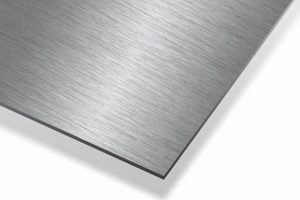
Surface treatments applied to metal components, such as pulls, knobs, and hinges, alter their appearance, durability, and resistance to corrosion. These applications include processes like plating, powder coating, and brushing, resulting in a diverse range of aesthetic and functional characteristics. For example, a brass-plated doorknob offers a warm, classic look, while a powder-coated cabinet hinge provides enhanced protection against moisture.
These treatments are crucial because they enhance the lifespan of the underlying material by mitigating environmental factors like rust and scratches. Functionally, they can improve grip or reduce friction. Historically, the application of these methods signifies both technological advancement and evolving aesthetic preferences within design and manufacturing, reflecting societal values regarding ornamentation and utility.
The subsequent sections will delve into specific types, detailing their composition, application methods, and suitability for different environments. This examination aims to provide a foundational understanding for making informed decisions regarding material selection based on project requirements and design intent.
Selection Guidance
The following considerations are crucial when choosing surface treatments for metal fixtures and fittings. Prioritize understanding the environmental conditions and performance requirements of the intended application.
Tip 1: Assess Environmental Factors: Identify potential exposure to moisture, chemicals, or abrasive elements. Exterior applications necessitate robust coatings resistant to UV degradation and corrosion, unlike interior applications with milder environmental demands.
Tip 2: Evaluate Material Compatibility: Confirm that the selected treatment is chemically and physically compatible with the substrate metal. Incompatibility can lead to adhesion failure, galvanic corrosion, or other detrimental effects, compromising the integrity of the hardware.
Tip 3: Consider Abrasion Resistance: For high-traffic areas or components subject to frequent contact, prioritize options with superior scratch and wear resistance. Powder coatings and physical vapor deposition (PVD) offer enhanced durability compared to thinner plating methods.
Tip 4: Verify Adhesion Quality: Ensure the chosen treatment exhibits strong adhesion to the substrate. Poor adhesion results in chipping, peeling, or blistering, detracting from both aesthetics and functionality. Proper surface preparation is critical for optimal adhesion.
Tip 5: Determine Desired Aesthetics: Select a treatment that aligns with the intended design aesthetic. Options range from highly reflective polished finishes to matte, textured coatings, influencing the overall visual impact of the hardware.
Tip 6: Consult Industry Standards: Refer to relevant industry standards and specifications for performance requirements and testing methods. Compliance with established standards ensures the quality and reliability of the selected finish.
Tip 7: Factor in Cost Considerations: Evaluate the cost-effectiveness of different treatments, considering both initial investment and long-term maintenance requirements. While some options may offer lower upfront costs, their long-term durability and performance may be compromised.
Careful evaluation of these factors ensures the appropriate selection, maximizing longevity and performance. This informed approach translates to reduced maintenance costs and sustained aesthetic appeal throughout the lifespan of the hardware.
The following sections will expand upon maintenance protocols and best practices for preserving integrity and appearance over time.
1. Durability

The longevity of hardware is intrinsically linked to the properties conferred by its finish. Surface treatments serve as a primary defense against environmental stressors, mechanical wear, and chemical degradation, directly influencing the operational lifespan of the component. For instance, untreated steel hinges exposed to coastal environments would quickly succumb to corrosion, rendering them unusable. In contrast, those treated with a marine-grade powder coat or hot-dip galvanization exhibit significantly prolonged resistance, extending their functional lifespan under identical conditions. This demonstrates a direct causal relationship: the quality and type of application applied determines the resistance to degradation, thus affecting the overall lifespan.
Durability, therefore, is not merely a desirable attribute but a foundational requirement for effective applications. Consider door handles in a high-traffic commercial building. A thin, decorative plating would quickly wear away, exposing the base metal and necessitating frequent replacements. However, selecting a solid, through-finish construction, such as stainless steel or PVD-coated brass, ensures resilience against constant use and abrasion, reducing long-term maintenance costs. The selection should be informed by the anticipated usage level and environmental factors to guarantee adequate performance.
In summary, the treatment selection dictates its resistance to degradation and overall longevity. Understanding the relationship is essential for informed decision-making, leading to cost-effective solutions and sustained performance. While initial aesthetics may be a consideration, prioritizing the longevity ensures long-term functionality and minimizes lifecycle costs. The challenge lies in balancing visual appeal with the requisite performance characteristics, selecting options that meet both aesthetic and functional requirements.
2. Corrosion Resistance

Corrosion resistance is a fundamental attribute of metal hardware, directly influencing its longevity and structural integrity. The applied treatment serves as a critical barrier against environmental factors that promote electrochemical degradation. The effectiveness of this barrier is paramount in maintaining functionality and aesthetic appeal over time.
- Barrier Protection Mechanisms
Surface treatments impede corrosion through various mechanisms. Passive layers, such as those formed by anodization or passivation, create a chemically inert barrier that prevents the ingress of corrosive agents. Sacrificial coatings, like galvanization, preferentially corrode, protecting the underlying metal. Organic coatings, such as paints and powder coatings, provide a physical barrier that isolates the metal from the environment. The selection of an appropriate mechanism depends on the specific environmental challenges and the base metal’s inherent susceptibility to corrosion.
- Environmental Considerations
The corrosivity of the environment dictates the required level of protection. Coastal environments, characterized by high salinity, demand treatments with exceptional resistance to chloride-induced pitting corrosion, often achieved through the use of stainless steel or specialized alloy coatings. Industrial environments with high levels of atmospheric pollutants require coatings resistant to acid rain and chemical attack. Interior applications, while generally less demanding, still require protection against humidity and condensation.
- Material Compatibility and Galvanic Corrosion
When dissimilar metals are in contact in the presence of an electrolyte, galvanic corrosion can occur, accelerating the degradation of the more anodic metal. Surface treatments can mitigate this by electrically isolating the metals or by selecting materials with similar electrochemical potentials. For example, using zinc-plated steel fasteners with aluminum components can lead to rapid corrosion of the zinc. Selecting compatible materials or applying a non-conductive coating prevents this effect.
- Maintenance and Long-Term Performance
The long-term effectiveness of corrosion-resistant treatments depends on proper maintenance. Regular cleaning removes corrosive deposits and prevents the breakdown of protective layers. Periodic inspections identify early signs of corrosion, allowing for timely repairs or replacements. Reapplication of coatings may be necessary over time to maintain the integrity of the barrier. Proper maintenance ensures sustained protection and prolongs the service life.
In summary, the selection and maintenance directly dictate its resistance to electrochemical degradation. By considering the protection mechanism, environmental factors, material compatibility, and maintenance requirements, informed decisions can be made to maximize the longevity and performance of metal hardware in diverse environments. The overall goal is to ensure that the hardware maintains its structural integrity and aesthetic appearance for the intended lifespan of the application.
3. Aesthetic appeal

The visual characteristics imparted by material treatments substantially influence the perceived quality and design coherence of architectural and functional elements. This attribute, often determined by the selected surface treatment, directly impacts the user experience and the overall aesthetic integration within a given environment. The choice is not merely decorative; it establishes a visual language that complements or contrasts with surrounding materials and design motifs. For example, brushed nickel door levers convey a modern, understated elegance in contemporary interiors, while oil-rubbed bronze hinges evoke a sense of traditional craftsmanship in historically themed settings. The treatment, therefore, acts as a key component in achieving the desired aesthetic outcome.
Consider the practical application of finish selection in retail design. A high-end boutique might opt for polished chrome or gold-plated fixtures to communicate luxury and exclusivity. Conversely, an industrial-chic caf might favor blackened steel or powder-coated components to reinforce a rugged, utilitarian atmosphere. The finish selection directly supports the branding and customer experience, demonstrating its instrumental role in achieving specific design objectives. Furthermore, the tactile properties of the surface influence the user’s perception of quality. A smooth, flawlessly applied coating suggests precision and attention to detail, while a rough or uneven treatment can detract from the perceived value, regardless of the underlying material’s quality.
In conclusion, the selected surface treatment plays a pivotal role in determining the aesthetic impact of metal components. This understanding is critical for architects, designers, and manufacturers aiming to create visually compelling and functionally harmonious spaces. The challenge lies in balancing the desired aesthetic with considerations of durability, cost, and maintenance, ensuring that the chosen finish enhances both the visual appeal and the long-term performance of the hardware. This integrated approach underscores the significance in the overall design process.
4. Application Method

The procedure employed to apply surface treatments significantly dictates the resulting characteristics and performance attributes of metal hardware. This aspect is critical, as the chosen method influences adhesion, uniformity, thickness, and ultimately, the durability and aesthetic appeal of the final product. The application method, therefore, constitutes a pivotal step in the manufacturing process.
- Electroplating
Electroplating involves depositing a thin layer of metal onto a substrate via an electrochemical process. This method is frequently utilized for decorative enhancements, such as chrome or gold plating, and can also provide corrosion resistance. The thickness and uniformity are controlled by adjusting the current density, bath composition, and immersion time. Inadequate surface preparation or improper control of plating parameters can lead to poor adhesion, blistering, or uneven coating thickness, diminishing the protective and aesthetic properties.
- Powder Coating
Powder coating involves applying a dry, free-flowing powder electrostatically to a grounded metal object. The coated item is then cured under heat, allowing the powder to melt and form a durable, uniform finish. This method is prized for its robustness, resistance to chipping and scratching, and its ability to create a wide array of colors and textures. Improper curing temperatures or inadequate powder distribution can result in incomplete fusion, leading to compromised coating integrity and diminished corrosion protection.
- Physical Vapor Deposition (PVD)
PVD is a vacuum coating process used to produce thin, hard, and highly adherent films. This method involves vaporizing a solid material and depositing it onto the substrate. PVD is commonly employed to enhance wear resistance, corrosion protection, and aesthetic properties. The controlled environment allows for precise control over the coating’s composition and structure. However, the cost and complexity of PVD equipment and processing limit its application to high-value or specialized hardware components.
- Spraying (Liquid Coatings)
Spraying involves applying liquid coatings, such as paints or lacquers, onto the metal surface. This method allows for a wide range of colors and finish types but often requires multiple coats for adequate protection. Proper surface preparation, including cleaning and priming, is crucial for adhesion and longevity. Inconsistent spraying techniques can result in runs, drips, or uneven coating thickness, compromising both aesthetic appeal and protective properties.
These methodologies are all critical considerations for product engineers. These varied methodologies each impart distinct characteristics. The selection of the appropriate application method is paramount to achieving the desired performance and aesthetic goals for metal hardware components. Neglecting this pivotal element can result in substandard products with compromised functionality and diminished long-term value. Therefore, understanding these processes is crucial for optimizing outcomes.
5. Material Compatibility

The interaction between a metal component and its surface treatment is governed by its inherent compatibility. Incompatibility can precipitate premature failure, compromising both aesthetic appeal and structural integrity. Therefore, a thorough understanding of the metallurgical properties of both the base material and the treatment is essential for ensuring long-term performance.
- Galvanic Corrosion Mitigation
When dissimilar metals are in contact in the presence of an electrolyte, a galvanic cell forms, accelerating corrosion of the more anodic metal. Surface treatments can introduce dissimilar metals, exacerbating this issue if not carefully considered. For example, applying a chromium finish to a zinc-plated steel component creates a galvanic couple that can lead to rapid zinc corrosion. Mitigation strategies include selecting compatible metals with similar electrochemical potentials or introducing an electrically insulating barrier layer.
- Adhesion and Interdiffusion
Proper adhesion is critical for the long-term performance. The surface treatment must chemically bond to the substrate metal. Interdiffusion, the migration of atoms between the treatment and the base metal, can enhance adhesion strength. However, excessive interdiffusion can lead to the formation of brittle intermetallic compounds, weakening the bond. For instance, applying a nickel finish directly to aluminum can result in the formation of a weak, intermetallic layer. An intermediate layer of zinc or copper can improve adhesion and prevent excessive interdiffusion.
- Coefficient of Thermal Expansion (CTE) Matching
Disparities in CTE between the base metal and its finish can induce stress during temperature fluctuations. Repeated thermal cycling can cause cracking, delamination, or distortion. Selecting treatments with CTE values similar to the substrate metal minimizes these stresses. For example, applying a thick organic coating with a significantly higher CTE to a steel component can lead to cracking of the coating during thermal cycling. Choosing a thinner coating or one with a CTE closer to steel reduces the risk of failure.
- Chemical Reactivity
The surface treatment must be resistant to the chemical environment in which the hardware will be used. Incompatibility can lead to corrosion, discoloration, or degradation. For example, using an aluminum finish in a highly alkaline environment can result in rapid corrosion. Selecting a more chemically resistant finish, such as stainless steel or a specialized epoxy coating, is essential for maintaining integrity.
These facets underscore the importance of considering when selecting and applying surface treatments. A comprehensive understanding of the metallurgical and chemical interactions between the materials ensures optimal performance and longevity, mitigating potential failures and maintaining aesthetic quality over time. This proactive approach minimizes maintenance costs and enhances the overall value of the hardware.
6. Maintenance

The lifespan and aesthetic integrity of architectural metal elements are inextricably linked to consistent and appropriate maintenance procedures. Neglecting regular upkeep precipitates degradation of surface treatments, leading to accelerated corrosion, discoloration, and ultimately, functional impairment. Conversely, diligent care preserves the protective properties and visual appeal, maximizing the return on investment and ensuring long-term performance. A prime example is the contrast between two identical brass door handles, one routinely cleaned to remove fingerprints and environmental pollutants, and the other left unattended. The latter will invariably exhibit tarnishing and pitting at a significantly faster rate, necessitating costly restoration or replacement.
Effective maintenance protocols vary depending on the specific type. Stainless steel benefits from periodic cleaning with mild detergents to remove surface contaminants and prevent tea staining, a form of cosmetic corrosion. Powder-coated surfaces require gentle washing to maintain the integrity of the organic barrier and prevent chalking from UV exposure. More delicate finishes, such as polished brass or antique bronze, demand specialized cleaning agents and polishing techniques to avoid scratching or stripping the patina. In coastal environments, frequent rinsing with fresh water is essential to remove salt deposits that accelerate corrosion. Ignoring these material-specific requirements undermines the protective capabilities of the surface treatment, diminishing its effectiveness over time.
In conclusion, maintenance constitutes an integral component of ensuring the longevity and performance of metal hardware. Regular cleaning, appropriate cleaning agents, and adherence to material-specific protocols are essential for preserving the protective and aesthetic qualities of surface treatments. While initial selection of a durable application is crucial, sustained performance hinges on a proactive maintenance regime. The challenge lies in implementing cost-effective strategies that balance aesthetic preservation with long-term durability, ensuring that architectural hardware retains its functional and visual appeal for the intended lifespan of the structure.
Frequently Asked Questions
This section addresses common inquiries regarding surface treatments applied to metal hardware, providing concise and informative responses.
Question 1: What factors determine the selection?
Selection depends on a variety of factors including the base metal’s properties, environmental conditions, anticipated usage, and desired aesthetic. Prioritizing these considerations ensures optimal performance and longevity.
Question 2: How does one evaluate corrosion resistance?
Evaluation involves assessing the hardware’s ability to withstand exposure to corrosive elements, such as moisture, salt, and chemicals. Independent testing and compliance with industry standards provide quantifiable measures of resistance.
Question 3: What is the expected lifespan?
The lifespan varies significantly based on the type, application method, environmental conditions, and maintenance practices. High-quality treatments, properly maintained, can extend the service life considerably.
Question 4: Can these be applied to any metal?
Compatibility is crucial. Certain treatments are unsuitable for specific metals due to galvanic corrosion or poor adhesion. Consulting material compatibility charts is essential.
Question 5: What maintenance is required?
Maintenance depends on the treatment type. Regular cleaning with appropriate agents is generally recommended. Some may require periodic reapplication to maintain protective properties.
Question 6: What is the cost impact?
The cost varies widely based on the treatment complexity, material costs, and application method. A comprehensive cost-benefit analysis should consider both initial investment and long-term maintenance expenses.
In summary, informed selection and diligent maintenance are essential for maximizing the lifespan and performance of surface treatments. Understanding the interplay of these factors ensures sustained quality and cost-effectiveness.
The following section provides a glossary of relevant terminology for further clarification.
Conclusion
The preceding analysis underscores the multifaceted significance of surface applications. These treatments extend beyond mere aesthetics, encompassing critical functional attributes such as durability and corrosion resistance. Informed selection, meticulous application, and consistent maintenance are paramount to realizing the full potential and ensuring the longevity of architectural metal elements.
Effective management translates directly to reduced lifecycle costs, sustained aesthetic appeal, and enhanced structural integrity. A comprehensive understanding of treatment properties, environmental factors, and material compatibility is therefore essential for all stakeholders involved in the design, specification, and maintenance of metal hardware, contributing to the creation of durable, aesthetically pleasing, and cost-effective built environments.